
Ceuta
Christmas comes early to Madrid as 500 drones launch record-breaking festive celebrations


This year’s display covers more than 250 locations across all 21 districts. Photo credit: Ayuntamiento de Madrid on X
Madrid’s Christmas celebrations have begun with a special moment for five children from Ceuta, who were invited to switch on the capital’s festive lights in front of thousands of spectators. The ceremony at Plaza de Cibeles on Saturday, November 21, combined the children’s participation with a, first-time, spectacular display involving 500 drones, fireworks and more than 14 million lights across the city. The children, three boys and two girls, joined Madrid mayor José Luis Martínez-Almeida for the official switch-on, making them the centre of an event designed to celebrate Christmas while highlighting the connection between the capital and Ceuta.
Their involvement was particularly significant given the challenges faced by the North African autonomous city in recent months. Madrid’s invitation was intended as a gesture of solidarity, giving the five youngsters the opportunity to take part in one of the capital’s biggest annual celebrations. The ceremony began at 07:00pm in Cibeles, with comedian and television presenter Carlos Latre hosting proceedings. Singer Pastora Soler also performed, adding a musical element to the evening before the Christmas lights illuminated the city.
A Christmas display across all 21 districts
The drone show was one of the evening’s biggest attractions. Five hundred synchronised aircraft took to the sky, creating more than a dozen illuminated Christmas figures, including bells, candles, a Christmas tree, shepherds and the Three Wise Men. A cat appearing inside a present was among the more playful images.
The display formed part of a production titled Del cielo a Madrid (From the Sky to Madrid), which combined aerial choreography, music and fireworks. The event also featured a performance by Macarena Pitto, a world junior champion in inline artistic skating, who performed around a large illuminated sphere representing the Christmas star.
✨ 500 drones han dibujado sobre el cielo de Madrid la constelación del Cazo, la o
Osa y sus siete estrellas, dando forma al primer gran mensaje de una noche muy especial.Este año la Navidad ha llegado, literalmente, #DelCieloAMadrid.
⭐ #MadridEnciendeLaNavidad https://t.co/tptvGUuxwb
— Ayuntamiento Madrid (@MADRID) November 21, 2026
Festive music and lights
Young performers from the Crescendo programme, supported by the Friends of the Royal Theatre Foundation, also took part. The Chamber Group of the Metropolitan Orchestra of Madrid and the Talía Choir performed during the ceremony, while Flamenco-Pop star, Pastora Soler, entertained the crowd with a selection of christmas songs. The festivities concluded with the lighting of the capital’s Christmas decorations, which this year cover more than 250 locations across Madrid’s 21 districts.
More than 14 million LED bulbs have been installed, alongside 131 illuminated cherry trees, 14 large Christmas trees and 7,458 strings of lights stretching a combined 164 kilometres. Among the additions are a giant Christmas tree measuring almost 37 metres in Puerta del Sol and a 12-metre-high walk-through snowman in Plaza de España. Three illuminated figures of the Three Wise Men have also been installed in Plaza de Colón.
Madrid’s Christmas season begins earlier than ever
This year’s switch-on took place on November 21, making it the earliest start to Madrid’s Christmas lighting season on record. The previous record was November 22, set in 2025. The decorations will remain in place until January 6, 2027, giving residents and visitors several weeks to explore the illuminated streets and squares.
The lights will generally operate from 06:00pm until midnight from Sunday to Thursday, extending to 1am on Fridays and Saturdays. On Christmas Eve and January 5, they will remain switched on until 3am, while New Year’s Eve will see the longest display, running until 6am. The decision to bring the celebrations forward means Madrid has entered the festive season while November is still underway.






Amenazas
Pagos Desde Marruecos Y Esperas En Las Playas De La Línea, Así Funcionaba La última Red De Pase De Migrantes De Ceuta


Ceuta
Spanish Intelligence Absolves Morocco Of Orchestrating Massive Ceuta Border Breach As 80,000 Migrants Crossed In Two Days

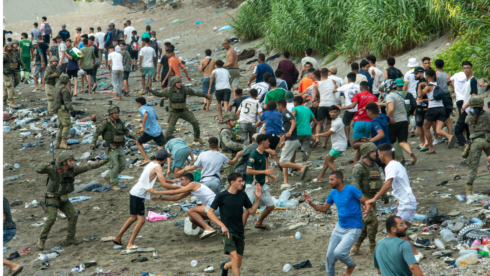
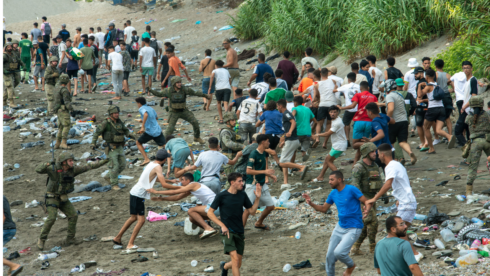 The CNI said it could not identify a ‘single organiser’ behind a call to pour into Ceuta, nor any direct link to ‘the apparatus of the Moroccan state’.
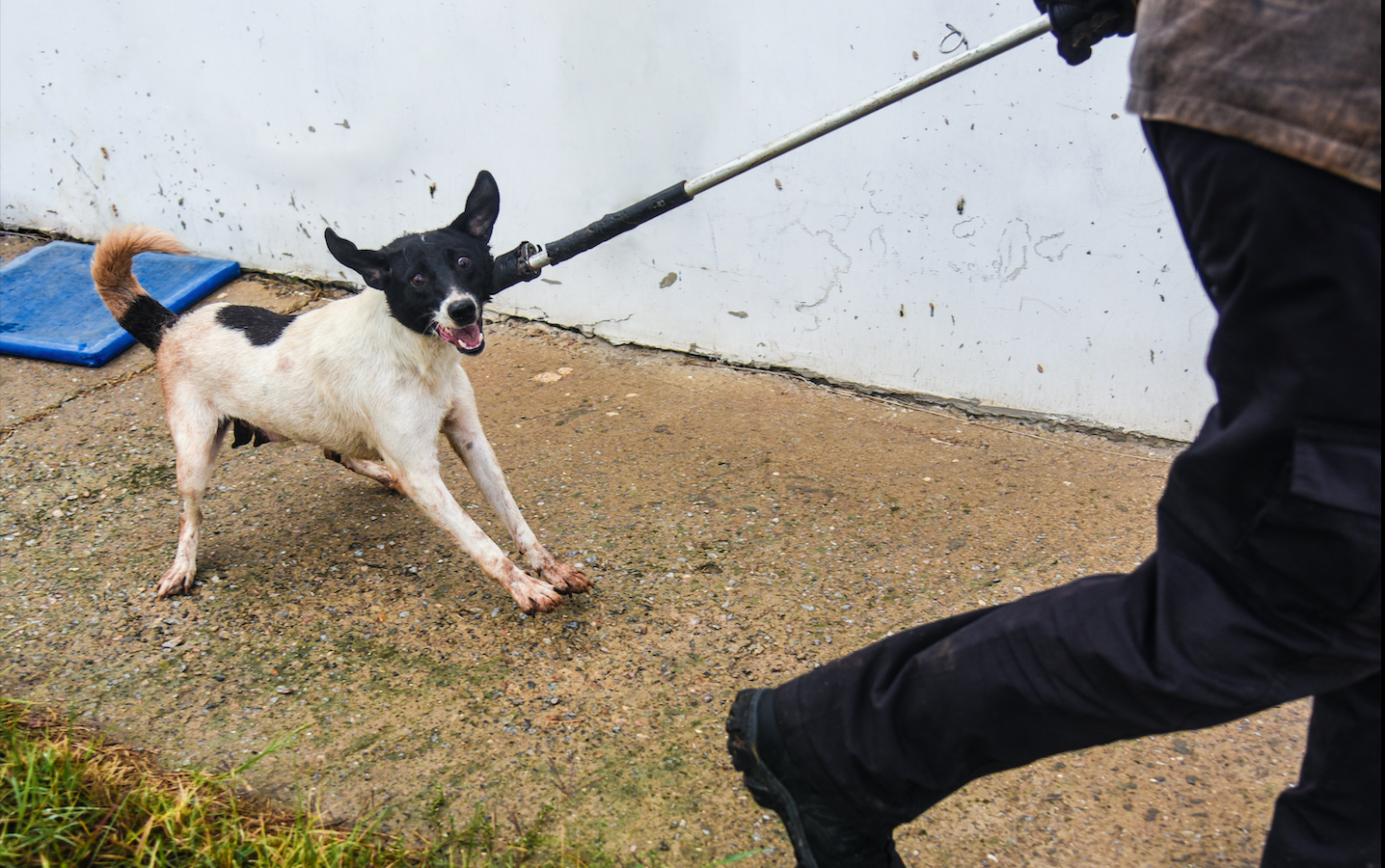
The dog’s vaccination status was unknown when it entered Spanish territory. Photo credit: tsyklon/Shutterstock
A rabies infection is not something anyone wants to discover in their neighbourhood. Once symptoms develop, the disease is almost always fatal, making prompt treatment after exposure essential. For dog and cat owners in Ceuta, the latest confirmed case is another reminder of why keeping vaccinations up to date matters, particularly in a city bordering a country where rabies is still present.
The latest infection involved a dog that crossed from Morocco into Ceuta on October 28. Fortunately, it was spotted at the Tarajal border crossing and captured less than 30 minutes later, before it could come into contact with residents or other animals. The infection was confirmed on November 12 by Spain’s National Centre for Microbiology at the Carlos III Health Institute.
Dog showed worrying symptoms after crossing border
The dog’s vaccination status was unknown when it entered Spanish territory. Guardia Civil officers spotted it near the border and alerted the animal collection service, which managed to capture it shortly afterwards.
Its condition was already extremely poor. The animal was severely emaciated, had a limp in one leg and displayed continuous, frantic running behaviour. Given these symptoms and its arrival from a rabies-endemic area, veterinary authorities suspected infection and decided to euthanise it immediately.
Laboratory tests subsequently confirmed rabies using immunofluorescence and PCR, which detect the presence of the virus. One important detail is that the dog remained under continuous surveillance following its capture. Authorities confirmed that it had no contact with people or other animals, meaning no human or animal exposures have been identified in connection with this case.
Second rabies case recorded in Ceuta this year
Unlike mainland Spain, where terrestrial rabies has been eradicated, Morocco continues to report infections in both animals and humans. The country’s National Office for Food Safety (ONSSA) identifies rabies as an endemic disease found across much of its territory, with dogs acting as the main reservoir of infection.
The scale of the problem remains significant. According to the World Health Organisation, 451 human rabies cases were documented in Morocco between 2000 and 2022, averaging around 20 deaths annually. Animal infections are also regularly reported, with stray dogs representing a major source of transmission.
Why pet owners need to take rabies seriously
Although Spain and its islands have been free of terrestrial rabies since 1978, imported cases continue to occur occasionally in Ceuta and Melilla because of their proximity to countries where the disease remains present. The Ministry of Agriculture stresses that vaccination is one of the most important tools for preventing the spread of rabies. In Ceuta, annual rabies vaccination is compulsory for dogs, cats and ferrets, and owners must keep their animals’ vaccination records up to date.
The disease affects the central nervous system of mammals and can spread to humans through the saliva of an infected animal, usually following a bite or scratch. Once clinical symptoms appear, rabies is virtually always fatal. Anyone bitten or scratched by an animal suspected of carrying rabies should wash the wound thoroughly with soap and running water for at least 15 minutes before seeking urgent medical attention. Preventive treatment can stop the disease developing if administered promptly. Dogs, cats and ferrets in Ceuta must be vaccinated against rabies annually, with owners required to keep their animals’ vaccinations up to date.
Could homes in Spain soon regulate their own temperatures without heating or air conditioning?

Trump Obstaculiza La Supervisión De Contratos Por Un Congreso Controlado Por Los Demócratas
Knights of Malta mystery as 400-year-old wine bottles are unearthed beneath French castle


-

 New Developments3 weeks ago
Luxury Villas For Sale, Estepona – ProjectL1
-

 New Developments2 weeks ago
The San Roque Club – Townhouses For Sale
-

 New Developments4 weeks ago
How To Get A Tourist Rental Licence In Andalusia (Spain) – Step-By-Step Guide 2025
-
Age Concern Marbella - San Pedro4 weeks ago
Halloween lunch sells out as 51 join Marbella get-together
-
 %4 weeks ago
Spain Orders Replacement Of Eight Million Gas Meters: New Rules, Costs And Deadlines
-
countryside3 weeks ago
Rural revival: Five Almeria villages make moving inland easier and more enticing
-
Costa del Sol4 weeks ago
Where are they? Expat questions local police presence
-
costa blanca live music3 weeks ago
Beatles tribute: The Liverpool Band returns to Orihuela Costa