
cyberattack
Hackers strike at the heart of US law enforcement by targeting FBI criminal database

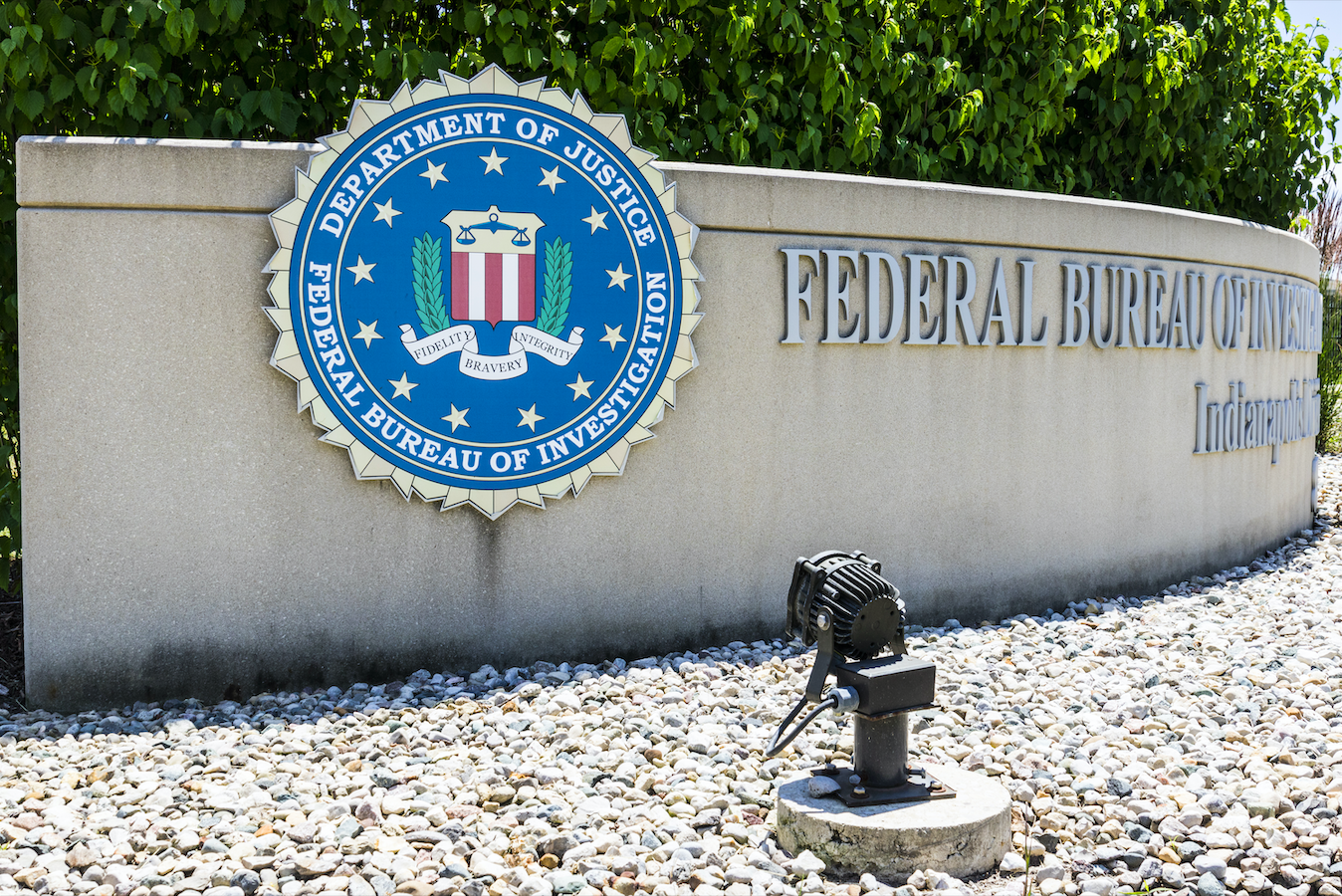
The latest investigation follows an earlier cyberattack in September. Photo credit: Jonathan Weiss/Shutterstock
Millions of police checks, arrest warrants and criminal records rely on a database accessed by law enforcement officers across the United States every day. Now, the FBI is investigating whether hackers have broken into the system, raising concerns about the security of information used to identify wanted criminals, check suspects and support police investigations. The suspected intrusion involves the National Crime Information Center (NCIC), one of the most important information-sharing systems used by American law enforcement.
The incident, reported on November 20, is the second reported breach involving FBI systems in just a few months. Two people briefed on the investigation sources that the bureau was examining an apparent intrusion. The FBI had not publicly confirmed the breach or established what information might have been accessed.
What information could hackers have accessed?
The NCIC is used by federal, state and local law enforcement agencies to exchange information needed for investigations and routine police operations. Its records include outstanding arrest warrants, criminal histories, missing persons reports and information about stolen vehicles and firearms. Officers can consult the system when checking whether someone is wanted, verifying a warrant or accessing information relevant to an investigation.
Its importance extends well beyond the FBI. Police departments throughout the country depend on the database being available and accurate, sometimes when making decisions during fast-moving situations. Hackers accessing confidencial information could therefore have consequences beyond the theft of personal data. If criminals gained access to sensitive records, they could potentially obtain details about wanted individuals, police investigations or information that would otherwise remain restricted to law enforcement.
There are also concerns about the possibility of records being altered, although there is currently no evidence that this has happened or that police operations have been disrupted. Investigators have yet to establish whether information was copied, how the suspected attackers gained access or how long they might have remained inside the system.
Second FBI security breach in a few months
The investigation follows an earlier cyberattack in September, when hackers targeted FBIJobs.gov, the bureau’s recruitment website. The hacking group ShinyHunters claimed responsibility for stealing sensitive personal information belonging to current and former FBI employees and people who had applied for jobs with the agency. The compromised information reportedly included personal details that could expose those affected to further security risks.
The September incident prompted an investigation into how the attackers had accessed the recruitment system and what information had been taken. However, there is currently no evidence linking ShinyHunters to the latest suspected intrusion into the NCIC. Investigators have also not established whether the two incidents involved the same methods or attackers.
FBI yet to establish the extent of the damage
The latest incident raises questions about the protection of information held by an agency responsible for investigating cybercrime and protecting national security. For police officers, the reliability of the NCIC is particularly important. Information about outstanding warrants and criminal records can influence decisions during traffic stops, arrests and investigations. Any compromise of that information could create serious problems if its accuracy could no longer be trusted.
At present, however, the FBI has not confirmed that records have been altered, stolen or made inaccessible. The investigation is continuing, with the extent of the suspected intrusion, the identity of those responsible and the information potentially exposed still unknown.







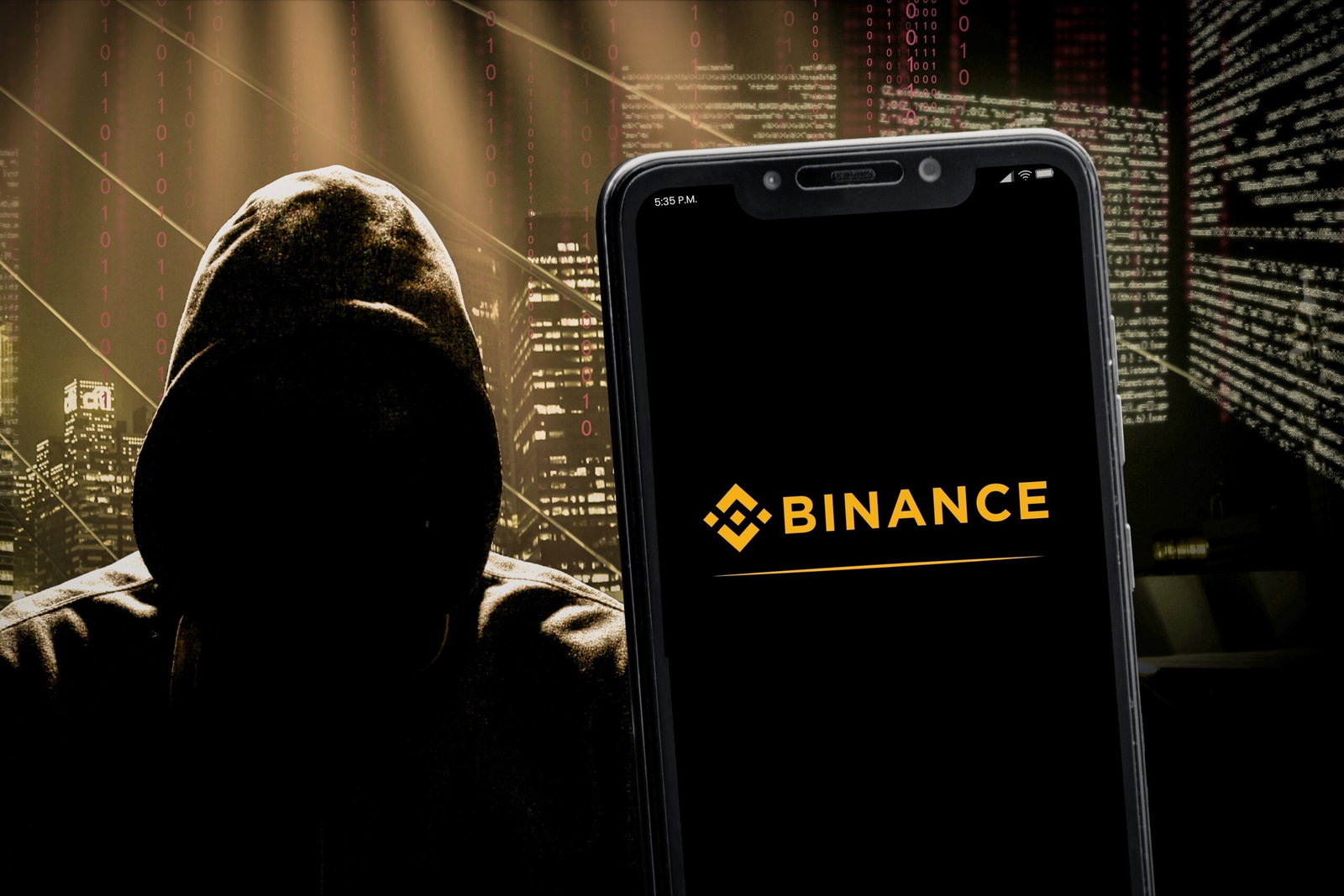
North Korean-linked groups have been accused of stealing digital currencies. Photo credit: JOCA_PH/Shutterstock
Imagine checking your cryptocurrency account and discovering that the exchange holding your money has been hit by a theft worth billions. That is the situation facing Binance, the world’s largest cryptocurrency exchange by trading volume, after hackers stole an estimated $6.3 billion in a cyberattack that has sent shockwaves through the cryptocurrency industry. The attack took place on Thursday, October 29, targeting the systems Binance uses to authorise and process transactions.
The theft is being described as the largest cryptocurrency heist in history, with blockchain analysts reporting that much of the money was transferred within approximately 20 minutes. Binance has pledged to cover the full financial loss, but the scale of the breach has raised serious questions about how an exchange handling billions of dollars in digital assets could have its security systems compromised.
Hackers exploited Binance’s transaction systems
Binance’s initial investigation suggested that the attack may have started with a compromised laptop belonging to a DevOps engineer. The hackers are believed to have used access gained through the device to enter a service container and submit withdrawal transactions without proper authorisation. The company later discovered additional points of compromise and said the incident was more complex than first understood. It has not yet published a complete technical explanation of how the attackers managed to move such a large amount of cryptocurrency.
Investigators believe the attackers gained control of part of the infrastructure responsible for approving transactions. This allowed them to authorise transfers to wallets under their control. Binance has said there is currently no evidence that private keys belonging to its wallets were leaked. It has revoked the affected authorisations and is examining the systems involved in the breach.
Binance promises to replace the stolen money
The exchange has said it will absorb the entire financial impact rather than pass the losses on to users. It is using its Secure Asset Fund for Users (SAFU), an emergency reserve established to protect customers in the event of serious security incidents, alongside its corporate funds. In its October 30 update, Binance said it had allocated more than $6.34 billion to cover the loss. Around $5 billion was held in the same types of cryptocurrency that had been stolen, with the remaining amount being purchased through market and over-the-counter transactions.
The company said it had already covered approximately 80 per cent of the affected amount. That commitment is significant given the size of the theft. The amount involved is far beyond the losses suffered in many previous cryptocurrency exchange attacks, and replacing it requires Binance to put substantial company resources behind its promise.
Billions frozen as investigators trace the money
Recovering the stolen cryptocurrency is another matter. Once digital assets have been transferred between wallets, tracing their movements can be difficult, particularly when criminals use multiple addresses and services in an attempt to conceal where the funds have gone. Binance reported that approximately $3 billion in affected assets had been frozen through cooperation with its partners. The company is also working with law enforcement agencies, blockchain intelligence firms and cryptocurrency issuers to identify and restrict further transfers.
Tether and Circle are among the companies reported to have frozen assets connected to the incident. Their involvement is important because issuers of certain digital currencies can sometimes freeze tokens held at identified wallet addresses. However, freezing assets does not mean that all the stolen money has been recovered. The whereabouts of the remaining funds are still being investigated, and the final amount that can be retrieved remains uncertain.
North Korean hackers suspected
Attention has also turned to the possible identity of those behind the attack. Blockchain analysis firms have identified similarities between the Binance incident and previous cryptocurrency thefts linked to North Korean hacking groups. Researchers at TRM Labs and other firms have pointed to techniques resembling those used in earlier attacks, including the major theft from cryptocurrency exchange Bybit in 2025.
North Korean-linked groups have been accused of stealing digital currencies to generate funds for the country. However, no official investigation has publicly confirmed that North Korea was responsible for the Binance breach, and the suspected connection remains under examination.
Withdrawals suspended while security checks continue
Binance temporarily suspended deposits and withdrawals while it investigated the breach and secured the affected systems. The exchange subsequently said that deposits and services not affected by the attack remained operational, although withdrawals were still subject to security checks before normal access could resume. The company has been working to strengthen its transaction approval systems and verify that the breach has been contained. It has also promised to release a more detailed technical account once its investigation is complete.
The attack has also affected confidence across the cryptocurrency market. Bitcoin and Ether came under pressure following reports of the theft, while shares in some companies connected to the digital currency industry also fell. Binance now faces questions over how hackers managed to breach its transaction systems and whether its security measures are strong enough to prevent another attack Even if the company makes good on every dollar, the breach has exposed how vulnerable an exchange can be when attackers find a way into the machinery used to approve transactions. And with $6.3 billion involved, the questions about how it happened are unlikely to disappear when the money is replaced.
Could homes in Spain soon regulate their own temperatures without heating or air conditioning?

Trump Obstaculiza La Supervisión De Contratos Por Un Congreso Controlado Por Los Demócratas
Knights of Malta mystery as 400-year-old wine bottles are unearthed beneath French castle


-

 New Developments3 weeks ago
Luxury Villas For Sale, Estepona – ProjectL1
-

 New Developments2 weeks ago
The San Roque Club – Townhouses For Sale
-

 New Developments4 weeks ago
How To Get A Tourist Rental Licence In Andalusia (Spain) – Step-By-Step Guide 2025
-
Age Concern Marbella - San Pedro4 weeks ago
Halloween lunch sells out as 51 join Marbella get-together
-

 %4 weeks ago
Spain Orders Replacement Of Eight Million Gas Meters: New Rules, Costs And Deadlines
-
countryside3 weeks ago
Rural revival: Five Almeria villages make moving inland easier and more enticing
-
Costa del Sol4 weeks ago
Where are they? Expat questions local police presence
-
costa blanca live music3 weeks ago
Beatles tribute: The Liverpool Band returns to Orihuela Costa