
Canary Islands
British woman hospitalised after severe 7-metre fall from abandoned property

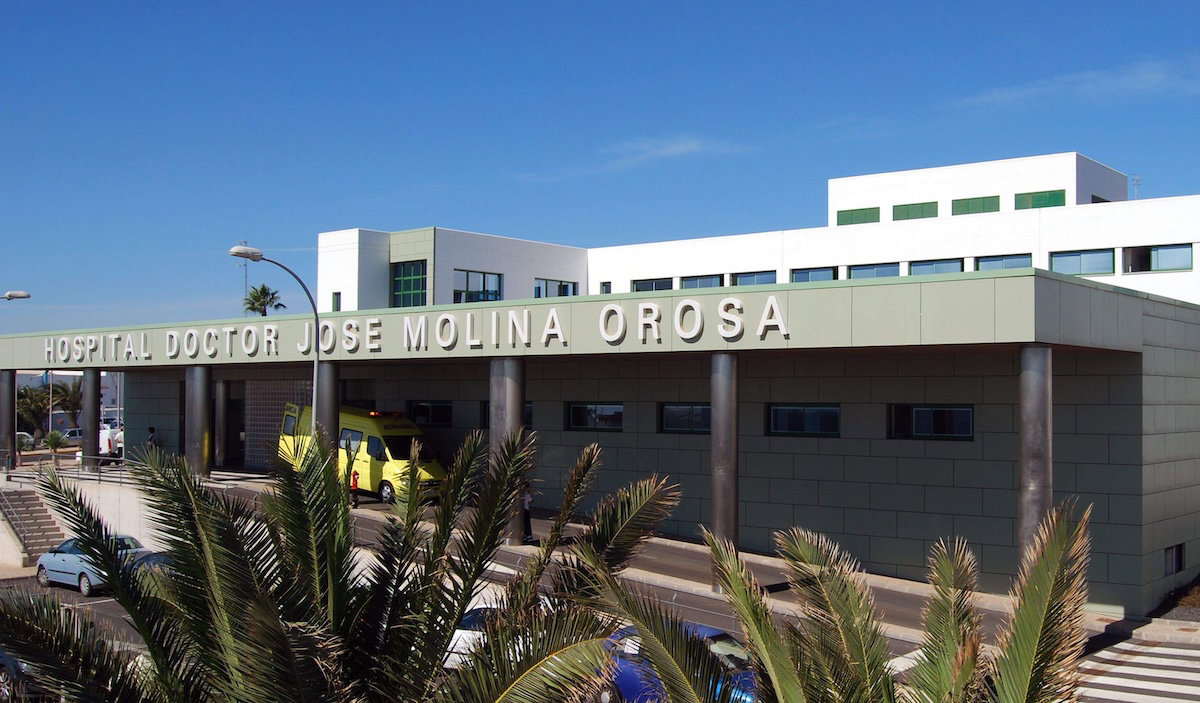
British tourist hospitalised following severe drop from an abandoned building.
Photo Credit: The Government of the Canary Islands
Locals in Lanzarote got a fright when a 32-year-old British woman was injured after a seven-metre fall, from the terrace of an abandoned property in Puerto del Carmen. The incident occurred late on the evening of Sunday, August 16.
A difficult midnight rescue
The fall happened at around 11:54pm on Calle Princesa Guayarmina on Sunday evening. After receiving a call about the incident, officers from the local police as well as the Guardia Civil, Civil Protection officers, and Emergency Services rushed to the scene.
Once there, first responders faced an additional challenge: she had fallen into a difficult-to-access area, and the teams needed to navigate around a two-metre wall, on the terrace of the house adjacent to where the woman had fallen.
The woman sustained various injuries due to the fall, but medical personnel were able to stabilise her condition before transferring her to an ambulance, along with the help of emergency services. She was transported to the Dr. José Molina Orosa Hospital, located in Arrecife.
Circumstances remain under investigation
The full extent and severity of the woman’s condition have not yet been reported to the public. Authorities have also not clarified how the woman entered the abandoned property, nor the exact circumstances that led to her fall. Investigation into the incident is ongoing.
The dangers of abandoned properties for tourists
The Canary Islands, a Spanish autonomous community that is popular with tourists especially in peak season, is no stranger to unexpected falls and injuries on abandoned properties. One of the most infamous abandoned buildings in the community is the Añaza hotel, an unfinished luxury hotel located on a clifftop in Tenerife. This hotel has been responsible for multiple injuries and deaths, as thrill-seekers and urban explorers frequently visit the abandoned property despite numerous signs warning them not to.
Most recently, in December 2025, a 13-year-old girl fell to her death while exploring the abandoned property with her friends.
At the end of January 2026, two British tourists were heavily fined (€575) after visiting the hotel and taking photos on its rooftop, claiming it had appeared online as a “place of tourist interest.”
In May, another British tourist was injured after a fall onto a Lanzarote breakwater.
An unfortunate spike in holiday incidents
During peak season, as tourists visit places like the Canary Islands to unwind and have fun on holiday, the number of incidents, including falls and injuries in hotel and holiday hotspots where night-time events and alcohol consumption is often involved, unfortunately spikes.










Canary Islands
Horror In The Canary Islands As Trafficker Gang Prowled Island For Vulnerable Migrant Children To Lure Into Sex Slavery


 TWO teenage girls have been rescued from a trafficking network that lured vulnerable migrant children out of Gran Canaria’s care homes for sexual exploitation abroad. The Guardia Civil also managed
Rolling Stones tribute brings legendary rock hits to Orihuela Costa this August
Alicante records more than 38,000 blood donations as summer drive boosts supplies

Max Verstappen Red Bull contract


-

 Uncategorized2 weeks ago
Lewis Hamilton hits gold with $10bn jackpot but British star snubs Monaco move: F1 News Recap
-

 Uncategorized2 weeks ago
Racing star was destined for F1, now he
-
Latest2 weeks ago
EU Tells Meta, TikTok To Boost Monitoring, Fact-Checking
-
Altea1 week ago
Fireworks disaster at Costa Blanca spectacular leaves 27 injured in Altea
-
Mallorca2 weeks ago
Palma mayor fights to keep TUI water bus project afloat
-
 Andalucia2 weeks ago
Courageous Costa Del Sol Father Seeking To Raise Funds For Specialised Treatment In Germany As He Battles Brain Cancer
-

 New Developments1 week ago
Stylish 3-Bedroom Apartment With Panoramic Sea Views – Benalmádena
-

 Bogotá1 week ago
Última Hora Del Terremoto En Colombia, En Directo | Al Menos 132 Muertos Y 570 Heridos Por El Seísmo De Magnitud 7,4