
%
Costa Del Sol Newspaper 4 – 10 Jun 2026












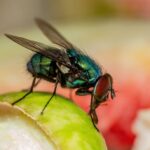
A Spanish summer is hard to beat. Long, late hot evenings, gorgeous sunsets with cocktails and al fresco dining. Its what makes life in Spain so special. But you have to take the rough with the smooth, as the heat also invites one of the country’s most frustrating and unhygienic seasonal pests. The common housefly.
The hotter it is, the faster food spoils, creating a breeding paradise for insects. Not only are they unbelievably annoying, they are also a health hazard, acting as vectors for diseases like salmonella, dysentery, and cholera.
To tackle the problem early on you can use a classic home remedy. It takes less than a minute to assemble, costs next to nothing, and offers a chemical-free way to protect your living spaces all season long.
How to build the classic plastic bottle fly trap
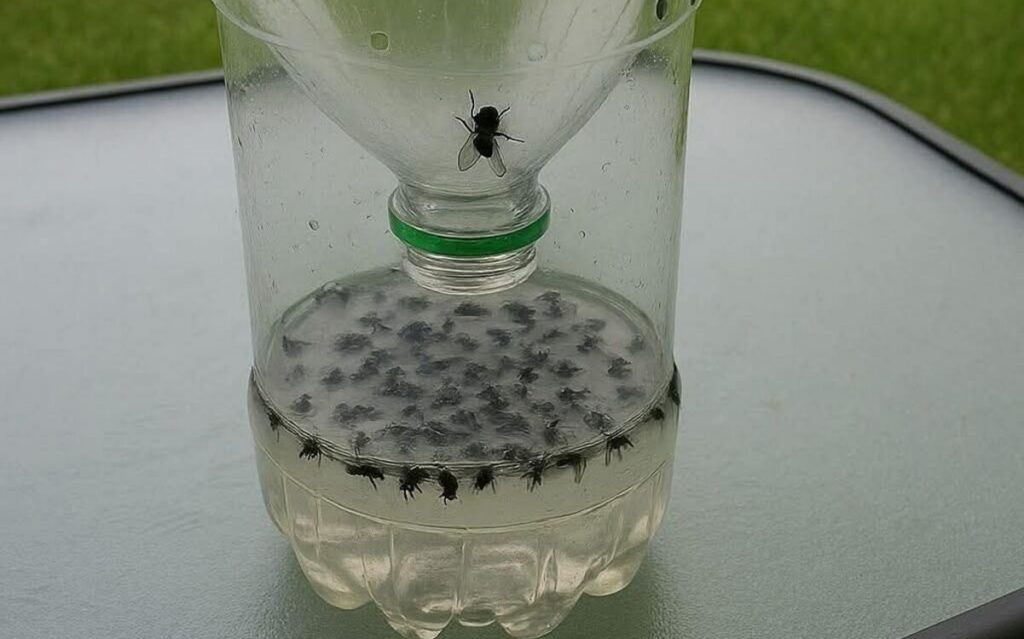
The plastic bottle fly trap works on a basic mechanical principle. Flies are drawn down into the structure by an enticing scent but are naturally unable to find the small opening to fly back out. To build, follow these three quick steps –
Take a clean plastic bottle and cut it roughly 10 centimetres below the cap, right where the plastic begins to widen.
Turn the top section upside down so the neck points downward like a funnel, and place it directly inside the bottom base. Leave a small gap of clear space between the mouth of the inverted funnel and the bottom of the bottle.
Secure the two pieces together by wrapping adhesive tape completely around the top rim. This keeps the structure stable and seals any tiny side gaps that a fly could use to crawl out.
Credit:Zîî Noôu/FB
The right indoor and outdoor bait recipes for success
While many online guides suggest a blanket mixture of water, sugar, and vinegar, using the wrong recipe inside your home can backfire. Large houseflies have entirely different preferences than tiny fruit flies, so matching your bait to the location is key.
Best bait for outdoor terraces and gardens
If you are placing your trap out on a patio, courtyard, or balcony, use a mixture of water, sugar, and vinegar. The sweet, fermenting aroma is incredibly effective at pulling pests away from your outdoor dining table. Because of the sharp, pungent scent, this specific mixture is strictly recommended for well-ventilated outdoor areas.
Best bait for kitchens and indoor spaces
Avoid using vinegar indoors. Large houseflies are often naturally repelled by it, and the smell can quickly become overwhelming inside a house. Instead, fill your indoor trap with warm water and plenty of dissolved sugar. To supercharge this indoor mix, drop in a small piece of overripe fruit (like a slice of banana or melon) or a pinch of baking yeast. This creates a mild, low-odour fermentation process that houseflies find irresistible.
Easy natural alternatives using everyday items
Sticky homemade fly paper
You can easily create your own chemical-free fly ribbons. Cut strips out of a brown paper bag, punch a hole at the top of each, and thread a string through for hanging. In a saucepan over medium heat, warm equal parts water and sugar with three tablespoons of honey, stirring until it forms a thick, sticky glaze. Coat the paper strips in the mixture and hang them up in problem areas where insects tend to gather.
The diluted vinegar barrier spray
Because houseflies actively avoid the scent of vinegar, it makes a terrible trap bait, but an exceptional defensive barrier. To use it indoors without creating an overwhelming smell in your living areas, mix equal parts vinegar and water in a spray bottle. Instead of misting the air, spray it strictly onto targeted entry points—like exterior window frames, door tracks, and the inside base of household bins. The scent quickly fades for humans as it dries, but it remains strong enough to disorient flies and stop them from crossing into your home.
Potted aromatic plants that act as natural deterrents
Utilizing the power of aromatic plants is a stylish way to help move them along. These plants add beautiful decorative value to Spanish windowsills and balconies and also have natural essential oils doubling up as insect repellents.
Citronella and mint – Citronella is the ultimate defender for outdoor terraces. Indoors, potted peppermint is incredibly hardy, easy to maintain on a windowsill, and releases a sharp mentholated fragrance that flies actively avoid.
Basil and sage – Broad-leaved basil varieties are perfect for kitchen counters, producing an aroma that disrupts a fly’s sensitive sense of smell. Sage releases strong essential oils that create a highly unattractive environment for flying insects.
Bay leaves – Bay leaves naturally contain organic compounds called cineole and eugenol, which are scientifically proven insect deterrents. You can place dried bay leaves inside your pantry cupboards or scatter them on windowsills to amplify the protective effect.
Top tip. To make your live plants work effectively as natural deterrents, remember to gently rustle or brush their leaves occasionally. This physical action breaks the plant’s oil glands and releases the defensive aromas into the air.
Combined with daily kitchen hygiene, wiping surfaces down, and emptying your household bins frequently, these natural tricks will help your Spanish summer stay peaceful and fly-free.

El Vaticano Sale Al Paso De La Polémica Con Las Víctimas De Pederastia Y Confirma Que El Papa Se Reunirá Con Ellas En España

El Nasdaq Baja Un 4,18% En Una Sesión Marcada Por La Debilidad De Las Tecnológicas

Euromillones: Comprobar Sorteo Del Viernes 5 De Junio
In The Final Stretch Of Colombia’s Presidential Campaign, Undecided Voters Are In High Demand

How To Get A Tourist Rental Licence In Andalusia (Spain) – Step-By-Step Guide 2025
Spain heatwave 2026: When the next extreme temperatures could hit and which areas may suffer most


-
Abelardo de la Espriella2 weeks ago
In The Final Stretch Of Colombia’s Presidential Campaign, Undecided Voters Are In High Demand
-
 New Developments3 weeks ago
How To Get A Tourist Rental Licence In Andalusia (Spain) – Step-By-Step Guide 2025
-
aemet3 weeks ago
Spain heatwave 2026: When the next extreme temperatures could hit and which areas may suffer most
-

 Bad Bunny2 weeks ago
Luis Rafael Sánchez: ‘Republicans Can’t Stand The Idea Of Puerto Rico Becoming A US State’
-
Competiciones4 weeks ago
E
-
Costa Blanca North4 weeks ago
Marina Alta business awards celebrate ALE-HOP success and Alzheimer’s care innovation
-
Foreign demand4 weeks ago
Has foreign demand for Spanish property peaked? Latest figures suggest so
-
buffet4 weeks ago
Toyo Japanese, Asian favours in Fuengirola