
Costa del Sol
Costa del Sol newspaper 7 – 13 May 2026


Euro Weekly News delivers the latest news and events for Fuengirola, Marbella, Mijas, Sotogrande and Benalmadena all in one place in English.
Sign up for personalised news
Subscribe to our Euro Weekly News alerts to get the latest stories into your inbox!
By signing up, you will create a Euro Weekly News account if you don’t already have one. Review our Privacy Policy for more information about our privacy practices.

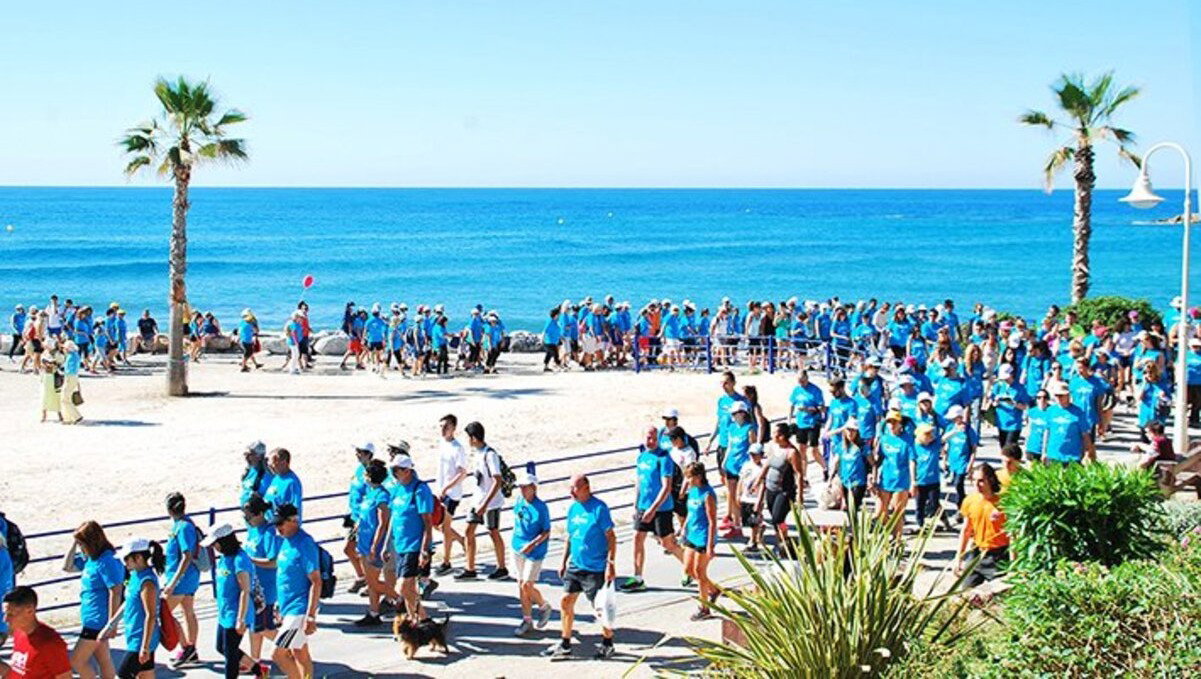
A seven-kilometre charity walk will again bring hundreds of people united together in Benalmadena next month as the annual Cudeca Walkathon returns with a larger new location and a packed day of fun fundraising activities.
On Saturday, May 23, the event will head to Arroyo de la Miel fairground for the first time with more room for additional participants and extra entertainment. Organisers planned this, hoping and expecting that this year with the larger venue, it would attract record attendance for the annual charity event.
New route and fun family activities
Participants will tie their laces and join together to complete a single accessible seven-kilometre route perfect for all ages and fitness levels. Registration opens at 9.30am before the walk begins at 10.30am.
Marisa Martin, the foundation’s managing director and medical director, described the walk as much more than a sporting event, saying it gives people a chance to support those facing difficult moments in life. The main objective of Cudeca Foundation is palliative care for patients with cancer and other terminal illnesses, and this event hopes to encourage wider public involvement in palliative care services for cancer patients and families across the Costa del Sol.
For extra opportunities to raise funds for the incredible charity there will be live music, a charity raffle, food stalls, paella and a Holi colour celebration to enjoy.
Registration details for Walkathon 2026
Online registration is already active through Entradium. Entry costs €12 for adults and €8 for children, with each walker receiving a welcome pack containing a T-shirt, fruit, water and Holi powder.
Funds raised from the Walkathon help Cudeca to continue providing vital free palliative and hospice care to more than 1,400 people every year in Malaga province.
For more information visit the Cudeca Foundation website to learn more about the Walkathon and the fantastic work they do.

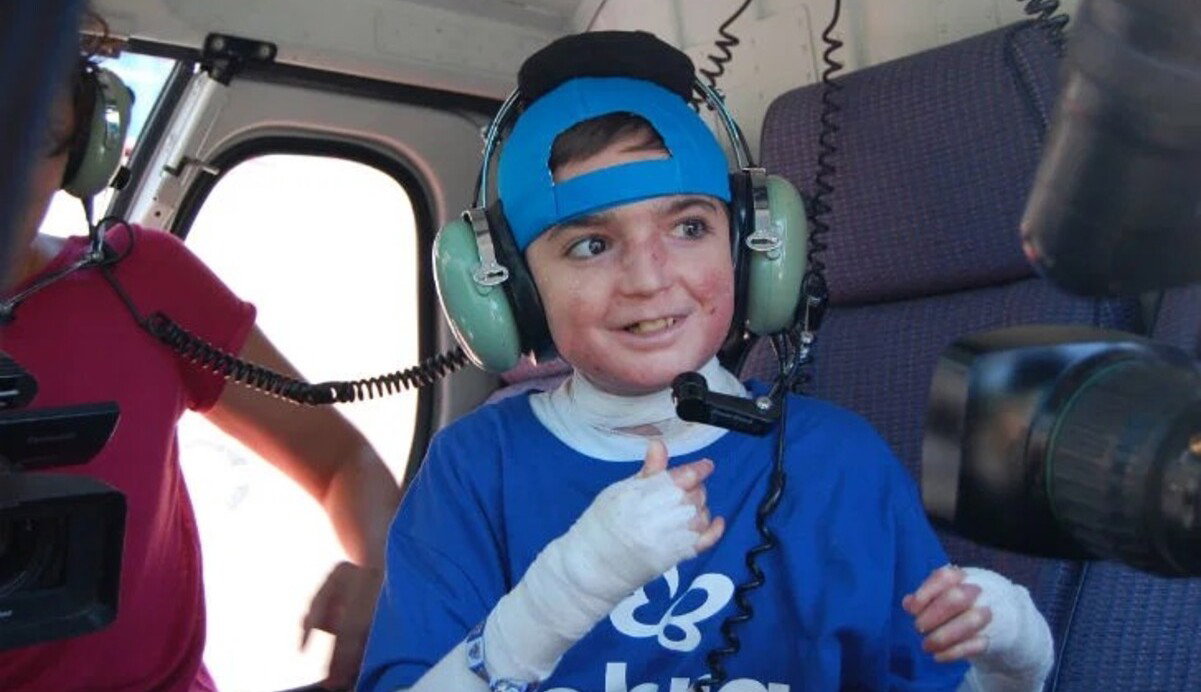
For the first time in Spain, two people living with dystrophic epidermolysis bullosa, commonly known as butterfly skin, have begun receiving a dedicated gene therapy. Adrian, a 22-year-old from Tolox in Malaga and Leo, a 12-year-old boy from Seville are receiving medical treatment at the public hospitals Costa del Sol in Marbella and Virgen del Rocio in Seville.
What is butterfly skin and how does Vyjuvek work?
Dystrophic epidermolysis bullosa is a rare, incurable genetic condition that causes extreme fragility of the skin and some mucous membranes. Even a minor touch, a light knock, or tight clothing can trigger blisters and wounds resembling third-degree burns. Daily wound care, cleaning lesions, applying specialist dressings, managing pain, and monitoring for infection typically takes between two and five hours every day.
Vyjuvek is the first drug developed specifically for this condition. Applied directly to wounds and lesions, it works by delivering a healthy copy of the faulty gene into skin cells, helping the body produce a protein it cannot make on its own, one that essentially acts as a glue keeping the skin’s layers bonded together.
Andalucia leads the way
Andalucia has become the first autonomous community in Spain to administer Vyjuvek within its public health system. Regional president Juanma Moreno described it as “the great day has arrived,” confirming that the Andalusian Health Service is currently covering the full cost of treatment whilst national funding negotiations continue. At approximately €100,000 per patient per month, the accumulated cost over a patient’s lifetime could reach several million euros, which explains the complexity of securing permanent state funding. Around 45 people in Andalusia are thought to be eligible for the therapy.
The stories of the boys
Adrian studies at the University of Malaga and is accompanied daily by his mother in case of emergencies. Over his lifetime he has undergone a gastrostomy, multiple hand surgeries to prevent loss of his fingers, and a corneal transplant. He has spent years managing pain and hours of daily wound care.
Leo had been “waiting for this moment his whole life,” as he explained himself on the day of his first treatment, adding he felt “nervous, but ready.” His mother Lidia said the therapy would “change their lives,” whilst urging that it reach all who need it across Spain.
Campaigns by families and DEBRA
Behind this incredible development lies years of sustained pressure from patient organisation DEBRA Piel de Mariposa. A campaign they launched in October 2025 gathered more than 150,000 signatures, which were delivered to the Health Minister to support the inclusion of Vyjuvek in Spain’s public health provision. In February 2026, two affected families, including Leo’s, took their case to the European Parliament.
DEBRA director Evanina Morcillo welcomed the first cases as “a hopeful step, but not sufficient,” warning that access to a life-changing therapy must not depend on a patient’s postcode. National inclusion in Spain’s health service catalogue remains the goal for all affected families.
For more information on this rare disease and the charity visit the DEBRA official website.
Palma beach lifeguards threaten total strike ahead of peak summer season
Costa Calida newspaper 7 – 13 May 2026
Costa Blanca South newspaper 7 – 13 May 2026
Brussels warns Spain that migrants regularised under controversial scheme will be deported back to Spain if they try to move to other EU countries
Murcia unveils monument marking 175th anniversary of Burial of the Sardine
Easter on the Costa del Sol: a time of renewal


-
eu response to spain migration policy4 weeks ago
Brussels warns Spain that migrants regularised under controversial scheme will be deported back to Spain if they try to move to other EU countries
-
Costa Calida4 weeks ago
Murcia unveils monument marking 175th anniversary of Burial of the Sardine
-
Costa del Sol4 weeks ago
Easter on the Costa del Sol: a time of renewal
-

 Caso Koldo3 weeks ago
Dinero En Efectivo Guardado En Casa Y La Devolución De Los Gastos Del PSOE: La Expareja De Koldo Protagoniza La Cuarta Jornada Por El ‘caso Mascarillas’
-

 New Developments4 weeks ago
🌅 Stunning Penthouse With Panoramic Sea & Mountain Views Benalmádena
-

 New Developments4 weeks ago
Inside The Most LUXURIOUS Apartment Building In Spain!
-

 Ataque contra Irán4 weeks ago
Última Hora De La Guerra De Estados Unidos E Israel Contra Irán, En Directo | EE UU Asegura Que Dos De Sus Buques Militares Han Cruzado Ormuz Para Desminar El Estrecho E Irán Lo Niega
-

 New Developments4 weeks ago
The San Roque Club – Townhouses For Sale