
News from Spain
Drug raid in Spain takes bizarre turn as Guardia Civil discover exotic reptile

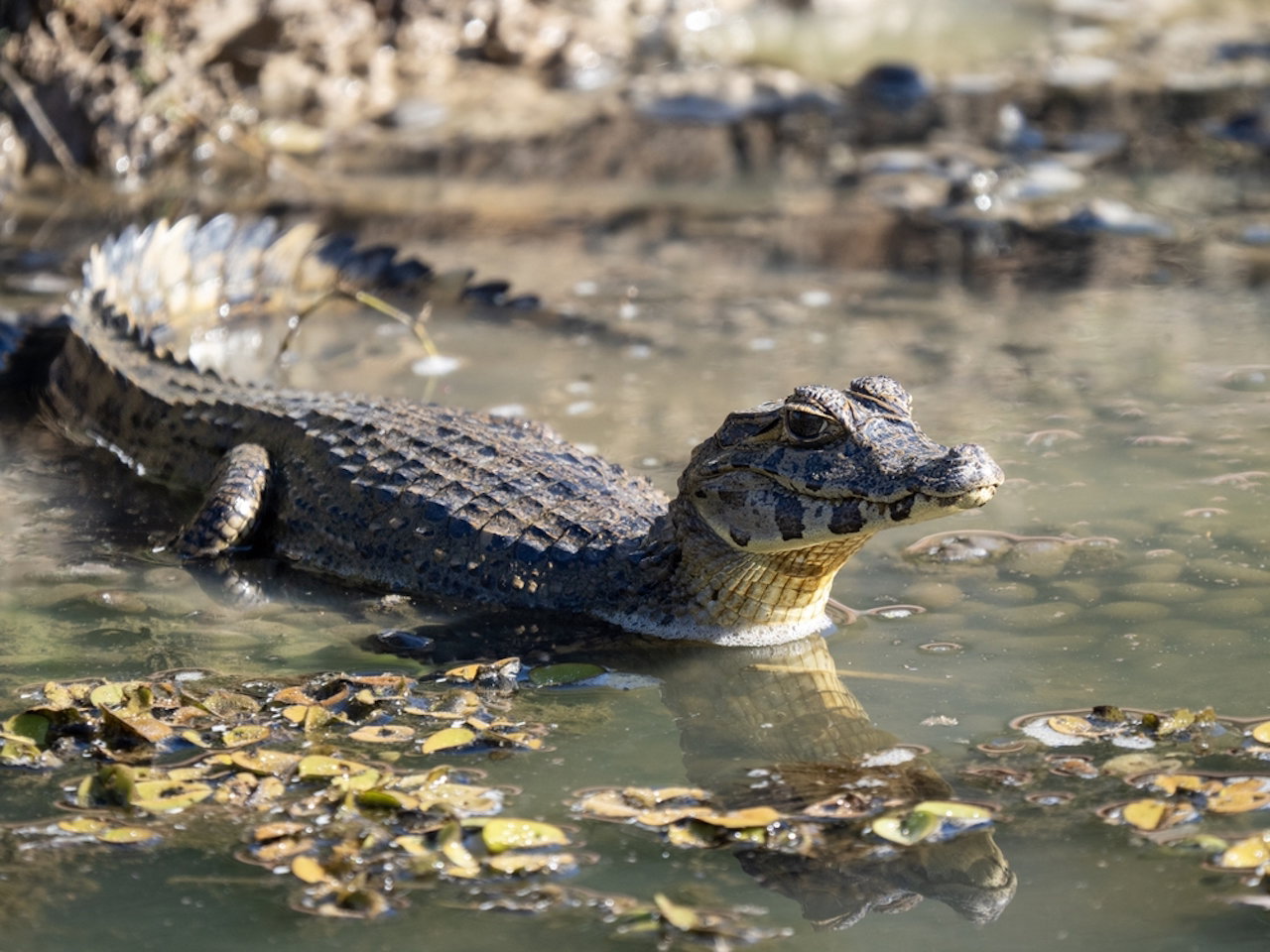
Young alligator found during police raid
Credit: Shutterstock, Vladislav T. Jirousek
Guardia Civil officers carrying out a drug raid in Seville were confronted with something they certainly were not expecting to find inside a private home, a young exotic reptile capable of growing to around 2.5 metres long.
What began as a routine search in the Los Pajaritos neighbourhood quickly took a bizarre turn when officers discovered the animal inside a flat on Calle Pegaso.
Exotic reptile discovered during police raid
The reptile was found by chance as officers searched the property as part of an ongoing investigation into suspected criminal activity.
Authorities have stressed that the operation was not related to the animal itself and the wider investigation remains ongoing, with few details released so far. It is also unclear whether any arrests were made in connection with the raid.
The reptile was immediately placed in the care of the Guardia Civil’s Nature Protection Service, Seprona.
Measuring around half a metre long, the animal was initially believed to be a crocodile. However, specialists at Mundo Park later confirmed it was in fact a young spectacled caiman, Caiman crocodilus, a species native to Central and South America that can grow to around 2.5 metres in length.
Illegal ownership of exotic animals in Spain
It remains unclear how the residents came into possession of the caiman or how long it had been kept inside the Seville property.
Spanish law restricts the private ownership of certain exotic animals without the appropriate authorisations. Once officers realised the species involved, the relevant protocol was activated and Seprona assumed responsibility for the animal while enquiries into its origin continue.
Authorities have not ruled out further investigations into its possession.
Spain has faced similar cases before, with exotic caimans discovered far from their natural habitat, raising questions over how many may be living in the country under the radar.
Mundo Park gives rescued caiman a new home
The young caiman has since been relocated to Mundo Park in Guillena, an authorised zoo with experienced staff and facilities designed to care for exotic reptiles.
Zoo staff confirmed the animal is in good condition and clarified that it is a spectacled caiman rather than a crocodile, correcting initial reports following the raid.
The park is equipped to provide the specialist care, diet and habitat the young reptile will need as it continues to grow.
For the unexpected resident of the Seville flat, life has now taken another unusual turn, swapping a private home discovered during a police raid for specialist care at Mundo Park.
The zoo has since released a video introducing its newest reptile resident and showing off the unlikely star of one of Seville’s more bizarre police discoveries.





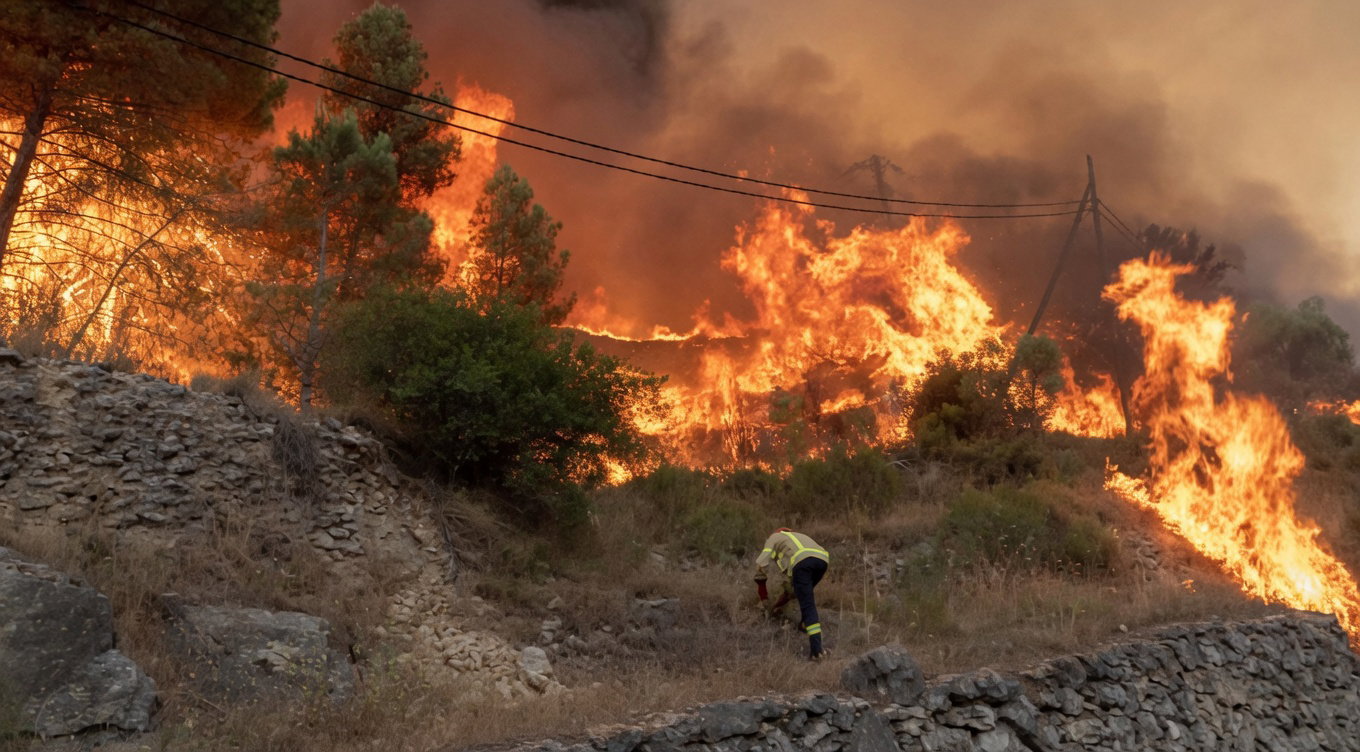
Ground crews are supported by helicopters and fixed-wing aircraft. Photo credit : Bombers on X
Wildfires burning across Cataluña have become one of Spain’s biggest emergencies of the summer, forcing road closures, halting train services and bringing in military support as firefighters battle multiple active fronts. For anyone travelling through the region, the impact is already being felt.
Major transport routes have been disrupted, authorities are urging people to avoid unnecessary journeys, and emergency crews continue working around the clock as conditions remain critical in several areas. While firefighters have stabilised the large wildfire in Anoia, another blaze at Sentmenat continues to demand significant resources, prompting the deployment of Spain’s Military Emergency Unit (UME) to reinforce local crews.
Military support joins the fight
Cataluña’s firefighters have spent days battling several wildfires burning across the region, with changing weather conditions making the operation particularly difficult. The situation became serious enough for the Unidad Militar de Emergencias (UME) to be deployed alongside Bombers de la Generalitat, adding specialist personnel and equipment to help contain the fires.
The military deployment indicates the sheer scale of the emergency. Firefighters are working across several locations simultaneously, with crews on the ground supported by helicopters and fixed-wing aircraft whenever conditions allow. Emergency services have continued to warn that the combination of dry vegetation, high temperatures and shifting winds means conditions can change quickly, even where progress has already been made.
Anoia stabilised but crews remain on alert
There has been some welcome progress in Anoia, where firefighters have confirmed the wildfire has now been stabilised. However, stabilised does not mean extinguished, it means crews have stopped the fire’s forward spread, allowing them to concentrate on securing the perimeter, cooling hotspots and preventing flare-ups.
Firefighters are expected to remain in the area while conditions continue to be monitored, particularly during the hottest parts of the day when fire behaviour can become more unpredictable. Authorities have asked residents and visitors to respect any remaining restrictions while emergency operations continue.
Sentmenat remains the biggest concern
Attention has now shifted towards Sentmenat, where firefighters continue working intensively to contain another active wildfire. Crews remain on the ground alongside aerial support as they try to prevent further spread, with emergency services describing conditions as particularly demanding.
Changing winds continue to complicate operations, while dry woodland and vegetation provide ideal conditions for fires to spread if not brought under control quickly. Firefighters remain hopeful that continued work throughout the day will improve the situation, but officials have stressed that the emergency is far from over.
🔴 ACTUALITZACIÓ (21.00 h): aquest incendi iniciat al terme municipal de Carme (Anoia) afecta una superfície aproximada de 400 hectàrees, segons dades provisionals d’#AgentsRurals.
#IFAnoia https://t.co/oyVNn8pCg3 pic.twitter.com/m4FwSlYxiN
— Agents Rurals (@agentsruralscat) July 6, 2026
Road closures continue to disrupt journeys
The wildfire emergency is affecting far more than the communities closest to the flames. Several roads across affected parts of Barcelona province remain closed while firefighters continue working, forcing drivers onto lengthy diversions and creating delays for commuters, residents and holidaymakers alike.
Police have restricted access around several fire zones to allow emergency vehicles to move safely and to reduce unnecessary traffic in affected areas. Drivers are being urged not to rely entirely on satellite navigation, as closures can change quickly depending on how the fires develop. Before setting off, motorists are being advised to check official traffic updates and allow extra time for their journey.
Rail services also affected
The disruption extends beyond the road network, Rail services on several routes have been suspended or interrupted while emergency crews work close to railway infrastructure and safety inspections are carried out. Passengers have been encouraged to check the latest information before travelling, as delays and cancellations remain possible while firefighting operations continue.
For many people travelling across Cataluña, particularly during the busy summer period, the disruption has complicated journeys that would normally take only a few hours. Transport operators expect services to return progressively once emergency services declare the affected sections safe.
Why travellers should pay attention
Spain experiences wildfires every summer, but several active fires burning at the same time place additional pressure on emergency services and transport networks. A single road closure can quickly affect surrounding routes, while suspended rail services leave passengers searching for alternatives at short notice.
Even travellers staying well away from the fires themselves may encounter delays simply because major transport corridors have been affected. Authorities continue to advise against unnecessary travel into affected areas while crews remain actively tackling the fires.
Check before you leave
With firefighters still working across multiple fronts and military support now assisting the response, disruption is expected to continue while conditions remain difficult. Anyone planning to travel through Cataluña should check official traffic and rail updates before leaving, be prepared for diversions and allow extra time for their journey.
Emergency services remain focused on bringing the remaining fires under control as safely and as quickly as possible. For everyone else, staying informed before setting off may prove just as important as packing the essentials for the journey.

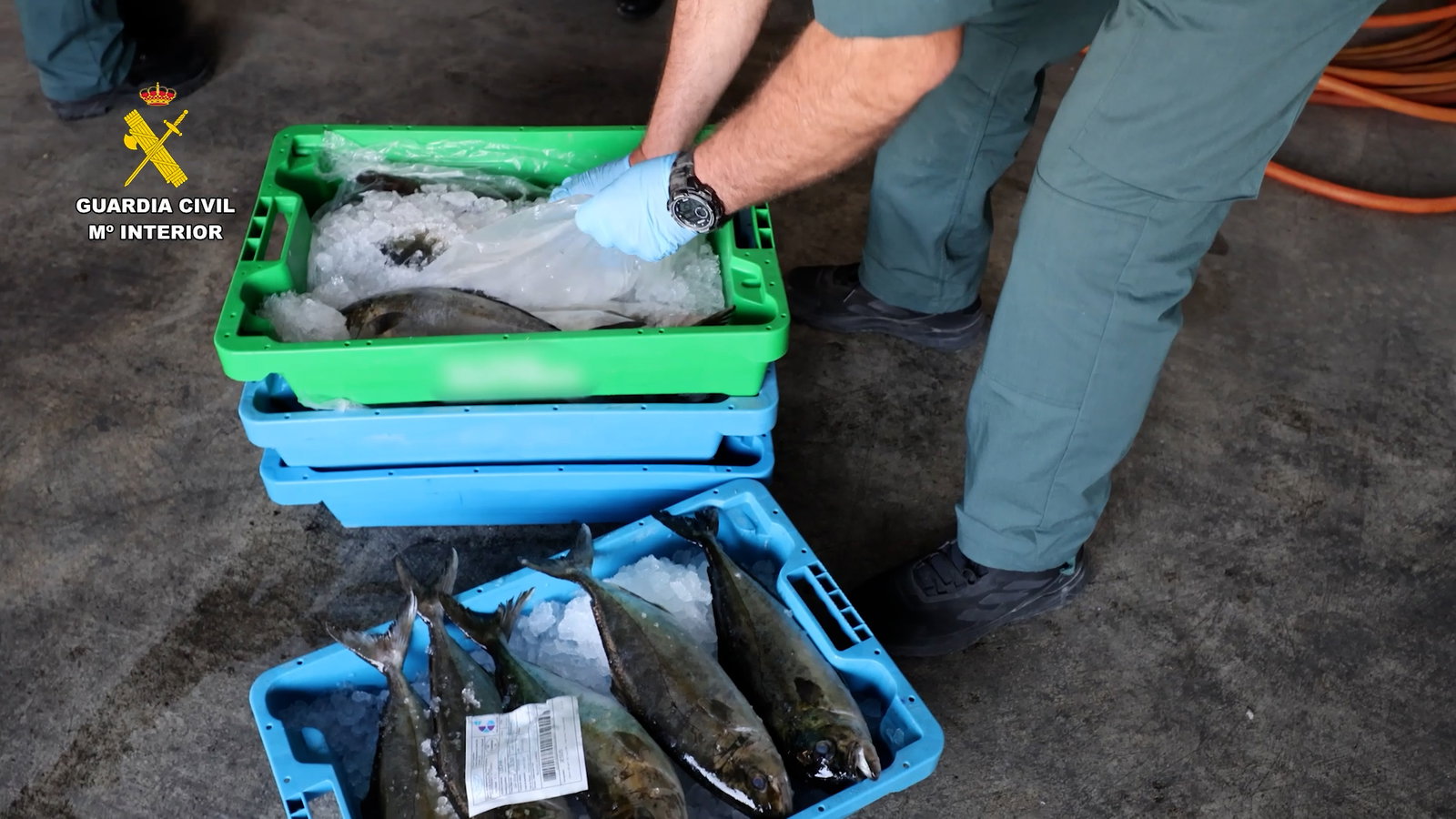
the gap between “in circulation” and “on your plate” is much smaller than most people would assume. Photo credit: Guardia Civil. es
How many times have you bought fish in Spain trusting that it was safe, properly sourced, and exactly what the label says? However, in Alicante that almost didn’t happen after a batch of 227 kilos of stolen fish was intercepted just in time before it could reach shops, restaurants, and potentially dinner tables across the country.
What makes the case particularly concerning is that the fish was not only stolen from aquaculture stock but was also found to contain traces of veterinary medicines, raising serious questions about how far it had already travelled through the supply chain before being stopped.
Just how close did this get to your plate?
The most unsettling part of this case is not where it was found, but where it could have ended up. At the point it was intercepted, the fish was already moving through distribution channels, presented as legitimate stock thanks to falsified documentation. On paper, everything appeared normal. In reality, it was anything but. That is exactly what makes this type of case difficult for consumers to connect with at first.
Nothing looks suspicious at the moment of purchase or handling. It only becomes visible once checks are carried out further along the chain. And by then, the product may already be only one or two steps away from reaching shops, fish counters, or restaurant kitchens. In this case, that final step was prevented. But the gap between “in circulation” and “on your plate” is much smaller than most people would assume.
What was actually inside the fish
Once the inspection took place, investigators found more than just irregular paperwork. The fish had been taken from aquaculture stock and showed traces of veterinary medicine residues. These substances are commonly used in controlled farming environments, but only under strict regulation, including withdrawal periods that must be respected before any product is considered safe for consumption.
The issue here is not simply the presence of treatment, but the lack of verified compliance. Without proper traceability, there is no way of confirming whether those safety steps were followed correctly. That uncertainty is what turns a routine inspection into a serious concern.
Could this have ended up in a restaurant or shop?
That is the question this case raises most directly. Authorities confirmed the batch was intercepted before it was fully traced into retail distribution, but investigations are still working to establish how far it travelled before being stopped.
Seafood supply chains are fast-moving and fragmented, often involving multiple handlers, repackaging points and transport stages. That means a single batch can change hands several times before reaching consumers. If falsified documentation is introduced at any stage, it can allow products to blend into legitimate stock without immediate detection. In other words, everything can look normal right up until the moment it is tested.
How does something like this even enter the system?
Cases like this usually follow a familiar pattern. Stock is removed illegally from controlled environments, then reintroduced into circulation using altered or false documentation. Once paperwork appears valid, the product can move through standard supply routes without raising early suspicion.
From there, it becomes increasingly difficult to separate legitimate goods from irregular ones, especially when products are repackaged or combined with other shipments. This is why detection often relies on inspections rather than routine visibility within the supply chain itself.
The moment it was stopped
The interception in Alicante came after irregularities were identified during checks on the shipment. Further inspection confirmed the inconsistencies, leading to the full removal of the 227 kilo batch from circulation before it could continue any further along the distribution route.
While investigations into the exact movement of the product are still ongoing, what is clear is that it was stopped before reaching consumers. That timing is what ultimately prevented it from entering the final stages of sale.
Why this matters more than the numbers suggest
On the surface, 227 kilos may not sound significant in the context of Spain’s food distribution system. But the importance of this case is not scale, it is proximity. This was not a distant problem caught at source. It was already inside the system, moving forward step by step, close enough that it could realistically have reached everyday meals without consumers ever knowing.
Most people never see what happens between production and purchase. They trust that what reaches the shelf has already been properly checked along the way. Cases like this show how much depends on those checks happening at exactly the right moment.
how close things can get
What this case ultimately shows us is how narrow the margin can be between safe supply and something that should never reach the public. The system worked in this instance, and the batch was removed before reaching consumers. But it also exposed how easily irregular products can move through complex supply chains when documentation appears correct on the surface. And that is the part that stays with most people. Not just that it was intercepted in Alicante, but how close it came to being something entirely ordinary on someone’s dinner table.
Drug raid in Spain takes bizarre turn as Guardia Civil discover exotic reptile
Haitam case in Torremolinos reopens after family appeal succeeds in Malaga court
Spain travel chaos as Cataluña wildfires close major roads and suspend trains

Red Bull set for radical new design in desperate bid to keep Max Verstappen

F1 Qualifying Results: 2026 Austrian Grand Prix times and grid positions
Mallorca solar eclipse 2026: Best viewing areas and what to know


-
 Uncategorized2 weeks ago
Red Bull set for radical new design in desperate bid to keep Max Verstappen
-
 Uncategorized1 week ago
F1 Qualifying Results: 2026 Austrian Grand Prix times and grid positions
-
best places to view the solar eclipse in mallorca2 weeks ago
Mallorca solar eclipse 2026: Best viewing areas and what to know
-
Latest2 weeks ago
CONFIRMED: Spain Breaks June Heat Record
-
DGT2 weeks ago
Spain’s traffic warning for summer 2026: These are the weekends the DGT says you should avoid
-
 %2 weeks ago
Spain’s Heat Reaches Highest Level In 76 Years
-

 %2 weeks ago
Fire Forces Evacuation Of Madrid Skyscraper As Search Continues For Missing Workers
-
Latest1 week ago
EU Worries Jet Fuel Supply Situation To Worsen