
European News
Europe’s new EES machines thrown into meltdown by identical twins

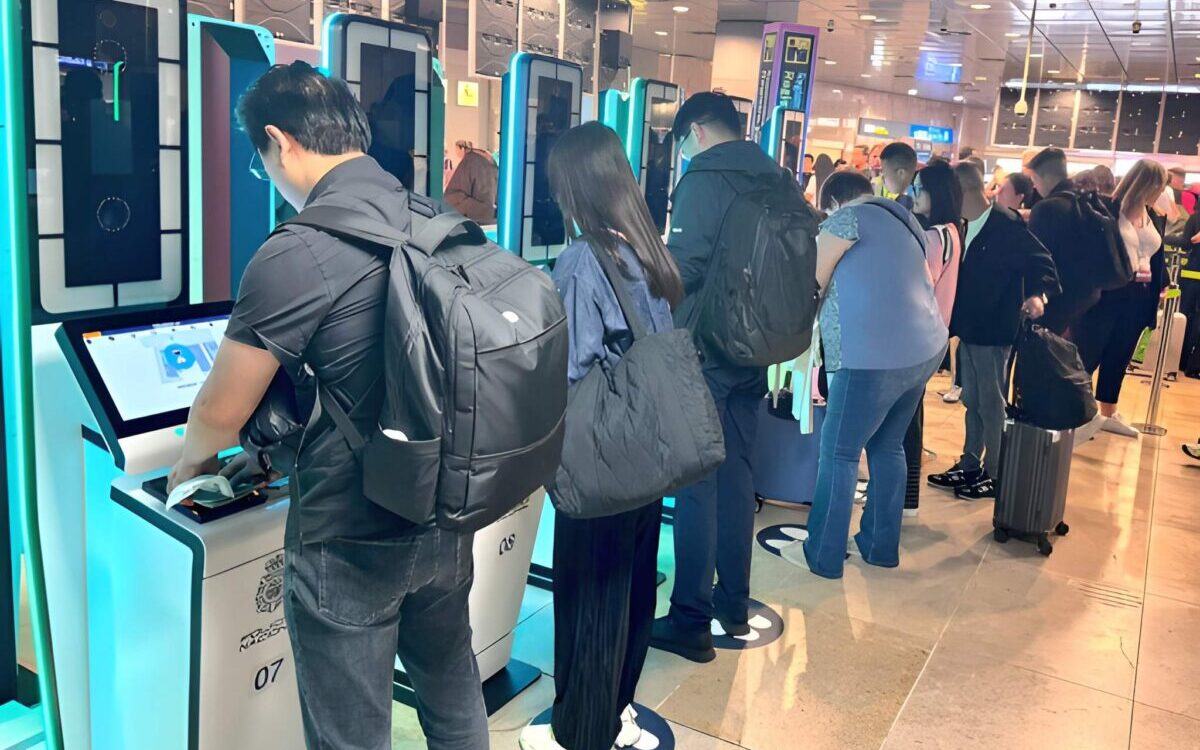
A British woman recently got grilled by Romanian border police after the new EES system flagged her as an overstayer, beyond her allowed 3 months as a non-EU citizen. Her twin sister had popped into Amsterdam weeks earlier, but the facial scans mixed them up completely, sending the automated system into somewhat of a meltdown.
Twins cause more headaches for EU border tech
The Entry-Exit System which went live in April after years of delays, was planned as a way to ditch paper passport stamps for biometric checks across Schengen. Yet it really struggles when identical twins show up. One Brit employee at publisher Politico nearly missed her flight from Cluj-Napoca after officials claimed she had not left properly. She had never set foot in Romania or Amsterdam that trip. Her sister had.
Staff quizzed her for 15 minutes and even accused her of having lent out her passport. Different fingerprints and first names should have sorted it, but the kit leaned hard on matching faces, dates of birth and surnames. Experts reckon early glitches at Amsterdam check-ins plus sloppy Romanian procedures caused the cock-up. Romanian police later admitted staff had not followed rules and promised extra training. A lack of adequate training has been a reoccurring theme ever since the new system was rolled out.
Campaigners fear bigger trouble for twin families
Twins Trust campaigns head Victoria Morrell knows the pain all too well. Her two sets of identical boys get mixed up by facial recognition at airports, school dinners and even phone unlocks. She dreads full rollout because cameras cannot tell them apart like humans do. Spokesman Rafi Cooper urges tech bosses to treat twins as individuals, not one person. Many parents report the same hassle on social media.
Technical hitches plaguing EES so far
The problems with the new EES machines have been numerous, causing passengers to miss flights and lose money:
- Queues stretching one to five hours at peak times, way over the promised 70 seconds per person.
- Facial recognition and fingerprint failures that force manual overrides or false flags.
- Machines breaking down or glitching right after launch, with some airports falling back on paper entry.
- Botched data records leaving travellers wrongly labelled as overstayers.
- Kiosks and apps failing in most countries, pushing everyone into staffed lanes.
- Staff cutting corners by checking faces alone instead of full passport and fingerprint matches.
- Overloaded systems leading to temporary halts on biometrics at busy spots.
UK passengers face extra pain this summer
Brexit means Brits cop the full EES rules unlike most of their EU neighbours. Queues at St Pancras and the Channel Tunnel have already hit hard. Transport Secretary Heidi Alexander has raised concerns with EU officials. Von der Leyen has admitted the whole setup still needs plenty of work with member states. Frontex expects teething troubles to drag on for up to two years.
Travellers should allow extra time and check airport updates before flying. The system wants tighter border control, but right now identical twins and tech gremlins keep causing chaos.







beach booking
Some of Europe’s best beaches now need a booking and turning up early might not be enough
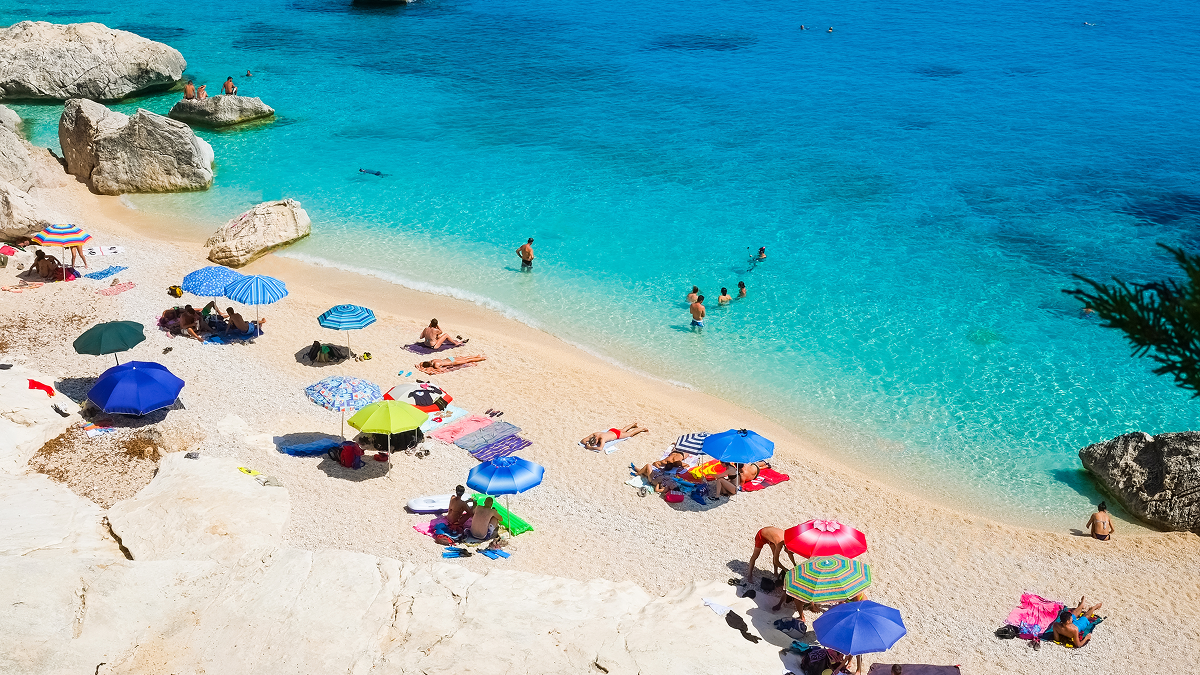
Cala Goloritzé limits access to 250 visitors at a time. Credit: Elisa Locci / Shutterstock
Several of Europe’s most photographed beaches now require a permit, a parking plan or an online booking before anyone even sets foot on the sand. From Sardinia’s controlled coves to Spain’s island quotas and closed roads, here is what the systems actually involve and how to avoid arriving at a beach that has already turned people away.
Why Sardinia’s most famous beach now needs a booking
There was a time when a beach day in Spain meant grabbing a towel, checking the weather and heading out. That still works in most places. But at a growing number of famous coves and protected coastlines across Europe, turning up with nothing planned is no longer enough, and in some cases, it means being turned away.
La Pelosa in Sardinia is the example being shared widely this summer, and for good reason. Between May 15 and October 15, access is limited to 1,500 people per day, with a €3.50 charge for visitors aged 12 and over. Turning up without a booking will not work.
What catches people out is how the places are released. Only 500 spots can be reserved well in advance and, when checked this week, those were already sold out until mid-September. The remaining 1,000 places become available at 9am, two days before the visit date. That still gives last-minute holidaymakers a chance, but it means checking a phone at 9am on a Spanish holiday, not sleeping in.
A QR code is required for entry, and the official booking site warns that unauthorised pages are also selling far more expensive packages. The genuine platform is the only one that matters.
Other Sardinian coves with their own systems
Sardinia has several controlled beaches, each with slightly different rules. Cala Goloritzé allows just 250 people at any one time between late March and mid-November. The €7 ticket opens three days ahead at midnight through the Heart of Sardinia official page. The cove itself involves a 3.6-kilometre trail and a 500-metre climb on the way back. Closed footwear with good grip is compulsory, and boats are not permitted to land.
Cala Brandinchi and Lu Impostu open bookings two days ahead, with most adults paying €2. Tuerredda allows 1,100 visitors at €3 each, while Su Sirboni caps entry at 786 people with a €3 ticket.
Spain’s beaches are not behind on this
Spain already has its own version of the same approach, though the systems look slightly different. At Playa de las Catedrales in Galicia, a free authorisation is required during Easter and from July 1 to September 30. It is not a paid system, but anyone arriving without the permit will be denied entry.
The Cíes Islands, including the famous Rodas beach, operate a similar model. Daily visitor numbers are limited to roughly 1,600 to 1,800 between mid-May and mid-September. The free authorisation from the Xunta de Galicia must be obtained before buying a ferry ticket. It generates a provisional code valid for two hours, enough time to purchase the crossing from an authorised ferry operator. The final permit must be carried on the day.
It sounds bureaucratic, but the purpose is more straightforward. The islands are protected, and the system prevents the kind of overcrowding that damages the environment everyone has travelled to see.
When the problem is not the beach but the car park
On the Costa Blanca, Xàbia’s Granadella and Portitxol-Barraca coves have taken a different approach. Beach access remains free but parking is not. Between June 2 and September 6, parking costs a hefty €9 per vehicle from 9am to 7pm.
This is where the system becomes a bit more of a practical challenge. Granadella has 130 regulated parking spaces. Portitxol has just 59. Neither can be reserved. When the car parks are full, barriers close the access roads. Arriving early helps, but it does not guarantee that a car will get through.
A €6 return tourist train runs to Granadella from July 3 to September 13, offering an alternative for anyone who cannot, or does not want to, fight for a parking space. Murcia’s Calblanque Regional Park operates a similar model, restricting private vehicles and running €3 return beach buses through the end of August.
What this actually means for a beach day
Spain’s national Coast Law is clear that ordinary use of the shoreline should be free, public and without charge. Paying to park, obtaining an island permit or entering a protected area is not the same as privatising a beach. There is no evidence of a national plan to make Spain’s beaches bookable. But what these systems show is how smaller, fragile coves are managing the reality of mass summer tourism, sometimes with a permit, sometimes with a car park cap and others by simply closing the road when the spaces run out.
The same pattern is visible in France. Sugiton and Pierres Tombées in Marseille’s Calanques National Park require free reservations daily from June 27 to August 30. Bookings open three days ahead, and visitors are advised to save the permit offline as mobile coverage in the park is limited.
A simple checklist to bare in mind before setting off
Most beaches across Spain and the wider Mediterranean remain freely accessible. Nothing has changed for the vast majority of coastline. But for the relatively small number of famous coves, islands and protected sites, a beach day should start with a quick online check.
Before packing the car, it’s worth looking up the relevant council, regional government or national park website just in case and downloading any permits needed in advance. Unofficial booking pages should be avoided, particularly where authorities have identified a single authorised platform.
A few minutes of preparation can be the difference between a day on the sand and a long drive home with nothing but a closed barrier to show for it.
California to eliminate expiration dates
Could Spain scrap food expiry labels? The supermarket change that could save tonnes of food
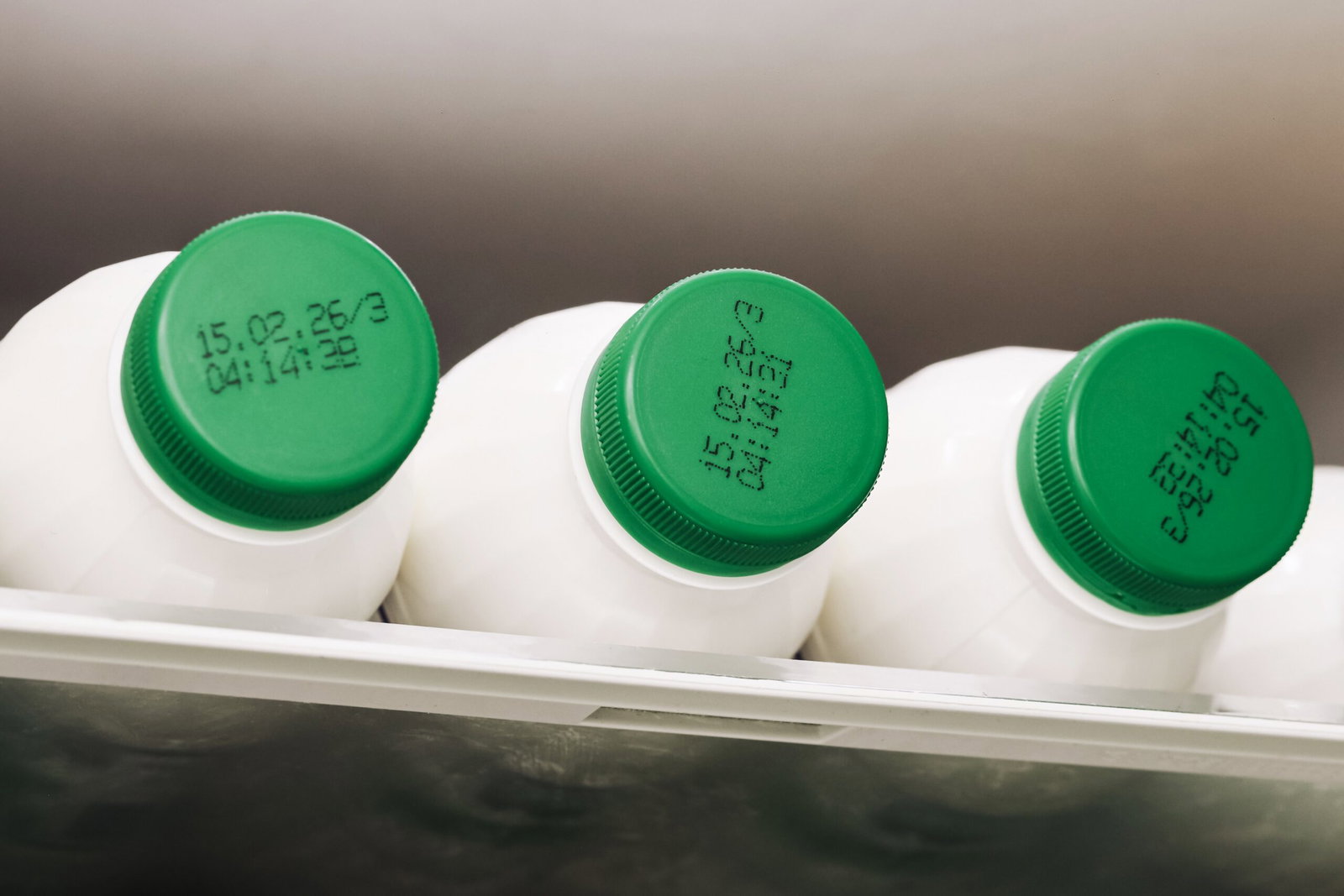
Spain has made tackling food waste a political priority. Photo credit: Pawel Michalowski/Shutterstock
Would you eat a yoghurt a day after its “best before” date? What about a packet of pasta that’s been sitting in the cupboard for a month beyond the date printed on the packet? For millions of people across Europe, the answer is a firm no. Every year, vast amounts of perfectly edible food end up in the bin because shoppers simply don’t trust the labels on the packaging.
Now, a bold move in the United States has reignited a debate that could eventually reach Europe. Could simplifying food expiry labels help slash food waste, save households money and even reduce carbon emissions? With food prices still putting pressure on family budgets across Spain and the rest of Europe, it’s a question that’s becoming harder to ignore.
Why food expiry labels confuse so many shoppers
For decades, supermarkets have used a mixture of phrases including “best before”, “use by” and, in some countries, “sell by”. While they may seem interchangeable, they mean very different things. A “use by” date is about food safety. It applies to highly perishable foods such as fresh meat, fish and ready meals that should not be eaten after the stated date because harmful bacteria can develop.
A “best before” date is completely different. It refers to quality rather than safety. In many cases, the food remains perfectly safe to eat after that date if it has been stored correctly, although its flavour, texture or appearance may not be quite as good. Despite years of public information campaigns, confusion remains widespread. Many consumers continue to throw away food the moment the date passes, regardless of whether it’s still perfectly edible.
Could Europe follow with simpler food expiry labels?
The debate has gathered fresh momentum after California became the first US state to standardise food date labels, replacing multiple phrases with just two clear terms: “Best if Used By” for quality and “Use By“ for food safety. Supporters believe the simpler wording will help shoppers understand the difference at a glance, reducing unnecessary waste while making food safety advice clearer. Could Europe eventually do the same?
The European Union already regulates food date labelling, requiring foods to carry either a “best before” or “use by” date depending on the product. However, consumer organisations have long argued that many shoppers still misunderstand the labels, leading to millions of tonnes of edible food being discarded every year. Any changes would have to be agreed at EU level, but with governments under increasing pressure to tackle food waste and reduce emissions, the conversation is unlikely to disappear any time soon.
Spain is already trying to cut food waste
Spain has made tackling food waste a political priority, the country’s Law on the Prevention of Food Loss and Waste aims to reduce waste throughout the food chain by encouraging supermarkets, restaurants and food businesses to donate surplus food and improve how edible products are managed instead of sending them to landfill.
Yet households remain one of the biggest sources of food waste, according to the European Commission, around 59 million tonnes of food waste are generated across the European Union every year, with households responsible for more than half of it. Besides wasting food, it also squanders the water, energy and resources used to produce, transport and package it. With grocery bills remaining high, every unnecessary item thrown away is money that families simply can’t afford to lose.
Which foods are often still safe to eat?
Understanding food expiry labels could make a significant difference to both household budgets and food waste. Foods carrying a “use by” date should never be eaten after that date because of the potential health risk. However, many foods labelled “best before” remain perfectly safe long afterwards if they’ve been stored correctly and the packaging hasn’t been damaged.
Products such as dried pasta, rice, biscuits, cereals, coffee, chocolate and canned foods can often be consumed well beyond their best-before date. Even some hard cheeses and unopened yoghurts may still be safe after careful inspection, although consumers should always use common sense and never eat food that smells, tastes or looks unusual. Knowing the difference between quality and safety could prevent countless products from ending up in the rubbish unnecessarily.
A simple change that could have a big impact
Changing food expiry labels won’t solve Europe’s food waste problem overnight. But supporters argue it could be one of the simplest and cheapest ways to help consumers make better decisions, reduce the amount of edible food thrown away and save households money at a time when every euro counts.
California has taken the first step, but the debate now stretches far beyond one US state. As Europe looks for new ways to cut waste, lower emissions and make life more affordable for consumers, one question is becoming increasingly difficult to ignore: if clearer food expiry labels can help keep millions of tonnes of food out of the bin, should Brussels be the next to act?



Brit Tourist Arrested At Gran Canaria Airport For Not Paying Bill

Carlos Sainz hits back at Kimi Antonelli over
Tough life of a football player: Peterborough United FC chooses Almuñecar for pre-season training


-

 New Developments2 weeks ago
How To Get A Tourist Rental Licence In Andalusia (Spain) – Step-By-Step Guide 2025
-

 New Developments1 week ago
Luxury Villas For Sale, Estepona – ProjectL1
-

 New Developments6 days ago
Stylish 3-Bedroom Apartment With Panoramic Sea Views – Benalmádena
-
Cataluña wildfire2 weeks ago
Spain travel chaos as Cataluña wildfires close major roads and suspend trains
-
 Dutch demand2 weeks ago
Dutch Demand For Spanish Property Keeps Rising As Others Cool
-
contact lenses2 weeks ago
Heading To The Beach This Summer? Here’s Why You Should Never Take A Dip In The Sea While Wearing Contact Lenses
-
Cheap food options1 week ago
Public supermarkets could be coming to Spain. Could they make food cheaper?
-
BEM2 weeks ago
Spanish mayor honoured with BEM for British plane crash remembrance work