
Costa del Sol
Fuengirola starts €49m Los Boliches megapark as demolition begins

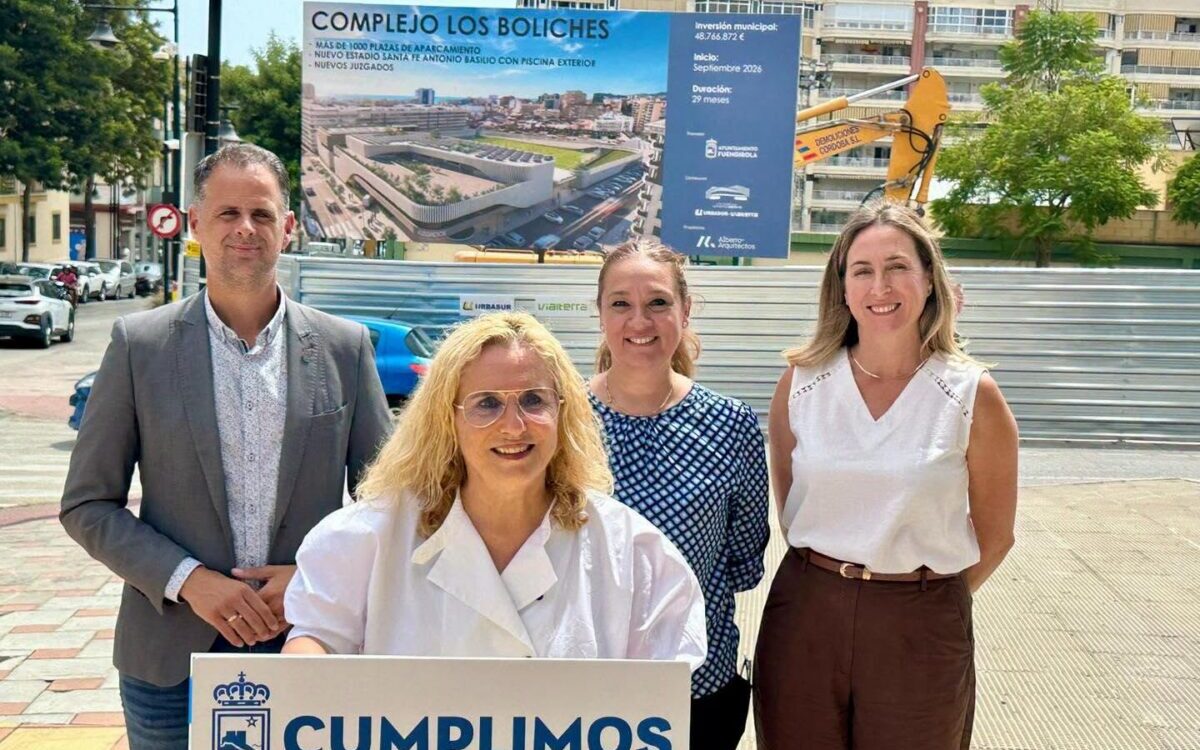
Demolition crews have moved onto the old Santa Fe-Antonio Basilio site in Los Boliches, opening Fuengirola’s costliest public works job to date. The Town Hall has budgeted over €48 thousand for a three-storey underground car park, a rebuilt sports ground and a new courthouse on the same plot.
Mayor Ana Mula made an appearance with various councillors to watch the first walls come down. She told local residents she had promised parking, a proper stadium and an end to cramped courtrooms scattered around town. “Today we start this job by knocking down what is here now,” she said.
1,070 spaces planned under Los Boliches
Three basement levels will take 1,070 cars once the concrete is poured. The site area will grow from just over 13,000 square metres to about 14,500 by taking in part of Calle Francisco Rivera Paquirri. A joint venture between Vialterra Infraestructuras and Urbasur Actividades y Servicios won the contract after shaving both price and timetable. Technical drawings have three months; building work then runs 29 months.
Contractors offered an extra: open the car park to the public as soon as those floors are ready, even if the stadium and courts are still a building site. That should take pressure off Los Boliches streets, where finding a space has long been a summer headache. Official details are on the Fuengirola town hall site.
New pitch, pavilions and a rooftop pool
A football pitch will be turned 90 degrees. Covered hockey and volleyball halls get a rebuild, plus a third multi-use sports hall. Stands, changing rooms, stores, a cafe, a first-aid room, a classroom, and public loos all go in. The roof of the block carries a 312.5-square-metre outdoor pool for a splashing around, not for competition.
Courts get their own door
More than 7,000 square metres of courtroom space will pull together services now spread across several buildings. Access sits apart from the sports side after the deal signed with Andalucia’s Justice department. The Junta says that on that agreement are here. Mula called it Fuengirola’s biggest spend, paid for by residents’ taxes and “Modelo Fuengirola” bookkeeping. Train upgrades on the Malaga–Fuengirola line are another piece of the same mobility picture.



Alhaurin El Grande
Costa del Sol horse lovers can meet rescued foals at ARCH open morning this Sunday

Horse lovers and animal fans have a lovely Sunday morning ahead, with ARCH welcoming visitors back to its Alhaurin el Grande rescue centre this weekend after the sweltering summer.
The Andalusian Rescue Centre for Horses is restarting its popular monthly open mornings after the summer break, with the first one taking place on Sunday, September 6, from 10am until 2pm. Visitors will have the chance to meet the horses and donkeys cared for by the charity, as well as the volunteers who look after them.
Meet the ARCH horses and donkeys
Plenty of cuddles and grooming are on the cards, with ARCH saying its rescued horses and donkeys enjoy the attention from visitors.
September’s opening could be particularly special for regular visitors, as the centre’s foals have had the whole summer to grow. Anyone who last saw them during an earlier open morning will be able to see just how much they have changed over the past couple of months.
Visitors can also chat to ARCH volunteers and find out more about the work involved in caring for rescued horses, ponies and donkeys.
ARCH opens after its summer break
Monthly open mornings give people an opportunity to visit the rescue centre, meet some of its residents and see the work carried out by the charity at first hand. No previous experience with horses is needed to enjoy the morning, although anyone hoping to enter the paddocks should come prepared.
ARCH has issued one particularly important piece of advice for Sunday’s visitors: don’t wear flip-flops! Proper footwear is needed for anyone wanting to go into the paddocks, so beach shoes are best left at home.
The rescue centre is at Viña Borrego on the A404 in Alhaurin el Grande, behind Miralmonte.
With the summer break now over, Sunday provides a chance to get back into the monthly routine of meeting ARCH’s rescued animals, and perhaps discover that those tiny foals are not quite so tiny any more.
ARCH Open Morning
- Sunday, September 6
- 10am-2pm
- Viña Borrego, A404, Alhaurin el Grande
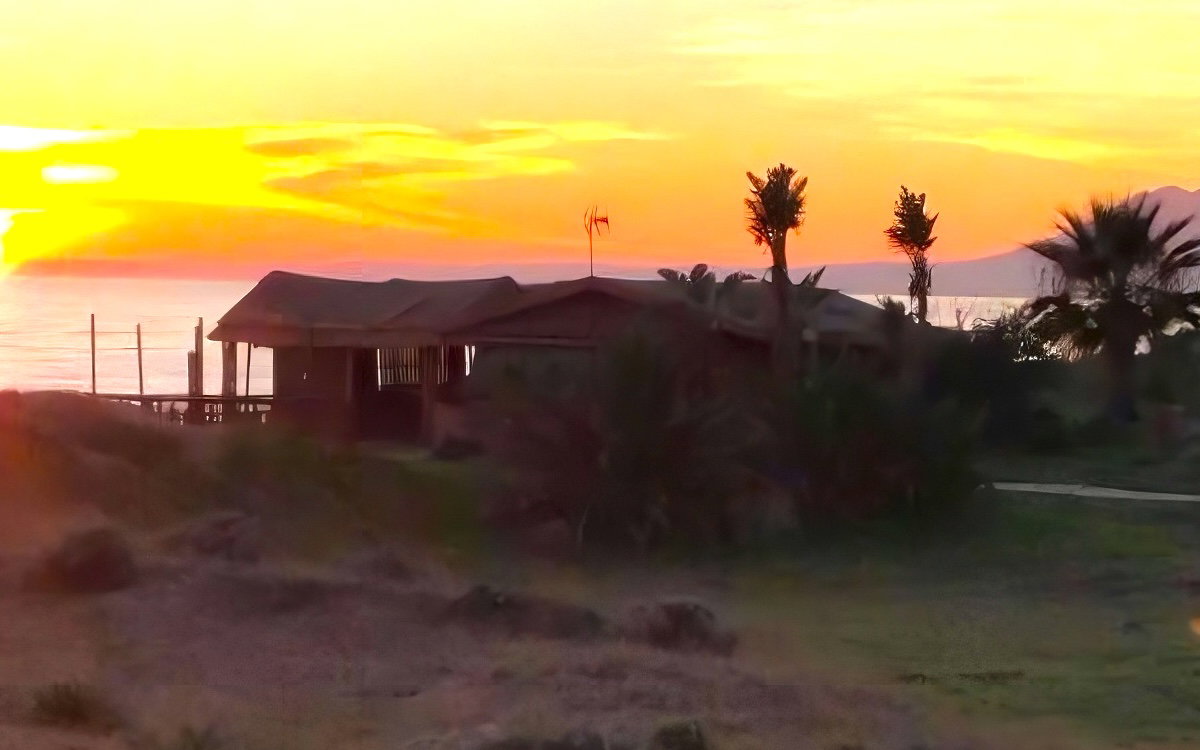
Marbella mayor Angeles Munoz has put a new chiringuito on Real de Zaragoza beach out to contract. Billed as a reboot of the old Ranchon Cubano a short hop north of the last site, by the path that runs between the dunes and the Residencia de Tiempo Libre.
Council paperwork describe a food-and-drink kiosk on public coastal land. Junta de Andalucia first authorised Ranchon Cubano here in 2017. That bar shut last year. Officials now want a replacement about 200 metres further north.
What the bid documents say
Plans talk of some 180 square metres on one floor: dining room, kitchen, bar, store, terrace and toilets. Project writers argue this patch of dune is already “very degraded”, with two tarmac tracks for cars, several beach paths, and almost no true dune plants. “If anything grows, it is thistles”, they say.
Opening terms run seven years at a yearly fee of €52,000: €44,000 for the fixed restaurant and €8,000 for the seasonal terrace. Documents seen by local media allow a later extension that could take the deal to 15 years, running to 2047. Operators expect to spend €325,000 on the build once they win the contract. After awarding, builders would get a year to start work and nine months to finish.
This stretch already hosts newer venues. Sabine Beach opened this spring on the old Aqui Te Quiero Ver plot. Marbella’s San Juan beach rules also name Real de Zaragoza among the spots where bonfires and chiringuitos must follow tight conditions.
Greens file an appeal
Ecologistas Malaka have lodged a legal complaint asking the council to scrap the specification and freeze the award until dune protection is locked in. They want a proper environmental study, fewer plastics, renewable power, noise limits, wildlife safeguards, dune repair, and the bar sited outside the reserve.
There has also been flagging of potential harm to chameleons, protected birds and dune habitats from erosion, light and noise. Spain’s official beach listing for Real de Zaragoza notes the 1,700-metre strand and its services; campaigners say that is not the same as building inside a reserve created in 2015.
Whether Ranchon Cubano returns in 2027 or later now hangs on that appeal as much as on the tender price.
Bad driving
Malaga officially ranked Spain’s worst city to drive in as licence points vanish faster than anywhere else
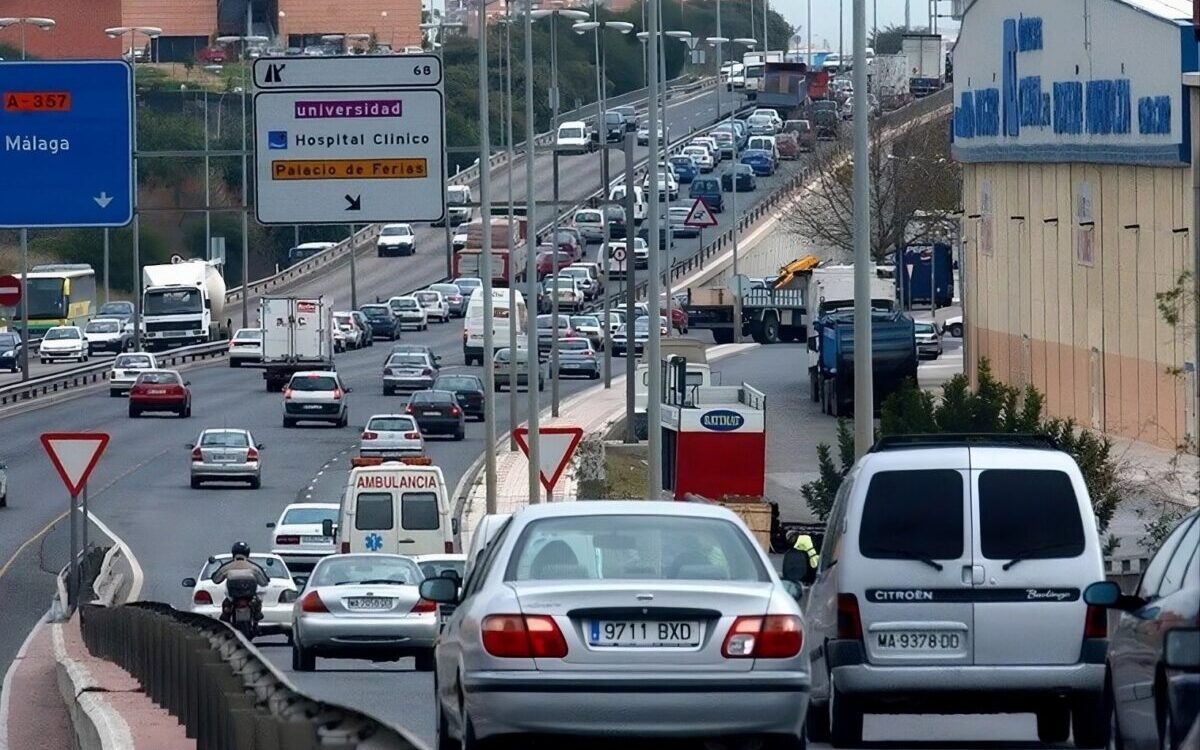
Malaga has been labelled the Spanish city with the most problems behind the wheel after a Carwow ranking of 50 cities put it dead last on 30.92 out of 100. Researchers used official DGT and INE statistics, measuring crashes, licence points taken off and traffic offences per 100,000 drivers, then turned those rates into a safety score. Madrid and Barcelona usually take the blame in pub chat. This league table says otherwise.
Crash rate and vanished licence points drag Malaga down
Official figures credited to Malaga record 505 accidents per 100,000 drivers, the highest crash rate in the comparison in Spain. Points stripped from licences reached 43,533 per 100,000 drivers, well above every other city on the list, while offences ran at 4,197 per 100,000. Carwow argues tourist cities and large urban areas often carry heavier daily traffic, more short trips and tighter streets, which can push those numbers up. Costa del Sol regulars will recognise the squeeze on routes such as the A-7, already flagged in EWN coverage of Malaga’s most dangerous motorway stretches and the A-7 bottleneck.
Barcelona, Lleida, Girona and Madrid fare little better
Barcelona came 49th with 33.63 after 564 accidents, 8,965 points deducted and 18,786 offences per 100,000 drivers. Lleida sat 48th on 36.33 and logged the most crashes of all, 576 per 100,000. Girona followed in 47th with 46.93. Burgos landed 46th on 47.39, with 35,410 offences per 100,000 drivers. Madrid took 45th on 49.89. Malaga capital roads actually produced one of the lower big-city crash rates, 368 per 100,000, but red-light-jumping tickets and other fines pulled the score down. Anyone facing a notice can check how Spain’s points system and speeding fines work.
Leon leads while public opinion still backs Madrid
Leon topped the ranking with 97.44 after recording only 139 accidents per 100,000 drivers, the lowest in Spain. Cordoba scored 93.14 and Lugo 91.46, both with modest crash and penalty rates. A Carwow poll of 1,563 drivers found many Spaniards still think Madrid is the safest place to drive, even though the official numbers put it near the bottom. Perception and paperwork are not the same thing. A separate 2025 insurance study covered by EWN also placed Malaga among the more accident-prone provinces, though that work used different measures.
Malaga may have come out of the survey looking bad nationally for slack driving, but at least they didn’t try driving around Marbella!

Mercadona Brings In New Closing Time As Summer Hours End
Costa del Sol horse lovers can meet rescued foals at ARCH open morning this Sunday
Marbella puts Ranchon Cubano back on the beach: Eco campaigners want it stopped


-

 Uncategorized2 weeks ago
How Kimi Antonelli saved Red Bull as Max Verstappen signs blockbuster F1 deal
-
Latest1 week ago
Six EU Countries Urge Windfall Tax On Energy Firms
-

 BCE2 weeks ago
Los Precios De La Energía En Europa Volvieron A Escalar Por Encima Del 10% En Julio
-
bullfighting2 weeks ago
Ronda’s September Feria returns with bulls back in the ring after two years away
-
 Housing politics2 weeks ago
Barcelona Rent Controls: Rents Rise While Rental Opportunities Remain Scarce
-

 benefits ban2 weeks ago
EXPLAINER: Which Benefits Could Brits Living In Spain Lose Access To Under Reform’s EU Welfare Ban – And Would It Include Pensions?
-

 %2 weeks ago
EasyJet Abandons Major UK Airport Completely, Málaga And Mallorca Flights Among Routes Lost
-
costa blanca live music2 weeks ago
Rolling Stones tribute brings legendary rock hits to Orihuela Costa this August