, food prices in the country have continued to rise over the past year. Photo credit: Guillem de Balanzo/Shutterstock
If you have noticed your supermarket bill going up even though you are buying the same things, you are not imagining it. Basic food items in Spain have risen again over the past year and it is showing most clearly in the weekly shop.
Eggs, coffee, vegetables and other everyday essentials are all more expensive than they were a year ago. None of it feels dramatic on its own, but it builds up quickly. A few cents extra on several products becomes several euros more at the till without you really changing anything.
According to Spain’s National Statistics Institute (INE), food prices in the country have continued to rise over the past year, with categories such as eggs, coffee and fresh vegetables among those recording the strongest increases in the consumer price index. That is what most people are noticing. Not one big jump, just steady increases across normal shopping baskets.
Eggs, coffee and vegetables are driving most of the increase
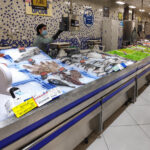
Eggs are one of the clearest examples of recent price rises. Coffee has followed a similar pattern, moving up again after already expensive periods in previous years. Fresh vegetables have also increased, partly because supply changes with seasons and weather conditions.
Even supermarkets own brand products, which many people rely on to keep costs down, have not stayed stable. They have moved up alongside branded items, which means switching brands does not always reduce the total anymore.
The impact is most obvious because these are not occasional purchases. They are part of almost every weekly shop. Milk, bread, fruit, pasta, oil and vegetables form the base of most households’ spending. When those go up together, it is noticeable straight away.
Why the same items now cost more without obvious changes
There is no single reason behind the increase. It comes from several pressures feeding into the final price. Production costs have risen, transport is more expensive, energy costs have been higher and supply chains have been under strain at different points. When those costs increase, supermarkets eventually pass them on. Even if the rise happens gradually, it still reaches the customer.
What makes it harder to notice in real time is that prices do not move in a straight line. Some weeks nothing changes, then suddenly a few key items jump at once.
Why your receipt keeps changing even when your shopping does not
One of the most frustrating parts is that there is no single moment where prices clearly go up. It happens in small steps. One week eggs are more expensive. A few weeks later vegetables change. Then coffee shifts again. Because it is spread out across different products, it never feels like one clear increase.
Instead, it shows up as a slightly higher total at the end of your shop. If you compare receipts from a year ago, the difference is often there, but it is made up of lots of small changes rather than one big jump. That is why many people feel like their budget is being stretched without really knowing when it started.
What a typical weekly shop looks like now
For a standard basket including milk, eggs, bread, pasta, fruit, vegetables, coffee and cooking basics, the total is usually higher than it was last year even if nothing extra is added. It is not that people are buying more. It is that the same list costs more to complete.
Even small increases across multiple items make a difference over time. A few euros extra each week adds up across a month, especially for households on fixed incomes. This is why food inflation is often felt slowly rather than suddenly.
Why prices are unlikely to drop back quickly
Food prices tend to stay high once they have risen. Even if production or transport costs ease, retail prices do not usually return to previous levels. Supermarkets operate on tight margins and adjust slowly. When costs go up, prices rise. When costs stabilise, prices tend to stay where they are.
That means households often adjust to a new normal rather than seeing prices fall back. It is one of the reasons the weekly shop feels permanently higher once it has changed.
What people actually notice at the supermarket
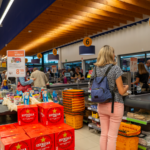
Most shoppers are not tracking inflation data or price charts. They notice something simpler. The same items they always buy now cost more at checkout.
Nothing about the shopping list has changed. The routine is the same. The products are the same. The only difference is the total at the end. And that is what sticks.















 Uncategorized2 weeks ago
 %1 week ago
 Casa Real2 weeks ago