
Keir Starmer
Future of UK retirees: Tony Blair Institute wants triple lock pensions scrapped

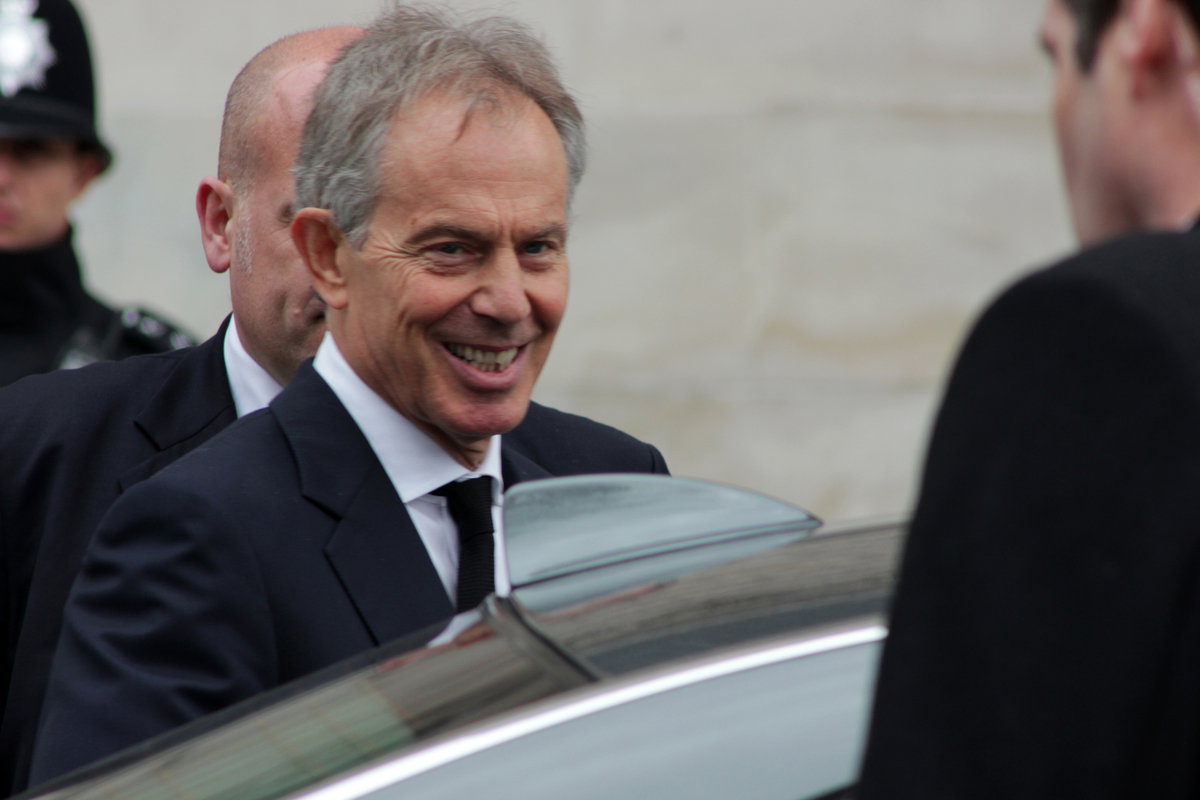
UK pensioners face a period of uncertainty as influential voices call for a dismantling of the current retirement system. Financial pressures from global conflicts and a rapidly ageing population have led the Tony Blair Institute (TBI) to label the state pension “unaffordable” in its current form. Although he has not been in government since 2007, he continues as a lobbyist and indirect advisor.
Keir Starmer has publicly praised Blair as a “great leader” and has consulted him informally on various issues. However, Starmer often keeps a degree of “political distance” from his predecessor to avoid the baggage associated with the Iraq War and to maintain his own distinct political identity.
While the government currently maintains its support for the Triple-Lock policy, the proposed changes represent a radical departure from the security millions of retirees have come to expect.
End of the Triple Lock guarantee?
Triple lock protections currently guarantee that the state pension increases each April by whichever is highest: inflation, average wage growth, or 2.5 per cent. This mechanism has been a lifeline for many during recent price hikes. However, the Tony Blair Institute argues this pledge was “built for a different era” and should be removed after the next general election.
Ending this guarantee would likely mean pension increases are tied solely to smoothed earnings. For those living on fixed incomes, this change carries the risk that their purchasing power will erode during periods of high inflation. Without the 2.5 per cent safety net, the gap between the cost of essentials and the state’s support could widen, leaving many elderly people to face a more precarious financial future.
Introducing the “Lifespan Fund”
Radical reform is being suggested by the Blair Institute in the form of a “Lifespan Fund” to replace the standard state pension by 2030. Rather than receiving a set payment from a certain age, individuals would, under this proposal, build a notional pot through work, study, or caring. This fund would be capped at providing 20 years of support, roughly equivalent to the value of today’s state pension.
Flexibility is the main selling point of this model, as it would allow people to draw down funds early for retraining or periods of unemployment. However, critics warn this creates a “drawdown debt” for later life. Pensioners who used their funds during their working years would have to pay higher National Insurance contributions later to rebuild their pots, potentially delaying their final retirement or reducing their monthly income in old age.
Personalised retirement ages based on health
Linking retirement age to individual health records is the most controversial element of these proposals. Instead of a fixed state pension age, the TBI suggests access to support should be personalised and judged by a civil servant. Former pensions minister Steve Webb has described this prospect as “intrusive” and “deeply troubling”, saying he has massive concerns over data privacy and the complexity of predicting life expectancy.
For future retirees, this could mean that your exit from the workforce is determined by a digital health assessment rather than a clear age milestone. Webb worries that such a “fiendishly complex” system would make it impossible for people to plan their futures with any certainty, turning retirement into a bureaucratic hurdle rather than a hard-earned reward.
Potential impacts on long-term financial security
Total state spending on pensions is projected to rise in the UK from 5 per cent of GDP to 7.8 per cent by 2070, an increase of roughly £85 billion annually. While Blair, who earns a flat £115,000 per year for being an ex-PM, insists change is unavoidable to prevent tax hikes, so the burden of this adjustment falls squarely on the individual.
Industry experts suggest that if the state pension is scaled back, minimum automatic enrolment contributions must rise towards 12 per cent to make sure people do not fall into poverty. For those already in or near retirement, these debates signal that the “gold-standard” era of predictable state support may be drawing to a close.








Donald Trump
Una Nueva Dimisión Por El Caso Del Exministro Británico Mandelson, Vinculado A Epstein, Acorrala A Starmer


Ruedan cabezas en el Gobierno británico, en un desesperado intento por evitar que el caso Mandelson se lleve por delante al primer ministro, Keir Starmer. La noticia, revelada el jueves por el diario The Guardian, de que el Ministerio de Asuntos Exteriores ignoró en enero de 2025 el veto de los servicios de seguridad internos al nombramiento como embajador en Estados Unidos del exministro laborista Peter Mandelson, vinculado al caso Epstein, ha forzado la dimisión en las últimas horas del alto funcionario jefe del departamento, el secretario permanente Olly Robins.
The Guardian publicó en la jornada del jueves la exclusiva de que el Departamento de Escrutinio de Seguridad del Reino Unido (UKSV, en sus siglas en inglés), el organismo independiente que examina exhaustivamente el historial personal de candidatos a un cargo público, había vetado la designación de Mandelson, que aun así siguió adelante.
El histórico político de centroizquierda, fundador junto con Tony Blair y Gordon Brown del exitoso Nuevo Laborismo, ha provocado la crisis más grave del actual Gobierno británico, al revelarse su complicidad con el multimillonario pederasta estadounidense Jeffrey Epstein.
A medida que los documentos revelados por el Departamento de Justicia de Estados Unidos sacaron a la luz los manejos entre Mandelson y Epstein, en los que se señalaba que el exministro filtró al financiero información confidencial del Gobierno británico, Starmer intentó desesperadamente poner un dique entre su propia carrera política y el hombre al que se empeñó en situar como principal diplomático en el Washington de Donald Trump.
Conocido como el príncipe de las tinieblas por su habilidad para moverse en los entresijos del poder, Mandelson parecía el político apropiado para seducir al volátil presidente estadounidense.
Su nombramiento acabó siendo un fiasco, que derivó en una cadena de dimisiones internas en Downing Street. Morgan McSweeney, el jefe de Gabinete de Starmer y el asesor que le acompañó en su victoria electoral, fue señalado como el principal responsable del empeño en nombrar embajador a su amigo y mentor Mandelson. A su dimisión a principios de febrero siguió a continuación la del principal responsable de comunicaciones del Gobierno, Tim Allan.

La policía británica llegó a detener en su propio domicilio a Mandelson y le interrogó en comisaria durante varias horas. Permanece investigado por un delito de conducta inapropiada en el desempeño de un cargo público.
Pero Starmer, que pidió perdón en repetidas ocasiones para frenar una revuelta interna en el Partido Laborista, ha asegurado en todo momento que el proceso de escrutinio de seguridad de Mandelson había dado luz verde al nombramiento. El Gobierno se comprometió incluso, forzado por una votación parlamentaria a la que se sumaron diputados laboristas, a hacer públicos todos los documentos referentes a ese proceso de escrutinio.
Había quedado demostrado que el primer ministro británico fue advertido de las dudas que suscitaba la relación de Mandelson con Epstein, pero en ningún momento, hasta este jueves, se supo que los servicios internos de seguridad habían vetado expresamente el nombramiento del exministro como embajador, y que alguien había optado por seguir adelante con la decisión.
Starmer, de visita oficial este viernes en París, donde copreside junto al presidente francés, Emmanuel Macron, una cumbre para impulsar la reapertura del estrecho de Ormuz, se ha declarado “furioso” al saber que el nombramiento de Mandelson había sido vetado, y ni él ni sus ministros —según su versión de lo sucedido― fueron advertidos. “Es completamente inaceptable que un primer ministro que está llevando a cabo un nombramiento no sea advertido de que el escrutinio de seguridad del designado ha resultado negativo”, ha dicho el primer ministro, que ha descrito la actuación de los funcionarios de Exteriores como “abrumadora” e “imperdonable”.
El enigma Robbins
Oliver Olly Robbins llevaba apenas dos semanas en el cargo de secretario permanente del Ministerio de Exteriores cuando llegó a la mesa de su despacho el nombramiento de Mandelson. Es un alto funcionario de prestigio, que estuvo durante dos años al frente de las negociaciones del Brexit con la UE. Resulta todo un misterio entender por qué se jugó de un modo tan temerario su reputación y prestigio profesional, para impulsar un nombramiento en cuya decisión no había participado. A no ser, y esa es la principal sospecha que acosa a Starmer, que la presión política desde arriba hubiera sido muy fuerte.
El primer ministro ha escenificado, desde que estalló la noticia del veto, una aparente irritación por lo sucedido que ha derivado en el cese fulminante de Robbins. El entorno de Starmer insiste en que nunca supo que el UKSV había dictado la no idoneidad del nombramiento de Mandelson, y que por eso siguió adelante la decisión.
“Dio inmediatamente instrucciones para que se esclarecieran los hechos sobre el modo en que se acabó concediendo luz verde al nombramiento, para informar cuanto antes a la Cámara de los Comunes”, ha explicado un portavoz de Starmer, quien comparecerá el próximo lunes en esa misma Cámara para dar la cara sobre este asunto. La oposición en bloque ha comenzado a exigir la dimisión del primer ministro, al que acusa de haber engañado al Parlamento desde un primer momento.

“Es completamente ridículo pensar que el primer ministro, que en su día fue el fiscal general de este país, no preguntara cuestiones básicas, no insistiera en comprobar él mismo el proceso de escrutinio. No es posible”, ha dicho a la BBC la líder del Partido Conservador, Kemi Badenoch. “Creo que todo esto demuestra una capacidad de juicio [de Starmer] catastróficamente pobre”, ha denunciado el líder del Partido Liberal Demócrata, Ed Davey, que ha señalado cómo el nombramiento de Mandelson “puso en riesgo la seguridad nacional”. “Todas las pruebas señalan que Starmer engañó a la ciudadanía”, ha dicho Davey.
El entorno del primer ministro ya ha anunciado que no piensa tirar la toalla, pero los próximos días, quizá las próximas horas, serán cruciales para comprobar hasta qué punto permanecen prietas las filas del grupo parlamentario que respalda al Gobierno. El 7 de mayo se celebrarán elecciones municipales en Inglaterra y autonómicas en Gales y Escocia. Todos los sondeos apuntan a un hundimiento estrepitoso del laborismo.
La mayoría de los críticos y rivales de Starmer han enterrado el hacha de guerra hasta comprobar la magnitud de ese desastre anunciado. Las nuevas revelaciones sobre el torpe manejo del primer ministro del asunto Mandelson complican mucho más su futuro político inmediato.

Politics Destroys Barcelona’s Rental Market—despite Rents Going Nowhere For 20 Years
Paco Cantos sports complex Marbella gets major overhaul
The dark side of Padel: Up to 135 birds per court are dying each year – but Spain may have a solution
Brussels warns Spain that migrants regularised under controversial scheme will be deported back to Spain if they try to move to other EU countries
Murcia unveils monument marking 175th anniversary of Burial of the Sardine
Easter on the Costa del Sol: a time of renewal


-
eu response to spain migration policy4 weeks ago
Brussels warns Spain that migrants regularised under controversial scheme will be deported back to Spain if they try to move to other EU countries
-
Costa Calida4 weeks ago
Murcia unveils monument marking 175th anniversary of Burial of the Sardine
-
Costa del Sol3 weeks ago
Easter on the Costa del Sol: a time of renewal
-

 Caso Koldo3 weeks ago
Dinero En Efectivo Guardado En Casa Y La Devolución De Los Gastos Del PSOE: La Expareja De Koldo Protagoniza La Cuarta Jornada Por El ‘caso Mascarillas’
-

 Ataque contra Irán3 weeks ago
Última Hora De La Guerra De Estados Unidos E Israel Contra Irán, En Directo | EE UU Asegura Que Dos De Sus Buques Militares Han Cruzado Ormuz Para Desminar El Estrecho E Irán Lo Niega
-
Fish Counters Being Removed4 weeks ago
Mercadona removes fish counters: T9 format brings shift to pre-packaged seafood
-
Calais4 weeks ago
One dead and 13 injured as train collides with truck in northern France
-

 New Developments3 weeks ago
Inside The Most LUXURIOUS Apartment Building In Spain!