Connect with us

Guardia Civil

Headless Body Found Floating In Sea Off Popular Beach In Spain

Published

on

headless-body-found-floating-in-sea-off-popular-beach-in-spain

Audiencia Nacional

La UCO Interroga En Badajoz A Testigos De Las Supuestas Maniobras De La Trama De Leire Díez Contra La Jueza Del ‘caso De David Sánchez’

Published

on

la-uco-interroga-en-badajoz-a-testigos-de-las-supuestas-maniobras-de-la-trama-de-leire-diez-contra-la-jueza-del-‘caso-de-david-sanchez’

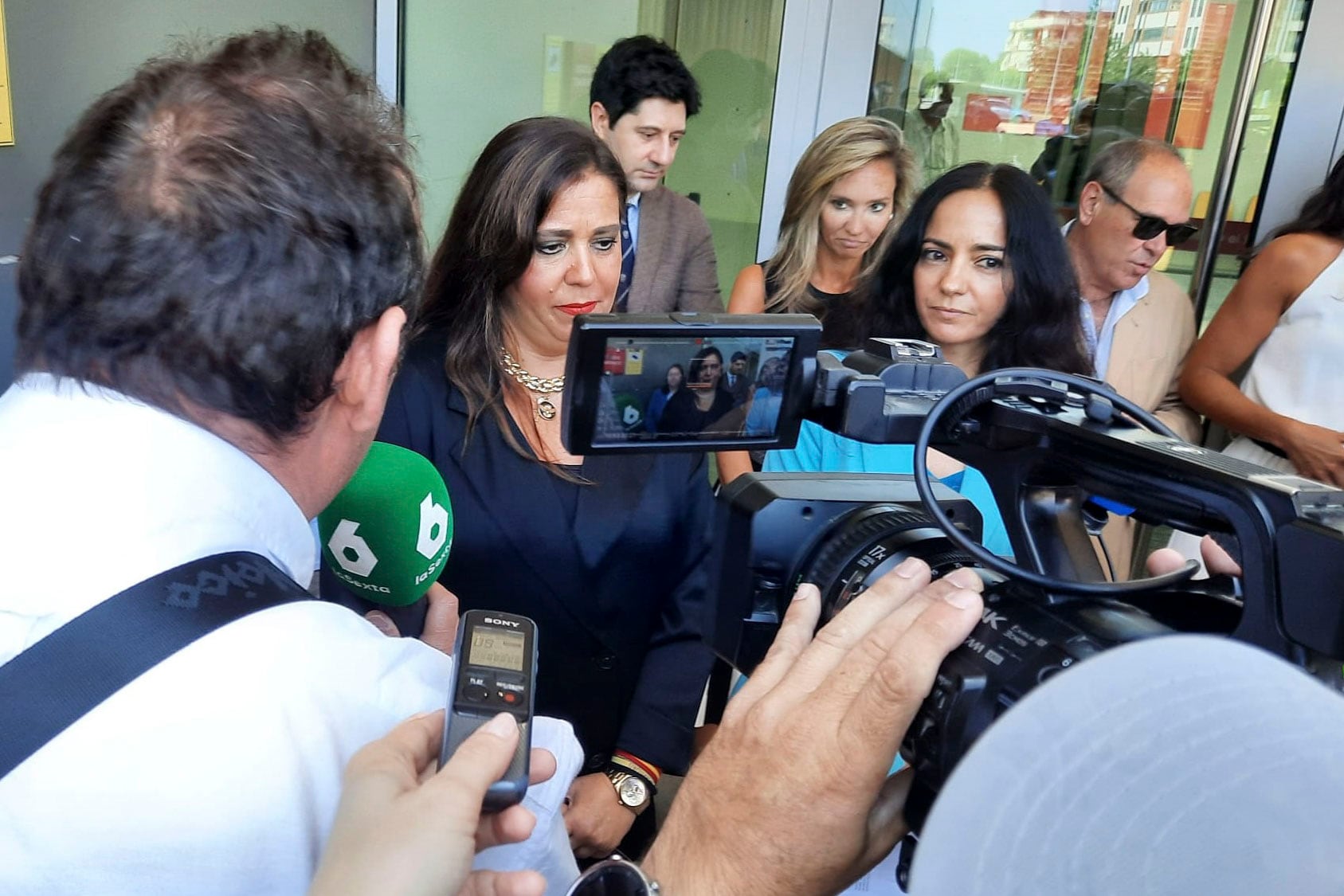
Agentes de la Unidad Central Operativa (UCO) de la Guardia Civil se desplazaron la semana pasada a Badajoz para interrogar a varias personas que aseguran haber sido contactadas por la trama supuestamente encabezada por la exmilitante socialista Leire Diez y el ex secretario de Organización del PSOE Santos Cerdán presuntamente para perjudicar a la jueza Beatriz Biedma cuando estaba a cargo de la investigación por la que acabó condenado David Sánchez, hermano del presidente del Gobierno.

Seguir leyendo

Continue Reading

%

Broken Down In Spain? DGT Plans To Step In If Your Insurer Leaves You Waiting More Than An Hour

Published

on

broken-down-in-spain?-dgt-plans-to-step-in-if-your-insurer-leaves-you-waiting-more-than-an-hour

The DGT’s draft plan aims to help drivers left waiting. Credit: gg-foto / Shutterstock

You’ve pulled over, rung your insurer and been told a tow truck is on its way, and then nothing happens. Now the DGT is drawing up a plan that would let Guardia Civil traffic officers call in a public backup once you’ve waited 60 minutes, although insurers and tow operators aren’t impressed. 

A one-hour wait could trigger the backup

Drivers who break down on roads managed by the DGT (Spain’s traffic authority) could get help from a public platform if their insurer doesn’t respond in time. The plan is set out in a draft called Instruction MOV 2026/07, which would let the Guardia Civil’s specialist traffic police unit request a tow once an insurer has stayed silent for 60 minutes.

However, the hour isn’t the only trigger. The platform would also step in if the insurer flatly refuses the job, if its phone line or app is down, or if it simply can’t find a suitable vehicle to send.

The DGT has said it won’t have any contract or employment links with the firms taking part, and that it won’t take on any economic obligations. So it isn’t yet clear who would pay for a tow arranged this way.

Insurers say a delay isn’t always their fault

Insurers’ association Unespa has raised concerns about how a failure to respond would be decided, pointing out that providing assistance is a contractual obligation they’re already bound to meet.

Motoring clubs RACE and RACC have taken aim at the 60-minute rule itself, saying it doesn’t properly separate a genuine failure to help from a delay that’s reasonable. Critics also note that waits often run longer at peak times and when commercial vehicles are involved. 

Tow operators fear two trucks turning up

Roadside assistance firms have been just as blunt. The Alianza Nacional de Auxilio en Carretera and the REAC network (a group of roadside assistance companies) have argued that roadside work is high risk, so firms should be checked for proper equipment and trained staff rather than relying on a self-declaration (a form saying they meet the rules). 

They also warn that a parallel public system could send two tow trucks to the same car, one from the insurer and another from a DGT traffic control centre. Alianza spokesperson Xavier Martí said what’s needed is ‘one coordinated network with real-time information’. 

There’s no launch date yet

The DGT hasn’t set a date for publishing the instruction and is still going through the objections it received. That means it’s a draft for now and not a rule drivers can rely on.

Until a final version appears, nothing changes at the roadside, so your insurer’s assistance line remains the first call to make.

Continue Reading

Andalucia

El Teléfono Móvil De Ana Buza Se Añade Al Puzle De Pruebas Para Determinar Cómo Murió

Published

on

el-telefono-movil-de-ana-buza-se-anade-al-puzle-de-pruebas-para-determinar-como-murio

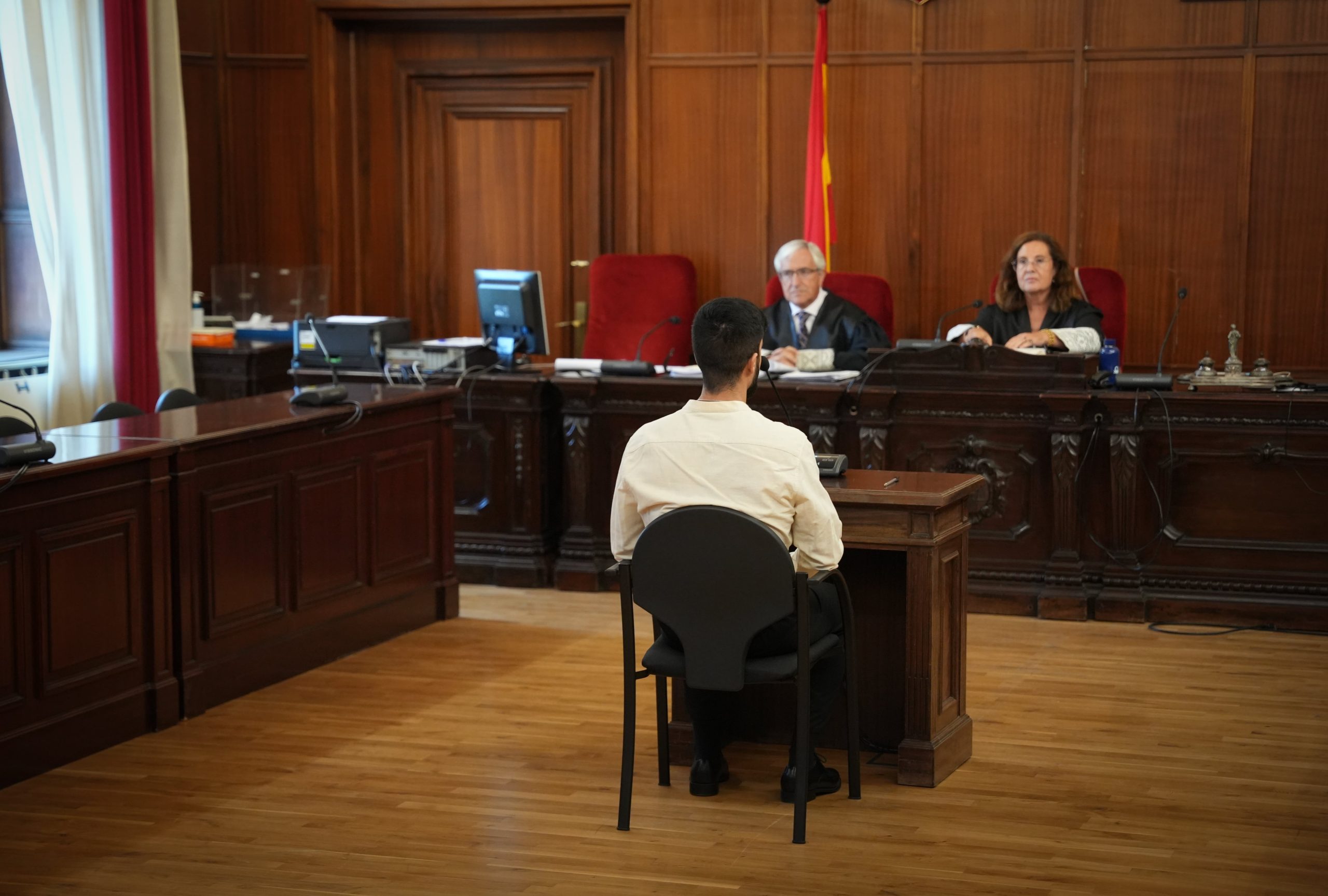
Durante la primera semana del juicio para esclarecer la muerte de Ana Buza —la joven sevillana de 19 años que perdió la vida en la madrugada del 7 de septiembre de 2019 cuando iba con Rafael V., su entonces novio y ahora acusado, en un coche a 117 kilómetros por hora—, peritos de la Guardia Civil de Tráfico, ingenieros, físicos y médicos forenses han tratado de convencer al jurado de una de las dos teorías sobre su muerte: o bien que ella se tiró del vehículo en marcha porque quiso quitarse la vida debido a la depresión que sufría por la mala relación con su padre —la tesis que avala la defensa—; o bien que fue atropellada por su expareja, que tenía un carácter controlador y celoso —la hipótesis que esgrime la acusación particular y que refuta la Fiscalía, que acusa a Rafael de homicidio imprudente, por circular con exceso de velocidad, pero desecha la posibilidad del atropello—. Con el debate de sus argumentos y pruebas aún recientes en la mente de los jurados, porque ninguno ha sido absolutamente convincente, este lunes era el turno del análisis de los teléfonos móviles de Ana y Rafael, cuya ubicación y contenido puede ser determinante para esclarecer qué sucedió esa madrugada o, en todo caso, lo que no pasó. Eso, al menos, es lo que han tratado de plasmar los peritos de la acusación: “El dispositivo de la fallecida lo tuvo una persona que lo alteró y modificó para crear un escenario que pareciera que fue un suicidio”, ha afirmado Jorge Coronado, perito informático y coautor junto con otros tres expertos del informe en el que se detalla esa supuesta manipulación.

Seguir leyendo

Continue Reading

Trending

Copyright © 2017 Spanish Property & News