
AVE
Renfe to overhaul train ticket system across Spain from October 2026

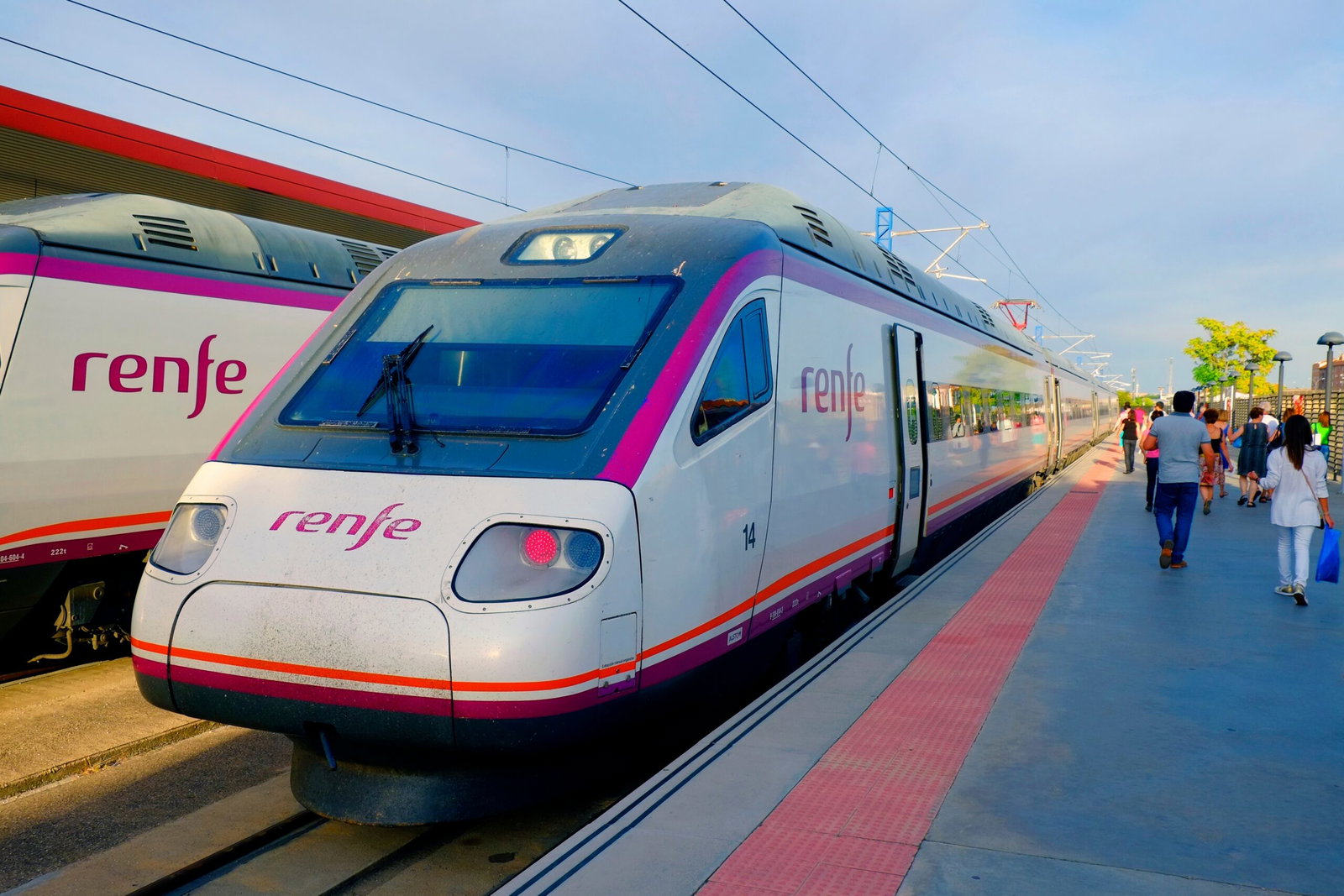
The changes have been developed following research with passengers and staff. Photo credit: Dennis MacDonald / Shutterstock
Anyone who has ever tried to book a Renfe journey online knows that getting from A to B is often the easy bit. The harder part can be working out which fare you need, what is included, whether you can change it later and what you have to pay extra for.
Renfe is now trying to tackle exactly that problem and as of October 28 this year, the Spanish rail operator will begin introducing a new ticket sales system designed to make the booking process shorter, clearer and easier to understand, with the new system fully operational from 25 January 2027.
The confusing bit is getting a ticket
The new system is being designed around what passengers actually need to know when they are deciding which journey to buy. Instead of making customers work through several stages before they can properly compare their options, Renfe says the new system will show key information earlier in the process. Passengers will be able to compare journeys by price, duration, available services and train occupancy.
The information attached to each fare will also be clearer, including what is included in the ticket and which changes are permitted. That could make a difference when several apparently similar tickets come with different conditions. For anyone travelling in Spain occasionally rather than using Renfe every week, that is one of the more useful changes. You should not have to understand Renfe’s ticketing system before you are able to buy a train ticket.
Fewer steps when booking
Renfe says the new system will reduce the number of steps needed to complete a purchase and shorten the forms passengers have to fill in. It is being introduced across seven sales channels, including the Renfe website and app, station ticket offices, self-service machines, travel agencies, telephone sales and onboard sales. The idea is that passengers should encounter the same underlying system regardless of where they choose to buy.
The changes also extend to what happens after the ticket has been purchased. Renfe is redesigning the way passengers manage their bookings, with services including changing a reservation, changing the passenger’s name, requesting an invoice and making compensation claims being incorporated into the new system. That means the difficult part should not simply move from buying the ticket to trying to sort it out afterwards.
Pets and bicycles should be clearer too
Extra requirements can make booking a journey more complicated, particularly when you are travelling with something that cannot simply be added as an ordinary passenger. Renfe says pets and bicycles will be more clearly incorporated into the booking process. Rather than treating these as separate considerations, the new system will show the relevant options, prices and conditions as part of the purchase.
For passengers who need these services, seeing the information while choosing a ticket should make it easier to understand the real cost of the journey before paying. Renfe is also introducing clearer explanations and error messages, so passengers should have more information when something prevents a booking or change from being completed.
You won’t have to change everything at once
The new system does not suddenly replace the current one on October 28, that date marks the beginning of a phased rollout. From then, Renfe will start using the new system for tickets covering journeys from 25 January 2027 onwards.
The existing system will continue handling journeys before that date during the transition. The two systems will therefore operate alongside each other for a period, with Renfe managing which system applies to each booking. The new system is due to be fully integrated on 25 January 2027.
Renfe tested it with passengers
The changes have been developed following research with passengers and staff rather than being presented simply as a new piece of technology. Renfe says it carried out surveys involving 2,000 people, interviewed passengers and employees, conducted fieldwork in 18 cities and held more than 50 testing sessions with individual and professional users. That testing is particularly relevant to the parts of the system passengers actually see: searching for a journey, comparing options, understanding fares and managing a booking afterwards.
The project is a major investment for Renfe, with the technology contracts reported at almost €160 million. But passengers are unlikely to care how much the new system costs if buying a ticket still feels complicated. What they will notice is whether the information they need is easier to find, whether the fare they choose makes sense and whether changing something later can be done without having to navigate another maze of options. That is what Renfe is attempting to change from the end of October, with the new ticketing system scheduled to become fully operational on 25 January of next year.

Alerta meteorológica
La Alerta Roja Por Lluvia En Cataluña Obliga A Suspender Varios Trenes AVE Y De Media Distancia


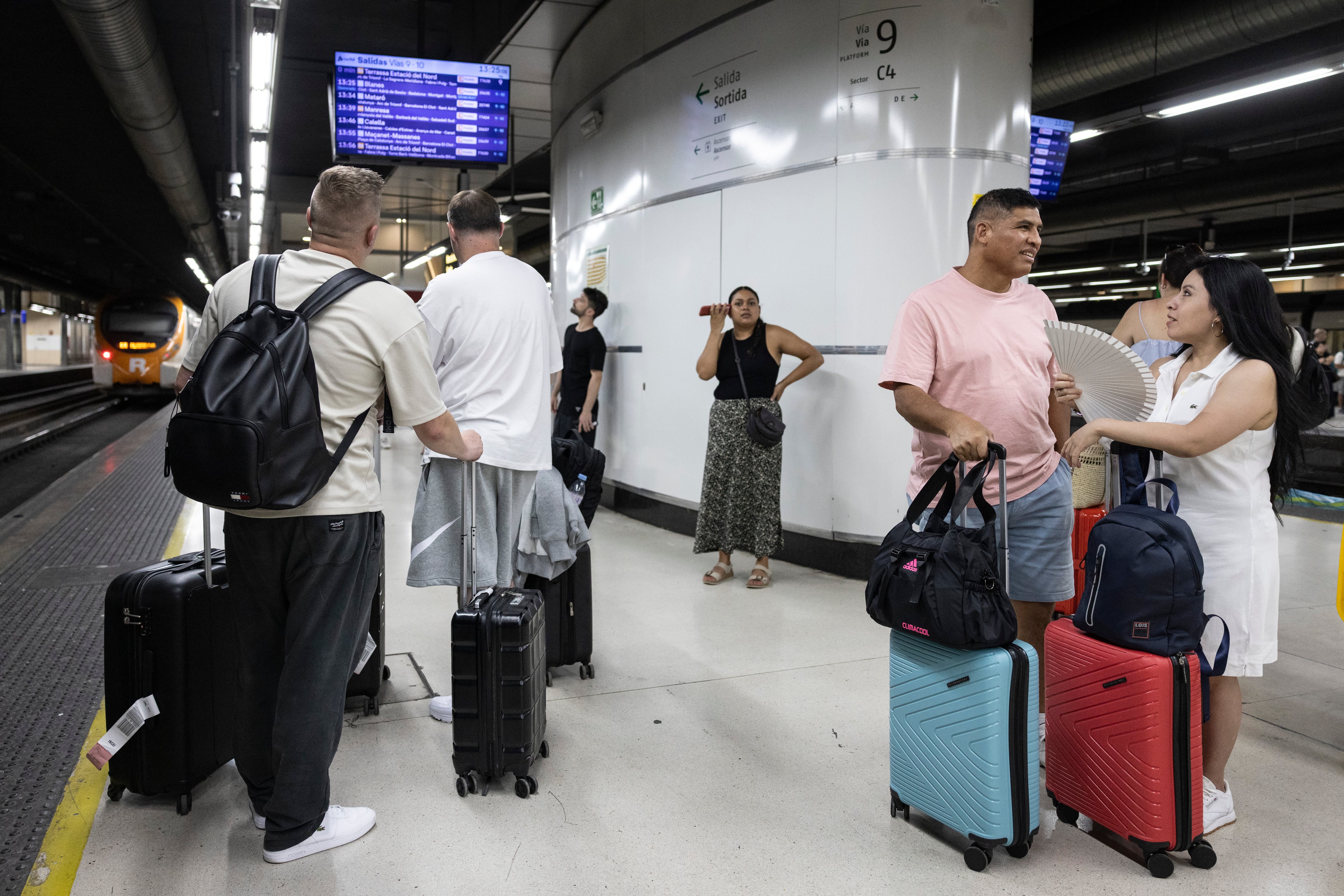
Cataluña ha arrancado la jornada con una alerta roja meteorológica activada por fuertes lluvias en buena parte del litoral y el prelitoral, unas lluvias que podrían dejar hasta 180 litros por metro cuadrado. Protección Civil de la Generalitat envió ayer un mensaje EsAlert a los habitantes de nueve comarcas, entre ellas las más pobladas de Cataluña, para pedir precaución, aunque no ha establecido medidas concretas de restricción de movilidad. Las horas centrales del día serán las que más lluvia puedan registrar según las previsiones del MeteoCat. Los principales problemas esta mañana son en las líneas ferroviarias. Renfe ha suspendido varios servicios de la Alta Velocidad entre las 9 y las 11, así como diferentes trenes de media distancia.
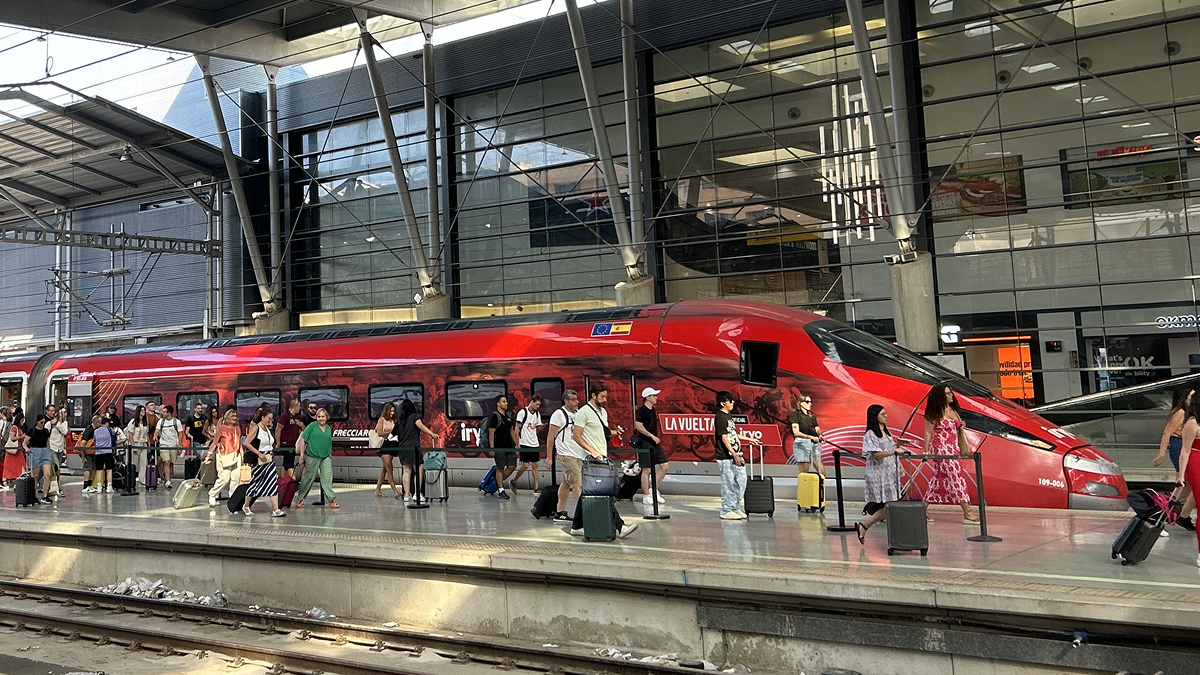
Rail travel between Málaga and Madrid has had a difficult year. Credit: Colinmthompson / Shutterstock
“Who guarantees it won’t happen again?” a survivor of January’s Adamuz crash asked months later, and plenty of former passengers clearly felt the same way. More than 800,000 journeys between Málaga and Madrid never happened in the first half of 2026, new figures show.
More than 800,000 journeys never happened
Just 635,000 passengers travelled between Málaga and Madrid between April and June 2026, 313,000 fewer than the same three months the year before. The large dip in passengers comes on top of an even steeper collapse in the first quarter, when the route was shut for most of the period. Put together, more than 800,000 journeys between the two cities didn’t happen in the first half of the year.
On the wider Málaga and Granada corridor to Madrid, 1.049 million passengers travelled between April and June, down 30 per cent year on year. Even Renfe’s grip on the route slipped slightly, though it still carried 72 per cent of passengers despite newer rivals Iryo, Avlo and Ouigo all competing for the same seats.
Why the closed tracks explain more than just lost confidence
The line was completely closed until April 30 and then, once it reopened, ran on a single track through the repaired stretch near Álora until July 17. That meant fewer trains and fewer seats for months, not just fewer people willing to book them.
Occupancy on the trains that did run stayed strong at 78.9 per cent, almost identical to the year before. So capacity, not confidence, looks like the biggest main reason for the fall. Average fares also dipped slightly to €39.90 before IVA (VAT), down three per cent on 2025.
The fear that also lays behind the figures
Even so, capacity alone does not explain everything. The closure followed one of Spain’s worst rail disasters in decades. An Iryo train derailed near Adamuz in Córdoba on January 18 after a rail break, and a Renfe train travelling on the parallel track struck it roughly 20 seconds later. Forty-six people died and 292 were injured.
In the days afterwards, passengers who regularly used the Madrid-Andalucía route spoke openly about how hard it would be to get back on. “The first time I get on, I won’t stop turning it over in my head,” said Isa Molina at the time. Marta P. said she expected to feel “sad and worried” the first few times she travelled again, and Jessica Flores admitted “it’s going to be hard for me to make the decision to travel.”
Months later, some of that fear naturally remained in those affected . One survivor, speaking in a video released in May by the Asociación Víctimas Descarrilamiento Adamuz (the crash victims’ association), asked who could guarantee it won’t happen again.
When the direct service finally returned on April 30, passengers boarded with a sense of respect and slight trepidation, with memories of the January accident still fresh. Not everyone felt the same way. Some described relief and total confidence in the AVE drivers, alongside others who admitted the day brought lots of nerves and uncertainty.
More trains are coming
Adif restored the second track on July 17, since then Renfe has laid on extra high-speed services to rebuild frequency on the route. Iryo has gone further than that, confirming plans to expand its Málaga-Madrid timetable significantly from 2027.


Almost 400 motorists caught in bizarre German speed camera trap
España – Croacia En Directo | Yamal, Sobre Su Segundo Gol A Livakovic: “Lo Conozco De Los Entrenos”
Mallorca’s historic Alcudia to welcome Spain’s most beautiful villages this October

Detenido Un Hombre Por La Muerte De Una Mujer De 47 Años En El Distrito De Arganzuela De Madrid
Spanish airline Vueling named Europe’s best low-cost carrier for 2026
Spain’s wildfire toll revealed as almost 300,000 hectares go up in flames


-
 Arganzuela1 week ago
Detenido Un Hombre Por La Muerte De Una Mujer De 47 Años En El Distrito De Arganzuela De Madrid
-
Best airlines2 weeks ago
Spanish airline Vueling named Europe’s best low-cost carrier for 2026
-
2026 wildfires2 weeks ago
Spain’s wildfire toll revealed as almost 300,000 hectares go up in flames
-

 Claudia Sheinbaum2 weeks ago
The Azcatitlan Codex Returns To Mexico From Europe After Nearly Two Centuries
-

 %2 weeks ago
Mallorca Property Overrun By Wild Goats
-

 basque country1 week ago
British Actress Naomi Watts Attacks Ageism In Hollywood As She Picks Up Prestigious Donostia Award At San Sebastian Film Festival
-

 Uncategorized2 weeks ago
Heartbreaking Instagram post reveals death of F1 star
-

 %2 weeks ago
Fast Food Chain Soaring Beef Costs