
Costa del Sol
Heart Failure – From diagnosis to strength: Andalucia couple host free live heart failure workshop

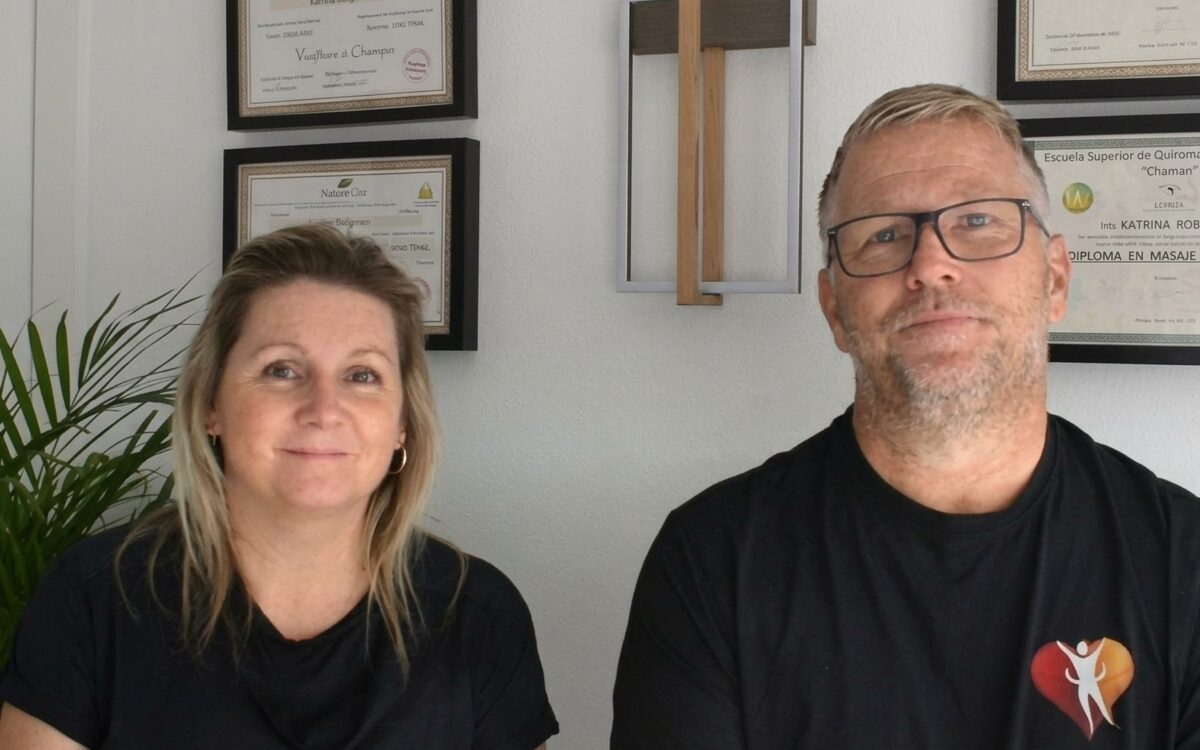
Gareth and Katrina Robinson know the silence that follows a heart failure diagnosis. Three and a half years ago Gareth was admitted with an ejection fraction of 15 per cent, roughly 20 minutes from a stroke, and the couple drove home with a little more than a leaflet and a hundred unanswered questions. His heart has since returned to the normal range, and on Tuesday 24 November they will host a free one-hour live session titled “Heart failure doesn’t mean your heart has failed: what we wish we’d known in the first 12 weeks”.
What the free evening covers
Numbers get explained in plain English, including what an ejection fraction and NT-proBNP actually mean for daily life. Gareth will outline the small daily routine that helped him regain a sense of control, while Katrina talks about the quieter load carried by carers and practical ways to look after yourself at the same time. Live questions from participants will be answered by both of them. Patients and carers are both welcome; the couple specifically encourage bringing the person beside you.
Why those first 12 weeks matter
Early searches after diagnosis often deliver frightening statistics about life expectancy, leaving people unsure what is outdated and what is useful. Gareth and Katrina, who previously shared their story of rebuilding through diet, daily walking and a self-built cardiac rehabilitation approach, now focus on the practical steps that made a difference in those initial weeks. Their Facebook community Heart Failure – From Diagnosis to Strength has already drawn people facing the same shock, and this session continues that peer support. Previous Euro Weekly News coverage detailed the near-miss diagnosis in Andalucia and the free five-day challenge they launched earlier this year.
How to join from anywhere
Registration is free at livingwithheartfailure.com/workshop. The session runs at 7pm UK time (8pm in Spain) and can be joined from any browser with nothing to download. Anyone who cannot attend live can still register and receive the replay. The workshop offers education and peer support drawn from the couple’s own experience; it does not replace advice from a cardiologist or heart failure team.
Gareth’s recovery from a 15 per cent ejection fraction to the normal range (and a normal life) after three and a half years goes to show the message that a diagnosis marks the start of a new chapter rather than the end. For anyone still processing those first difficult weeks, or supporting someone who is, the free session on November 24 offers a practical hour with people who have already walked the same path.








Benalmadena
Vuelo De las Libélulas: Benalmadena restaurant gives back to local families with charity lunch
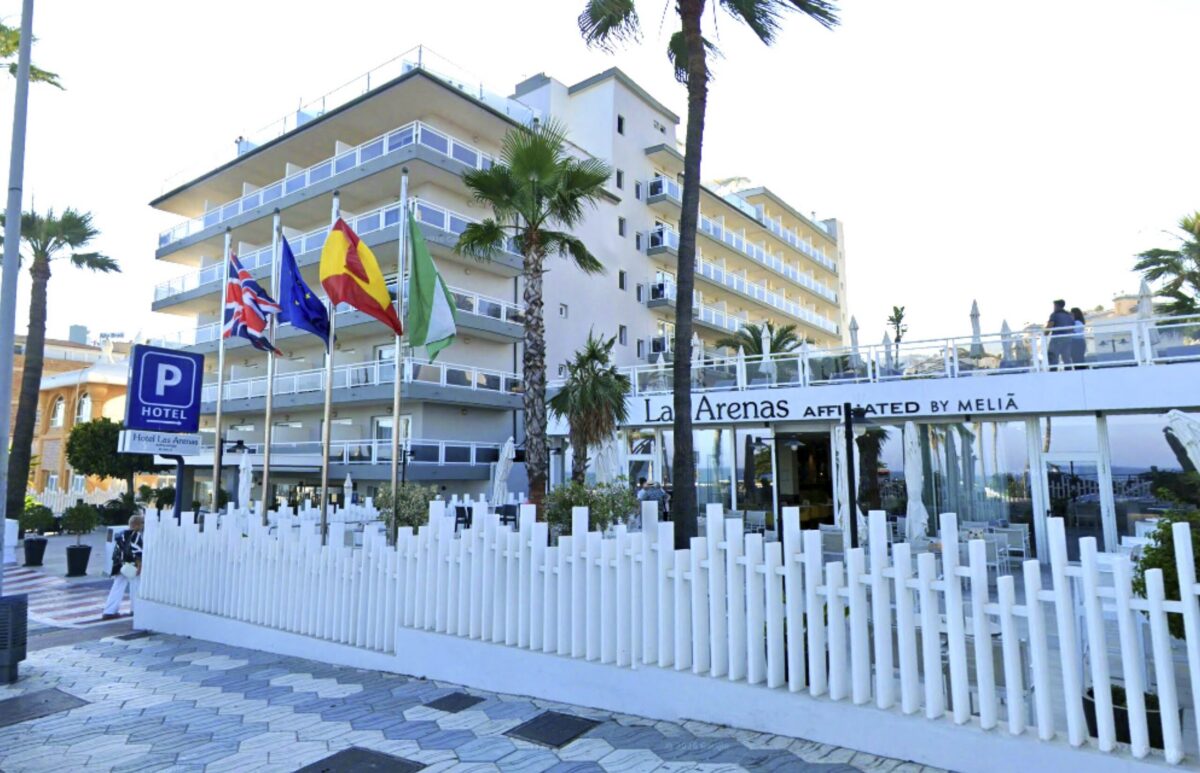
The Casbah Benalmadena is opening its doors to families facing difficult circumstances in an initiative designed to encourage other local businesses to support the community.
A Benalmadena restaurant is using the town’s tourism industry to give something back to local residents by hosting a special charity lunch for families facing personal or financial difficulties. The Casbah, managed by Merisi Catering SL and located within the Sahara Sunset complex in Benalmadena Costa, will host its first Almuerzo Solidario (Charity Lunch) on Saturday, November 21 at 2pm.
The initiative is being organised in collaboration with local association El Vuelo de las Libélulas, which will help identify and involve families who might otherwise struggle to enjoy certain leisure and dining experiences. The idea is to give participating families the opportunity to enjoy a meal in a restaurant more commonly associated with the town’s tourist trade, offering them a special day of hospitality and time together.
Tourism giving something back to Benalmadena residents
Merisi Catering says the project stems from a simple belief that the benefits of tourism should also be felt by the people who live in the town throughout the year. Although Benalmadena welcomes thousands of visitors, it is also home to families who form an important part of the town’s everyday life but do not always have the same opportunities to enjoy its restaurants and leisure facilities.
The company wants to help bridge that gap by sharing some of what the community has to offer with residents experiencing difficult circumstances. The town’s social welfare and family services also provide support for residents facing social and economic difficulties. Working with El Vuelo de las Libélulas also means the event can reach families already receiving support from the association, putting their wellbeing and the opportunity to enjoy a memorable occasion at the heart of the project. The association has previously benefited from local fundraising efforts, including Benalmadena’s sixth charity night walk supporting families in need.
Restaurant hopes other businesses will follow
However, organisers say the lunch is intended to achieve more than a single charitable event. Merisi Catering hopes the initiative will encourage other restaurants, hotels, tourist establishments and local companies to develop their own relationships with social organisations.
The message is that businesses do not necessarily need to launch large-scale campaigns to make a difference. Cooperation between local companies and associations can create opportunities for people who might otherwise miss out. The organisers are keen to emphasise that the focus should be on the people receiving support rather than the businesses providing it.
Their wider ambition is to encourage a stronger culture of cooperation between Benalmadena’s business community and local charitable organisations. As the company explains, tourism should not only provide experiences for visitors but also offer opportunities to improve the lives of those who call the area home.
The first Charity Lunch will take place at The Casbah restaurant, inside the Sahara Sunset complex in Benalmadena Costa, on Saturday, November 21.
Organiser: Merisi Catering SL – The Casbah Restaurant
Charity partner: El Vuelo de las Libélulas

Costa del Sol
Moroccan Political Activist Is Rushed To Hospital After Being Stabbed ‘several Times’ In Fuengirola

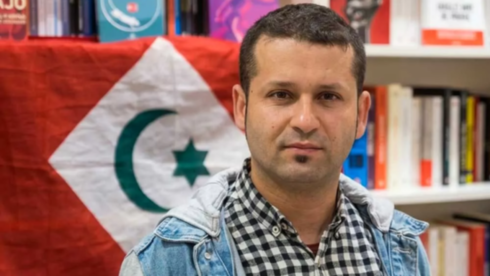
 Reda Benzaza, a former spokesman for the Moroccan Rif movement, was rushed to hospital in a critical condition after the horror attack.
Rosalía, Aitana Y Guitarricadelafuente Brillan En La Gran Noche De Los40 Music Awards Santander 2026
Moved to Spain? Expats reveal what they wish they had known before relocating
Michael Jackson’s only ever posed-for painting goes up for auction in Paris for €500,000


-

 New Developments3 weeks ago
Luxury Villas For Sale, Estepona – ProjectL1
-

 New Developments2 weeks ago
The San Roque Club – Townhouses For Sale
-

 New Developments3 weeks ago
How To Get A Tourist Rental Licence In Andalusia (Spain) – Step-By-Step Guide 2025
-
Age Concern Marbella - San Pedro3 weeks ago
Halloween lunch sells out as 51 join Marbella get-together
-

 %3 weeks ago
Spain Orders Replacement Of Eight Million Gas Meters: New Rules, Costs And Deadlines
-
Barcelona riots4 weeks ago
Looting and street violence hit Barcelona as El Corte Inglés customers are trapped
-
Costa del Sol3 weeks ago
Where are they? Expat questions local police presence
-
countryside3 weeks ago
Rural revival: Five Almeria villages make moving inland easier and more enticing