Connect with us

Latest

Italy And Spain Extend Tit-For-Tat Border Checks In Wake Of Migrant Rush

Published

on

Italy said on Tuesday it had extended for another 15 days its border checks for travellers from Spain, drawing a tit-for-tat response from Madrid in the ongoing spat between the two EU members.

The diplomatic showdown has been ongoing since August 1st, when Italy’s interior ministry introduced the temporary measures after tens of thousands of migrants from Morocco in July rushed the Spanish territory of Ceuta, located in North Africa.

Drawing condemnation from Madrid and other EU nations, Rome’s original one-month suspension of its free-movement Schengen deal with Spain led to a reciprocal suspension by Madrid on travellers coming from Italy.

READ ALSO: Can an EU member state be kicked out of Schengen zone?

On Tuesday, Italy’s interior ministry said in a note that the extension was deemed necessary after assessments from a border security committee.

“High risks to internal security persist, alongside potential dangers linked to possible terrorist infiltration,” wrote the interior ministry.

Spain’s interior ministry said Tuesday that its border checks on travellers from Italy, introduced on August 8th, would last until October 8th, noting that the reasons for the checks “remain unchanged”.

In a statement, it noted that “a change in those circumstances may warrant a modification of the envisaged timeframe”.

Italy and Spain do not share a land border, but the controls were introduced at maritime and air entry points used by transport services from the other country.

The visa-free Schengen travel zone spans 29 European countries that have officially abolished controls at their common borders.

Continue Reading
Click to comment

Leave a Reply

Your email address will not be published.

Alex Saab

Maduro Ally Alex Saab Pleads Guilty In US Money-Laundering Case

Published

on

maduro-ally-alex-saab-pleads-guilty-in-us-money-laundering-case

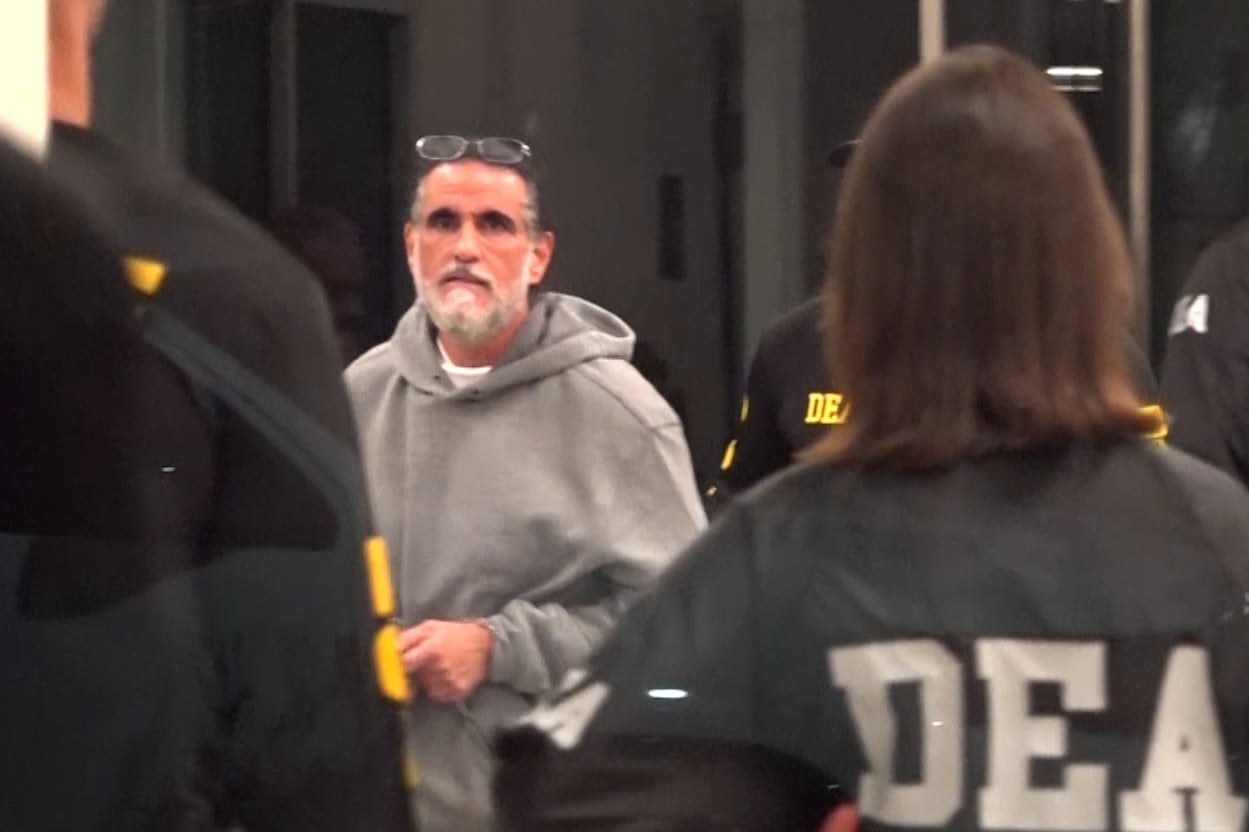
Alex Saab, the Colombian businessman and alleged frontman for former Venezuelan president Nicolás Maduro, pleaded guilty on Tuesday in a Miami court to conspiring to launder money linked to a multimillion-dollar fraud scheme involving Venezuela’s subsidized food program known as CLAP.

Saab, 54, is charged with conspiracy to commit money laundering, an offense carrying a maximum sentence of 20 years in prison. According to the U.S. Department of Justice, the businessman took part in a scheme to bribe Venezuelan officials between 2015 and 2019 in order to secure lucrative contracts under the CLAP (Local Committees for Supply and Production) program. Prosecutors allege that Saab and his associates used shell companies and falsified documents to divert hundreds of millions of dollars intended for food purchases, funds that later passed through bank accounts in the United States. Authorities say the scheme was subsequently expanded to include the sale of oil from the Venezuela state-owned oil company PDVSA.

This is not the first time Saab has faced the U.S. justice system. He was arrested in Cape Verde in 2020 while en route to Iran, after his private jet stopped to refuel. He spent more than a year fighting extradition to the United States before being handed over in October 2021.

In that case, U.S. prosecutors charged Saab and fellow Colombian businessman Álvaro Pulido with money laundering. According to the indictment, between 2011 and 2015 the two men obtained contracts to build subsidized housing and bribed officials aligned with Venezuela’s ruling Chavista regime to falsify import documents for construction materials that never arrived. Prosecutors also alleged that they exploited Venezuela’s currency-exchange system to obtain millions of dollars, which they transferred abroad through the U.S. banking system. Following negotiations with prosecutors, Saab was left facing a single count of conspiracy to commit money laundering, to which he pleaded not guilty.

The case never went to trial because Saab was released in December 2023 as part of a prisoner exchange between the administrations of Joe Biden and Nicolás Maduro. Under the agreement, Venezuela freed 10 Americans, a fugitive former military contractor, and around 20 political prisoners. Saab was welcomed back to Venezuela by Maduro as a hero.

Maduro was captured by a U.S. operation in January and transferred to New York, where he is awaiting trial. A month later, in February, Saab was arrested in Caracas, and the Venezuelan government led by acting President Delcy Rodríguez handed him over to the United States on May 16.

According to prosecutors, the new case is based on a separate scheme from the one covered by the indictment for which Saab previously received a pardon.

Sign up for our weekly newsletter to get more English-language news coverage from EL PAÍS USA Edition

Continue Reading

Antigua Roma

No Todos Los Caminos Llevaban A Roma

Published

on

no-todos-los-caminos-llevaban-a-roma

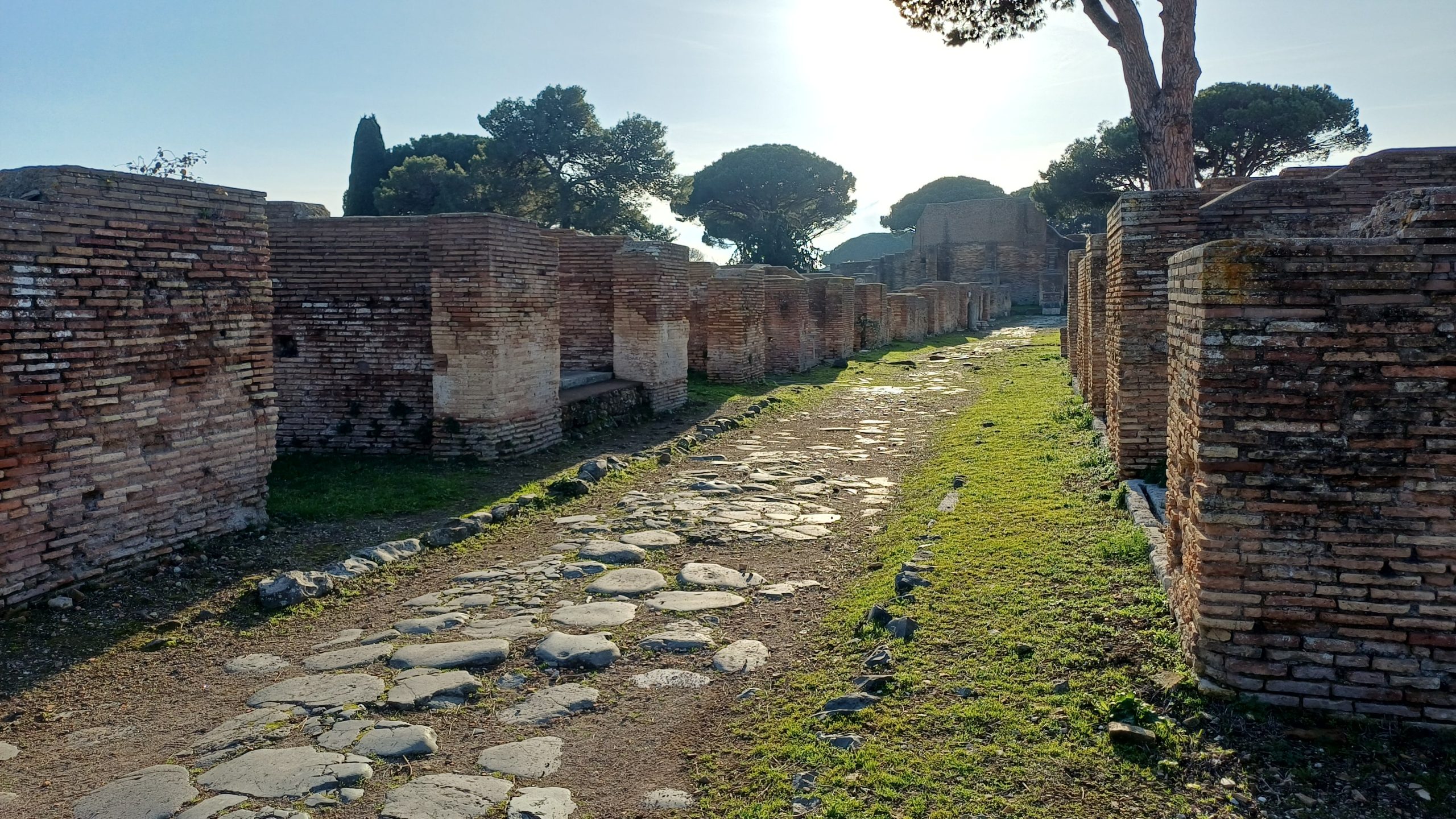
Rectilíneas siempre que fuera posible, con una pendiente lo suficientemente baja para que los carros y animales pudieran transitarlas y tan bien ubicadas que muchas de las carreteras modernas aprovechan su trazado. Así tiraban los agrimensores romanos sus calzadas. El estudio kilómetro a kilómetro de casi 300.000 kilómetros de vías del Imperio Romano, publicado en Nature Communications, muestra cómo Roma usó el empedrado para sostener su poder. El trabajo también muestra que la capital no era el centro de la red viaria; a ciudades que tendrían una relevancia histórica posterior, como Bizancio, sí que llegaban todos los caminos.

Seguir leyendo

Continue Reading

Elma Saiz

El Gobierno Recrudece La Batalla Con El Supremo: “Los Que Ponen En Riesgo La Imparcialidad Son Algunos Jueces”

Published

on

el-gobierno-recrudece-la-batalla-con-el-supremo:-“los-que-ponen-en-riesgo-la-imparcialidad-son-algunos-jueces”

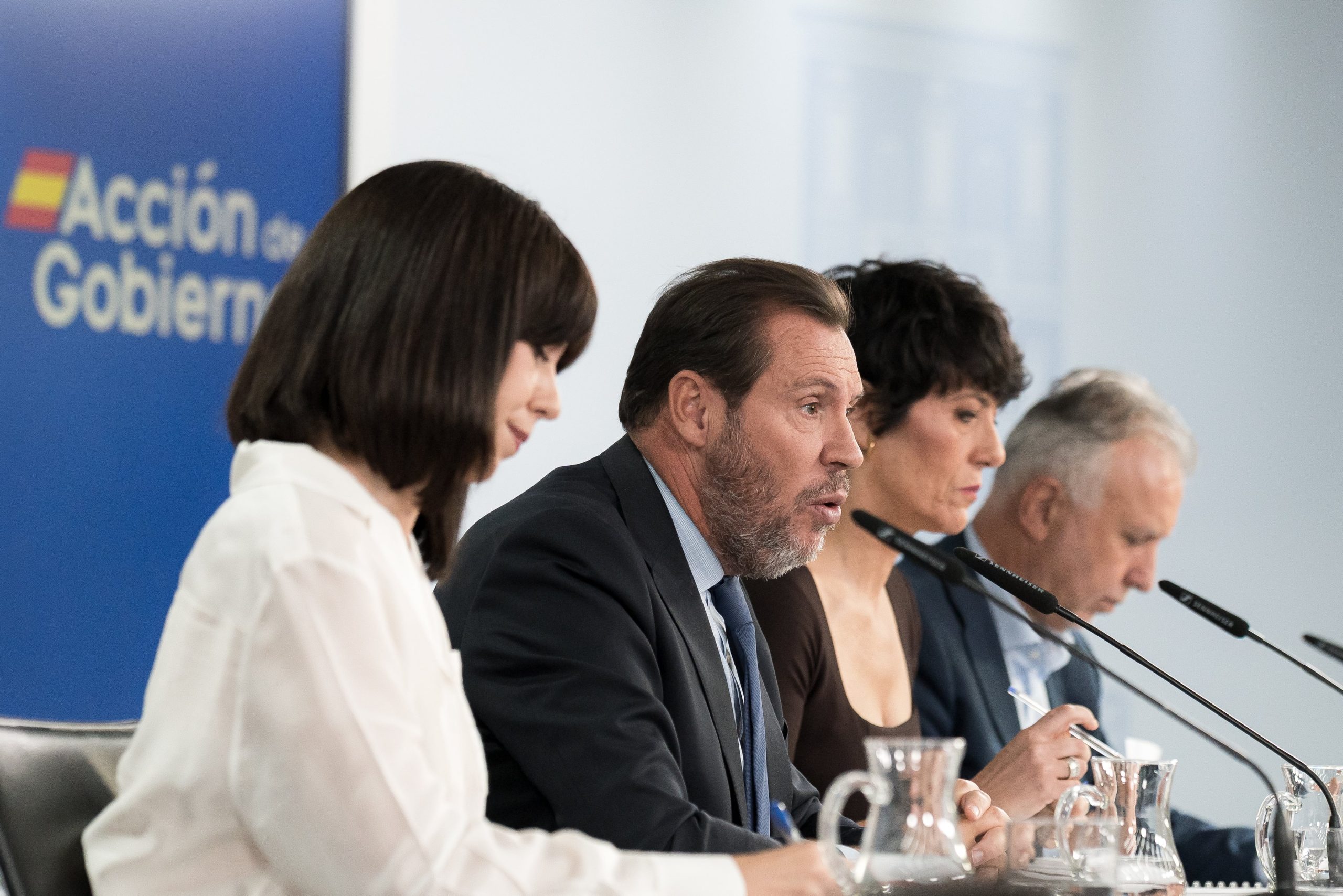
Ya no es una estrategia aislada de los dos miembros del Gobierno que trasladan las posiciones más duras en momentos difíciles, Óscar Puente y Óscar López, que son los que más claramente han dejado caer en los últimos meses la idea de que hay una conspiración en marcha en sectores de la justicia, de la policía, de la Guardia Civil, para derribar al Gobierno “por métodos no democráticos”, en palabras del ministro de Transportes. La batalla contra sectores conservadores relevantes de la Justicia, y especialmente contra el Tribunal Supremo, ya es una política oficial de todo el Gobierno apoyada por La Moncloa y por Pedro Sánchez, como se vio este martes en la rueda de prensa tras el Consejo de Ministros, donde la portavoz, Elma Sáiz, respaldó abiertamente al ministro después de lanzar otra andanada contra los jueces de la ley de nietos.

Seguir leyendo

Continue Reading
Advertisement
Advertisement

Spanish Real Estate Agents

Tags

Trending

Copyright © 2017 Spanish Property & News