
Argentina
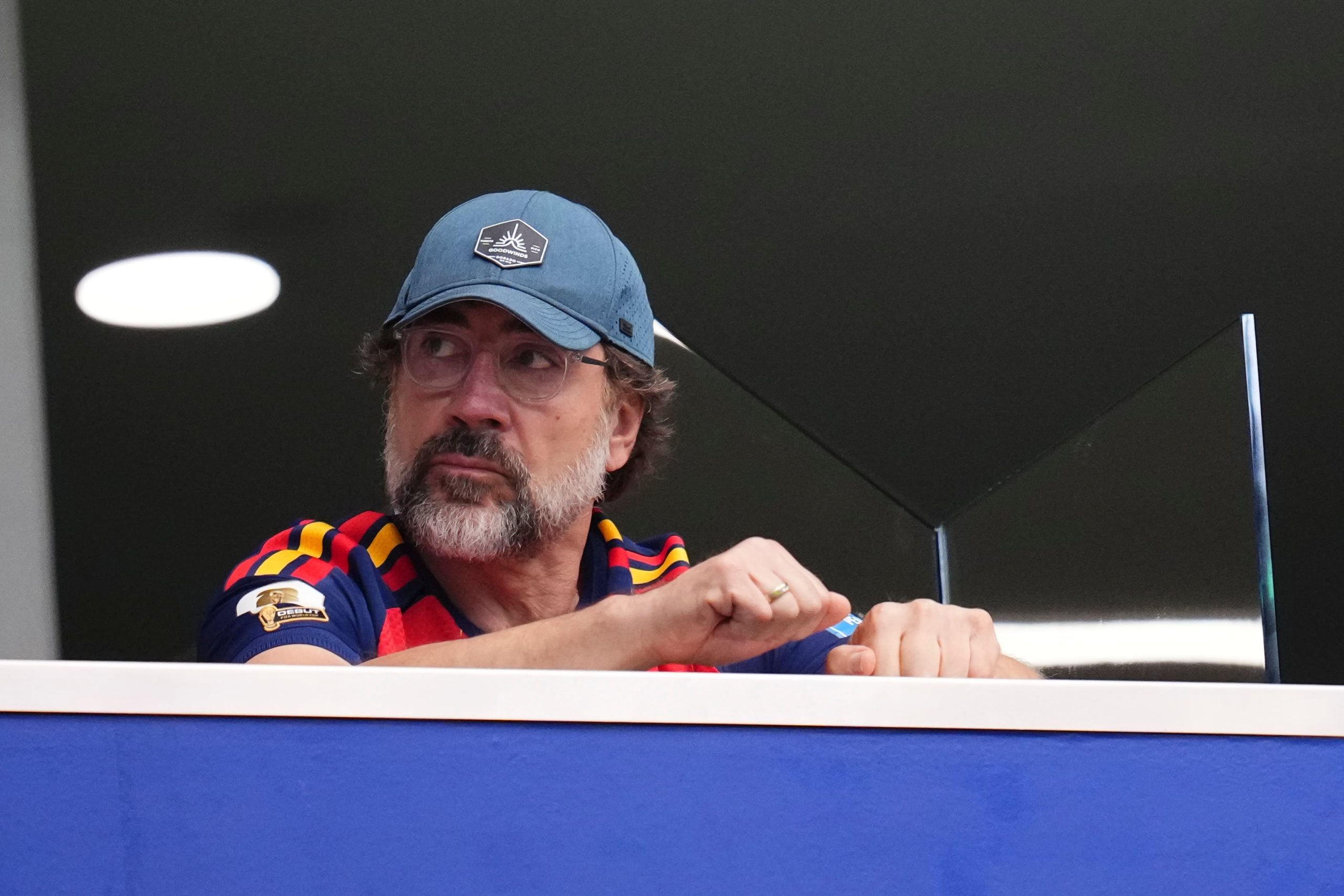
Javier Bardem Addresses Controversy Around The World Cup Final: ‘Milei Is Not All Of The Argentine Population’










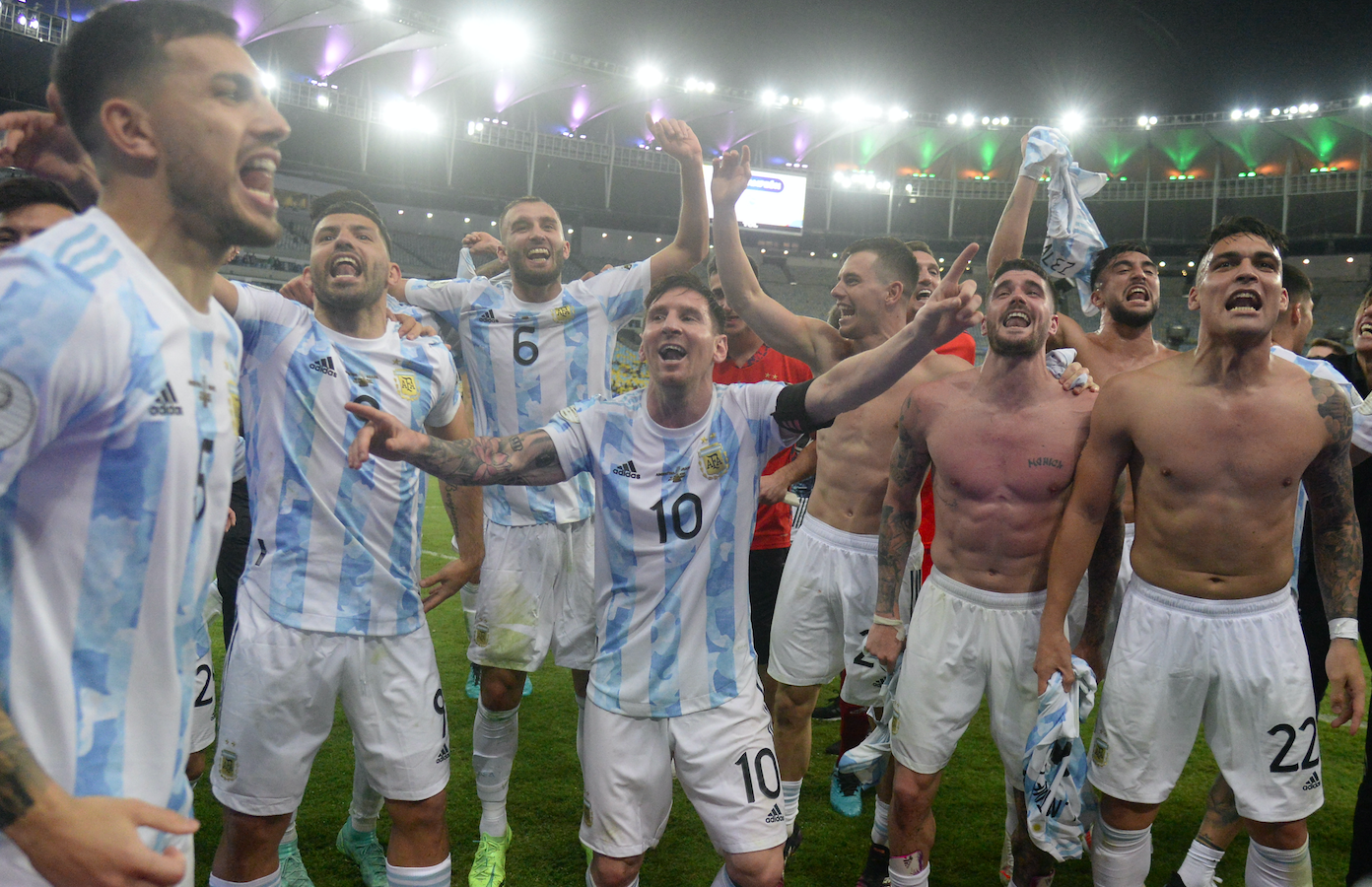
For many Argentina supporters the World Cup is about far more than football. Photo credit: A.RICARDO/Shutterstock
Argentina’s World Cup heartbreak has taken a dramatic turn after Leandro Paredes’ sister sparked an international backlash with a comment that dragged the long-running Falklands dispute back into the spotlight. As Argentina came to terms with missing out on another World Cup triumph, Bárbara Paredes attempted to comfort disappointed supporters with a message of national pride, but her words quickly became the centre of a heated debate.
“We don’t have the fourth star, but at least we have the Falklands,” she said. Within hours, the comment had spread across social media, dividing opinion between those who saw it as a patriotic statement and those who accused her of turning a painful sporting defeat into a political controversy.
A consolation message that sparked outrage
For many Argentinan supporters, the World Cup is about far more than football, the national team represents pride, identity and history, and defeats at major tournaments often produce emotional reactions. But critics argued that invoking the Falkland Islands after a football loss crossed a line and drawn politics into a sporting event.
Some accused Bárbara Paredes of using one of the most sensitive issues in Argentine and British history as a way to soften the disappointment of losing the final. Others went further, describing the remark as “ignorant” and spiteful arguing that a conflict involving centuries of history and the loss of lives should not be reduced to a football consolation. The criticism quickly became as loud as the original comment itself.
Why the Falklands remain such a sensitive issue
The Falkland Islands have been at the centre of a sovereignty dispute between Argentina and the United Kingdom for generations. Argentina claims the islands as its own and refers to them as Las Malvinas, while the United Kingdom maintains that the islanders have the right to decide their own future. The issue became even more deeply entrenched after the 1982 Falklands War, when British and Argentine forces fought for control of the islands.
Hundreds of lives were lost during the conflict, and memories of the war continue to influence attitudes on both sides today. That history is why any public reference to the Falklands can quickly trigger strong reactions.
Football rivalry meets political history
The controversy is another example of how football can become intertwined with national identity. World Cup victories and defeats rarely remain confined to the pitch. They become moments that reflect a country’s emotions, pride and sense of belonging. Argentina has experienced this more than most nations.
The country’s World Cup victories in 1978 and 1986 became defining moments in its history, while the national team’s performances continue to carry huge emotional weight. But this time, the conversation after the final was not about tactics, missed chances or players, it was about a single sentence.
Supporters divided over the remark
While many criticised Bárbara Paredes, others defended her comments, saying they reflected a sentiment shared by many Argentinians. For those supporters, the Falkland Islands are not simply a political issue but a deeply rooted part of national identity.
They argued that her words came from a place of emotion following a painful defeat, rather than an attempt to provoke controversy. However, critics said the timing was the problem. A football match may unite millions, but it can also reopen historic disagreements that remain unresolved decades later.
A controversy that will continue beyond the final whistle
For Leandro Paredes and Argentina’s squad, the World Cup will be remembered for the disappointment of falling extremely short, the lack of shots at goal and the the shocking foul play. But the fallout has created another chapter away from the stadium. A comment intended as comfort for defeated fans has instead reignited a debate that has existed for more than 40 years.
The final whistle ended the match, it did not end the arguments, nad once again, the world’s biggest sporting event has shown that football is rarely just about football.
Argentina
Spain’s Golden Era Reaches New Heights With World Cup Win – Here Are All The Records La Roja Has Broken

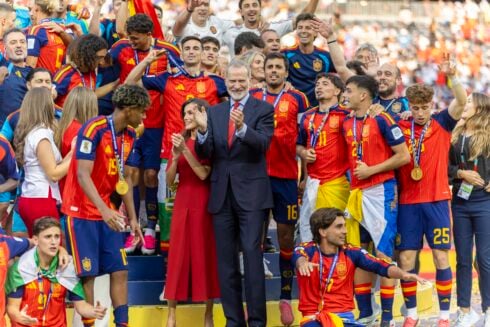
 SPAIN’s World Cup triumph has seen several records tumble over the course of the tournament’s 39 days. La Roja’s victory over Argentina on Sunday marked the first time in history
Argentina
Thousands Swarm Madrid And Barcelona To Celebrate Spain’s World Cup Win As National Team Flies Home For Victory Parade

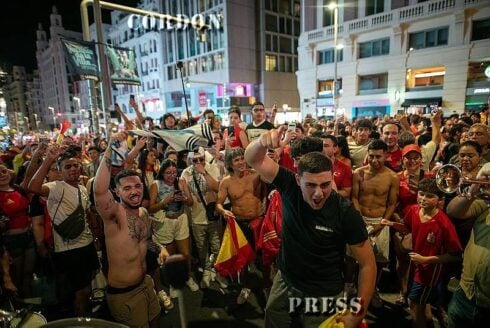
 THE Spanish National team is set to land in Madrid this afternoon, following their victory against Argentina in the World Cup final. The world champions will land at 12.50pm from

Man Arrested For Assaulting Six-Month Pregnant Partner At Malaga Airport

Javier Bardem Addresses Controversy Around The World Cup Final: ‘Milei Is Not All Of The Argentine Population’
Spain Moves Forward With Law Granting Citizenship To Sahrawis


-

 New Developments2 weeks ago
Stylish 3-Bedroom Apartment With Panoramic Sea Views – Benalmádena
-

 New Developments2 weeks ago
Luxury Villas For Sale, Estepona – ProjectL1
-

 Uncategorized2 weeks ago
F1 season ticket announced for 2027 and it
-

 Bélgica2 weeks ago
Bélgica No Logra Repetir La Gesta De 1986: “Pero Hemos Jugado Bien”
-
News from Spain2 weeks ago
Spain is about to get a rare six planet show and most people won’t even know it’s happening
-
Bet2 weeks ago
Norway lost the match, but won the internet with airline Instagram bet
-
Air passenger rights2 weeks ago
Booked your flight through an online travel agency? New EU rules could make refunds much easier
-

 Amazon6 days ago
El Escurreplatos De Dos Niveles Que Libera Espacio En La Cocina Está Rebajado Más De Un 50%