
Costa del Sol
S











Toyo Japanese restaurant has two branches, one in Fuengirola just up from the seafront and one in Malaga. International restaurant options are endless in Fuengirola with its streets jam packed with choice, but recently the Japanese buffet style dining has become popular for a more budget friendly way to feast on sushi and dim sum at a more reasonable price.
We opted for the evening buffet rather than individually priced items. Prices for the evening €24.90 per person, the children from 3 to 1.4 m height was €12.90 and kids under 3 eat for free. Drinks and dessert not included.
It is not a buffet how some would imagine. No getting a plate and queuing along and helping yourself. This concept is different, you download the QR code and order as you wish from the menu. If you do not finish a plate there is a €3 charge to prevent people from over ordering and creating unnecessary food waste.
The tuna tacos at Toyo Fuengirola are the must-order dish
The menu covers everything from sashimi to tempura, ramens and rices, Our favourite were the tuna tacos.
Bubbly crisp shells filled with fresh tuna and balanced seasoning, zingy and delicious in texture and flavour. We ordered second and third portions for the table to share.
Other dishes we enjoyed, delicate salmon sashimi, silky salmon carpaccio, assorted nigiri and hand-rolled temaki, all served fresh and at the correct pace to enjoy and know if you are ready to order again. The Gunkan Fire was a bit of theatre, flambéed with Pernod at the table for a very different flavour finish, (popular with some, others who may have had years of sambuca shots not so much!)
The tuna truffle rolls were another strong point of the meal, rich and indulgent without becoming overpowering. For some extra greenery, wakame salad and edamame, then to end with something hot, steamed shau mai helped balance the meal and finally the tempura arrived crisp and perfectly light.
By the end of the meal we were simply too full to continue into the heavier hot dishes section of the menu, but from peeking at others they looked like a strong option for another day.
Toyo’s decor a modern Japanese dining experience
Whites, woods and simplicity. Nothing overly fussy and coral blue glassware to finish everything off. Serving dishes were classic white with a few more decorative pieces to add a bit of character.
Toyo felt calm and relaxed, not overly loud, just the noise of people chatting in the background.
The service was prompt and efficient with the right amount of attention and no further fuss.
Toyo Fuengirola restaurant information
We didn’t book as a table of 6 but imagine the busier summer months will require a reservation.
It is a nice option for anyone who wants a huge selection of choices but for a set price. The lunch and evening buffet are a different cost, or you can choose to do neither and order direct from the menu.
Toyo is at Calle Martínez Catena 3, on +34 676 438 899 / +34 952 713 794. Opening hours: Daily from 1pm to 4:30pm and 7:30pm to 11:30pm. See the website for further details.
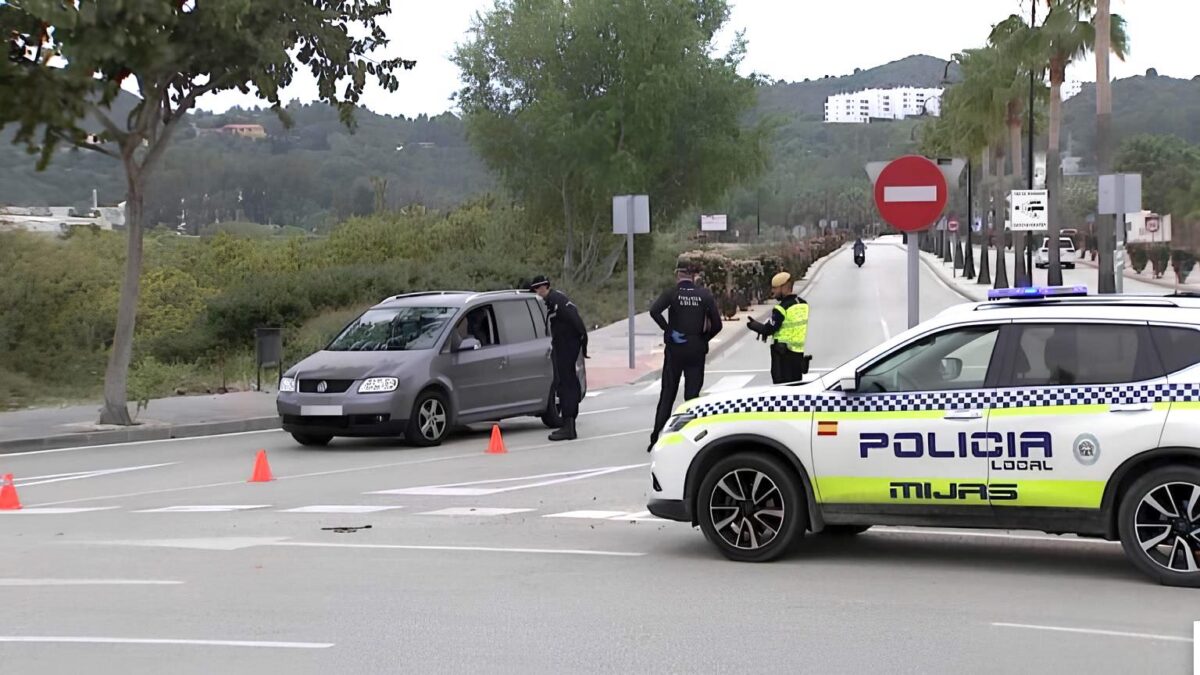
Officers from the local police in Mijas stopped a suspicious car during one of their programmed random roadside security checks on May 4 in Camino de Campanales, Las Lagunas.
Routine patrol uncovers year-old theft
Local police spotted unusual behaviour from the vehicle and signalled it to pull over. Identification checks on the driver and passenger revealed the car had been reported stolen in 2025.
Authorities read them their rights before placing both under arrest on suspicion of theft. Personnel transferred the pair to Guardia Civil custody ahead of a court appearance.
This kind of immediate intervention shows ongoing efforts by Mijas authorities to tackle vehicle-related offences through regular roadside controls, something that has become a familiar sight over the last year. The intensified checks have been part of Mayor Ana Mata’s pledge to not allow criminal elements to creep into Mijas from surrounding areas.
Vehicle theft numbers hold steady locally
Mijas recorded 54 vehicle thefts in the period covered by recent official figures, showing no increase from the previous year. Overall crime in the municipality fell by around 10 per cent through 2025, a rare positive result for the Costa del Sol. Local police carried out 103 arrests in the first four months of 2025, a rise of 41 per cent compared with the same period in 2024. Many operations target stolen cars used in other crimes.
Mijas outperforms neighbours on crime metrics
Several nearby towns experienced rises in recorded offences while Mijas posted declines in categories including burglaries and robberies. Vehicle theft is still a serious pending issue throughout Malaga Province, yet proactive patrols are helping Mijas keep figures stable. Data from the Ministry of the Interior confirm fewer incidents affecting daily life here than in areas such as Marbella or Fuengirola, where property crime pressures often prove higher.
Increased vigilance delivers results
Frequent checkpoints and coordination with Guardia Civil contribute to recoveries and arrests. Residents benefit from this approach, which focuses resources on visible policing and quick response. Drivers can reduce risks by fitting additional security devices and parking in well-lit zones.
Cases like the May 4 stop show how consistent enforcement limits opportunities for thieves. Mijas continues to show that targeted action produces measurable improvements even as regional challenges remain.

Spain’s Southern Beaches Prepare To Receive 56,500 Tonnes Of Invasive Brown Algae
How Spain’s Balearics Plan To Curb Overtourism With Flight Limits

Grecia Investiga El Hallazgo De Un Dron Marítimo Cargado De Explosivos En Su Costa

Dinero En Efectivo Guardado En Casa Y La Devolución De Los Gastos Del PSOE: La Expareja De Koldo Protagoniza La Cuarta Jornada Por El ‘caso Mascarillas’
DGT launches week-long speed crackdown on Spanish roads

How To Get A Tourist Rental Licence In Andalusia (Spain) – Step-By-Step Guide 2025


-
 Caso Koldo4 weeks ago
Dinero En Efectivo Guardado En Casa Y La Devolución De Los Gastos Del PSOE: La Expareja De Koldo Protagoniza La Cuarta Jornada Por El ‘caso Mascarillas’
-
DGT4 weeks ago
DGT launches week-long speed crackdown on Spanish roads
-
 New Developments3 weeks ago
How To Get A Tourist Rental Licence In Andalusia (Spain) – Step-By-Step Guide 2025
-

 Uncategorized3 weeks ago
Max Verstappen Nurburgring LIVE: NLS5 Schedule, start times and free live streams
-
cabin crew4 weeks ago
Spain’s Supreme Court rules EasyJet must reveal cabin crew identities
-

 Competiciones1 week ago
E
-

 Uncategorized3 weeks ago
Lando Norris unleashes F1 2026 criticism after Nurburgring test
-

 Uncategorized4 weeks ago
Lewis Hamilton admits being