
European News
Man bills German neighbour €3,500 for leaves falling into his garden

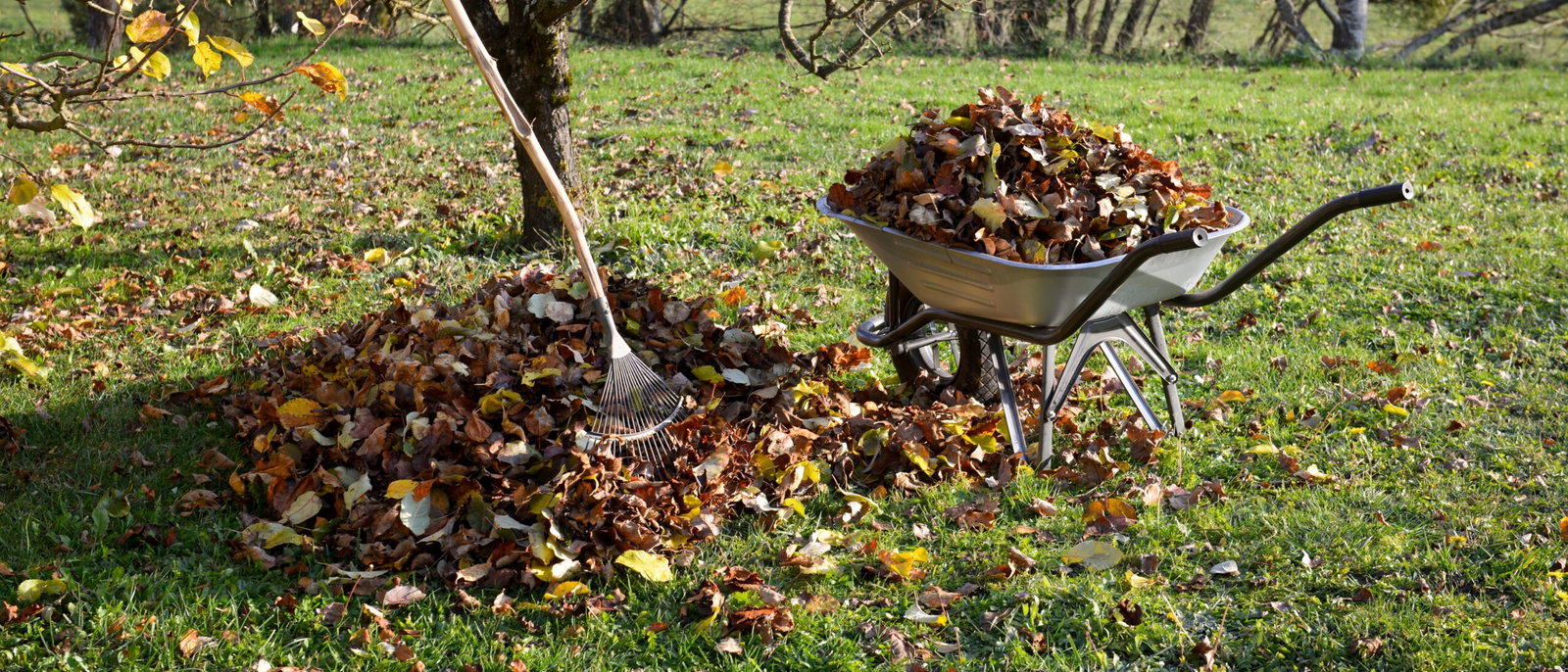
Three of the trees are particularly close to the neighbouring house. Photo credit: Valerie Quemener/Shutterstock
Most people accept that a garden comes with a certain amount of sweeping, raking and clearing up. But one homeowner in Germany says the leaves falling from his neighbour’s trees have become such a burden that he wants more than €3,500 a year to cover the work.
He claims he has to collect around 250 wheelbarrows of leaves annually, as well as repeatedly clearing his gutters and paying to dispose of the garden waste. His neighbour, meanwhile, owns 14 oak trees, some of which are around 200 years old and stand close to the complainant’s property. The dispute has turned an ordinary autumn nuisance into a costly disagreement over who should pay for the mess created by trees growing next door.
Fourteen oak trees are at the centre of the dispute
The neighbour being asked to pay owns 14 oak trees, estimated to be around 200 years old. Three of them stand just one metre from the other man’s house. The trees are approximately 25 metres tall, with canopies measuring between 18 and 24 metres across. Their branches extend between nine and 12 metres beyond the property boundary, according to the measurements reported by the complainant.
Apparently the problem is not just limited to a few leaves landing on the lawn, the man says the falling foliage and acorns create work throughout the autumn, particularly between weeks 40 and 48 of the year, when he claims he has to clear his gutters repeatedly. He says the trees do not comply with the required distance from the neighbouring property, adding another point of contention to the dispute. The owner of the oaks has not been reported as agreeing to pay the requested amount.
How he calculated the €3,540 demand
The homeowner has put a price on every part of the work he says the trees create. The largest part of his claim is for cleaning the gutters. He says he has to carry out 18 additional cleans each year, taking two and a half hours each time. That amounts to 36 hours of work, which he values at €40 an hour. His calculation comes to €1,800 for gutter cleaning alone.
He then adds the time spent collecting leaves from the garden. During nine weeks of the year, he says he spends four hours each week raking and clearing the fallen foliage. At the same hourly rate, that adds another €1,440 to his demand. Finally, he wants €300 to cover the removal of six containers of garden waste, calculated at €50 each. Together, the three amounts bring his annual demand to €3,540.
A neighbour dispute with a hefty price tag
The case has attracted attention globally on social media because of the sheer scale of the compensation being requested for what is usually considered an unavoidable part of living near trees. For the complainant, however, the issue is not simply having to sweep up a few leaves. He argues that the volume of foliage and acorns creates repeated work, takes up hours of his time and comes with additional disposal costs due to this his demand is for an annual payment to cover the work he says he has to carry out every autumn.
The figures are his own calculation of the time and expense involved. There is no indication in the report that a court has ordered the neighbour to pay the money, or that the €3,540 demand has been accepted. For now, the dispute comes down to 14 old oak trees, one neighbouring garden and a homeowner who says he is tired of spending so much of his year clearing up after someone else’s trees.






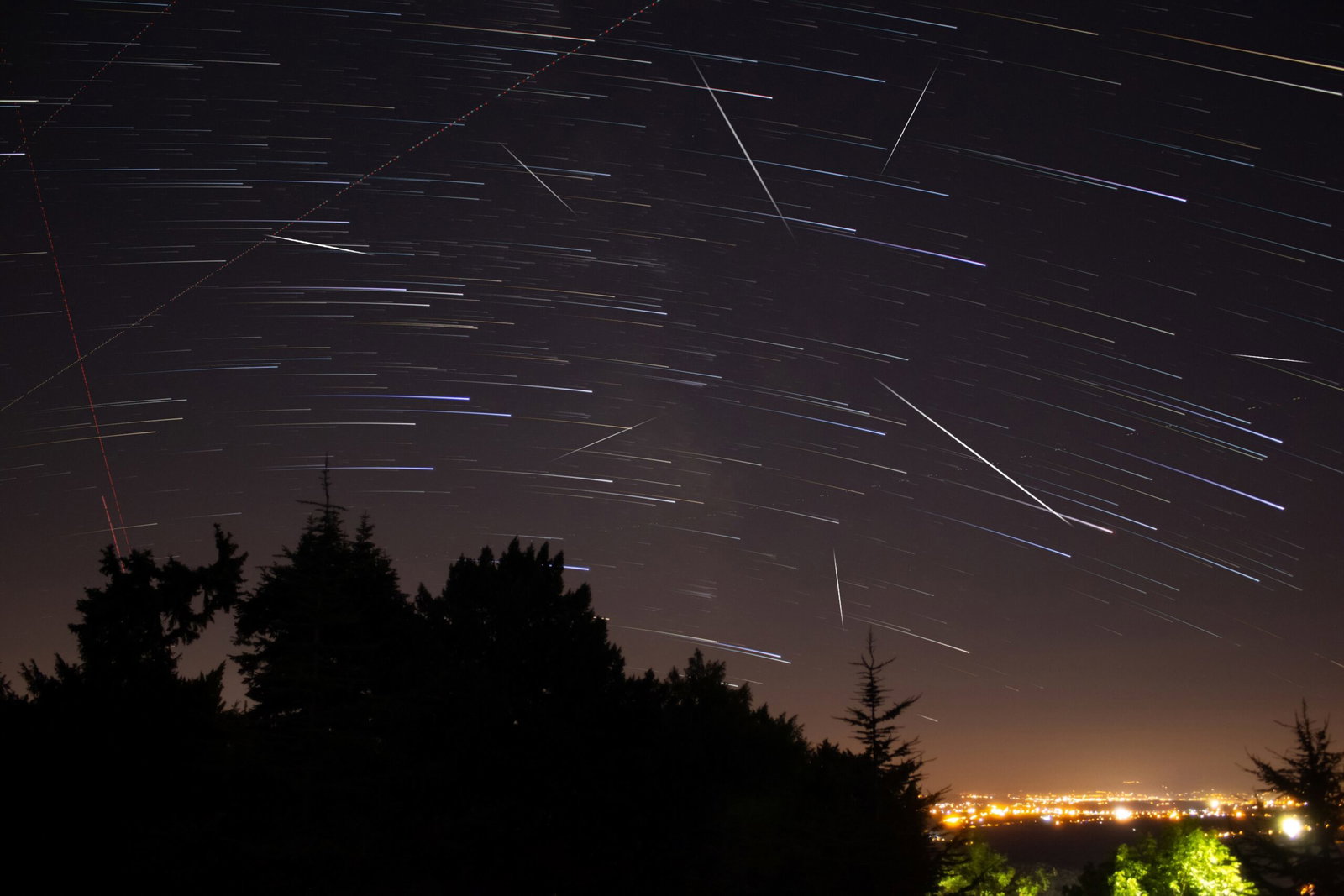
November 17 into 18 is expected to offer the strongest activity. Photo credit: AstroStar/Shutterstock
If you are hoping to catch a few shooting stars without travelling far or buying equipment, the Leonids offer a chance next week. Spain’s November meteor shower reaches its peak overnight on Tuesday, November 17, into Wednesday, November 18, with the best chance of seeing it after midnight.
This will not be a spectacular meteor storm, and anyone expecting hundreds of shooting stars is likely to be disappointed. The forecast is around 15 meteors an hour under ideal conditions, although the number visible will depend on how dark and clear the sky is.
When to see the Leonids in Spain
The National Geographic Institute (IGN) says the Leonids will reach maximum activity at approximately 00:45 on Wednesday, November 18, in mainland Spain and the Balearic Islands. In the Canary Islands, that is 23:45 on Tuesday, November 17. The meteor shower is active from November 6 to 30, so shooting stars may be visible on other nights.
However, November 17 into 18 is expected to offer the strongest activity. The Leonids are usually a modest shower, producing between 10 and 20 meteors an hour. The 2026 forecast is around 15 an hour in ideal viewing conditions, rather than the thousands sometimes associated with Leonid storms.
Where and how to watch the meteor shower
You do not need a telescope or binoculars to watch the Leonids. The IGN recommends leaving optical equipment aside because it narrows the amount of sky you can see. The best option is to get away from streetlights and other sources of light pollution, choosing an open spot with few obstructions. Buildings, trees and hills can block parts of the night sky, while urban lighting makes fainter meteors harder to pick out.
Although the meteors appear to come from the constellation Leo, they can streak across any part of the sky. There is no need to stare in one direction: settle somewhere comfortable, look towards the darkest area you can see and give your eyes time to adjust. The Moon should be less of a problem around the peak. It will be in its first quarter and is expected to set around midnight, leaving the later hours darker. The IGN says that, from latitudes around 40 degrees north, the Leonids’ radiant rises above the horizon from midnight and remains visible until dawn. A warm blanket can make the wait more comfortable, particularly if you plan to stay outside until dawn.
What causes the Leonids?
The shooting stars are tiny fragments left behind by comet 55P/Tempel-Tuttle. Earth passes through its trail of debris every November, and particles entering the atmosphere burn up, producing the streaks of light seen from the ground. The comet takes around 33 years to orbit the Sun.
Particularly dense trails can produce dramatic meteor storms. The Leonids are known for spectacular displays in the past, but no storm is forecast for 2026. Clear skies will decide how much of the shower people can see, so check local weather conditions before heading out. If clouds intervene on the peak night, the Leonids remain active until November 30, although activity will be lower.


The Bill goes further than cigarettes and other tobacco products. Photo credit: lightman_pic/SHutterstock
A teenager turning 18 next year could legally buy cigarettes in many places, but not in Gibraltar if new legislation gets the go-ahead. Even at 40, they would still be barred from buying tobacco. The restriction would follow a generation for life, rather than simply raising the legal smoking age.
Anyone resident in Gibraltar and born on or after January 1, 2009, would never be legally sold tobacco, regardless of how old they become. The rule is tied to date of birth, not the age at which someone tries to buy tobacco. It is a restriction on sales, not a blanket ban on smoking under this Bill.
A ban that follows one generation for life
The proposal has moved a step closer after the Government published its Smoke-free Generation, Nicotine Products and Single-use Vapes (Ban) Bill 2026 on November 12. It remains a Bill, rather than a law already in force.
Someone born in 2009 would turn 18 in 2027, 30 in 2039 and 40 in 2049 without gaining the legal right to buy tobacco in Gibraltar. The restriction would not take away the rights of adults who can already legally purchase tobacco. They would retain that right, while retailers would be given time to prepare for the changes.
Disposable vapes and nicotine pouches also targeted
The Bill goes further than cigarettes and other tobacco products. It would end the sale of single-use vapes in Gibraltar, regardless of the buyer’s age, and ban nicotine pouches outright. The Government is concerned about disposable vapes’ bright packaging and sweet flavours appealing to younger people.
Their plastic casings and batteries also create waste, adding an environmental reason for removing them from sale. Nicotine pouches, placed between the lip and gum, would also be prohibited. The Government says the products will be banned outright, rather than simply restricted to adults.
From public consultation to published Bill
The proposal is not entirely new. A Command Paper setting out plans for a smoke-free generation was published in March 2025, followed by a public consultation. The original proposals included preventing tobacco sales to people born from January 1, 2009, banning single-use vapes and restricting sales of nicotine products to under-18s.
The latest Bill formalises the measures after that consultation and fulfils a commitment made by Chief Minister Fabian Picardo at the Ceremonial Opening of Parliament.
What happens next?
Minister for Health, Care and Business Gemma Arias-Vasquez said almost every smoker started when they were young and many wished they had never taken it up. The Government points to links between smoking and cancer, heart disease, strokes and lung disease. It says preventing people from starting could mean longer, healthier lives and free resources for other healthcare needs. It also expects lower smoking rates over time to reduce pressure on Gibraltar’s health service in coming decades.
She called prevention the most effective health policy and said the reform was right for Gibraltar. The Bill now needs to progress through the legislative process before the proposed restrictions can become law. Until then, the generational tobacco ban and the restrictions on disposable vapes and nicotine pouches remain proposals, rather than rules currently in force.
Leonid meteor shower returns to Spain with its best display of shooting stars

Leonid Meteor Shower Returns To Spain With Its Best Display Of Shooting Stars
Gibraltar plans lifetime cigarette ban for anyone born after 2008


-

 New Developments2 weeks ago
Luxury Villas For Sale, Estepona – ProjectL1
-

 New Developments3 weeks ago
How To Get A Tourist Rental Licence In Andalusia (Spain) – Step-By-Step Guide 2025
-
Age Concern Marbella - San Pedro3 weeks ago
Halloween lunch sells out as 51 join Marbella get-together
-
Consumer Rights Spain4 weeks ago
EU offers extra year of warranty on phones, but Spain faces delays
-
Barcelona riots3 weeks ago
Looting and street violence hit Barcelona as El Corte Inglés customers are trapped
-
 %3 weeks ago
Spain Orders Replacement Of Eight Million Gas Meters: New Rules, Costs And Deadlines
-
Living in Spain4 weeks ago
Rejected for Spain’s widow’s pension? Unmarried parents could get a second chance
-
Gibraltar3 weeks ago
Proud to be British: HMS Queen Elizabeth opens its doors in Gibraltar