Connect with us

Latest

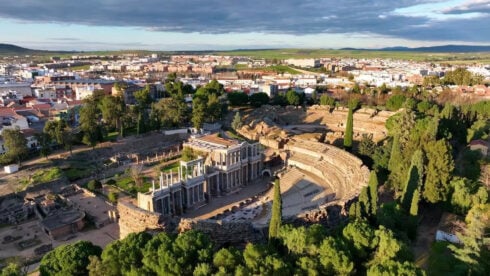
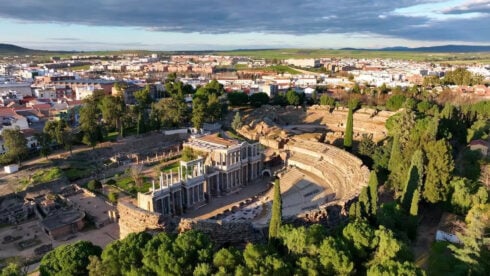
The World’s Best-Preserved Roman Bridge And A Theatre Still Putting On Plays After 2,000 Years Await Visitors To This Ancient Roman Capital

Published

on

the-world’s-best-preserved-roman-bridge-and-a-theatre-still-putting-on-plays-after-2,000-years-await-visitors-to-this-ancient-roman-capital

Accidente trenes Urda

Las Líneas De Alta Velocidad Española Vuelven A Teñirse De Sangre

Published

on

las-lineas-de-alta-velocidad-espanola-vuelven-a-tenirse-de-sangre

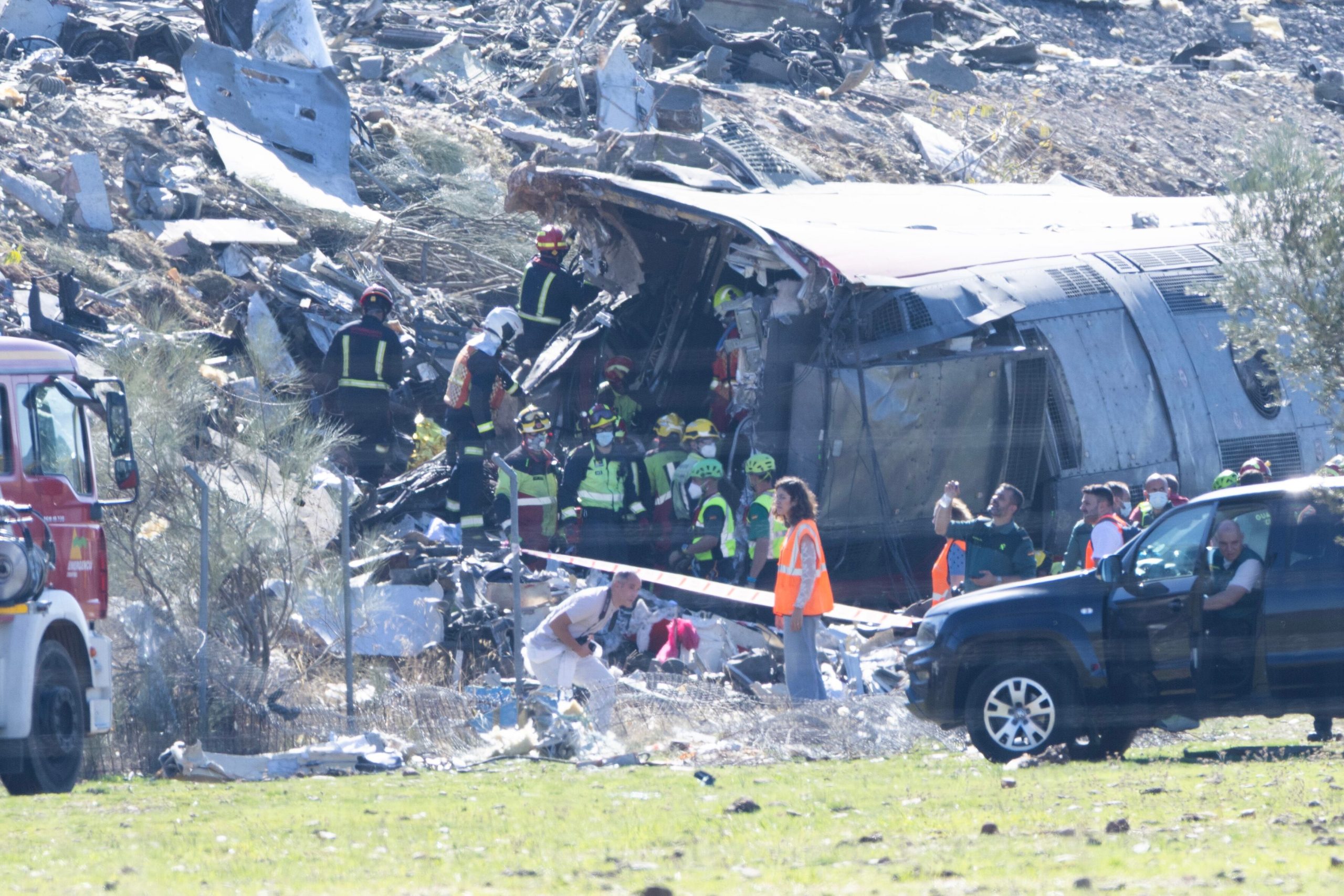
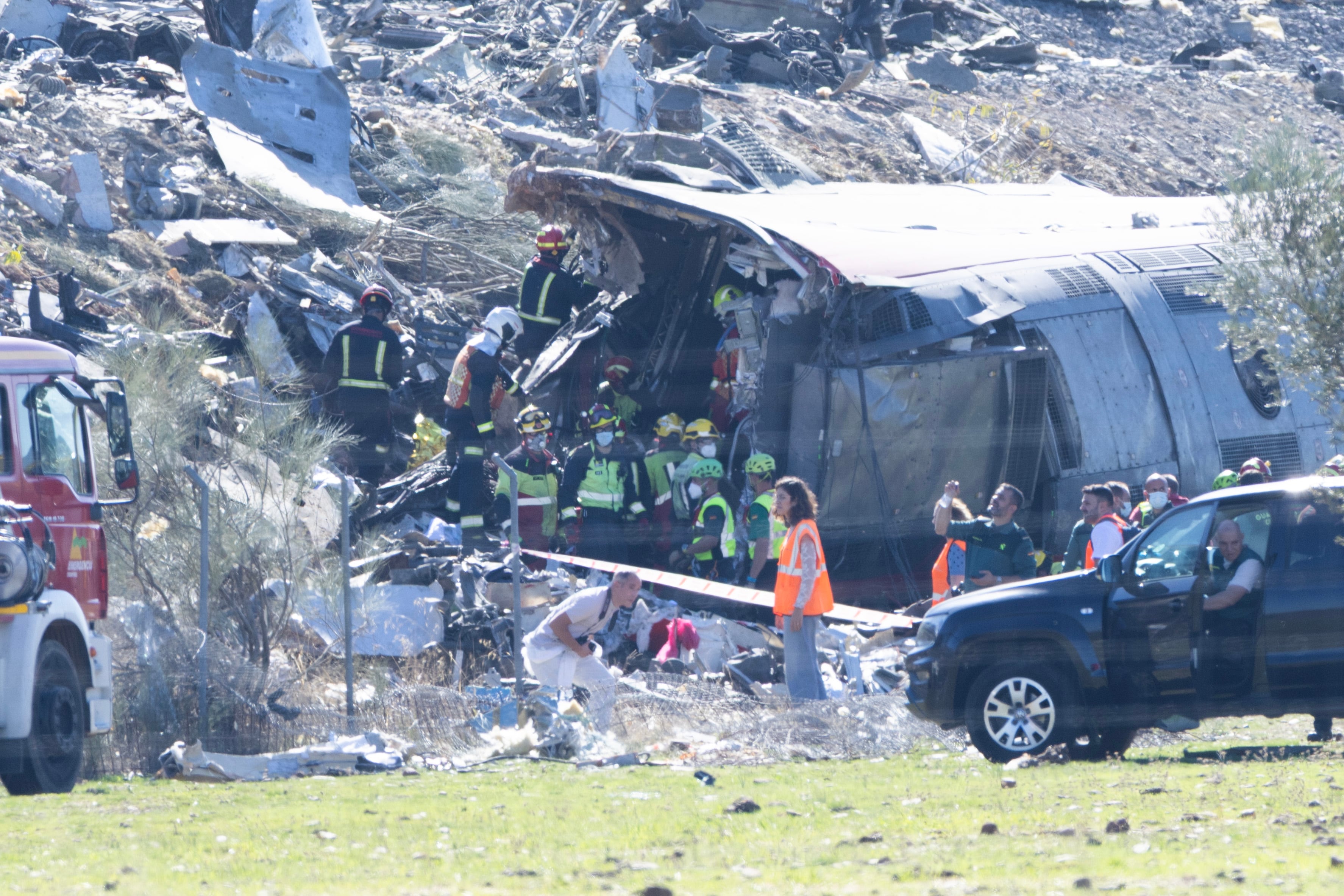
Accidente de AVE en Toledo, entre Yébenes y Urda.

Cuando se permite que el error de un solo hombre provoque decenas de víctimas mortales, ¿falla el hombre o falla el sistema? Es la pregunta, retórica, elaborada de distintas formas, pero con idéntico argumento, que lanzan a este periódico un experto español en investigación de accidentes ferroviarios y varios maquinistas. La imagen de un par de trenes de alta velocidad reventados, con las vías retorcidas, disparadas en vertical hacia el cielo, como si nunca hubieran sido de acero, y cadáveres tapados a la espera del juez se ha repetido en España dos veces en apenas nueve meses y en la misma línea: Madrid-Sevilla. En Adamuz (Córdoba) murieron el pasado enero 46 personas. En las proximidades de Urda (Toledo, 2.500 habitantes), la cifra de víctimas mortales alcanzaba anoche los 68, antes de que los especialistas pudieran levantar los restos de los vagones siniestrados. El país, de hecho, amaneció con esa comparación. “Va a ser peor que Adamuz”, advertían a los medios de comunicación, ya en las primeras horas, fuentes del Gobierno.

Seguir leyendo

Con información de Lucía Franco, Laura Llach, Jacobo García, José Marcos, Guillermo Abril, Virginia Martínez, César Alepuz, Juan Martínez y Fernando Criado.

Continue Reading

exclusive

EXCLUSIVE: On The Ground In Urda, The Rural Town At The Centre Of A Senseless Tragedy

Published

on

exclusive:-on-the-ground-in-urda,-the-rural-town-at-the-centre-of-a-senseless-tragedy

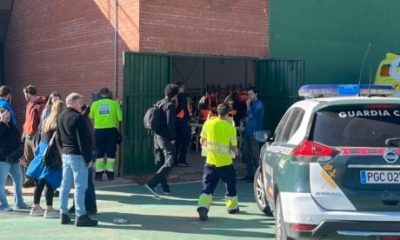
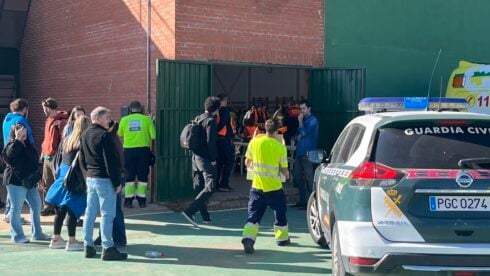
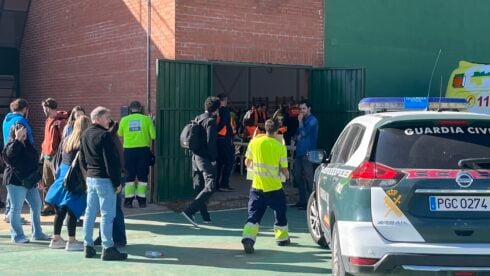
Paramedics and police outside a sports hallDuring a day of harrowing trauma, the Olive Press was at the centre of the rescue operation in a community rocked by disaster.

Continue Reading

Latest

Spain’s Transport Minister Blames Rail Crash On ‘inexplicable Human Error’

Published

on

By

A rail collision in Spain that claimed at least 68 lives on Wednesday came after a train was ordered to go in “error” by Spanish rail infrastructure manager Adif, despite a technical failure that halted all services, the transport minister said.

Spanish Minister of Transport Óscar Puente has directly blamed a decision by the Adif control centre for the accident between a Renfe AVE high-speed train and an Iryo train at the entrance to Urda station (Toledo) on Wednesday.

Adif is Spain’s state-operated rail infrastructure manager tasked with building, managing and maintaining the tracks, while Renfe runs Spain’s public trains.

The first findings relating to the accident in the central region of Castilla-La Mancha are likely to revive questions about rail safety in Spain after another high-speed collision in January killed 46 people.

Don’t miss our journalists’ daily news roundup from Spain

Puente said 69 kilometres (43 miles) of track were affected by an outage of the automatic control system, which “caused all the trains that were running at that time to stop automatically”.

READ ALSO: What we know so far about Spain’s deadly train collision

“The decision to resume traffic, while that system had not been restored, belongs to the control centre, and the control centre… took the decision to resume traffic in circumstances that, from our point of view, are inexplicable,” Puente said.

🔴 Óscar Puente atribuye a un error humano “inexplicable” que se ordenara reanudar la marcha al AVE antes del accidente con el Iryo en Urda https://t.co/XkQscRdDWU https://t.co/WWZwZV9ZLx

— elDiario.es (@eldiarioes) October 28, 2026

A train operated by state company Renfe restarted and travelled 25 kilometres until it collided with a stationary train belonging to private Spanish company Iryo, at a speed that could have reached “up to 200 kilometres per hour”, Puente added.

“It is clear that, in the control centre, the decision was taken to restart, and then they had more than enough time to verify the error, and they did not fix it,” Puente said.

With additional reporting by The Local Spain’s Alex Dunham

Continue Reading

Trending

Copyright © 2017 Spanish Property & News