
animal abuse
More than 800 dogs rescued from French puppy mill in biggest-ever animal welfare operation


The dogs were distributed among the SPA’s 64 shelters. Photo credit: Manon Rousselle/Shutterstock
People who bought puppies from a breeding establishment in central France say they were left with frightened animals, unexpected health problems and veterinary bills running into thousands of euros. Now, more than 800 dogs have been removed from the same establishment in what the country’s leading animal protection organisation has described as the largest rescue operation in its history.
The dogs were taken from a kennel in Heugnes, in the Indre department, during an operation on November 3 and 4. The rescue followed an investigation into suspected animal mistreatment and fraud. More than 20 breeds were found at the establishment, including poodles, bichons and cockers.
64 shelters mobilised to take in the dogs
Finding somewhere safe for more than 800 animals required an extraordinary effort. The Société Protectrice des Animaux (SPA) mobilised all 64 of its shelters, with more than 160 employees and volunteers and around 90 vehicles involved in the operation. Every dog had to be removed, transported and assessed.
The shelters must now accommodate an enormous influx of animals while arranging veterinary checks and identifying those needing treatment. Some may also require careful handling and time to become comfortable around people again. The shelters must continue caring for their existing residents while making room for the newly rescued animals. Tamara Guelton, the SPA’s head of legal affairs for animal protection, said that in her 23 years with the organisation, she had never coordinated a seizure on this scale.
Former workers and owners describe disturbing conditions
Accounts given to French broadcaster TF1 have raised further concerns about the establishment. A former employee, who was not named, described premises covered in urine and faeces and alleged that dogs had been subjected to violence. People who had bought puppies from the breeder also reported problems after taking their animals home. One owner said her dog was extremely anxious, flattening itself against the ground or running towards the road when startled.
She also reported that it had lost teeth and struggled to eat, forcing her to soak its food. Another buyer told TF1 she had spent more than €1,000 on veterinary treatment after her dog developed digestive problems shortly after adoption. She said vets had linked the illness to the breeding establishment. These are individual accounts reported by TF1 and do not, by themselves, establish criminal responsibility. That will be determined through the investigation.
Investigation into suspected animal abuse and fraud
The operation involved the French Gendarmerie and the National Brigade of Veterinary and Phytosanitary Investigations (BNEVP), under the authority of the public prosecutor in Châteauroux.The establishment is being investigated over suspected animal mistreatment and alleged fraud.
Unfortunately being taken out of the puppy mill does not mean the dogs can be placed in new homes. The SPA must first check their health, arrange veterinary treatment where needed and assess their behaviour. Some will need time and patient handling before they are ready to live with a new family. The organisation has not yet indicated when the animals will become available for adoption.









animal abuse
Five years of complaints ignored? 110 dogs found beaten, starved and neglected in Spain
Reports of the dogs situations had been made for five years. Photo credit: Policía Local Buñol/Facebook
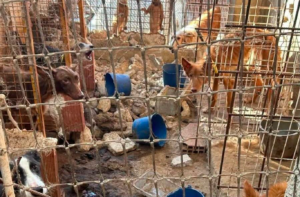
A neighbour’s complaint has uncovered 110 dogs living in appalling conditions at a property in Buñol, Valencia. The animals were found without water, exposed to high temperatures and showing signs of severe malnutrition. Some were restrained with short chains, while overcrowding left others with barely enough room to move.
An animal welfare organisation says 26 dogs were found dead at the property. Asociación Defensa Animal Torrent (ADAT) also claims complaints about the animals had been made over five years with nothing being done about it by authorities, raising questions about how long the situation had continued, how effective the animal welfare laws are in Spain and whether earlier intervention could have prevented further suffering. Police have removed the surviving dogs and opened an investigation into the property owner on suspicion of animal abuse.
A neighbour’s alert led to the rescue
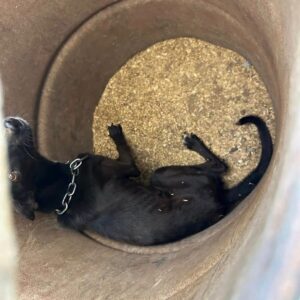
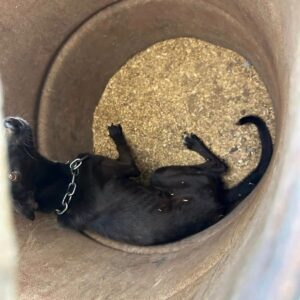
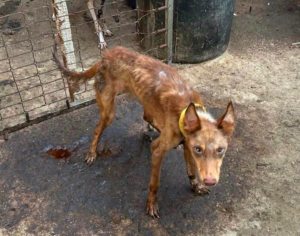
The operation began after a resident contacted Buñol Local Police about the dogs. Officers investigated and brought in the Guardia Civil’s SEPRONA unit from Requena, which deals with offences involving animal welfare and the environment. At the property, officers found 110 dogs exposed to direct sunlight and high temperatures, with no access to water or food. Some were tied up with short chains. Others were crowded into confined spaces such as barrels and tiny rusty cages leaving them little to no room to move.
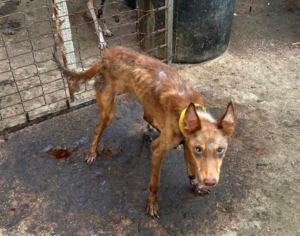
Police also found signs of severe malnutrition and suspected physical abuse. The dogs were seized and taken to Ribamontes, an animal reception centre working with Buñol Town Hall. They are receiving veterinary attention, and their health will need to be assessed individually. The owner is being investigated on suspicion of animal abuse. The case has been put before the judicial authorities. No conviction has been reported as of yet, and the investigation will have to establish responsibility for the conditions in which the animals were kept.
Animal group reports 26 dogs found dead
ADAT says the 110 surviving dogs were not the only animals at the property. The organisation reports that 26 dogs were found dead, bringing the total number involved to 136. The group has also described finding remains in barrels covered with concrete, as well as skeletons. Those details have been attributed to ADAT and have not been independently confirmed in the police account. The causes of the reported deaths have not been made public.
ADAT says complaints about the property had been made over five years. Police have confirmed that the operation followed an alert from a resident, but have not explained whether earlier complaints were received or what action may have followed. If reports were made over several years, investigators will need to establish when they were submitted, who received them and whether the property was inspected before the latest intervention and if not, why was nothing done about it?
The association’s account also raises questions about the number of animals that may have passed through the property during that period and how many unnecessary deaths may have been prevented if only the authorities had investigated the situation sooner.
Spain’s animal welfare law leaves hunting dogs outside its protection
The entire situation has also drawn attention to a major gap and ineffectiveness of Spain’s animal welfare legislation: dogs used for hunting are excluded from the national Animal Welfare Law, despite being just as vulnerable to neglect and cruelty as other dogs. Under Law 7/2023, which came into force in September 2023, hunting dogs, dogs kept in rehalas (packs used for hunting) and other animals used for hunting are excluded from the law’s scope. They are instead covered by other European, national and regional regulations.
Animal welfare organisations have criticised this exclusion, arguing that a dog’s need for proper care does not change according to whether it is kept as a pet or used for work. Hunting dogs still need adequate food, clean water, veterinary treatment, suitable accommodation and protection from mistreatment. Including them in the national legislation would establish consistent minimum welfare standards for all dogs. It would also provide a stronger framework for monitoring their conditions, identifying neglect and holding owners accountable when animals are deprived of basic care.
Most of the dogs rescued in Buñol are reportedly podencos, a breed widely used for hunting in Spain, A solid and functional animal welfare law would not discriminate a dog’s purpose or worth and should not determine whether it receives protection from hunger, thirst, neglect or abuse.
Rescued dogs need care and suitable homes
The surviving animals are now at Ribamontes, where they are receiving veterinary attention. Most are dogs are podencos, according to reports about the rescue indicating that they potentially have been used for hunting. Their health will need to be assessed, particularly if they have been left malnourished or have other medical problems. The centre has received judicial authorisation to place dogs in foster homes or arrange adoptions. Animals can leave the reception centre as suitable placements are found. Anyone taking one in will need to be prepared for possible ongoing veterinary care and time to settle into a new home.
People interested in fostering or adopting can contact Ribamontes on 625 05 74 25 for information about the process and the dogs available. Finding homes for 110 animals will take time. Each dog will need to be matched with a household able to meet its needs. Prospective adopters should ask about the animal’s condition and care requirements before making a commitment.
Authorities will examine the conditions in which the dogs were kept and the evidence gathered during the operation. ADAT’s claims about the 26 deaths and earlier complaints also remain to be clarified. The rescue has removed 110 dogs from the property, but the investigation has more to establish: how the animals came to be kept in those conditions, why were the reports ignored by authorities for five whole years, what happened to the dogs reported dead and whether the full force of the law will fall upon the man who did this.

Reports of the dogs situations had been made for five years. Photo credit: Policía Local Buñol/Facebook
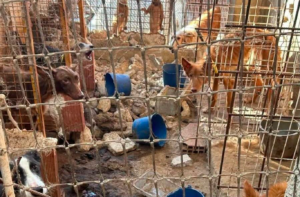
A neighbour’s complaint has uncovered 110 dogs living in appalling conditions at a property in Buñol, Valencia. The animals were found without water, exposed to high temperatures and showing signs of severe malnutrition. Some were restrained with short chains, while overcrowding left others with barely enough room to move.
An animal welfare organisation says 26 dogs were found dead at the property. Asociación Defensa Animal Torrent (ADAT) also claims complaints about the animals had been made over five years with nothing being done about it by authorities, raising questions about how long the situation had continued, how effective the animal welfare laws are in Spain and whether earlier intervention could have prevented further suffering. Police have removed the surviving dogs and opened an investigation into the property owner on suspicion of animal abuse.
A neighbour’s alert led to the rescue
The operation began after a resident contacted Buñol Local Police about the dogs. Officers investigated and brought in the Guardia Civil’s SEPRONA unit from Requena, which deals with offences involving animal welfare and the environment. At the property, officers found 110 dogs exposed to direct sunlight and high temperatures, with no access to water or food. Some were tied up with short chains. Others were crowded into confined spaces such as barrels and tiny rusty cages leaving them little to no room to move.
Police also found signs of severe malnutrition and suspected physical abuse. The dogs were seized and taken to Ribamontes, an animal reception centre working with Buñol Town Hall. They are receiving veterinary attention, and their health will need to be assessed individually. The owner is being investigated on suspicion of animal abuse. The case has been put before the judicial authorities. No conviction has been reported as of yet, and the investigation will have to establish responsibility for the conditions in which the animals were kept.
Animal group reports 26 dogs found dead
ADAT says the 110 surviving dogs were not the only animals at the property. The organisation reports that 26 dogs were found dead, bringing the total number involved to 136. The group has also described finding remains in barrels covered with concrete, as well as skeletons. Those details have been attributed to ADAT and have not been independently confirmed in the police account. The causes of the reported deaths have not been made public.
ADAT says complaints about the property had been made over five years. Police have confirmed that the operation followed an alert from a resident, but have not explained whether earlier complaints were received or what action may have followed. If reports were made over several years, investigators will need to establish when they were submitted, who received them and whether the property was inspected before the latest intervention and if not, why was nothing done about it?
The association’s account also raises questions about the number of animals that may have passed through the property during that period and how many unnecessary deaths may have been prevented if only the authorities had investigated the situation sooner.
Spain’s animal welfare law leaves hunting dogs outside its protection
The entire situation has also drawn attention to a major gap and ineffectiveness of Spain’s animal welfare legislation: dogs used for hunting are excluded from the national Animal Welfare Law, despite being just as vulnerable to neglect and cruelty as other dogs. Under Law 7/2023, which came into force in September 2023, hunting dogs, dogs kept in rehalas (packs used for hunting) and other animals used for hunting are excluded from the law’s scope. They are instead covered by other European, national and regional regulations.
Animal welfare organisations have criticised this exclusion, arguing that a dog’s need for proper care does not change according to whether it is kept as a pet or used for work. Hunting dogs still need adequate food, clean water, veterinary treatment, suitable accommodation and protection from mistreatment. Including them in the national legislation would establish consistent minimum welfare standards for all dogs. It would also provide a stronger framework for monitoring their conditions, identifying neglect and holding owners accountable when animals are deprived of basic care.
Most of the dogs rescued in Buñol are reportedly podencos, a breed widely used for hunting in Spain, A solid and functional animal welfare law would not discriminate a dog’s purpose or worth and should not determine whether it receives protection from hunger, thirst, neglect or abuse.
Rescued dogs need care and suitable homes
The surviving animals are now at Ribamontes, where they are receiving veterinary attention. Most are dogs are podencos, according to reports about the rescue indicating that they potentially have been used for hunting. Their health will need to be assessed, particularly if they have been left malnourished or have other medical problems. The centre has received judicial authorisation to place dogs in foster homes or arrange adoptions. Animals can leave the reception centre as suitable placements are found. Anyone taking one in will need to be prepared for possible ongoing veterinary care and time to settle into a new home.
People interested in fostering or adopting can contact Ribamontes on 625 05 74 25 for information about the process and the dogs available. Finding homes for 110 animals will take time. Each dog will need to be matched with a household able to meet its needs. Prospective adopters should ask about the animal’s condition and care requirements before making a commitment.
Authorities will examine the conditions in which the dogs were kept and the evidence gathered during the operation. ADAT’s claims about the 26 deaths and earlier complaints also remain to be clarified. The rescue has removed 110 dogs from the property, but the investigation has more to establish: how the animals came to be kept in those conditions, why were the reports ignored by authorities for five whole years, what happened to the dogs reported dead and whether the full force of the law will fall upon the man who did this.

Toto Wolff Mercedes exit plan revealed as F1 commentator tips successor

La Cancelación De Vuelos En Estados Unidos, En Vivo | Estados Unidos Levanta La Suspensión De Vuelos Tras Más De Cuatro Horas De Paro Total

Caos En Los Aeropuertos De EE UU Por La Suspensión De Vuelos: “Nadie Va A Ir A Ninguna Parte”


-
DGT4 weeks ago
Viral video in Spain sparks fury over drivers who ‘have no idea how to drive’
-

 New Developments3 weeks ago
How To Get A Tourist Rental Licence In Andalusia (Spain) – Step-By-Step Guide 2025
-

 New Developments2 weeks ago
Luxury Villas For Sale, Estepona – ProjectL1
-
Age Concern Marbella - San Pedro3 weeks ago
Halloween lunch sells out as 51 join Marbella get-together
-
Consumer Rights Spain4 weeks ago
EU offers extra year of warranty on phones, but Spain faces delays
-

 %4 weeks ago
Santa Pola Museo Del Mar
-
Barcelona riots3 weeks ago
Looting and street violence hit Barcelona as El Corte Inglés customers are trapped
-

 %3 weeks ago
Spain Orders Replacement Of Eight Million Gas Meters: New Rules, Costs And Deadlines