Connect with us

%

Motorhome Owners Plan New Protests In Elche

Published

on

motorhome-owners-plan-new-protests-in-elche

Motorhome parking restrictions. Credit: Tunatura / Shutterstock.com.

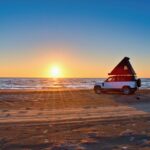
Motorhome owners are preparing to intensify their campaign against parking restrictions in Elche and Santa Pola following changes to Spain’s traffic regulations. Campaigners say the new rules strengthen their argument that legally parked motorhomes should not automatically be considered to be camping, with another demonstration in Elche now planned before the end of the year.

New traffic rules cover motorhome parking

Motorhome owners are preparing to step up their battle against parking restrictions in Elche and Santa Pola following changes to Spain’s traffic regulations.

The new rules, which came into force on October 1, set specific conditions for parking motorhomes and other vehicles adapted for accommodation. Owners argue the change strengthens their case that legally parked motorhomes should not automatically be treated as camping.

Under the regulations, nothing can extend beyond the vehicle; it must remain supported on its tyres, although safety chocks are permitted, and no fluids can be discharged from the living area.

Coastal parking restrictions cause controversy

The issue has caused particular controversy around coastal areas including Santa Pola’s Cabo and parking areas near Elche’s beaches, where motorhome users claim restrictions unfairly single them out.

Campaigners argue that vans and other large vehicles can use some parking areas while motorhomes face restrictions simply because they contain living accommodation.

The debate centres on the distinction between parking a vehicle and using the surrounding public space for camping activities.

Third Elche demonstration planned this year

Motorhome group Helgober is now planning a third demonstration in Elche before the end of the year, following two protests in 2025.

Organisers hope to attract drivers from across Spain and are also considering legal action against councils over restrictions they believe are unjustified.

The planned demonstration would bring the parking dispute back into the spotlight as campaigners continue to challenge the way restrictions are applied to motorhomes.

Campaigners call for action against offenders

Campaigners acknowledge problems such as illegal waste disposal and putting out furniture, but say individual offenders should be dealt with rather than imposing restrictions on all motorhome owners.

They argue that owners who comply with the rules should be able to park without automatically being treated as campers, and are preparing to continue their campaign in Elche before the end of 2026.

Sign up for personalised news

Subscribe to our Euro Weekly News alerts to get the latest stories into your inbox!

By signing up, you will create a Euro Weekly News account if you don’t already have one. Review our Privacy Policy for more information about our privacy practices.

%

Sardinian Screen Free Families Dinner

Published

on

sardinian-screen-free-families-dinner

Fifteen restaurants in Sardinia are encouraging families to put their phones away at mealtimes, using games and activities to help parents and children reconnect without digital distractions.

Scrolling while you eat

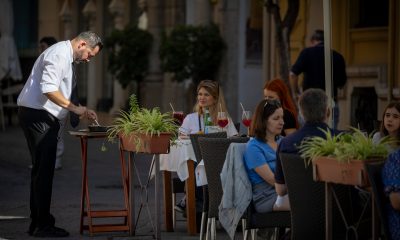
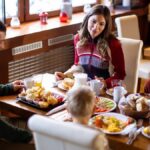
Smartphones are now a regular presence at many family dinners, but a new initiative in Sardinia hopes to get people talking again. Participating restaurants are inviting parents and children to put their devices aside and enjoy a meal without constantly checking screens.

The scheme, called A tavola senza schermi (‘At the table without screens’), is a one-month pilot involving 15 restaurants, who volunteered to take part, across the Italian island due to begin in early November.

Why Sardinian restaurants want families to put phones away

The initiative was launched by Sardinia’s children’s and adolescents’ ombudsman, Anna Cau, in collaboration with Fipe Confcommercio Sardegna. Its aim is to encourage face-to-face communication and address concerns about excessive screen use among children.

According to The Guardian’s report, organisers want to make it easier for families to spend mealtimes talking rather than concentrating on their devices.

Emanuele Frongia, president of Fipe Confcommercio Sardegna, has raised concerns about conversations being replaced by silence when diners focus on their phones. Children may also be given devices to keep them occupied while adults eat.

Rather than introducing a compulsory ban, the project encourages parents to lead by example and agree to put their own phones away, too.

Games and activities replace screen time

Participating restaurants will offer families a ‘Kit del Ritrovo’, or ‘Reunion Kit’, developed with input from Italy’s federation of paediatricians.

The kit includes games, drawing activities and age-appropriate ideas to keep children occupied while waiting for their food. Families will also receive information about digital exposure and advice on managing children’s and teenagers’ technology use at home.

The activities are intended to make the experience enjoyable rather than restrictive. Phones are put away during the meal, with families encouraged to agree on exceptions beforehand. Urgent calls should be taken away from the table.

Which restaurants in Sardinia are taking part?

The participating restaurants are spread across several parts of the island, including Cagliari, Nuoro, Bari Sardo, Alghero, Olbia and Porto Rotondo.

Named participants include Antica Cagliari and Pani e Casu in Cagliari, Pappas Experience in Nuoro, I Tre Mori da Mario in Bari Sardo, Risto Fever in Alghero, Ristorante Terranostra in Olbia and La Rosa dei Venti in Porto Rotondo. Other venues are located in areas including Capoterra, Ussassai and Santa Teresa Gallura.

Organisers initially planned to involve eight restaurants, but the number grew to 15 as more businesses volunteered. The trial will help assess whether the initiative could be extended.

How Sardinia’s scheme differs from Italy’s luxury phone-free restaurant

The family-focused project comes as other Italian dining venues introduce their own restrictions on mobile phones.

Yera, a restaurant at the Forestis hotel in South Tyrol, has attracted attention for its €650-per-person dining experience, which requires guests to leave their phones and cameras in lockers, as reported here in EWN. 

However, Sardinia’s initiative has a different purpose: encouraging healthier digital habits and better family interaction rather than making a phone-free meal part of an exclusive luxury experience.

Could screen-free family meals catch on?

For some parents, an hour without checking notifications may not be a big deal. For others, changing an established habit could prove more difficult. Sardinia’s trial gives families a wholesome way to try a different approach, with activities for children and guidance for parents.

Continue Reading

%

DIA Frozen Seafood Warning With Undeclared Egg

Published

on

dia-frozen-seafood-warning-with-undeclared-egg

Frozen food product alert. Credit: AESAN

Shoppers across Spain are being encouraged to check their freezers after the country’s food safety agency issued a nationwide warning over a frozen seafood product sold by supermarket chain DIA.

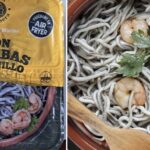
The alert concerns eight batches of MeloDIA marinera con gambas al ajillo, a frozen seafood preparation sold under the DIA Mari Marinera brand. The 250g plastic tray contains two 125g portions, and the product was distributed across Spain.

Spain’s Agency for Food Safety and Nutrition (AESAN) published the warning on Wednesday, October 28, after being notified that the product contains egg that is not declared on its packaging. Read the official AESAN food safety warning.

The warning is specifically directed at people with an egg allergy, who are being told not to eat the affected product if they have it at home. AESAN has stressed that consuming the product does not pose a risk to the rest of the population in relation to this alert.

Which DIA frozen seafood batches are affected?

Consumers who have bought the product should check the batch code and expiry date printed on the packaging.

The eight affected batches are:

  • L260566GGO – November 30, 2027
  • L260642GGO – December 31, 2027
  • L260747GGO – January 31, 2028
  • L260754GGO – January 31, 2028
  • L260769GGO – January 31, 2028
  • L260942GGO – March 31, 2028
  • L260951GGO – March 31, 2028
  • L260962GGO – March 31, 2028

The warning follows information supplied through Spain’s coordinated food safety alert system after the company reported the labelling problem to the authorities. AESAN has passed the information to the relevant authorities so they can verify that affected products have been withdrawn from sale.

Anyone who is unsure whether their product is affected should check the batch details carefully and contact the retailer for guidance. Consumers can also consult AESAN’s official food safety alerts page for other warnings affecting products sold in Spain.

Why undeclared egg can be dangerous

Egg is a recognised food allergen, and people with an egg allergy can experience reactions after eating a product containing it. Symptoms can range from skin reactions and digestive problems to breathing difficulties. In severe cases, food allergies can cause anaphylaxis, a potentially life-threatening reaction requiring emergency treatment.

The issue is that shoppers who rely on ingredient labels to avoid allergens may have no reason to expect egg in a product whose packaging does not declare its presence. The European Commission explains which allergens must be declared on food labels and why accurate labelling matters.

People with an egg allergy should not consume any of the identified batches, even if the product looks and smells normal.

Malaga food poisoning cases put food safety in focus

It seems that Spanish prawn dishes are not the flavour of the month. The warning comes after two separate food poisoning incidents affected wedding celebrations in Malaga province during October. Around 40 people fell ill after a wedding reception at the Estival Torrequebrada hotel in Benalmadena on October 10. Health authorities subsequently confirmed salmonella as the cause. Read our report on the food poisoning outbreak affecting wedding guests at a Benalmadena hotel.

A second outbreak was reported following a wedding celebration in Iznate, in the Axarquia, where around 40 people developed symptoms. Initial tests detected salmonella in an affected person, while investigations continued to establish the source. One guest was admitted to intensive care. Our follow-up report covers the two Malaga wedding food poisoning outbreaks under investigation.

There is no reported connection between those incidents and the DIA seafood warning. The distinction is important: the latest alert concerns an undeclared allergen, whereas the wedding outbreaks involved suspected foodborne infections. But, all three incidences involved prawns.

For consumers, the practical message is to check official food safety warnings, pay attention to product labels and take any suspected allergic reaction or foodborne illness seriously.

Continue Reading

%

Large Make-A-Wish Bear Kidnapped In Ireland, But Generous Stranger Pays To Replace Her

Published

on

large-make-a-wish-bear-kidnapped-in-ireland,-but-generous-stranger-pays-to-replace-her

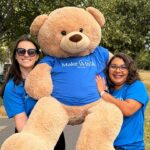
Anonymous donor replaces stolen charity teddy bear after nationwide search efforts. Photo Credit: Make-A-Wish Ireland

A charity in Ireland has, with a heavy heart, called off the search for Hope, a large Make-A-Wish plush bear that was unexpectedly stolen after the Irish Open in September. However, a generous anonymous donor has covered the cost to replace the kidnapped bear, which was part of the charity’s family for 15 years.

Large, beloved plush bear disappears after golf tournament

Hope was last seen during the Irish Irish Open at the Trump International Golf Links and Hotel in Doonbeg at around 7:00pm on Sunday, September 13. Make-A-Wish had been partners with the sporting event, and the team had been on-site, along with Hope, through the week it went on. At the end of the event, charity staff packed up their stand and merchandise, to be collected the next morning by courier to be brought back to the charity’s office in Dublin.

However, Hope was already gone when the courier turned up. Staff assumed she had been misplaced due to her considerable size – 5 feet tall, or just over 1.5 metres – but after several weeks with no sign of her, the charity issued a plea to Irish residents for a search: “If found, do approach with kindness and don’t be surprised if she makes your day brighter,” stated the charity on Hope’s missing poster.

Nationwide search sparks an outpouring of kindness

The adorable blonde bear has been an important mascot for the charity for more than a decade, and she is used to support fundraising activities, visit children, and “generally bring a hug and cheer to those who need her most”, according to a spokesperson for the non-profit organisation. The charity itself is dedicated to grant the wishes of children with critical medical conditions.

The charity received a call reporting various sightings, including in Galway, Co Clare and Drogheda, but none of the furry friends turned out to be Hope. Despite nationwide efforts and the public’s enthusiastic involvement in the search efforts, Hope remains missing.

The ‘most touching’ offer: Six-year-old girl offers her own teddy bear to Make-A-Wish

However, the story does not entirely have a sad ending. According to Make-A-Wish, the appeal “inspired an outpouring of kindness, with messages of support and offers of replacement bears arriving from around the country”. The most touching offer was from a six-year-old girl, who offered to give the charity her own giant teddy bear. The charity did not accept her offer, but stated it was “deeply moved by her generosity”.

Even still, the absence of Hope was noticed by staff, supporters of the charity, and the children. She would always attend events to bring anyone who met her hugs of comfort and joy. According to Susan O’Dwyer, CEO of Make-A-Wish Ireland, it was a “very difficult decision to call off the search”.

Anonymous donor funds a replacement mascot

Luckily, in the final week of October, a generous donation from an anonymous supporter allowed the charity to purchase another giant teddy bear. The new mascot is slightly smaller than Hope, and has strawberry-blonde fur as well as a red necktie. Though Hope is irreplaceable, the new teddy is ready to give the children support, joy and comfort.

While the active search has officially been called off, anyone with any additional information about Hope’s whereabouts is still encouraged to contact the charity. However, wherever she may be, it is certain that she is still brightening the days of anyone who meets her.

Continue Reading

Trending

Copyright © 2017 Spanish Property & News