Connect with us

Latest

One For The History Books: What We Know About The European Heatwave

Published

on

Europe is still taking stock of a powerful heatwave in late June but experts are already confident it ranks among the worst ever recorded — even rivalling a freak 2003 episode.

Temperature records were rewritten across Europe as hundreds of millions of people withered under extreme heat that closed schools, shut down transport and cost untold lives.

A heat dome trapped hot air from North Africa over the Iberian Peninsula in late June before spreading as far as the United Kingdom, eventually weakening over central and eastern parts of Europe in early July.

As the mercury starts to rise again in Europe, here’s what we know so far about the impact of the early summer heatwave:

Memories of 2003

As the June episode intensified, comparisons were quickly made to August 2003, when a heatwave of unprecedented magnitude baked Europe for a fortnight, causing tens of thousands of excess deaths.

Alvaro Silva, from the World Meteorological Organization, said duration was one measure of heatwave severity — along with intensity and range — and this recent episode was not as long as 2003.

“But we got many temperature records during this heatwave and the most impressive thing, we were still in June. So this is a big difference,” the climate scientist told AFP.

France’s weather service said the 14-day heatwave was even “more intense” than the 2003 episode that claimed 15,000 lives in France — although it was two days shorter.

Meteo France said temperatures above 40C were registered 114 times between June 17 and June 29 — surpassing the previous record of 87 instances during August 2003.

The UK Met Office said “direct comparisons with historic events are not straightforward because each heatwave has different characteristics”.

The recent heatwave was “one of the most significant” the UK has experienced in recent decades and particularly notable for a combination of “sustained heat, exceptional humidity and very warm nights”, it added.

Severe, historic

World Weather Attribution, a network of climate scientists, said the heatwave was the “most severe ever recorded” based on a three-day forecast of average peak temperatures over the region studied.

Such a heatwave would have been “virtually impossible” without the influence of climate change, they said. A similar event in June 2003 would have been about 2C cooler.

In a preliminary assessment, Germany’s weather service said the heatwave “can without a doubt be described as historic”.

“Since weather records began, there has never before been such a long and intense heatwave so early in the summer, in Germany or in many other parts of Europe,” it said.

Radim Tolasz, a climatologist at the Czech Hydrometeorological Institute, told AFP the heatwave smashed previous temperature highs and for June was the longest ever recorded.

In the Netherlands it was only the sixth most severe on record.

35C for two-thirds of Europeans

More than two-thirds of Europeans endured temperatures topping 35C during the June 15-30 heatwave, according to an AFP analysis.

Areas inhabited by some 410 million people on the continent were concerned by the hot spell, compared with 320 million during the record-setting heatwave of August 2003.

Almost the entire population of mainland France and more than three-quarters of the combined populations of Spain and Italy experienced temperatures exceeding 35C at some point in June.

Death toll

The heatwave has been linked to thousands of excess deaths in Europe.

France recorded a 29.1 percent increase in the number of recorded deaths during the week starting June 22. That corresponded to 2,025 additional deaths compared to the previous week.

In Spain, at least 1,028 people died of heat-related issues in June, more than double the figure from the same month last year.

Belgium reported 39 percent more deaths than normal between June 18 and 29, amounting to 1,222 excess fatalities.

In the Netherlands, provisional estimates of mortality figures for June 22-28 indicated approximately 480 more deaths than expected.

Temperature records 

Temperature records tumbled across Europe, with the thermostat topping 40C in many locations during the hot spell.

Germany, Poland, Slovakia, the Czech Republic and Hungary recorded their hottest ever temperatures, while the United Kingdom, France and Switzerland hit new highs for June.

Continue Reading
Click to comment

Leave a Reply

Your email address will not be published.

bomberos

El Fuego De Les Gavarres Alcanza Casas De Una Urbanización De Calonge, En La Costa Brava

Published

on

el-fuego-de-les-gavarres-alcanza-casas-de-una-urbanizacion-de-calonge,-en-la-costa-brava

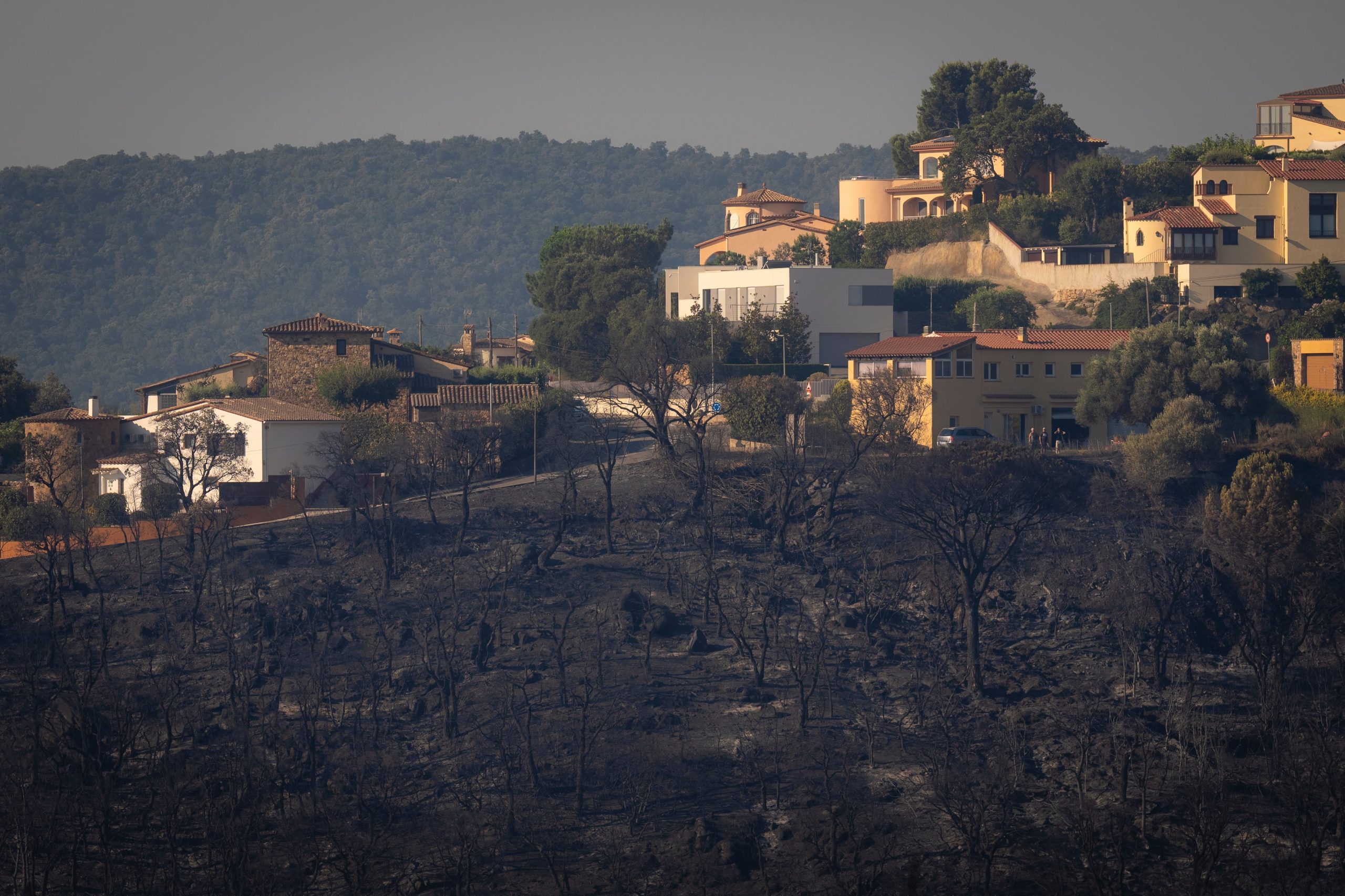
El incendio que este viernes se declaró en La Bisbal d’Empordà, en Girona, y que quema el espacio natural protegido de Les Gavarres, ha alcanzado ya casas de una urbanización de la urbanización Cabanyes de Calonge, donde una se ha quemado y otras 12 tienen afectación en jardines y vallas, han informado los bomberos y el Ayuntamiento. También se ha quemado una masía. La noche ha sido de muchos nervios en un incendio azotado por el viento de Tramuntana primero y Marinada después, en el que trabajan 400 efectivos de bomberos, todos los disponibles de guardia y también la Unidad Militar del Ejército (UME) y que según las últimas cifras oficiales afecta a un perímetro de 2.400 hectáreas (con zonas de su interior que no han alcanzado las llamas, lo que se conoce como islas verdes).

Seguir leyendo

El president Salvador Illa y el jefe de Bomberos, David Borrell, esta mañana, en el centro de control en la Bisbal d'Empordà.

Continue Reading

Ataques militares

La Crisis Del Combustible Se Agudiza En Rusia: Colas Enormes Y Racionamiento En Las Gasolineras Por Todo El País

Published

on

la-crisis-del-combustible-se-agudiza-en-rusia:-colas-enormes-y-racionamiento-en-las-gasolineras-por-todo-el-pais

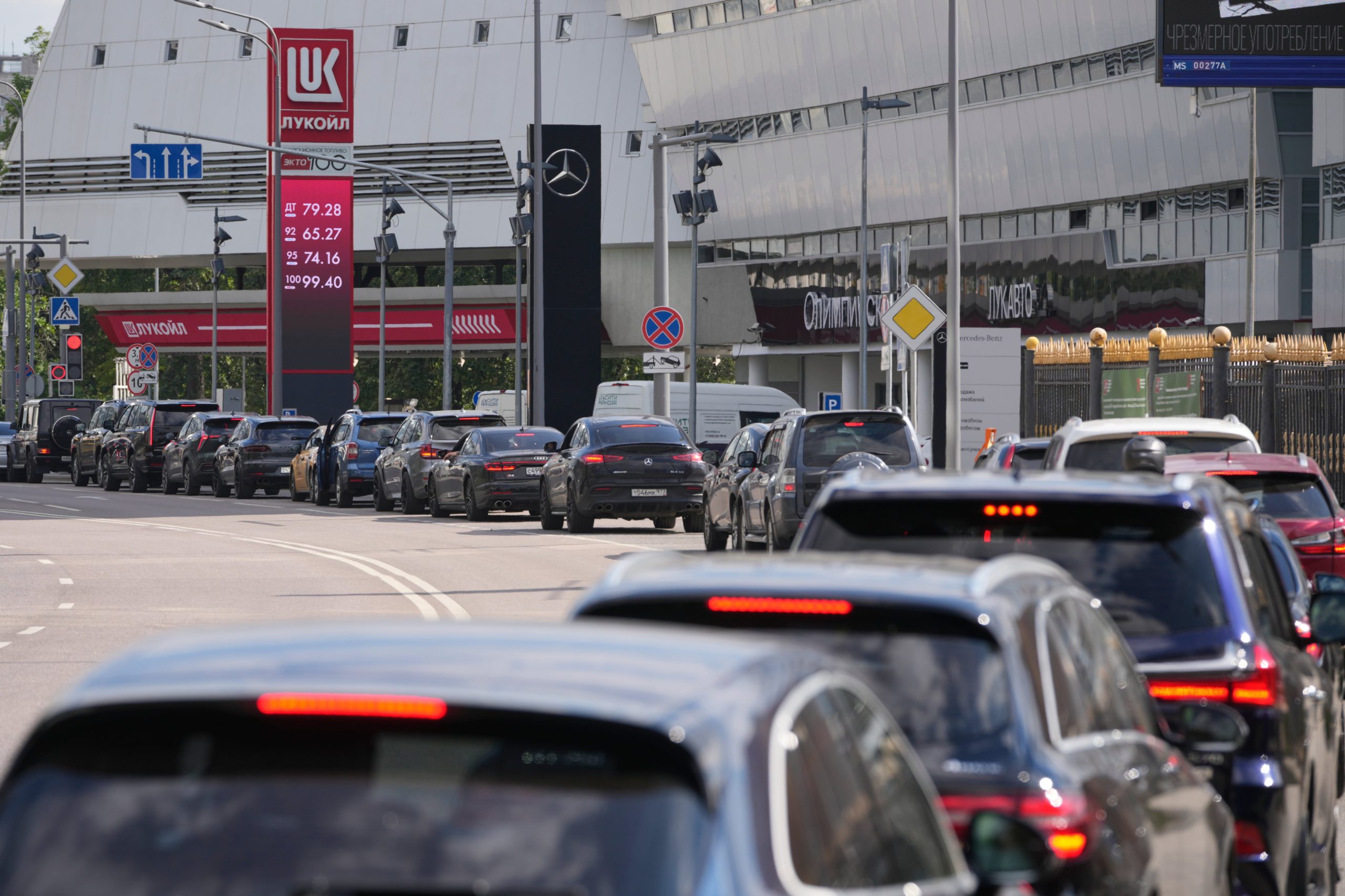
Rusia, la segunda mayor potencia petrolera del mundo, se ve forzada a importar gasolina de fuera. El hostigamiento de los drones ucranios contra sus refinerías ha agudizado la crisis de combustible en el país hasta un nivel que, si bien parece lejos de causar un colapso, sí resulta inquietante para el Kremlin, que depende de los ingresos del sector para alimentar la guerra contra el país vecino, y añade un nuevo motivo de descontento para una población ya hastiada de problemas.

Seguir leyendo

Cola de vehículos en una gasolinera de Lukoil en la región de Krasnodar, el 2 de julio.

Continue Reading

Housing politics

France’s ‘temporary’ Rent Controls Are Proving Anything But Temporary

Published

on

france’s-‘temporary’-rent-controls-are-proving-anything-but-temporary
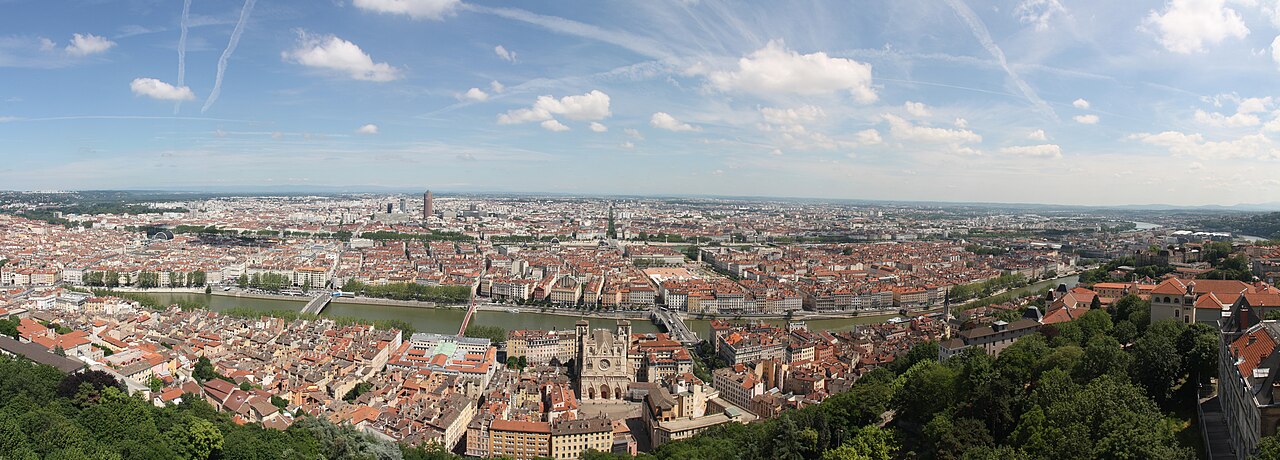
Lyon, France, where rent controls are in place. © Otourly, CC BY-SA 3.0, via Wikimedia Commons

France’s “temporary” rent controls are proving remarkably permanent. As politicians debate extending them, the French experience offers an important lesson for Spain—and anyone interested in housing policy.

Most people have no idea where rent controls exist. Unless you happen to live there, it’s not the sort of policy that makes international headlines.

Most property owners in Spain don’t even realise that rent controls are already in force in Catalonia and a handful of other municipalities. Fewer realise that France has gone much further than Spain, with dozens of cities operating rent controls introduced as a supposedly temporary experiment. As is so often the case with government intervention, temporary measures have a habit of becoming permanent.

A recent article in the French daily Le Figaro offers an interesting snapshot of where the debate now stands.

A political battle over ending rent controls

The article reports that the newly elected president of the Lyon metropolitan authority wants to abolish rent controls in Lyon and neighbouring Villeurbanne, arguing they are counterproductive.

“The people who benefit are those already installed,” she argues. “Show me that rent controls house more people. Our priority should be restarting the construction of new homes.”

Supporters see rent controls as protection against rising rents in expensive cities and preventing ‘gentrification’. Critics argue they merely redistribute a shortage, helping incumbent tenants whilst making it harder for everyone else to find accommodation.

Once rent controls are introduced they become politically difficult to remove. Tenant groups quickly become dependent on them, politicians become reluctant to withdraw them, and what was sold as an emergency response gradually becomes part of the permanent regulatory landscape.

France’s experiment, introduced under the 2014 ALUR law, now covers 69 cities and the national government is considering extending or continuing it beyond its planned expiry.

The real problem isn’t rents

The argument made by Lyon’s new leadership is one SPI readers will recognise.

  • High rents are not the underlying problem. They are the symptom.
  • The real problem is that demand for housing exceeds supply.
  • When that happens, rents are simply the price signal reflecting scarcity.

The obvious question is why housing has become so scarce across much of Western Europe.

One answer rarely acknowledged by politicians is that governments have spent decades steadily making residential property investment less attractive. Higher taxes, stricter regulations, tougher energy standards, greater legal risks, increasing tenant protections, longer eviction processes and lower expected returns all reduce the incentive to build, buy or let homes.

Like the proverbial frog in slowly heating water, each individual measure appears manageable. Taken together, they gradually squeeze private investment until fewer rental homes are built or remain in the market.

The mood in France

The comments beneath the Le Figaro article illustrate just how widespread this perception has become amongst many French readers.

One commenter argued that “if you freeze rents, you won’t have landlords left”, while another said they would “never again invest in rental property” because of political hostility towards landlords and a legal system that increasingly favours tenants.

Several pointed instead to taxation and regulation as the real drivers of rising housing costs, arguing that lower taxes and fewer barriers would encourage investment, increase supply and ultimately reduce rents through competition.

Of course, reader comments are not scientific evidence, but they do provide a useful window into the growing frustration of many property owners who feel they are being blamed for a housing crisis they believe has been created by decades of political decisions.

The same debate across Europe

France is hardly unique. Spain has introduced rent controls in Catalonia and other designated stressed markets. The UK has steadily increased regulation, taxation and restrictions on private landlords whilst debating further tenant protections.

Different countries, different political systems, but remarkably similar thinking.

The uncomfortable question for policymakers is whether continually making rental investment less attractive can ever increase the supply of rental housing. The answer is, of course not.

Rent controls undoubtedly benefit some sitting tenants, particularly those already established in desirable locations. But they do little for would-be tenants trying to enter the market for the first time. Without a significant increase in housing supply, rent controls simply ration scarcity rather than solving it.

And that’s why I keep an eye on France. It may offer a preview of where housing policy elsewhere in Europe is heading.

Continue Reading

Trending

Copyright © 2017 Spanish Property & News