Connect with us

News from Spain

Pay-as-you-go: Drivers in Spain may have to pay extra and foot the bill for road repairs

Published

on

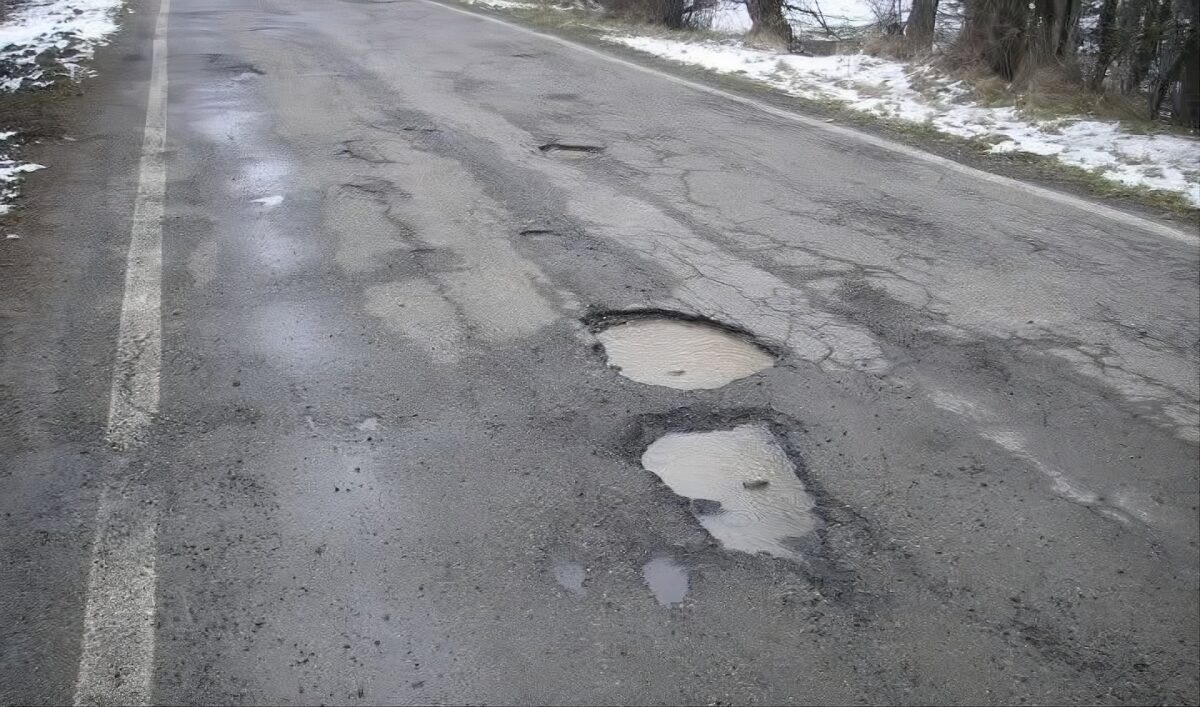
With roads up and down Spain crumbling into pothole hell, one repair-funding suggestion on the table would involve charging drivers extra for the upkeep.

The association SEOPAN, which represents major construction and infrastructure firms, is openly advocating for a fundamental change in Spain’s current financial model. Their idea is to implement a pay-per-use system as a way of offering a guarantee to the road network’s maintenance without raising general taxation or draining resources from other essential public services.

Concrete figures accompany this audacious pitch. Average costs for motorists would be around €111 per year under a distance-based pricing system. Estimates suggest the scheme could generate a staggering €43.26 billion over a decade. Such a massive revenue stream would provide the capital needed to fix deteriorating tarmac, drive ecological transitions, and modernise digital infrastructure across the country. As well, around 2,680 councils would benefit from a projected €4.1 billion windfall.

Maintenance pressures and expiring contracts

The urgency for change comes from a tightening legislative calendar. December 2026 is crunch time for the government and drivers all over Spain, as it sees the conclusion of ten major motorway concession contracts originally awarded in 2007. Once these agreements end, the central authorities must assume direct responsibility for maintaining these 993 kilometres of road, and there is currently no one in line to take on the work. Costs for such upkeep average roughly €80,000 per kilometre, placing immense strain on already stretched public accounts.

Industry experts warn that the traditional contract model faces a bleak future. Public contracts for works concessions totalled a mere €2.218 billion in 2025, representing less than two per cent of all public procurement. This decline follows a long-term trend; since 2015 such contracts have plummeted by 84 per cent. Almost one in five bids for contracts now ends in failure, with companies either withdrawing or refusing to bid due to the financial risks.

Investment gaps and regulatory reform

Alarming data shows that 2024 investment levels reached barely half of the amounts seen in 2009, which goes a long way to explain the current state of the roads in Spain. Vital sectors like transport and water management have all seen their share of total public spending drop from 3.9 per cent in 2008 to just 1.7 per cent recently. SEOPAN has responded by submitting a technical reform proposal for public procurement laws to the government. Stability and legal clarity remain the primary goals, with the hope to reduce costly litigation for both the state and private firms.

Julián Núñez, president of the association, says that moving away from chronic underfunding is vital for future prosperity. Closer collaboration between public and private sectors must underpin this new investment drive. Updating contract laws will improve practical application and ensure that projects meet strict budgets and deadlines. External economic pressures, particularly inflation caused by Middle Eastern instability, make these reforms even more pressing for the national economy.


%

Viral Restaurant Incident: Diners Walk Out Without Paying And Leave Note Explaining Why

Published

on

viral-restaurant-incident:-diners-walk-out-without-paying-and-leave-note-explaining-why

Users were divided over whether the customers’ actions could be understood or whether leaving without paying was unjustified. Photo credit: Jazmine Thomas/shutterstock

A group of customers in Spain has drawn attention online after leaving a restaurant without paying their bill and reportedly leaving a handwritten explanation on the receipt. The incident was shared on social media before being picked up by Spanish media outlets. The case was first circulated through a post from the hospitality-focused account on X, “Soy Camarero”, which regularly shares incidents involving customer behaviour in the restaurant sector.

According to the information reported, the group left without settling their account, an act commonly referred to in Spain as a “simpa” (sin pagar or “without paying”). What made the situation notable was that the customers allegedly left a written note on the bill saying, “we are leaving without paying, we asked for the bill several times….” explaining that they felt they were not attended to before leaving the premises.

Social Media Reaction and Divided Opinions

The handwritten message, as reproduced in media reports, claimed the customers had asked for the bill multiple times and did not receive timely attention from staff. They therefore decided it justified to leave without paying, leaving the explanation behind at the table. Once the story circulated online, it generated widespread discussion on social media platforms in Spain.

Users were divided over whether the customers’ actions could be understood or whether leaving without paying was unjustified regardless of circumstances. Some users suggested that delays in service can happen during busy periods in restaurants, particularly when staff are under pressure. Others argued that even if service is slow, customers should not leave without resolving the issue directly with staff or management.

a note on a receipt
The note was left at the table after the waiter didn’t not come to collect the bill. Photo credit: SoyCamarero on X

Hospitality Sector Views on Service Pressure

Hospitality workers also joined the discussion, with some noting that restaurants can experience high demand at certain times, which may lead to delays in attending to requests such as bringing the bill. They emphasised that communication between staff and customers is usually expected in such situations.

Other workers pointed out that customers who feel overlooked normally have alternative options, such as approaching staff directly or waiting longer. The incident was viewed by some professionals as reflecting occasional friction between service expectations and operational pressure.

The case has been broadly discussed in relation to how poor customer behaviour is increasingly visible on social media, where individual incidents can quickly gain wider attention.

Aftermath and Ongoing Discussion

No confirmed details have been made public regarding the identity of the individuals involved or the specific venue where the incident took place. The written explanation left by the customers has contributed to continued debate online, with reactions ranging from criticism to partial understanding depending on how the situation is interpreted.

There has been no indication of police involvement or formal legal action related to the incident, and no public statement from the restaurant involved has been reported. Similar cases have occasionally circulated online through hospitality-focused accounts, often prompting discussion about service expectations and customer conduct in restaurants.

For now, the incident remains based on social media reporting, with attention focused on the note left behind and the differing interpretations of what occurred.

Continue Reading

%

Fish Prices Soar Across Spain As Thousands Of Fishmongers Close

Published

on

fish-prices-soar-across-spain-as-thousands-of-fishmongers-close

Fish prices in Spain have risen by around eight per cent over the past year. Photo credit:RVillalon / Shutterstock.com

Fish has long been central to Spanish cuisine, from family meals to seaside restaurants, yet rising prices and changing eating habits are reshaping the country’s relationship with seafood. What was once considered an affordable staple in many households is increasingly becoming a more expensive and less frequent purchase. Fish prices in Spain have risen by around eight per cent over the past year, while national consumption has fallen by approximately 30 per cent over the last decade.

The decline has placed growing pressure on the fishing industry, with more than 5,000 fishmongers reportedly closing during that period as demand continues to weaken. The sector is facing difficulties from several directions at once. Rising fuel costs, inflation, transport expenses and higher operating costs have all contributed to more expensive seafood prices in markets and supermarkets across the country. Industry professionals warn that the increases are affecting every stage of the supply chain, from fishing vessels and wholesalers to local retailers and restaurants.

Higher Prices Changing Consumer Habits

For many households, fresh fish is no longer considered an affordable everyday food. Consumers are increasingly reducing purchases or replacing fish with cheaper alternatives such as chicken, pasta or processed meals as they attempt to manage wider increases in living costs. The change is particularly noticeable among younger generations, many of whom are buying less fresh seafood than previous generations.

Convenience is playing a major role in the shift, with younger consumers often preferring ready meals and products requiring less preparation time. Preparing whole fish at home is increasingly viewed as less practical compared with frozen foods or pre-packaged meals. Traditional fishmongers are among the businesses most affected by the decline. Independent seafood stalls and local fish shops, once common features across Spanish towns and cities, are struggling to compete with large supermarket chains selling frozen and pre-packaged seafood products at lower prices.

Coastal Economies Under Pressure

The closures are becoming increasingly visible in urban areas as well as smaller coastal towns. In many places, long-established family-run fishmongers that served communities for decades have disappeared entirely. Industry representatives fear the trend could continue if consumption keeps falling and younger consumers move further away from fresh seafood. The situation is also creating concern in fishing regions heavily dependent on seafood sales and tourism.

Coastal communities linked to the fishing industry are facing growing uncertainty as falling demand affects suppliers, wholesalers, restaurants, transport companies and local markets. Galicia, one of Spain’s most important fishing regions, has already introduced measures aimed at supporting the sector. Regional authorities recently announced a €50 voucher scheme intended to encourage consumers to purchase more fish and seafood products in an attempt to boost sales and support local businesses.

Impact on Residents and Holidaymakers

The concern within the industry is not only economic but cultural. Fish has traditionally formed part of the Mediterranean diet associated with Spain, particularly in coastal areas where fresh seafood has historically been a daily staple. Many within the sector fear that changing habits among younger generations could permanently alter traditional food culture. Restaurant owners are also being forced to adapt as seafood prices continue rising. Some establishments have reduced portion sizes, increased menu prices or switched to cheaper species in order to remain competitive.

Smaller family-run restaurants are considered particularly vulnerable because they often rely heavily on fresh local seafood. For residents, the continuing rise in seafood prices may further change eating habits as households attempt to reduce grocery spending. Families already dealing with higher electricity, rent and general food costs may continue limiting fresh fish purchases despite its nutritional importance.

Tourism and Long-Term Concerns

Health specialists have frequently linked fish consumption to the benefits of the Mediterranean diet, particularly because of its lean protein content and omega-3 fatty acids. A sustained decline in consumption could gradually weaken dietary patterns long associated with Spanish cuisine and coastal lifestyles.

Holidaymakers visiting Spain may also notice the impact during the busy summer season. Seafood dishes in restaurants, especially in coastal resorts, islands and tourist hotspots, are becoming noticeably more expensive than in previous years. Traditional meals such as grilled sardines, octopus dishes and seafood paella are increasingly reflecting the higher market price of fresh fish.

Visitors may also encounter fewer independent seafood markets in some destinations as closures continue across the sector. In some towns, historic fishmongers that once formed part of daily local life have already disappeared, replaced by supermarkets or convenience stores offering cheaper alternatives. Despite the challenges facing the industry, seafood remains deeply tied to Spain’s identity, tourism and regional economies. However, with prices continuing to rise and consumption continuing to fall, concerns are growing over whether one of the country’s most traditional industries can maintain its place in everyday Spanish life.

Continue Reading

%

Latest Data Shows Nearly 1 In 5 Renters In Spain Living In Overcrowded Conditions

Published

on

latest-data-shows-nearly-1-in-5-renters-in-spain-living-in-overcrowded-conditions

A contributing factor to reduced rental availability is the expansion of short-term accommodation in tourist-heavy areas. Photo credit: Pressmaster/Shutterstock

Latest data published this month shows how overcrowded housing in Spain has increased in recent years as rising rental costs and limited housing supply force more people to share accommodation. In some cases, multiple adults are living in single rooms due to a lack of affordable alternatives in the private rental market. Housing demand has continued to rise in major cities and coastal regions, driven by population movement towards urban centres and strong competition for limited rental stock.

At the same time, wage growth has not kept pace with housing costs in many areas, reducing access to independent accommodation for lower-income households. Eurostat housing data shows that around 20% of renters in Spain live in overcrowded conditions, a rate significantly above the national average for owner-occupied housing.

Standard measures show persistent housing density pressure

Overcrowding is defined using Eurostat’s housing space standard, which classifies a household as overcrowded when it has fewer rooms than required according to household size and composition. The calculation allocates one room for the household, one additional room for each couple, one room for each single adult, and separate rooms for children depending on age and gender structure.

Kitchens, bathrooms, hallways and storage spaces are excluded from the count, meaning only bedrooms and living rooms are considered. When a household does not meet this minimum room requirement, it is recorded as living in overcrowded conditions in official statistics. National statistical data from Spain’s Instituto Nacional de Estadística (INE) aligns with this pattern, showing higher overcrowding rates in urban areas where rent levels are highest and housing demand is concentrated.

Rising rents reduce access to independent housing

Rental prices in Spain have risen significantly over recent years, with increases of roughly 20% to 30% between 2020 and 2025 in many urban markets, depending on location. These increases have outpaced income growth for many workers, making it more difficult for households to afford self-contained accommodation.

As a result, shared housing has become more common among working adults, not only students or temporary residents. In high-demand cities, rental properties are often let quickly, sometimes with multiple applicants competing for a single property. This reduces negotiating power for tenants and increases reliance on shared arrangements.

Housing supply constraints and short-term rentals add pressure

A contributing factor to reduced rental availability is the expansion of short-term accommodation in tourist-heavy areas. Properties that might otherwise be available for long-term tenants are increasingly used for seasonal or short-stay rentals.

At the same time, housing construction has not expanded at a sufficient pace to match demand in high-pressure regions. Planning delays, land availability constraints and construction costs have been cited as limiting factors. These structural conditions contribute to tighter rental markets, particularly in major cities and coastal zones where demand is consistently high.

Living conditions in overcrowded households

In overcrowded homes, living arrangements often involve shared bedrooms or reduced private space. In some cases, multiple adults may share a single room, while living spaces are divided into temporary sleeping areas.

Eurostat and national housing indicators show that overcrowding is more prevalent among renters than homeowners, reflecting the financial barrier to accessing larger or independent housing. The conditions can affect privacy, rest and daily routines, particularly where multiple occupants share limited space over extended periods.

Regional imbalance in housing access

Overcrowding rates vary across Spain depending on region, income level and housing market pressure. Urban centres with high rental demand tend to show higher levels of housing density compared with rural areas.

Overall, the data indicates a persistent gap between housing demand and supply in key markets. While not all households are affected, a significant minority of renters live in conditions classified as overcrowded under European statistical standards. The combination of rising rents, limited supply and uneven income growth continues to shape housing access, with overcrowding emerging as one of the measurable outcomes in Spain’s rental sector.

Continue Reading

Trending

Copyright © 2017 Spanish Property & News