
News from Spain
Pay-as-you-go: Drivers in Spain may have to pay extra and foot the bill for road repairs

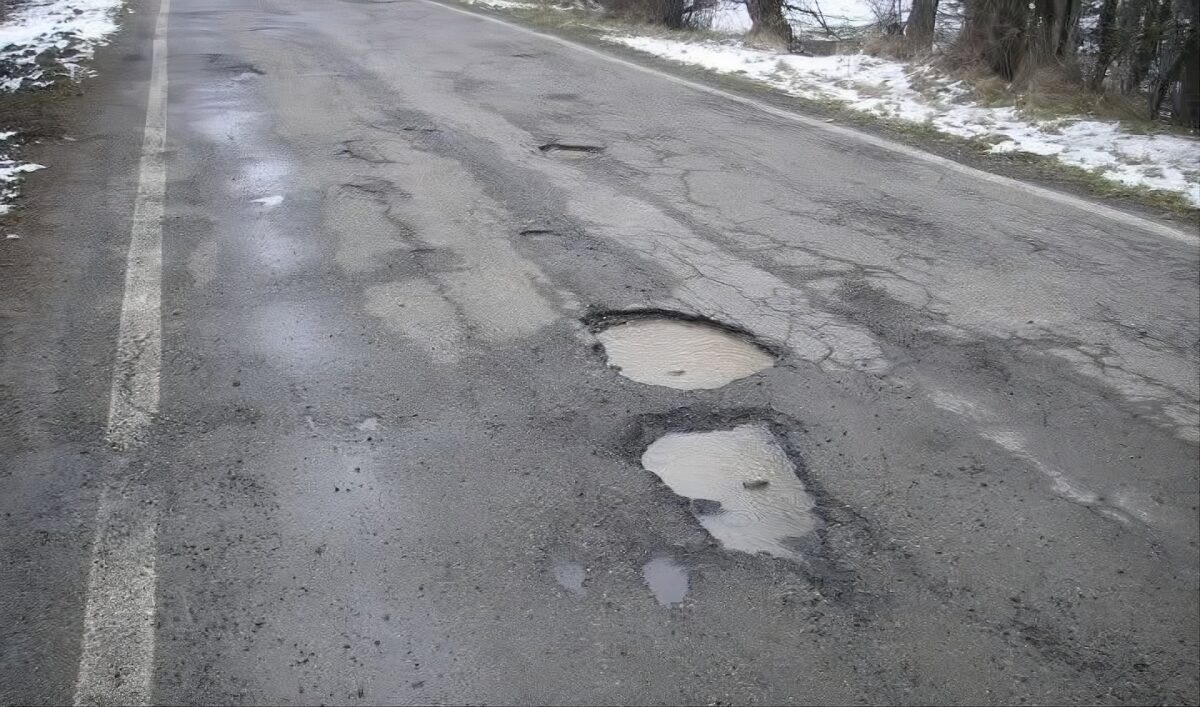
With roads up and down Spain crumbling into pothole hell, one repair-funding suggestion on the table would involve charging drivers extra for the upkeep.
The association SEOPAN, which represents major construction and infrastructure firms, is openly advocating for a fundamental change in Spain’s current financial model. Their idea is to implement a pay-per-use system as a way of offering a guarantee to the road network’s maintenance without raising general taxation or draining resources from other essential public services.
Concrete figures accompany this audacious pitch. Average costs for motorists would be around €111 per year under a distance-based pricing system. Estimates suggest the scheme could generate a staggering €43.26 billion over a decade. Such a massive revenue stream would provide the capital needed to fix deteriorating tarmac, drive ecological transitions, and modernise digital infrastructure across the country. As well, around 2,680 councils would benefit from a projected €4.1 billion windfall.
Maintenance pressures and expiring contracts
The urgency for change comes from a tightening legislative calendar. December 2026 is crunch time for the government and drivers all over Spain, as it sees the conclusion of ten major motorway concession contracts originally awarded in 2007. Once these agreements end, the central authorities must assume direct responsibility for maintaining these 993 kilometres of road, and there is currently no one in line to take on the work. Costs for such upkeep average roughly €80,000 per kilometre, placing immense strain on already stretched public accounts.
Industry experts warn that the traditional contract model faces a bleak future. Public contracts for works concessions totalled a mere €2.218 billion in 2025, representing less than two per cent of all public procurement. This decline follows a long-term trend; since 2015 such contracts have plummeted by 84 per cent. Almost one in five bids for contracts now ends in failure, with companies either withdrawing or refusing to bid due to the financial risks.
Investment gaps and regulatory reform
Alarming data shows that 2024 investment levels reached barely half of the amounts seen in 2009, which goes a long way to explain the current state of the roads in Spain. Vital sectors like transport and water management have all seen their share of total public spending drop from 3.9 per cent in 2008 to just 1.7 per cent recently. SEOPAN has responded by submitting a technical reform proposal for public procurement laws to the government. Stability and legal clarity remain the primary goals, with the hope to reduce costly litigation for both the state and private firms.
Julián Núñez, president of the association, says that moving away from chronic underfunding is vital for future prosperity. Closer collaboration between public and private sectors must underpin this new investment drive. Updating contract laws will improve practical application and ensure that projects meet strict budgets and deadlines. External economic pressures, particularly inflation caused by Middle Eastern instability, make these reforms even more pressing for the national economy.









6 drink rule.
Spain’s 6 drink rule remains in 2026, tourists face tougher crackdowns and fines up to €3,000

All inclusive resorts enforce the rule in some areas of Spain
Credit: Svetlyachock/shutterstock
Flights and hotels are getting booked up and excitement builds for the summer, but holidaymakers heading to Spain in 2026 are being warned. The “6 drink rule” is still being enforced and now with tougher crackdowns, here is all you need to know to avoid a fine of up to €3,000.
Where the rule applies (and where it doesn’t)
The rule limits guests at certain all-inclusive hotels to six alcoholic drinks per day, usually split between lunch and dinner. It was introduced originally to curb excessive drinking which led to disruptive tourism.
To note, this is not a nationwide law. The restriction applies mainly in specific areas of the Balearic Islands, including parts of Mallorca and Ibiza, where authorities have targeted so-called “party tourism.”
The six-drink limit is enforced only in designated tourist zones under regional regulations. Visitors elsewhere in Spain, including mainland destinations like Barcelona, Madrid, or the Costa del Sol are not subject to this rule.
Many travellers mistakenly believe the entire country enforces the same restriction, but the reality is enforcement is actually very localised and depends on the individual regional policy.
Other alcohol related laws to follow including public drinking
Firstly there is the six-drink rule, but there are also bans and limits in other areas around alcohol.
Some parts of Spain has –
- Strict bans on alcohol sales to minors
- Greater control over alcohol advertising
- Limits on availability in certain public settings
- “Botellón”, which is drinking alcohol in public spaces.
Local authorities can issue fines for drinking in streets, beaches, or parks, particularly in busy tourist areas. Rules vary by location and should be checked as enforcement has become more visible in recent years.
Why the restrictions
Spanish authorities introduced these measures to improve tourism quality and reduce anti-social behaviour. Popular resort areas had seen rising complaints about noise, public drunkenness, and safety concerns. Recently there has been a rise in alcohol related accidents in holiday resorts.
By limiting alcohol consumption in all-inclusive packages and banning aggressive drink promotions, officials aim to shift the focus from cheap party holidays to more sustainable tourism.
Ensure you get it right
To stay safe and within the rules, check whether your destination falls under the six-drink rule, avoid drinking in public unless clearly permitted, don’t expect unlimited alcohol in all-inclusive deals and follow local signage and police guidance.


E
Pay-as-you-go: Drivers in Spain may have to pay extra and foot the bill for road repairs
Spain’s 6 drink rule remains in 2026, tourists face tougher crackdowns and fines up to €3,000
Brussels warns Spain that migrants regularised under controversial scheme will be deported back to Spain if they try to move to other EU countries
Murcia unveils monument marking 175th anniversary of Burial of the Sardine
Easter on the Costa del Sol: a time of renewal


-
eu response to spain migration policy3 weeks ago
Brussels warns Spain that migrants regularised under controversial scheme will be deported back to Spain if they try to move to other EU countries
-
Costa Calida3 weeks ago
Murcia unveils monument marking 175th anniversary of Burial of the Sardine
-
Costa del Sol3 weeks ago
Easter on the Costa del Sol: a time of renewal
-
400 years of Space travel4 weeks ago
Project Hyperion plans 58‑km spacecraft to carry 1,000 humans on 400-year interstellar journey
-

 Caso Koldo3 weeks ago
Dinero En Efectivo Guardado En Casa Y La Devolución De Los Gastos Del PSOE: La Expareja De Koldo Protagoniza La Cuarta Jornada Por El ‘caso Mascarillas’
-

 Ataque contra Irán3 weeks ago
Última Hora De La Guerra De Estados Unidos E Israel Contra Irán, En Directo | EE UU Asegura Que Dos De Sus Buques Militares Han Cruzado Ormuz Para Desminar El Estrecho E Irán Lo Niega
-
Fish Counters Being Removed4 weeks ago
Mercadona removes fish counters: T9 format brings shift to pre-packaged seafood
-

 New Developments3 weeks ago
Inside The Most LUXURIOUS Apartment Building In Spain!