
Costa del Sol
Ryanair Launches Six New Direct Winter Routes From Malaga To Italy, Germany And Eastern Europe

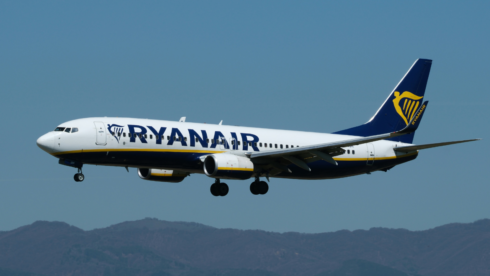
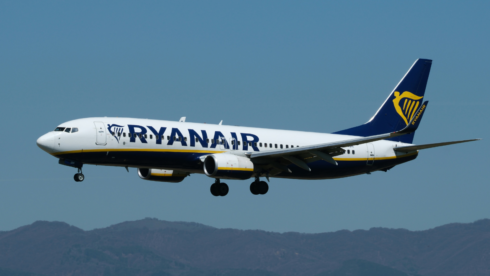 The expansion makes Malaga one of just two Spanish airports where the Dublin-based carrier is increasing its winter routes and seat capacity.




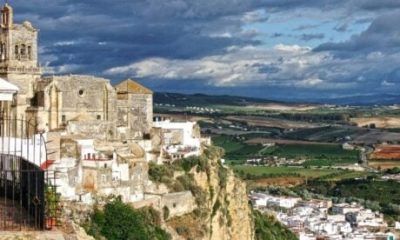


Visitors to Mijas Pueblo have long met its working donkeys on the village streets. Now, those animals are a step closer to a quiet sanctuary as Mijas Town Hall has received the project plans for ‘El Burrito’, a recreational park to be built on the village’s Vial Sur.
Room for up to 48 donkeys
Up to 48 animals will have a home here, in a space fully adapted to their needs. Adult donkeys needing time to recover will also be welcome before they are moved to new homes. Plans cover two separate areas: a refuge for the animals’ care, and a visitor centre dedicated to the donkey, one of Mijas’ best-known attractions.
Welfare is front and centre of the design. The refuge will have grazing areas, stables, quarantine pens, veterinary shelters and handling zones, plus paths, fencing and waste facilities.
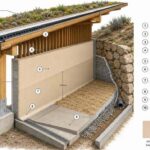
Beds in the stables will be renewable and absorbent, so the animals will not have to lie directly on concrete, much gentler on their joints and hooves. The Town Hall has also required compartments big enough for the donkeys to walk in, turn around, move freely and lie down. Each stable will have a drinking trough, lighting and fixing rings to make cleaning and maintenance easier.
Buildings will follow the lie of the land, using timber, planted roofs and earthy colours so they fit into the landscape. Natural ventilation and drainage-friendly flooring are also included.
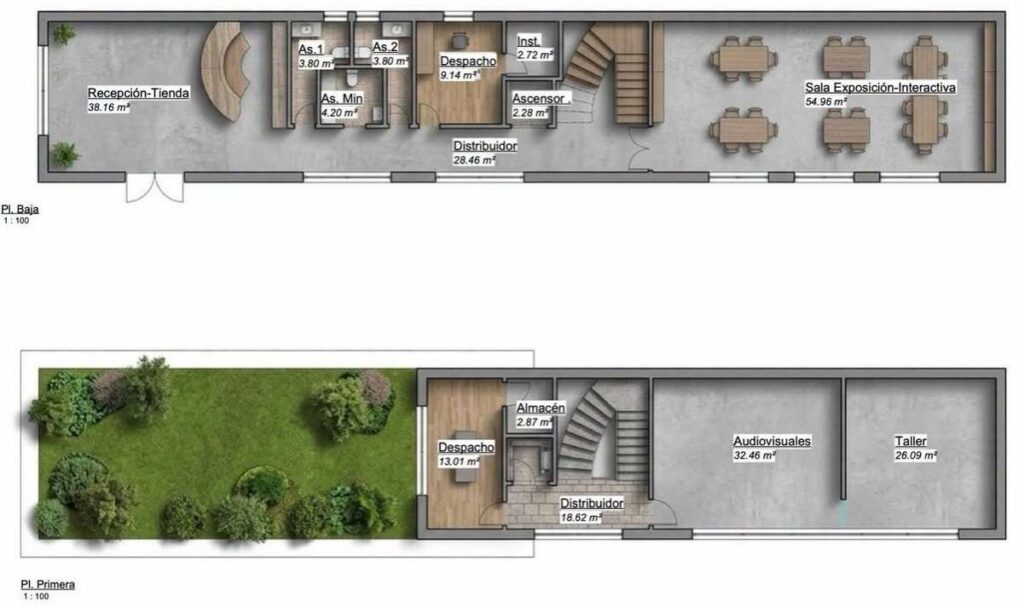
Credit:MijasTH/FB
Extra care for donkeys who need it
A veterinary shelter, larger than the ordinary stables, will look after animals needing observation, rest or special treatment. It will make life easier for the staff and allow care tailored to each animal’s needs.
Anyone interested will also be able to learn about the donkeys too. An existing building will be renovated as a cultural and educational interpretation centre, doubling as the visitor reception. It will explain the donkeys’ characteristics and their place in Mijas’ identity.
Donkeys became famous here through the ‘burro-taxi’, the village’s tradition of donkey rides in the early 1960s, when workers riding home were asked by visitors for photos and rides, the council’s tourism website currently lists 60 burro-taxis still work in the service today.
For even more information on the project, you can see our earlier report on the El Burrito donkey sanctuary here by EWN.
Costa del Sol
EXCLUSIVE: Murdered Marbella Butt-Lift Doctor Made British Woman Sign NDA And Waiver After Botched Op Left Her ‘bum Sewn Together’


 The doctor used aggressive legal tactics to silence women left on death’s door after failed plastic surgery procedures.


Ryanair Launches Six New Direct Winter Routes From Malaga To Italy, Germany And Eastern Europe

Mijas Donkey Retirement Park

More Than 4,200 Rental Homes Withdrawn


-

 Uncategorized2 weeks ago
F1 Bahrain Grand Prix will be live and FREE on TV this weekend
-
Blackout preparedness2 weeks ago
Brussels takes action against Spain over failure to update blackout plan
-

 Foreign demand3 weeks ago
Market Snapshot: German Market In Q2 2026
-

 Uncategorized2 weeks ago
Lewis Hamilton F1 wish could come true as stunning plans for new track revealed
-

 Housing access / crisis / affordability2 weeks ago
Radical Housing Decrees Defeated As Snap Election Talk Grows
-
Latest2 weeks ago
Spain’s Government Dealt Huge Blow As MPs Reject Housing Crisis Laws
-
EU2 weeks ago
EU nicotine crackdown sparks warning that ex-smokers could be driven back to cigarettes
-

 New Developments2 weeks ago
How To Get A Tourist Rental Licence In Andalusia (Spain) – Step-By-Step Guide 2025