
Claudia Sheinbaum
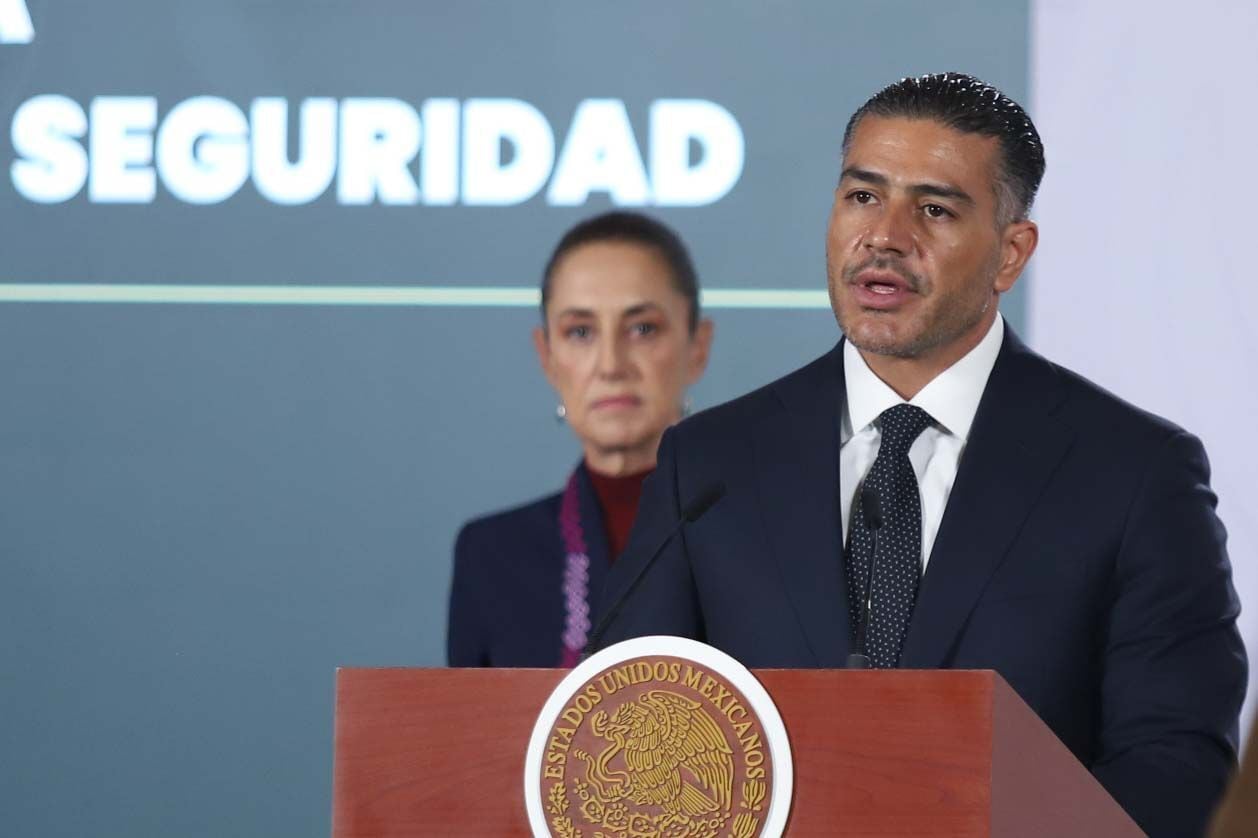
Security Czar Omar García Harfuch Helms Mexico’s 180-Degree Turn With The DEA

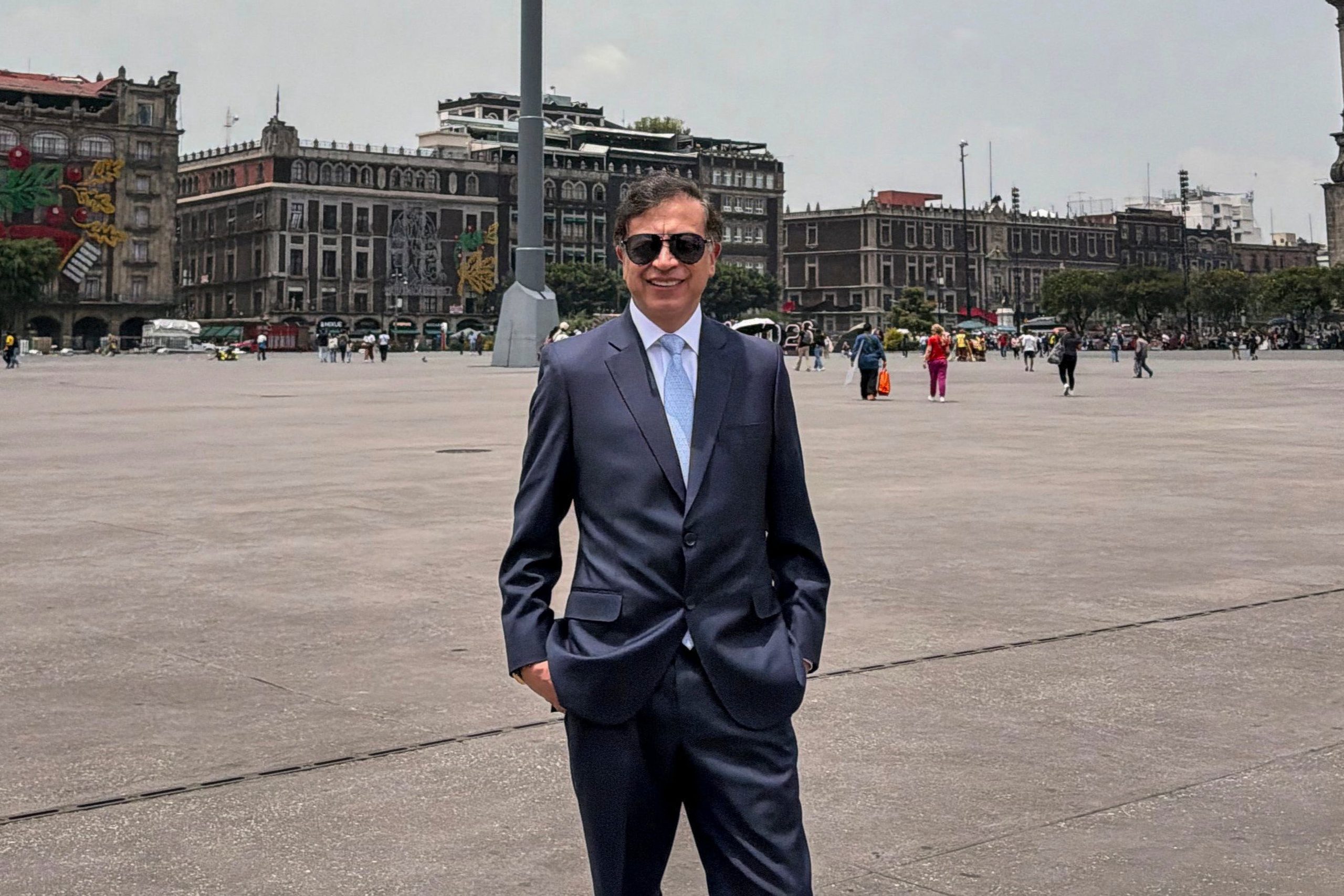
Few institutions embody with such clarity the spirit of the nation they represent, its ideals and interests, as the DEA, the United States’ anti-narcotics agency. One could argue that the transnational nature of organized crime justifies the agency’s presence in other countries in the Americas, but the line between duty and the familiar U.S. expansionist logic—well known to Latin Americans—is blurred, sometimes faint, sometimes explicit. In Mexico’s case, a partner and immediate neighbor of the U.S., the relationship with the agency enjoyed years of prosperity in cooperation (and a degree of tolerated interference) under PRI and PAN administrations. However, the arrival of the leftist party Morena and Andrés Manuel López Obrador to power lifted a wall. The former president left office having closed the door to the DEA. Until now, that is. Despite resistance from the hardest wing of the still-governing Morena, Mexico is reopening to cooperation with the U.S. agency.
The 180-degree turnaround has put the spotlight on Omar García Harfuch, Mexico’s security cabinet coordinator, a career police officer and a trusted confidant of President Claudia Sheinbaum, with whom he had worked since the days she led the Mexico City government. García Harfuch has held two meetings this year in Washington with the head of the DEA, Terrance Cole. Cole, in turn, traveled to Mexico City for a discreet meeting with Sheinbaum’s security czar—an encounter that was not publicly disclosed: not when it took place, where, nor for what purpose. If there was any bilateral pact, the public does not know about it.

Mexico’s security secretary was in Argentina in August to attend the International Drug Enforcement Conference organized by the U.S. anti-narcotics agency. He spoke before dozens of officials from other countries about the results of Mexico’s security strategy against organized crime, much of which, he said, has been achieved thanks to unprecedented fluidity in information sharing with the DEA under Cole’s leadership. That immediacy has occurred “bypassing all the protocols that sometimes take a long time,” García Harfuch said, and has allowed Mexico to act promptly against criminals.
The good results are not due solely to collaboration with the DEA, but also with other U.S. agencies. In nearly two years of Sheinbaum’s administration, 63,000 suspected criminals have been arrested, 33,000 weapons seized, 2,700 drug labs destroyed and 518 tons of drugs confiscated. Mexico has also handed over 92 major criminals to Washington through a legal exception that bypasses the bureaucracy of ordinary extradition. Hard blows have been dealt to the cartels, exemplified by the death of Jalisco New Generation Cartel (CJNG) leader Nemesio Oseguera, aka El Mencho, in a military operation that relied crucially on U.S. intelligence cooperation. Fentanyl trafficking from Mexico has fallen by half, and the flow of migrants from South America across Mexico’s borders has collapsed by 96%. This Friday, the Security Cabinet reported the seizure of a 16-ton shipment of methamphetamine in Sinaloa, possibly the largest seizure to date. The DEA immediately sought part of the credit for the operation, saying it “would not have been possible without the investigative and intelligence work” of the agency.
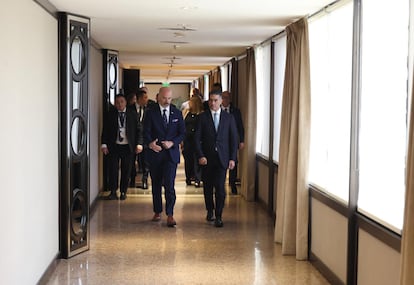
The summit in Argentina sealed the renewed rapprochement between the DEA and Mexico. Or at least that’s how Washington wanted it portrayed. That day, Cole praised the collaboration with García Harfuch and referred to him as “a trusted partner and a good friend of the United States.” The praise did not sit well in the ruling party’s political circles in Mexico, where closeness to the United States is viewed with suspicion, at a time when President Sheinbaum has called for unity against Washington’s “interventionism,” its threats to Mexico’s sovereignty and its attempts to meddle in domestic politics. The president said those back pats for García Harfuch were the typical U.S. way of trying to divide a government that does not bend to its interests.
Repairing the damage
Sheinbaum, in fact, said she did not want her security czar to travel to the DEA summit in South America, citing “the history of the DEA’s relationship with Mexico, especially in recent years.” Her remarks alluded to the six-year term of López Obrador (2018–2024), her predecessor, who ended up breaking with the U.S. agency after several clashes. The first of these, though not the most serious one, stemmed from the 2020 arrest of General Salvador Cienfuegos, defense minister during Enrique Peña Nieto’s administration (2012–2018), on alleged links to the drug trade. Although the general was not an ally of López Obrador by any means, the then-president was worried about the damage that DEA’s move did to the army’s reputation, one of the pillars of his administration.
The settling of scores came months later when López Obrador ordered the closure of a DEA intelligence unit that had operated for two decades in Mexico, specializing in the exchange of confidential information to combat drug trafficking, and one of whose major contributions had taken place during the first capture of Joaquín El Chapo Guzmán. López Obrador asserted that “the group was infiltrated by criminal elements” and accused it of “having fabricated crimes,” referring to the allegations against General Cienfuegos.
López Obrador tightened the screws further and sent Congress a reform to restrict the activities of foreign agents on national territory. During the second half of his term, the DEA published investigations documenting the expansion and strengthening of cartels in Mexico and the U.S., principally the CJNG and the Sinaloa Cartel—claims López Obrador rejected. The total break came in 2024, months before his administration ended, after a series of reports alleged that the drug trade had funded López Obrador’s first presidential campaign in 2006. The main source for those publications was a DEA report that never became a formal accusation.
The ruling party viewed that report as “revenge” by the agency, which gave Mexico’s opposition ammunition to speak of a “narco-government,” a “narco-party” (Morena) and a “narco-presidency,” slurs that persist to this day. Also lingering is the Sheinbaum government’s mistrust of the DEA; the tension between principles, the dignity so often invoked by morenismo, and the urgency to establish a cooperative relationship to confront a shared problem: drug trafficking and threats to the population. The ruling party has swallowed its pride and opened the door again; Washington has had to take a couple of steps back and accept the new conditions imposed by Mexico—demanding respect and reciprocity—to be allowed back in. The balance is as fragile as a spiderweb on the doorframe.
Sign up for our weekly newsletter to get more English-language news coverage from EL PAÍS USA Edition











America
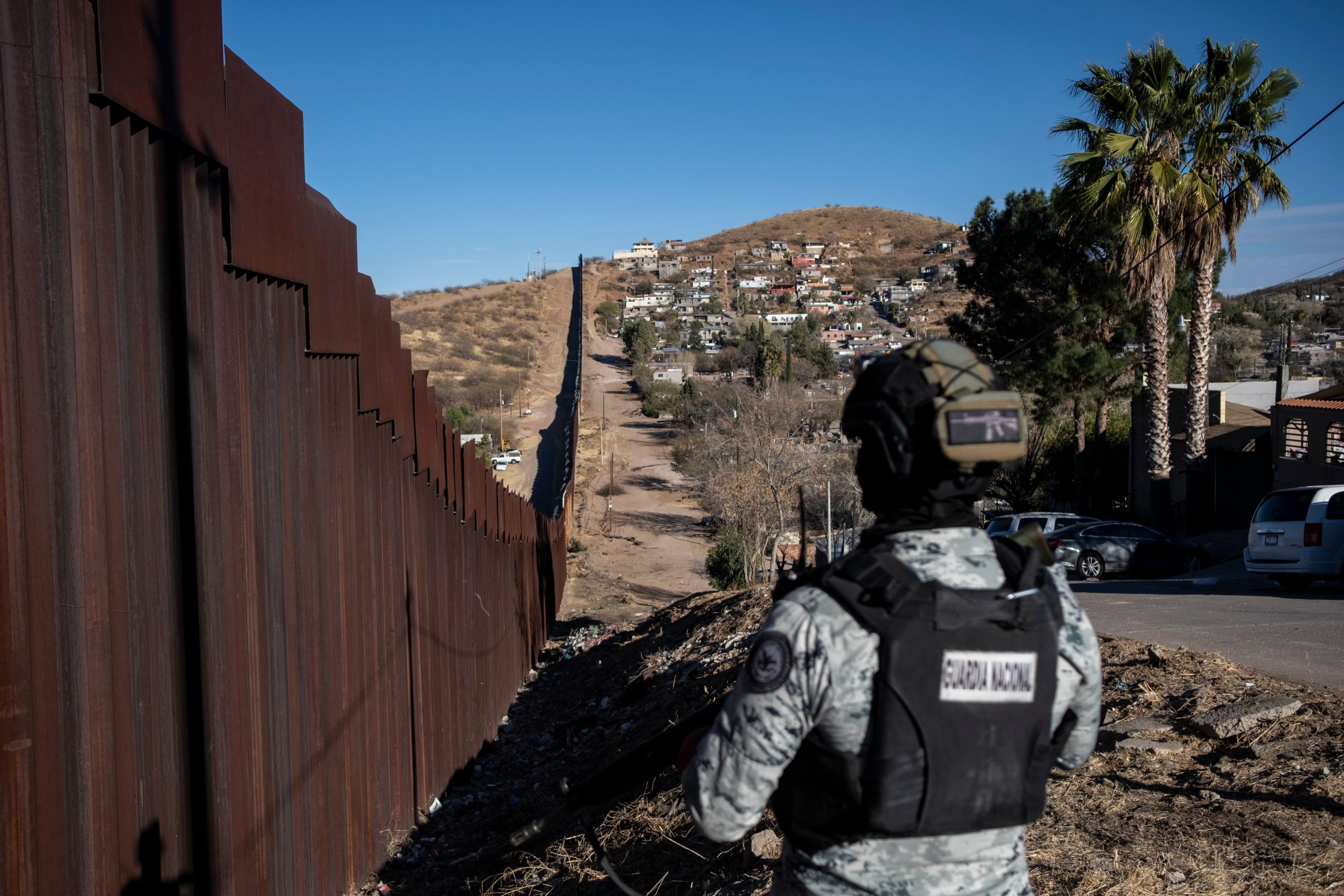
US Restricts Travel By Its Personnel To Mexican Border City Of Nogales Due To An Unspecified Threat


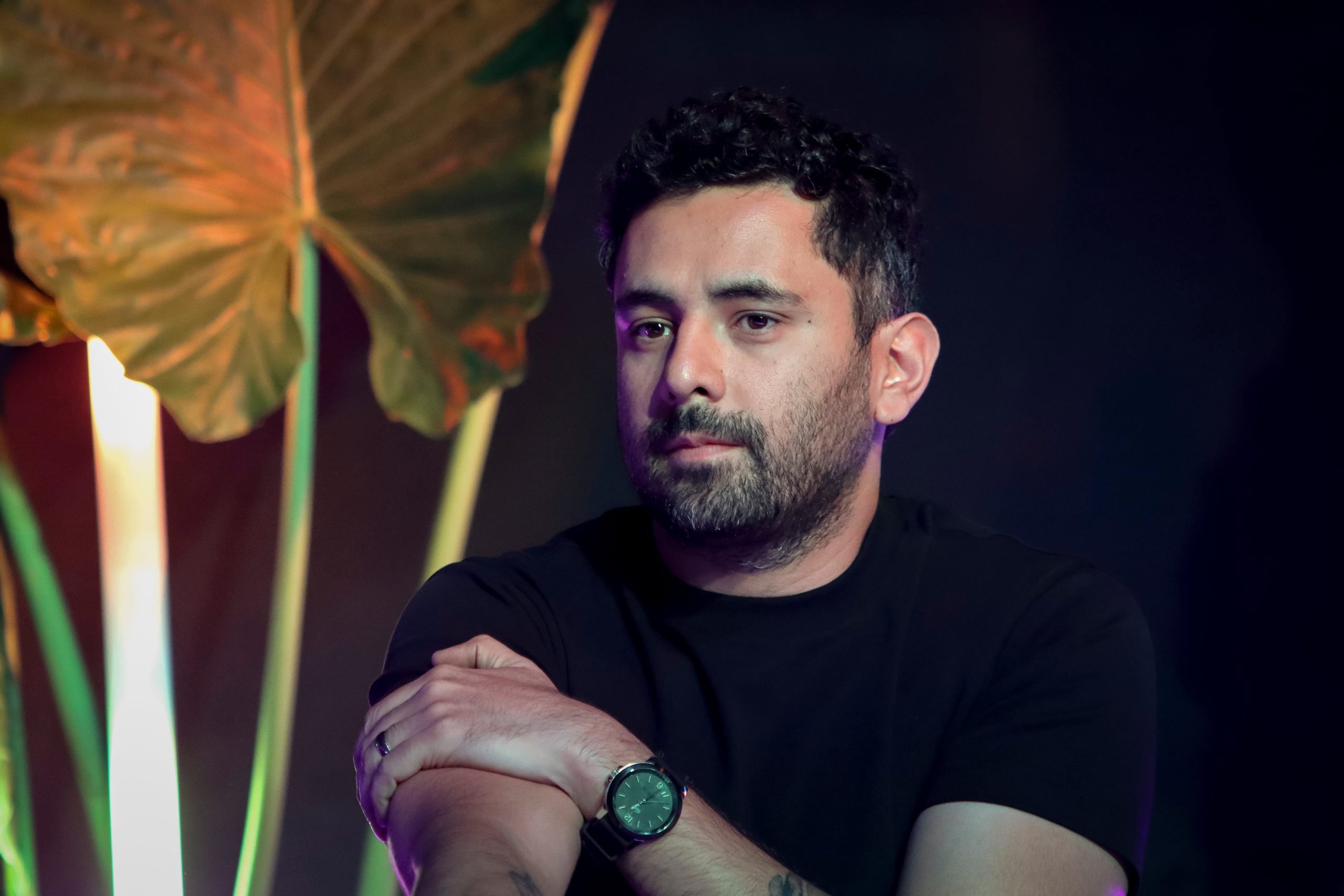
A massacre carried out on Tuesday afternoon in Atizapán, in the State of Mexico near the capital, has left four people dead, including two women—one of them pregnant—and a three-year-old child. The fourth victim was Jonathan Meléndez, the pregnant woman’s husband, keyboardist and founding member of the popular band Camilo Séptimo.
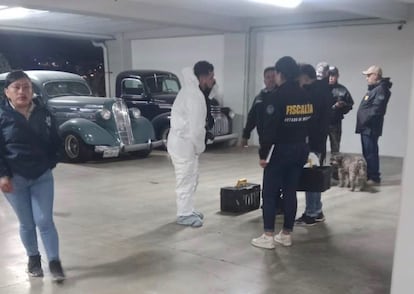
Authorities found the couple bound and shot execution-style. The little girl had also been shot execution-style. The other woman, a domestic worker, had a gunshot wound to her back. The police also found another child inside the apartment, a six-year-old boy who was left unharmed for unknown reasons. The assassins had even killed the family dog.
Authorities are investigating robbery as one of the main lines of inquiry. The State of Mexico Attorney’s Office said that one of the suspects, Diego Sebastián “N”, was a busines partner of the musician. “Since they were partners, he was able to enter the home with the victims’ consent”, said sources familiar with the investigation consulted by EL PAÍS. “One possible cause is robbery. They had homes in Valle de Bravo that they were renting out on Airbnb.”
The case has newly shaken Mexico, a country subjected to savage levels of violence for two decades. Although the federal government has recently hailed a statistical reduction in homicide violence, massacres like this one (defined as killings of three or more people) remain relatively common. Between January 2020 and March 2026 the civil association Causa en Común documented 3,036 massacres. As of March this year there had been 60.
Meléndez (better known by his artistic name Honas) and his family lived in an apartment in a residential tower in Grand Viure, in an area known as “Bosque Esmeralda” (Emerald Forest), northwest of Mexico City and part of its metropolitan area.
Authorities first arrested Gerardo N, although prosecutors said that the perpetrator of the killings was likely Diego Sebastián N. In images leaked to reporters, the latter is seen inside what appears to be the elevator leading up to the victims’ apartment on Tuesday afternoon, wearing a cap, sunglasses and a backpack.
The age of the victims ranged from three years old to 38 (Meléndez). His wife, 35, was four months pregnant according to the Attorney’s Office, which said the killings took place between 5.30 pm and 7.40 pm on Tuesday. Local police showed up at 11.50 pm, and the arrests were made on Wednesday morning.
Sign up for our weekly newsletter to get more English-language news coverage from EL PAÍS USA Edition


Un Villarreal Muy Maduro Cae Ante El Borussia Dortmund En Su Debut En Champions

Spain’s School Results Hit Rock Bottom As Pupils Fall More Than TWO YEARS Behind British Children In Reading

Sweden’s ‘Pablo Escobar’ And Spain’s Biggest Kingpin Named Among Heads Of Dubai-Based ‘narcobank’ Trafficking Cocaine Into Spain
At Least 50 Injured After Fireworks Explode At Spanish Fiesta
France’s famous cheeses could taste different after drought forces farmers to change cows’ diets
Krakatoa exploded 143 years ago today: Noise heard 5,000km away that shaped Spain’s south-east


-
Latest2 weeks ago
At Least 50 Injured After Fireworks Explode At Spanish Fiesta
-
Abondance2 weeks ago
France’s famous cheeses could taste different after drought forces farmers to change cows’ diets
-
History2 weeks ago
Krakatoa exploded 143 years ago today: Noise heard 5,000km away that shaped Spain’s south-east
-
 %2 weeks ago
54 Hectares Destroyed In Barcelona Fire As Man Arrested Over Suspected Arson
-
cocaine1 week ago
‘Blazing Saddles’: bizarre discovery sparks major police operation in Spain
-
Airport malaria2 weeks ago
Mosquito stowaway kills two Frankfurt Airport workers in rare malaria outbreak
-
 Andalucia2 weeks ago
Spain’s Expat Havens: These Are The Towns Where Foreign Buyers Outnumber Spanish Ones – Sometimes By Two To One
-

 Gibraltar2 weeks ago
Gibraltar Looking To Combat Flood Of Cars Crossing Border With Parking In Spain Ahead Of New European Fights In 2027