
Donald Trump
Sheryl Crow: ‘I Tell My Teenage Sons: ‘Does A Woman’s Success Or Someone Changing Their Sex Encroach On Your Freedom?’

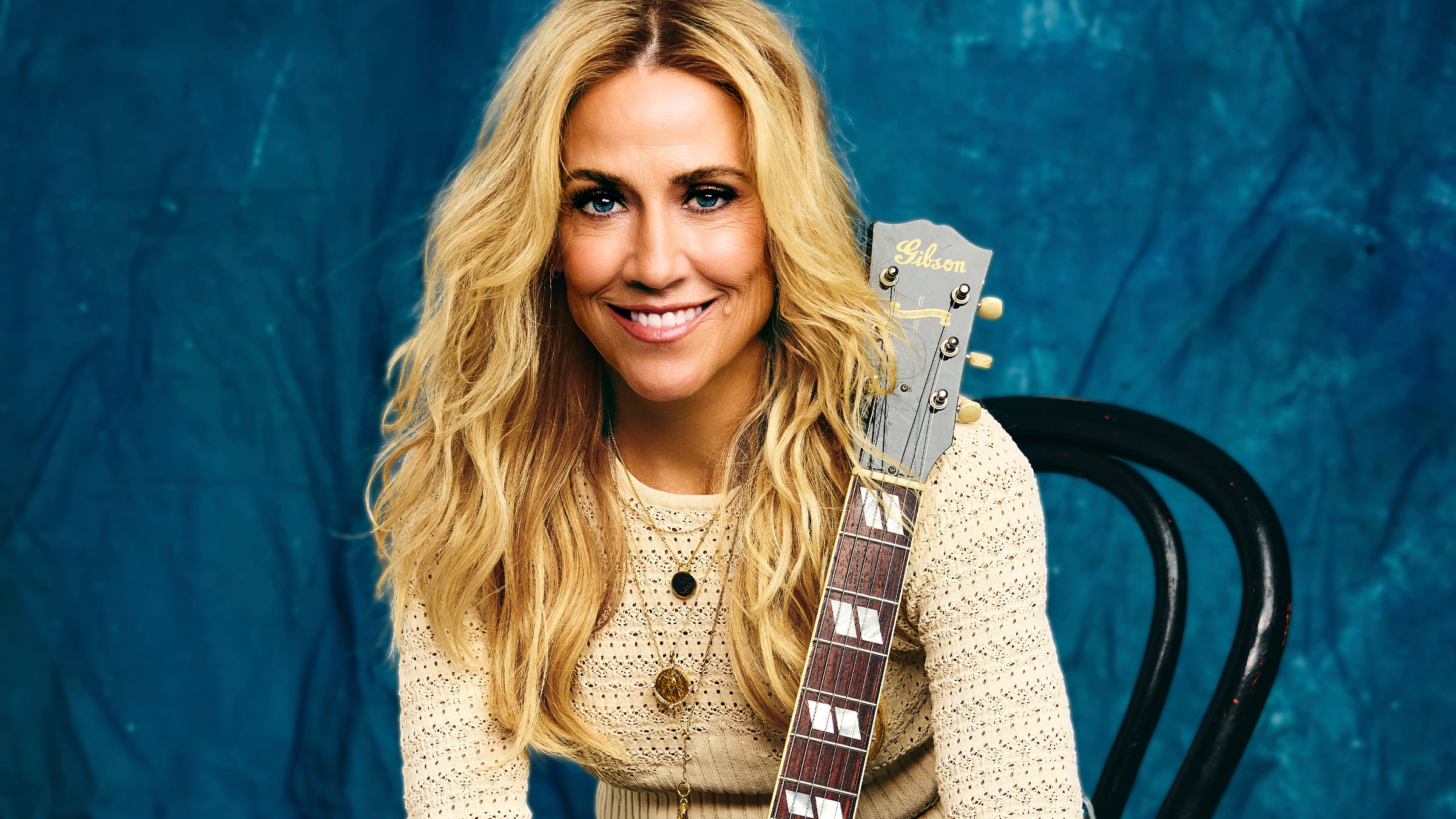
In a world increasingly shaped by screens, algorithms and political noise, Sheryl Crow, 64, defends the importance of thinking, writing and singing for oneself. “I’m at a point of acceptance. As you get older you return more to yourself and are less conscious about what others think about you,” she says. Her position on new technologies is not new for an artist who for more than three decades has used her songs to challenge power, denounce injustices and defend women’s freedom, even when doing so carried a price. An uncomfortable voice, unwilling to turn the volume down, she has sold 50 million records, won nine Grammys and turned songs like All I Wanna Do into global hits. She now presents Pick You Up, an album that examines the contradictions of the present and asserts the need to reclaim our humanity.

Question. On your new record you champion the search for beauty and hope. Where do you find them?
Answer. In nature and with my kids. But you also have to put away the phone: to experience beauty I need to step away from the madness that goes with scrolling and with algorithms. I hope when people listen to the record they’ll feel the hope that’s in it, and that they are not the only ones who feel alone in the universe.
Q. How does it feel when artists like Olivia Rodrigo, Lorde or Haim declare themselves fans of your career?
A. It’s the highest compliment. Life tests you and being able to turn to music to make sense of it is phenomenal. When I was young I found my own story in the songs of James Taylor, Carole King and Stevie Wonder. That someone else can find theirs in my music is more important than any Grammy.
Q. Before becoming a full-fledged star you spent years as a backing singer and recording jingles for commercials. What obstacles did you have to overcome to make your way in the industry?
A. I learned that you can be immensely talented, but in this world you have to be immensely competitive. It’s essential to convey that you know what you’re doing, even when you’re not sure yourself. You’re going to hear “No” and “You suck” a lot and be told you’re not cut out for this, but something inside you keeps you keep going. Stamina and perseverance are major attributes when you create art that reflects who you are.
Q. Men are often praised for their ambition while women can be labeled difficult for aspiring to the same things. Have you felt that double standard?
A. Of course! When I was coming up, all the positions of power in the music business were held by men. They all had opinions about how you should dress, how you should look and why you shouldn’t produce your own records. Producing my second album was a gift and its success opened doors for other women to produce themselves. But we`re still not entirely there yet, and in some respects we’re backsliding. Still, we must be doing something right now that the most important artists in my line of work are women.
Q. You have been critical of Donald Trump’s government. Can your country recover from the divisions he caused?
A. This president has done an insurmountable amount of damage, but he won’t be around forever and we will recover. I hope we learn how we were manipulated. He knew how to exploit a segment of the population willing to buy the fear and the hate he’s disseminated. We don’t live in a dictatorship yet, but he is following the rulebook for creating one. I hope those of us who have been divided by this rhetoric can find our way back to each other.
Q. Politics has become increasingly aggressive and confrontational worldwide. What do you think is behind this?
A. We have allowed billionaires to become trillionaires. There will have to be a pendulum swing the other way. If greed is leading the way, it’s very hard to move forward.
Q. Could women and the feminist movement promote a different style of political leadership?
A. Absolutely. If women were in charge, we wouldn’t be in these wars nor would we speak to each other the way we’re being spoken to. Generally, we seek solutions through dialogue. I love men, but it’s time to reflect on whether this is working, being bullies? If a mom ran the country, I guarantee we wouldn’t be doing what we’re doing.
Q. You are the mother of two teenage boys. Do you perceive a shift among young people toward conservative positions?
A. We’ve had uncomfortable conversations in the kitchen about this and a lot of it has to do with social media. Young men want to feel part of something and when the algorithm feeds you content from the manosphere, some of those ideas can seem logical. But I tell my kids it’s all about respect. Then I ask them: ‘What’s encroaching on your freedom? A woman’s success? Someone changing their sex? Or someone bringing a gun into your school? That does encroach on your freedom.’ We’re too exposed to powerful messages of hate. I prefer messages of love and respect and my kids understand that.
Q. You have shown outright rejection of artificial intelligence.
A. My greatest fear is that we lose the ability for critical thinking. You can read something and accept it as true instantly, without asking yourself any questions. That’s how the MAGA movement happened: many people bought what they were sold. I’m also terrified that AI is infiltrating every aspect of our daily lives, and the ability for it to be used against us is terrifying.
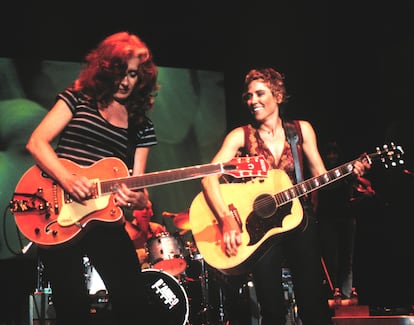
Q. Next year will mark 30 years since the Lilith Fair festival, made up exclusively of women. What was its legacy?
A. It was a celebration and a statement. We proved that women could sell tickets even if the bill featured all these female artists—something promoters and male agents didn’t believe. The artists getting the most radio play were women and yet they refused to put us together on a bill. We invited all the local charities, and it articulated a beautiful example of how to bring this feminine energy in a lucrative way but also in a philanthropic way.
Sign up for our weekly newsletter to get more English-language news coverage from EL PAÍS USA Edition

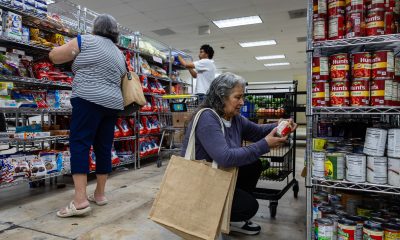

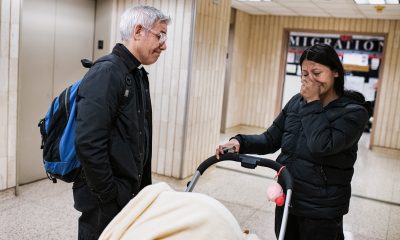

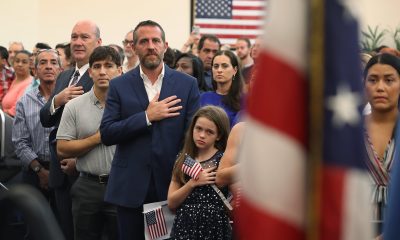








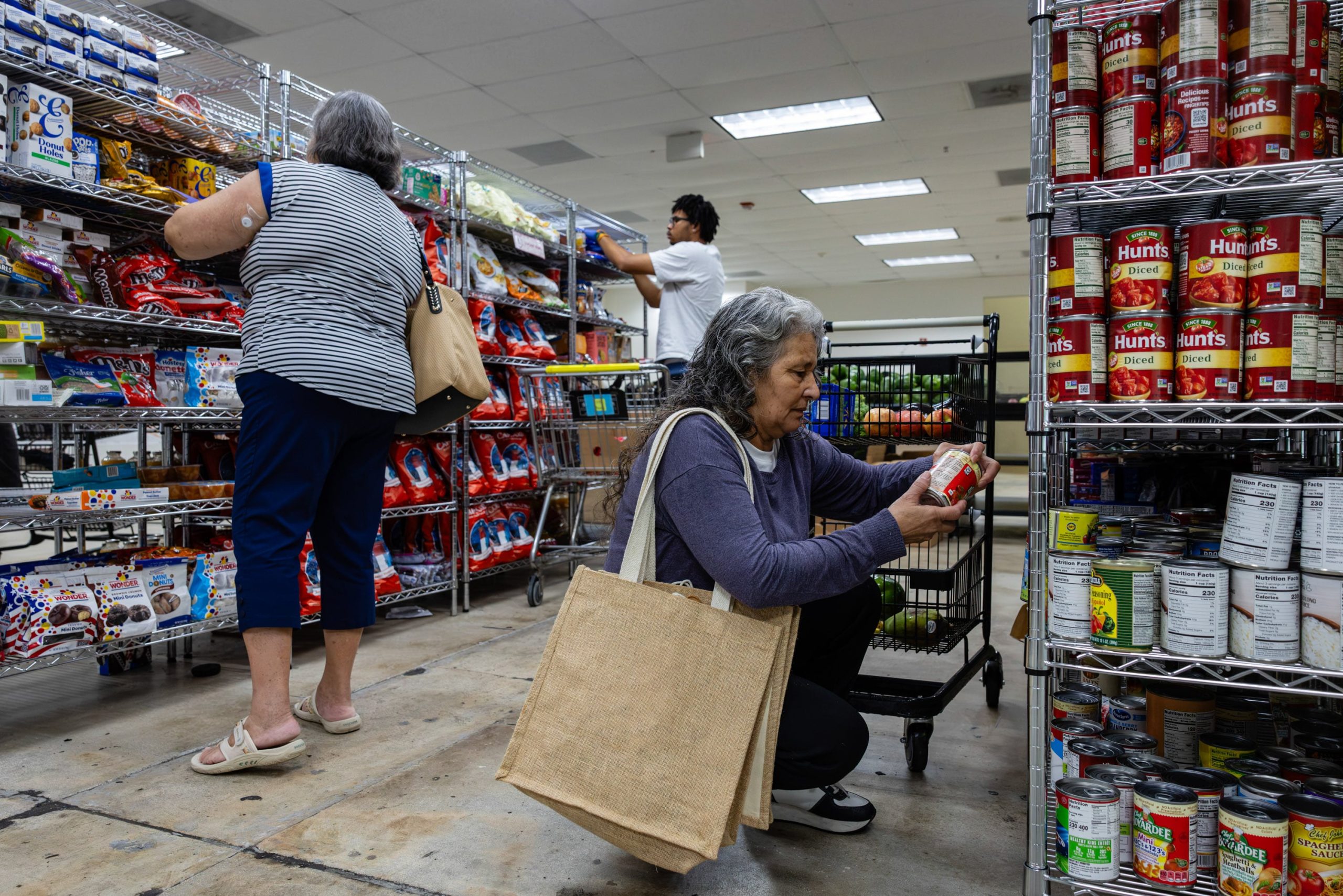
There are times of the year like Thanksgiving, when schools where some children receive food are closed, and the hunger crisis in Miami —one of the most expensive cities in the United States — is most noticeable. Despite heavy rains and the risk of flash flooding this Wednesday, hundreds of people, mostly working families, turned to free food pantries and food banks to secure a turkey and vegetables for the traditional dinner, and to offset the expenses that keep rising with inflation and the war against Iran.
At 60 years old and with three jobs, Sonia still needs to go at least once to pick up free food to complete the month’s diet. She cleans houses, takes care of children and pets, and earns $15 an hour. She bikes to work so she doesn’t have to spend on car, insurance, and fuel. What she earns goes to pay rent, electricity, and her son’s university in Chile, her home country. There she worked almost two decades as a secretary in a local government, and in the U.S. she has been changing fields as opportunities arise. She is now saving for dental treatment, which without health insurance costs thousands of dollars.
“I’ve been coming for about eight months and I keep seeing more people,” says Sonia, who prefers not to use her full name. She’s not surprised, because all the prices of all the products have gone up, “even at Dollar Tree,” the American store chain that boasted of selling all its products for one dollar.
The cost of living in Miami has risen so much that many families’ incomes are not enough to pay the minimum: shelter, food, and utilities.
In a 2026 survey conducted by Aspect Strategic for No Kid Hungry Florida, 82% of respondents said that the cost of food had increased more than their income in the past year. Around 70% indicated that their economic situation has worsened as a result of rising food prices, and 49% admitted to going into debt to cover that expense. One in two families also say they skip meals or eat less, and two out of three families have had to choose between buying food or paying essential bills.
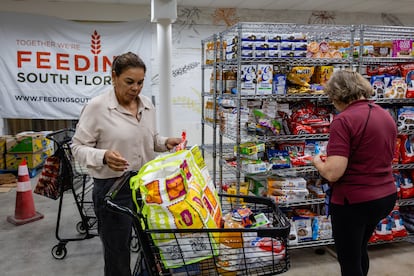
Demand for free food pantries has skyrocketed, explains Jessica Benites, chief of staff at Feeding South Florida, a nonprofit organization that receives and distributes donations in four counties in the region through 300 branches. “We are experiencing a very large increase in families coming to Florida to ask for food aid and we’ve had to expand our operations. Before, we served until 5:00 p.m., now we are serving until 8:00 p.m. We also had to increase Saturdays and Sundays to meet the very high demand we have now,” she says.
Federal and state aid for low-income families and elderly people to buy food has been reduced. Just over a year ago, the Donald Trump Administration approved the largest reduction of the Supplemental Nutrition Assistance Program (SNAP) since its creation in 1939. As a result, about two million people lost the benefit. In Florida alone, enrollment in the program fell by 22%, according to data calculated by the Associated Press agency.
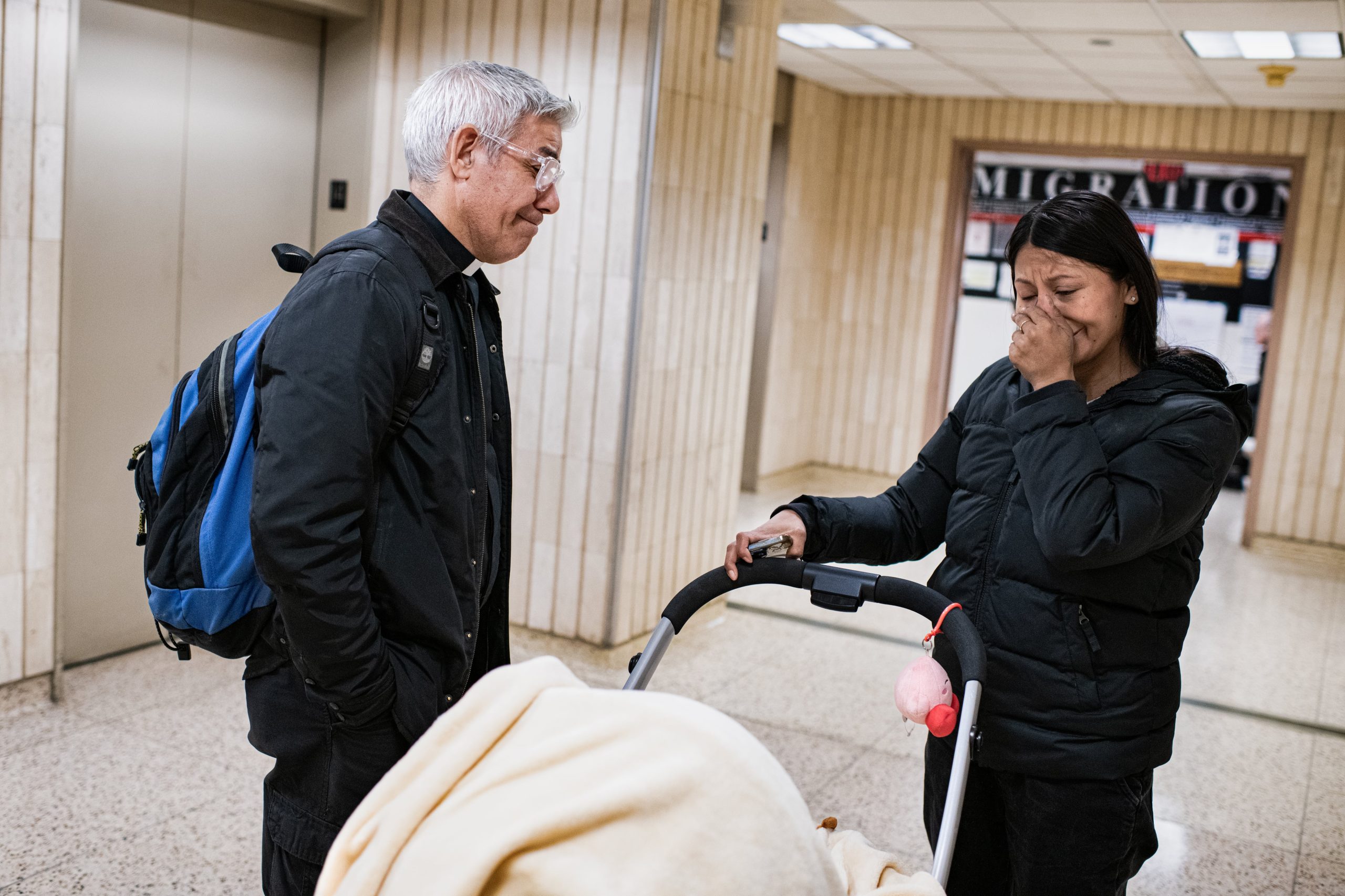
The federal government’s immigration policy, which has set out to deport as many undocumented immigrants as possible, has also added pressure to the hunger crisis in the southern part of the state. Miami and the surrounding cities are home to the largest diasporas of Haitians and Venezuelans and other communities that have lost work permits and protections granted by TPS, the Temporary Protected Status that Trump has been chipping away at since returning to the White House.
On an average day, about 200 families look for food at Feeding South Florida’s largest location, in the Hallandale Beach area, about half an hour from downtown Miami. Many of them are immigrant families who have lost their work permits and mixed-status families—where at least one member has U.S. citizenship and access to public benefits—who have chosen not to apply for the SNAP benefit for fear of retaliation.
“Many people are already afraid to share the information, and sometimes people prefer not to apply because they feel exposed and don’t receive as much money as they used to,” says Benites. “And with TPS, people could work and can’t anymore, and when they lose their jobs, they have to look for organizations that can help them. In our case, with food.”
Sign up for our weekly newsletter to get more English-language news coverage from EL PAÍS USA Edition



Un Menor De 11 Años Herido Crítico En Una Pelea Con Cuchillos En Un Pueblo De Barcelona

Real Madrid – Alavés En Directo | Comienza La Segunda Parte En El Bernabéu

Could Your Car Survive Crossing French Bumps?


-

 New Developments3 weeks ago
The San Roque Club – Townhouses For Sale
-
costa blanca live music4 weeks ago
Beatles tribute: The Liverpool Band returns to Orihuela Costa
-

 New Developments4 weeks ago
Stylish 3-Bedroom Apartment With Panoramic Sea Views – Benalmádena
-

 %4 days ago
Black Friday Shock As Just 6% Of Deals Pass OCU’s Genuine Bargain Test
-

 Uncategorized4 weeks ago
FIA explain Leclerc penalty decision as Hamilton left fuming after Ferrari clash
-

 America4 weeks ago
Así Ha Sido La Primera Jornada Del World In Progress 2026: Del Anuncio De Sánchez De Ayudas Para Las Víctimas De Urda A La Reivindicación De Rebeca Grynspan Del Papel De La ONU
-
 %3 weeks ago
Catral Celebrates November
-
blackout4 weeks ago
Power cuts hit Malaga: Eight towns and villages affected by electricity faults