Connect with us

Donald Trump

Trump Administration Responds To María Elvira Salazar: No Amnesty For Irregular Immigration ‘whether You Like It Or Not’

Published

on

trump-administration-responds-to-maria-elvira-salazar:-no-amnesty-for-irregular-immigration-‘whether-you-like-it-or-not’

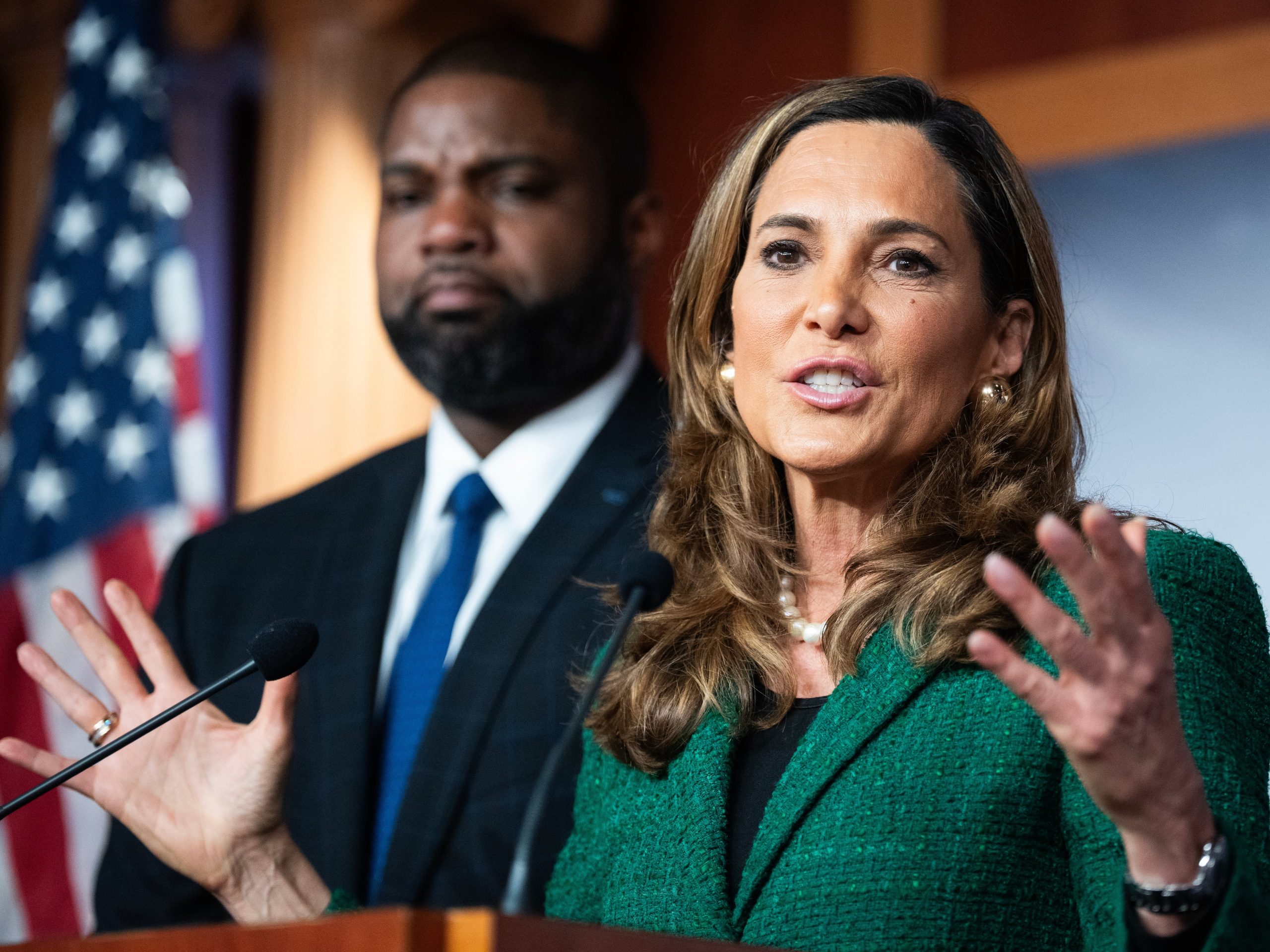
The Department of Homeland Security (DHS) has responded to Republican congresswoman María Elvira Salazar’s statement questioning Donald Trump’s immigration policy and saying it has gone “too far.”

The agency that oversees bodies such as U.S Immigration and Customs Enforcement (ICE) and the Border Patrol sent a reply to EFE saying that “there will be no amnesty” for undocumented immigrants “whether Congresswoman Salazar likes it or not,” and that the men and women of ICE are enforcing laws passed by Congress.

“Under the leadership of President Trump and the [DHS] secretary [Markwayne Mullin], there will be no amnesty for illegal immigrants. Not now, not ever,” the DHS added, reaffirming its intention to continue the mass-deportation campaign promised by the Republican.

The confrontation opens a rift between the Trump administration and one of the best-known Hispanic congresswomen in Washington less than two months before the November 3 midterm elections. Salazar, who represents Florida’s 27th District, which has a large Latino majority (at over 70%), is seeking a fourth term in the House of Representatives and faces a close race against Democrat Eliott Rodríguez.

Although Salazar has for months been carefully questioning some of the government’s immigration decisions, on Thursday she went all out with the release of a campaign video in which she addresses Trump directly to warn him about the consequences of his decisions. “Mr. President, some of your immigration enforcement efforts have gone too far,” the Cuban-American congresswoman said.

The message came after months of ramped-up immigration operations in South Florida, where arrests have sparked fear in Hispanic communities. ICE detained 50,925 people in August, the agency’s highest monthly total on record and the third consecutive record after 43,900 arrests in June and 50,208 in July.

Salazar specifically highlighted the profiles of those detained. In the video she noted that roughly half of the people arrested by ICE in July had no criminal record. The congresswoman — who has backed much of Trump’s agenda but has also introduced a bill called the Dignity Act that seeks a pathway to legal status for foreigners who have lived in the United States for more than five years — asked the president to reconsider the direction of the operations.

Increasingly tight electoral battle

Salazar’s public break with Trump also coincides with signs that her re-election bid may be tighter than it was two years ago. A Bendixen & Amandi International poll conducted in late August puts the Republican in a tie with Rodríguez, each with 45% of the vote, in a survey of 600 likely voters commissioned by Rodríguez’s campaign.

That represents a notable shift from 2024, when Salazar won the 27th District by more than 20 points. Trump also carried the district comfortably in the last presidential election. Salazar, who has typically adopted a nuanced position on immigration — two years ago she was a staunch supporter of allocating billions to ICE and the Border Patrol — is now trying to distance herself from the most aggressive aspects of that same offensive as part of a segment of her electorate criticizes her for not speaking out sooner against the authorities’ crackdown.

Sign up for our weekly newsletter to get more English-language news coverage from EL PAÍS USA Edition

AI

Pedro Sanchez Embraces New Wave Of Data Centre Construction But Insists On Tough Regulations

Published

on

pedro-sanchez-embraces-new-wave-of-data-centre-construction-but-insists-on-tough-regulations

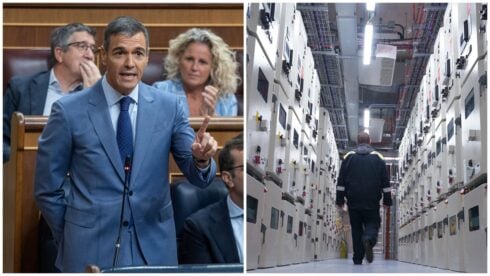
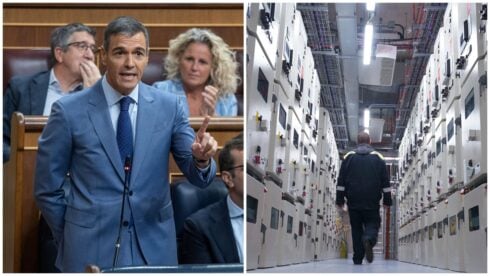
THE PM said new centres planned for Spain have energy needs that ‘outstrip expectations,’ stressing they should remain ‘economically sustainable.’

Continue Reading

Barbra Streisand

Barbra Streisand Carga Contra El “ego Desmedido” De Trump Y Zara Larsson Califica De “perdedores” A Quienes Han Puesto Su Canción En Un Vídeo Del ICE

Published

on

barbra-streisand-carga-contra-el-“ego-desmedido”-de-trump-y-zara-larsson-califica-de-“perdedores”-a-quienes-han-puesto-su-cancion-en-un-video-del-ice

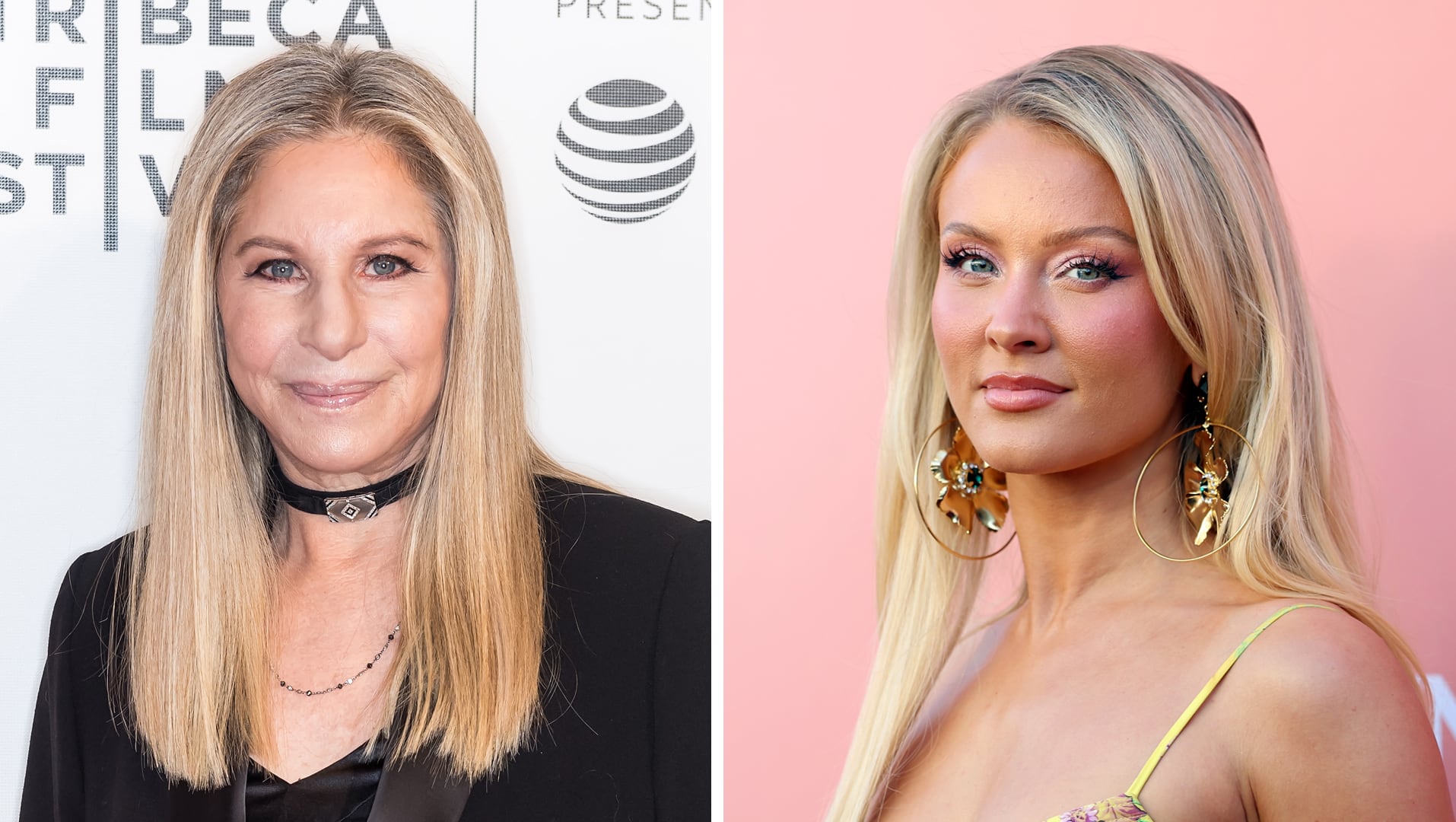
En solo 24 horas, dos reconocidas cantantes, Barbra Streisand (84 años, Nueva York) y Zara Larsson (28 años, Helsingborg, Suecia), se han pronunciado públicamente en contra de los arrebatos del presidente de Estados Unidos, Donald Trump. La primera ha cargado contra el “ego desmedido” de Trump tras sus amenazas de derribar el Kennedy Center —el centro cultural más importante de su país— si no contaba con el apoyo de la institución. La segunda ha criticado que la Casa Blanca haya utilizado su canción Midnight Sun en un vídeo de TikTok en el que se promueve la política de deportaciones del Gobierno. Las dos artistas, con 56 años de diferencia, se han sentido agraviadas por las actuaciones del mandatario y ambas han explicado, de forma extensa y clara, sus razones.

Este jueves, un juez federal ordenó al centro cultural notificar con 30 días de antelación cualquier proyecto de demolición, construcción o remodelación física: el Kennedy Center ha estado en el centro de una vorágine legal y política en Washington, con Trump enfurecido por una decisión judicial que impedía, por segunda vez, que su nombre figurara en la fachada. Esa misma tarde, Streisand publicó un comunicado de 430 palabras en su página web oficial para dar su visión sobre este asunto: “En 2008 tuve el inmenso honor de formar parte de la 31ª promoción de galardonados del centro. Para mí, y para tantos otros artistas, aquel reconocimiento representaba algo más importante que un simple premio a una trayectoria profesional. Representaba la convicción de que el arte desempeña un papel fundamental en la vida de una democracia. Por eso resulta tan indignante y doloroso presenciar lo que le está sucediendo al Kennedy Center”, asegura.

“Cuando Donald Trump intentó poner su nombre junto al del difunto presidente Kennedy en la entrada del edificio, la iniciativa suscitó un rechazo generalizado por parte de artistas y de gran parte del público. Posteriormente, un juez federal dictaminó que el nombre del Kennedy Center no podía modificarse sin una ley del Congreso, y el nombre de Trump fue retirado de la fachada del edificio”, resume la artista. “Sin embargo, la lucha continuó. Tras la retirada de su nombre, un Trump humillado ordenó colocar una gran lona sobre la fachada, que permanece allí. Posteriormente, la junta directiva —alineada con Trump— volvió a presionar incansablemente para que se restituyera su nombre, lo que provocó un nuevo fallo federal que bloqueó dicha iniciativa. Y ahora, un Trump totalmente derrotado ha anunciado el cierre del Kennedy Center para llevar a cabo lo que la junta directiva —compuesta en su totalidad por partidarios suyos— califica como una renovación de gran envergadura ¡Resulta curioso que, cuando el nombre de Trump aún figuraba en el edificio no se planteara en absoluto la posibilidad de cerrarlo!”, resume sobre los últimos movimientos del presidente en su persecución a las instituciones culturales de Washington.

”Es fácil imaginar mi indignación al ver cómo esta venerada institución se convierte en el centro de una disputa tan encarnizada, motivada únicamente por el nombre y el ego desmedido de un solo hombre”, sentencia la intérprete de The Way We Were, que cierra su mensaje impulsando a los estadounidenses a votar en las elecciones de medio mandato que se celebran en noviembre. Un mensaje del que ha querido asegurarse su difusión, pues en su cuenta de Instagram, donde acumula 1,8 millones de seguidores, ha publicado una foto junto a John F. Kennedy en la que remite al comunicado completo en su web.

En un mismo día, el mandatario ha sido señalado por la también cantante Zara Larsson. Es ya habitual que en los vídeos publicados en sus redes sociales y en los de la Casa Blanca utilice sin permiso canciones populares, con las que edulcora los vídeos sobre la guerra en Gaza o su política de deportación masiva. Le ha sucedido a Ariana Grande, a Sabrina Carpenter a Olivia Rodrigo o a Katy Perry, quienes se han pronunciado en su contra en el pasado. Y le ha ocurrido por segunda vez a Larsson.

El vídeo, publicado por la Casa Blanca el miércoles 16 de septiembre, muestra a agentes del Servicio de Inmigración y Control de Aduanas (ICE) arrestando y esposando a varias personas mientras suena de fondo Midnight Sun. La publicación va acompañada del texto: “Deportaciones sin fin…”, junto al emoticono de una estrella. La artista sueca ha dicho sentirse con el “corazón encogido”. “El vídeo es tan deshumanizador (…) Evidentemente me etiquetaron en esto, y algunos decían: ‘Se va a enfadar’. ¿Sabéis qué? No estoy enfadada. Estoy triste. Estoy realmente triste. Sinceramente, me entristece mucho ver algo así“, se ha lamentado en su respuesta en TikTok.

Larsson califica de “auténticos perdedores” a quienes elaboraron el vídeo y reflexiona en su réplica de tres minutos: “Si alguien quiere debatir sobre política migratoria, de acuerdo. Pero no va de eso (…) Las personas que aparecen en el vídeo son personas reales”. Hay un tipo que lleva ropa de obra. Está trabajando. La inmensa mayoría de las personas indocumentadas son gente corriente con empleo que simplemente intenta construir un futuro mejor”.

La cantante también señala la disonancia entre la intención de la canción y el uso que le ha dado la Administración Trump. “Es increíble cómo todo se ha convertido en un meme, en un ‘jajaja, qué gracioso’, y más aún con una canción que habla de sentirse conectado con la naturaleza, con el universo y, en última instancia, con otras personas. Esto solo crea una enorme división entre la gente”. La canción ya no se escucha en el vídeo, pero Larsson dice sentir una sensación “indescriptible, de locos”.

La queja de la cantante se suma a las críticas de otras artistas, por lo general mujeres en el género pop, que han sufrido su misma suerte. Hace un mes Ariana Grande escribió: “Nunca vuelvas a utilizar mi música. Tu verdad es falsa”, después de que la Casa Blanca utilizara su canción Bye en un vídeo en el que agentes de ICE arrestaban a migrantes. En 2025, Sabrina Carpenter expresó su rechazo después de que la Administración estadounidense utilizara su canción Juno en un vídeo que también incluía imágenes de detenciones a migrantes. “No vuelvan a usar mis canciones para promover su propaganda racista y llena de odio”, escribió ese mismo año Olivia Rodrigo, en un copia y pega de esta práctica.

Aunque las decisiones de Trump han desatado reacciones de rechazo por parte de Streisand y Larsson, esta última ha añadido a su respuesta un mensaje comprensivo: “Me gustaría poder hablar con quien hizo este vídeo. Me gustaría hablar contigo y ayudarte a recordar que tú y yo no somos tan diferentes. En absoluto. Y tampoco somos tan distintos de las personas que aparecen en este vídeo. La mayor diferencia entre nosotros es que a cada uno nos han tocado cartas distintas en la vida”, reflexiona.

Continue Reading

Coinbase

Crypto Giants Flood The Republican Party With Money Despite Failure Of The Clarity Act

Published

on

crypto-giants-flood-the-republican-party-with-money-despite-failure-of-the-clarity-act

In July 2024, during a crypto conference held in Nashville, Donald Trump vowed that if he returned to the White House he would turn the U.S. into the crypto capital of the world. Two years later, the largest market for digital assets still lacks a law to regulate the industry, while Europe has had one since December 2024. On Tuesday, the Senate blocked the progress of the Clarity Act yet again, citing insufficient safeguards to prevent public officials — including the president himself — from benefiting from their crypto businesses. Despite the legislative setback for a bill that includes many of the industry’s proposals, the sector has not lost faith: crypto firms and entrepreneurs continue to pour money into Republicans and pro-crypto candidates ahead of the November midterm elections.

The bill, stalled in the Capitol, seeks to clarify that business and to split oversight between two federal agencies: the Securities and Exchange Commission (SEC) and the Commodity Futures Trading Commission (CFTC). The law also promises to provide investor protections and define companies’ obligations.

After clearing the House last summer, only the Senate vote remained for the Clarity Act to become law. Just as the bill’s path seemed clear, the release of Trump’s financial disclosure — which revealed $1.4 billion in revenue from his crypto businesses during the first year of his second term — set off alarm bells among opponents. Democrats regard the ethical provisions in the bill as insufficient because they might not apply to Trump, who launched his crypto ventures before his reelection. After months of negotiations, Tuesday’s vote ended in defeat for Republicans, with 49 votes in favor of advancing the bill and 50 against. No Democrat backed the bill’s advancement, and four Republicans joined them, thwarting the goal of reaching the 60 votes needed to clear the procedural hurdle.

This latest failure is a setback for an industry that hailed Trump as a savior after years of frustrated hopes under a skeptical administration and regulators. The president himself has since become one of the biggest obstacles to regulating the sector, but the industry has doubled down on its bet. In the current campaign cycle, the sector has spent $206 million to support candidates from both parties, both through direct candidate donations and through political action committees (PACs) such as Fairshake, Stand with Crypto Alliance, and Digital Freedom Fund. No other economic sector, including the artificial intelligence industry, spends as much on campaign contributions, according to a Public Citizen analysis based on data from OpenSecrets and the Federal Election Commission.

The main crypto super PAC is Fairshake, founded in 2023 with funding from Coinbase and Ripple. It spent $133 million in 2024, according to OpenSecrets. In this election cycle, which will take voters to the polls on November 3, it has been seeding millions into contests across the country. In Alabama it spent $9.8 million to support Republican candidate Barry Moore, according to AdImpact, a website that monitors how political “dark money” is spent on campaign ads, and how much of it. In Iowa, the beneficiary was Zach Nunn, also a Republican and pro-digital-currency, for whom it paid to run an AI-generated ad defending family values.

But they were not alone. A recent Financial Times article revealed that a handful of U.S. billionaires have mobilized to fund the Republican electoral push. Beyond Coinbase and Ripple, companies such as Crypto.com, venture capital firm Andreessen Horowitz, and brothers Tyler and Cameron Winklevoss, founders of the Gemini crypto exchange, also appear on the list.

Elon Musk, also a staunch supporter of digital currencies and who set records in the 2024 presidential cycle by contributing about $290 million to Trump’s campaign, is expected to spend roughly $100 million this time. The billionaire’s shell entity, America PAC, injected funds into key Senate races in August — including Ohio, Michigan, Iowa, Maine, New Hampshire, Texas and Alaska — as well as into critical House of Representatives contests, according to a report filed with the Federal Election Commission on September 2.

In the background is the controversial Supreme Court ruling Citizens United, which in 2013 allowed companies to pay politicians so those officials would later conveniently represent their interests in the Capitol. Emerging industries like digital assets and artificial intelligence have in recent years been occupying a space traditionally dominated by Wall Street.

‘Cryptobros’ flaunt their influence

The path of the Clarity Act had already exposed the growing political weight of the cryptocurrency industry. Earlier this year, a battle erupted between big banks and the crypto sector: the flashpoint was the possibility that stablecoins (cryptocurrencies pegged to the dollar) could offer yields to their users. While banks saw unfair competition with their traditional deposit business and risks of capital flight, part of the crypto industry viewed it as a matter of survival. In an unusual show of force, Coinbase walked away from negotiations and the Republican Party responded by revising the proposal.

Now it is Trump himself who has again complicated the bill’s prospects, putting its future in doubt and making the chance of winning approval before the November elections — in which Republicans could lose control of the Senate — seem increasingly remote. “The Clarity Act would have shielded the industry from political swings and changes in administration,” analysts at Bernstein say.

As a result, the industry is already looking for shortcuts: “We can’t wait on Congress anymore. The SEC and CFTC have the tools they need to create clear rules under existing authority, and I expect will begin working on this in earnest,” Brian Armstrong, Coinbase’s chief executive, said on X. Since Trump’s return to the White House, both agencies have dismissed or shelved dozens of lawsuits against crypto companies alleging market-law violations.

Sign up for our weekly newsletter to get more English-language news coverage from EL PAÍS USA Edition
Continue Reading
Advertisement
Advertisement

Spanish Real Estate Agents

Tags

Trending

Copyright © 2017 Spanish Property & News