
Living in Spain
Vigo has put something unusual in its car parks. Could the rest of Spain be next?

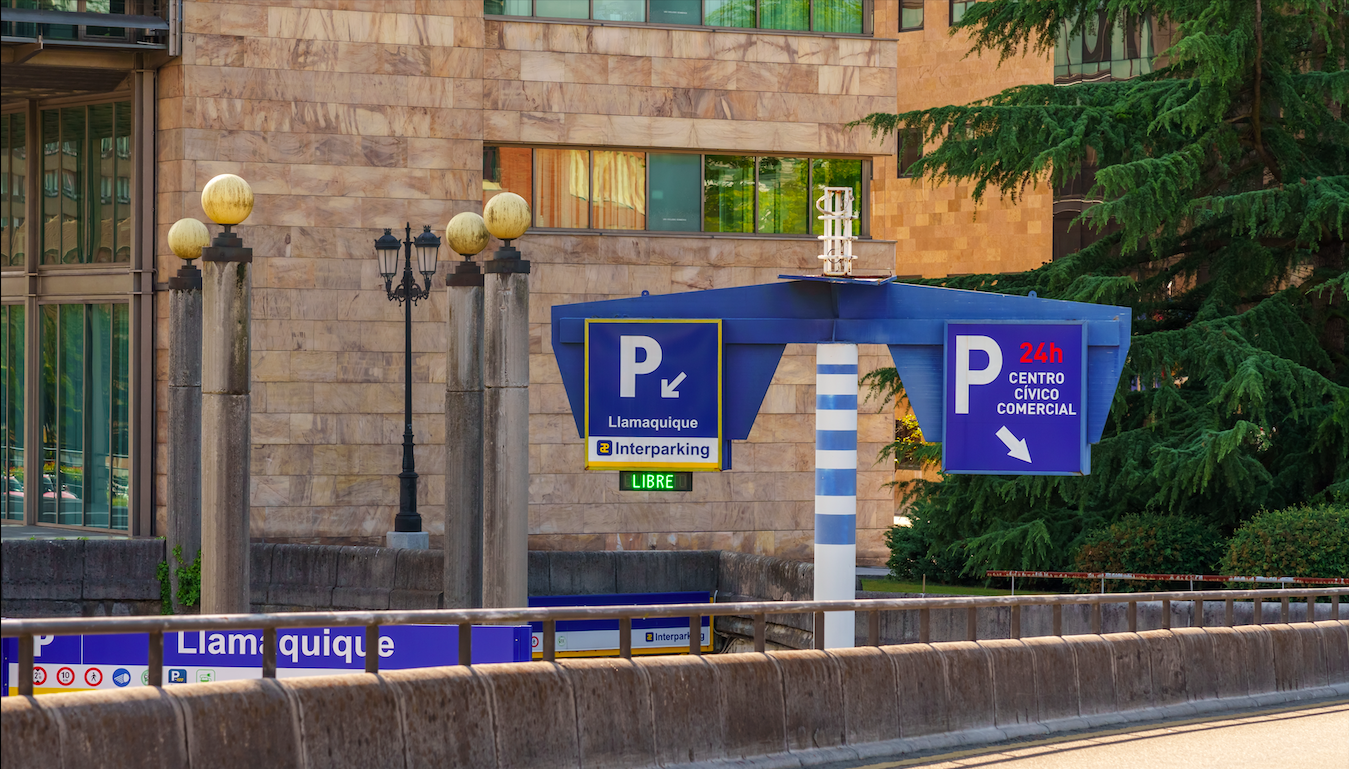
The machines are the work of Vigo-based company Welgood Technologies. Photo credit: Pavel105/Shutterstock
Forgotten dinner shopping could take you somewhere unexpected in Vigo, where vending machines are serving up frozen seafood in the very last place you might think to look: the car park. You know the feeling. The shops are shut, dinner still needs sorting, and the thought of finding somewhere open is about as appealing as discovering you’ve left your shopping bags in the boot. But what if your nearest car park had a rather unusual solution?
In Vigo, Galicia, drivers can buy frozen seafood from vending machines, including prawns, instead of heading to the supermarket or fishmonger’s. And no, these aren’t machines selling seafood-flavoured crisps. They’re stocked with actual frozen products to take home and cook. It’s an unexpected twist on the familiar vending machine, which has traditionally been associated with emergency chocolate bars, fizzy drinks and snacks that fall out with a thud.
What can you actually buy?
The machines have been installed by Vigo-based Welgood Technologies, a company better known for managing car parks and developing technology for motorists. There are 19 vending machines across eight of its car parks, with frozen seafood available at five locations: Urzaiz, Policarpo Sanz, Independencia, Náutico Cíes and Pintor Colmeiro.
The selection includes wild-caught langostinos in 800g boxes and peeled, deveined king prawn tails, including smaller packs of around 200g. Prices reported for the products range from €14.10 to €20.60. One of the offerings is an 800g pack of Easy Peel king prawns, sold exclusively through the machines. The shell has been cut to make peeling easier during preparation, saving a little fiddling around when it is time to cook.
Customers can pay by card, while the company is working on integrating product purchases and stock reservations into its mobile app. The idea is to let people secure what they want from their usual car park rather than discover that the machine has sold out. Naturally, the seafood is frozen, so anyone buying it needs to transport and store it appropriately before cooking. This is not a machine dispensing a hot seafood platter to eat on the bonnet.
Your car park might have dog ice cream, too
Seafood is only part of the experiment. Welgood has also installed machines selling pet products under its Pit&Pet brand, including refrigerated and frozen food, snacks, yoghurts, dog ice cream, toys and hygiene items. The range varies by location, with some car parks offering food while others have a broader selection of accessories and care products.
The thinking is straightforward: car parks have a steady stream of people passing through, including outside normal shop opening hours. Why not offer them something useful while they are there? Commercial director Patricia Díaz informed that the company wants to challenge the assumption that vending machines are only for unhealthy snacks and fizzy drinks. She said the new service had received a positive initial response, although its longer-term success remains to be seen.
Could seafood vending machines spread across Spain?
Vigo’s experiment raises an obvious question: could we soon find frozen seafood in car parks in Madrid, Barcelona or Málaga? There is no confirmed nationwide rollout to announce their expansion. The current installations are in Vigo, and there is no evidence yet that the seafood machines are coming to other Spanish cities. However, Welgood offers other brands the opportunity to sell products through its vending network or rent machines for their own locations.
That creates a possible route for the concept to expand if retailers see a market for it. But for now, only Vigo gets to enjoy the fruits of the vending machine, especially as it is a city closely associated with seafood and the fishing industry. But the underlying principle could work elsewhere: put products people want somewhere they already visit, and make them available beyond conventional shop hours. So next time you head into a car park, don’t just look for your parking space. You might find dinner waiting beside the ticket machine.






The Government intends to introduce the change through a royal decree-law. Photo credit: gg-foto/Shutterstock
Unmarried parents in Spain who were refused a widow’s pension because they never officially registered their relationship could soon have another chance to claim financial support. The Government is preparing a change that would allow eligible couples with children in common to prove their relationship through shared residence, while a proposed 12-month window could reopen the door for people whose applications were previously rejected.
The measure is due to go before the Council of Ministers on Tuesday, October 20. If approved, it would change the rules for unmarried couples and introduce a route for reviewing earlier cases, potentially helping families who were excluded because of a formal requirement rather than a lack of evidence that they had built a life together.
A year to revisit rejected applications
One of the most significant elements of the proposed reform is a transitional period of 12 months for people who were previously unable to obtain a widow’s pension. Under the draft, those affected could ask for earlier applications to be reviewed or submit a new claim under the revised rules. This could matter to surviving partners who had children with the deceased and lived together for years but were refused because they had not registered their relationship as a pareja de hecho.
The provision could be particularly useful to people who did not challenge an earlier decision because they believed there was no way around the registration requirement. If the proposed change takes effect, they may have an opportunity to have their circumstances considered under the revised criteria. However, a previous rejection would not automatically be overturned. Applicants would still need to satisfy the conditions applicable to their claim, and the final legislation will determine how the review process operates. The 12-month period is therefore an opportunity to seek reconsideration, not a guarantee of payment.
Why the current rules have left some families without a pension
Spain’s contributory widow’s pension provides financial support to eligible surviving spouses or registered partners following the death of their partner. But unmarried couples who have children together can still face a legal obstacle if they never formally established their relationship. Under Article 221 of the General Social Security Law, couples who are not married generally need to prove that their pareja de hecho was registered with the relevant authority or established in a public document at least two years before the death.
The existing rules normally require five years of uninterrupted cohabitation, but couples with children in common are exempt from that particular five-year requirement. The formal-registration requirement is separate, however, and having children together does not automatically remove it.
That distinction can have serious financial consequences. Two people may have shared a home, raised children and managed household expenses together for years, yet the surviving partner may still be refused a pension because they never completed the official registration process. The proposed reform would address that specific problem by allowing eligible couples with children in common to establish their entitlement through evidence of cohabitation instead.
What would unmarried parents need to prove?
Under the draft, couples with children in common would need to demonstrate at least two years of uninterrupted cohabitation immediately before applying for the pension. They would not need to have registered their relationship as a pareja de hecho. A municipal residence certificate, known as a certificado de empadronamiento, would be accepted as evidence that the couple shared an address. This would give surviving partners a defined way to prove cohabitation without having to demonstrate that they completed the formalities required under the existing system.
The change would not remove all the conditions attached to the benefit. The other eligibility requirements for a contributory widow’s pension would continue to apply, including the relevant Social Security conditions concerning the deceased person’s contribution record, where required. The reform is therefore aimed at one particular barrier: the need for unmarried parents to have formally registered their relationship. It would not make every surviving parent automatically eligible simply because they have a child with the deceased.
A separate change for divorced and separated people
The proposed package also includes a different measure affecting some people who divorced or legally separated before 2008. Eligible survivors in this group would be able to receive a widow’s pension alongside another public pension, such as a retirement or incapacity pension. The proposal is intended to remove restrictions that can prevent some people from combining these benefits.
This provision is separate from the changes for unmarried parents. It concerns the compatibility of pensions rather than the formal recognition of a relationship, and the final legislation will determine which cases qualify. For people affected by these rules, the distinction matters: the proposed exemption for unmarried parents would change how a relationship can be proved, while the provision for some divorced or separated people would affect whether two pension payments can be received together.
When could the new rules take effect?
The Government intends to introduce the measures through a royal decree-law. Approval by the Council of Ministers would be an important step, but the decree must also be validated by Parliament within 30 days to remain in force. Until the changes are formally approved and take effect, the existing eligibility rules continue to apply.
The immediate development for unmarried parents is not simply the possibility of qualifying without registration, which EWN has previously reported. It is the proposed opportunity for people whose claims were rejected to seek reconsideration under the revised rules. Anyone who believes they may be affected should check the final published legislation before making a new application or assuming that a previous refusal will be reversed. The exact conditions and procedure for reviewing earlier claims will depend on the approved text.
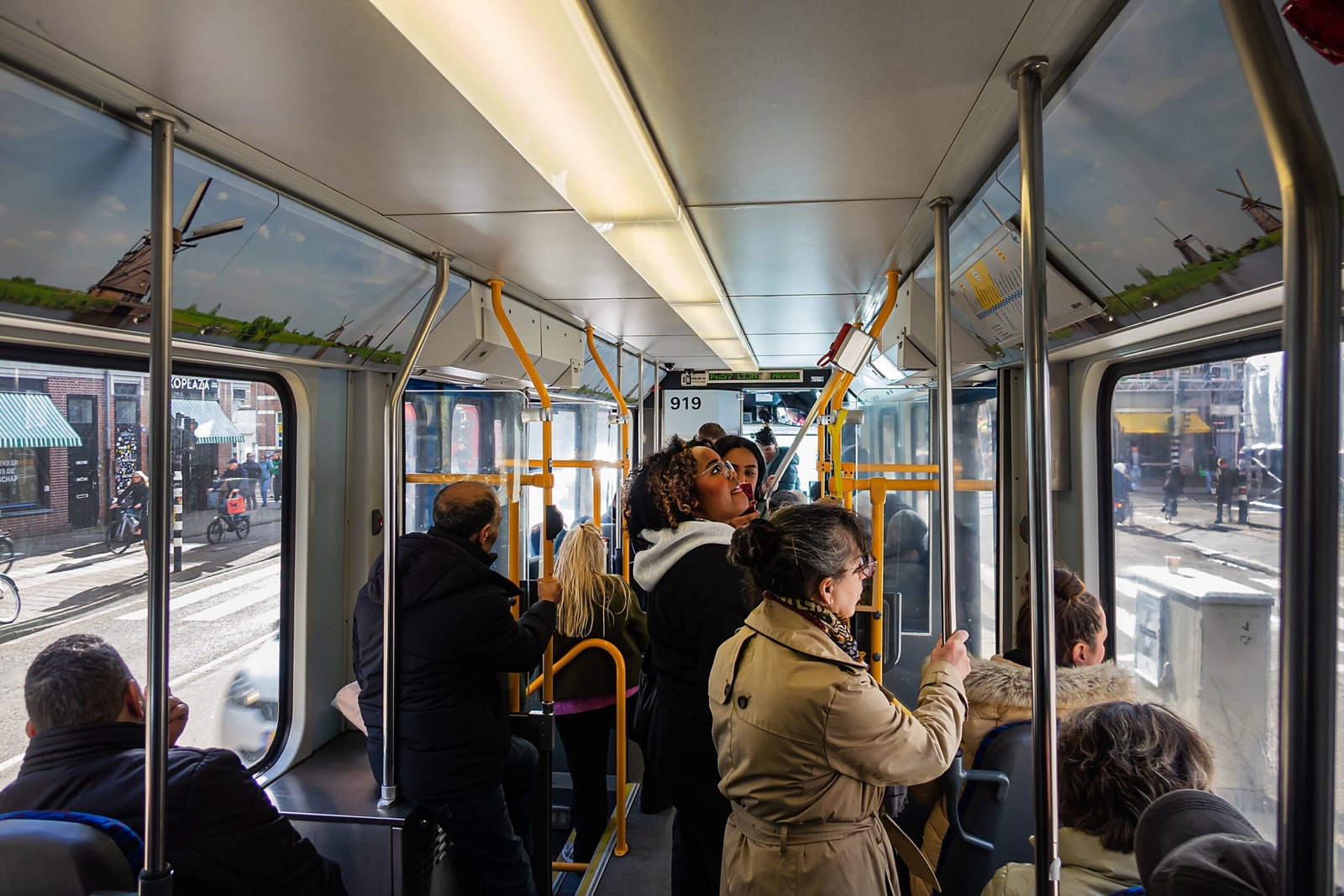
owning a car can be a necessity rather than a choice. Photo credit: Kiev.Victor/Shutterstock
For some people in Spain, getting to work, taking children where they need to go or reaching essential services comes with a bill they cannot easily escape. The average household now spends €4,020 a year on transport, and cutting back is not always an option when daily life depends on being able to get from A to B.
The figure is up from €3,158 in 2015, an increase of €862 over a decade. Transport accounts for 11.5% of household spending, according to a report by EAE Business School published on Thursday, October 15. Its findings highlight the growing problem of transport poverty, where people cannot afford to travel or lack access to reliable public transport, making it harder to reach work and essential services.
Where you live can determine how much you pay
The biggest divide is between people who have several ways to travel and those who depend on a car. In municipalities with fewer than 10,000 residents, 73.5% of people rely primarily on cars, compared with 29.6% in larger towns and cities. Public transport shows the opposite pattern. In the most populated municipalities, 48.8% of residents use it as their main means of getting around. In smaller municipalities, the figure falls to just 10.9%, according to the EAE report.
For people living in areas with limited bus or rail connections, owning a car can be a necessity rather than a choice. Fuel, insurance, maintenance and other running costs are difficult to avoid when there is no practical alternative for getting to work, shopping or appointments. That leaves some people with an awkward choice: absorb the expense or travel less. Spending less on transport does not necessarily mean someone is better off. It may mean turning down work, missing appointments or giving up journeys they need to make.
A cheaper home can mean a more expensive commute
Housing decisions can add to the problem. A property outside a town or city may cost less to rent or buy, but the saving can shrink when the journey to work requires a car every day. The report warns that poor transport connections can make a job financially inaccessible even when the salary looks attractive. Distance and the available transport options matter alongside income when calculating whether taking a job is worthwhile.
This can leave people with fewer choices about where they live and work. Someone may spend less on housing but more on getting to employment, while a person without reliable transport may struggle to reach jobs in the first place. Miguel Ángel López Gómez, an EAE Business School professor and author of the report, argues that transport should be seen not simply as another household expense, but as the price people pay to reach work, services and opportunities.
Transport costs can also push up prices
The impact does not stop at household budgets. Spain relies heavily on road transport to move goods, and the report puts road freight activity at 272 billion tonne-kilometres, around 15% of the EU total. Food, agriculture, construction, manufacturing, retail, distribution and tourism all depend on goods being moved around the country.
When transport and logistics become more expensive, businesses can face higher operating costs, which may feed through into the prices customers pay. The pressure can therefore reach people who are not making long commutes as well as those who rely on a car every day.
Transport costs put jobs and essential services out of reach
The cost of getting around leaves people in poorly connected areas with fewer options. Those who can rely on public transport have an alternative to paying for a car, while others face the expense of fuel, insurance and maintenance simply to get to work or reach essential services. For people on lower incomes, those costs can make everyday journeys harder to afford and job opportunities more difficult to access.
EAE calls for better mobility alternatives, particularly for people on lower incomes, those travelling longer distances and households heavily dependent on private vehicles. The figures suggest that access to transport is about more than the cost of a journey: it can determine which jobs people can accept, which services they can reach and how much choice they have over where to live.

Mercadona changes food labels across Spain: What shoppers need to know
Vigo has put something unusual in its car parks. Could the rest of Spain be next?

Spain Warns Of Fake Investment Websites


-

 Uncategorized3 weeks ago
F1 Bahrain Grand Prix will be live and FREE on TV this weekend
-
EU2 weeks ago
EU nicotine crackdown sparks warning that ex-smokers could be driven back to cigarettes
-
Blackout preparedness3 weeks ago
Brussels takes action against Spain over failure to update blackout plan
-

 Uncategorized3 weeks ago
Lewis Hamilton F1 wish could come true as stunning plans for new track revealed
-
 Foreign demand3 weeks ago
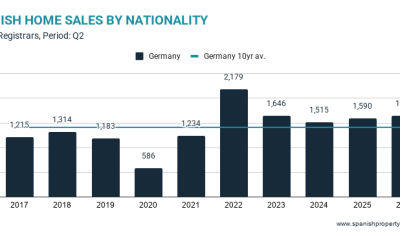
Market Snapshot: German Market In Q2 2026
-

 New Developments3 weeks ago
How To Get A Tourist Rental Licence In Andalusia (Spain) – Step-By-Step Guide 2025
-
Latest1 week ago
The Changes To Spain’s IRNR Non-Resident Property Tax In 2027
-
 Housing access / crisis / affordability2 weeks ago
Radical Housing Decrees Defeated As Snap Election Talk Grows