Connect with us

%

Benalmadena Restaurant Gives Back To Local Families

Published

on

benalmadena-restaurant-gives-back-to-local-families

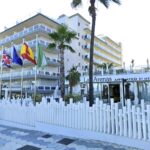
Site of the charity lunch in support of the Libeluas. Credit: Google

The Casbah Benalmadena is opening its doors to families facing difficult circumstances in an initiative designed to encourage other local businesses to support the community.

A Benalmadena restaurant is using the town’s tourism industry to give something back to local residents by hosting a special charity lunch for families facing personal or financial difficulties. The Casbah, managed by Merisi Catering SL and located within the Sahara Sunset complex in Benalmadena Costa, will host its first Almuerzo Solidario (Charity Lunch) on Saturday, November 21 at 2pm.

The initiative is being organised in collaboration with local association El Vuelo de las Libélulas, which will help identify and involve families who might otherwise struggle to enjoy certain leisure and dining experiences. The idea is to give participating families the opportunity to enjoy a meal in a restaurant more commonly associated with the town’s tourist trade, offering them a special day of hospitality and time together.

Tourism giving something back to Benalmadena residents

Merisi Catering says the project stems from a simple belief that the benefits of tourism should also be felt by the people who live in the town throughout the year. Although Benalmadena welcomes thousands of visitors, it is also home to families who form an important part of the town’s everyday life but do not always have the same opportunities to enjoy its restaurants and leisure facilities.

The company wants to help bridge that gap by sharing some of what the community has to offer with residents experiencing difficult circumstances. The town’s social welfare and family services also provide support for residents facing social and economic difficulties. Working with El Vuelo de las Libélulas also means the event can reach families already receiving support from the association, putting their wellbeing and the opportunity to enjoy a memorable occasion at the heart of the project. The association has previously benefited from local fundraising efforts, including Benalmadena’s sixth charity night walk supporting families in need.

Restaurant hopes other businesses will follow

However, organisers say the lunch is intended to achieve more than a single charitable event. Merisi Catering hopes the initiative will encourage other restaurants, hotels, tourist establishments and local companies to develop their own relationships with social organisations.

The message is that businesses do not necessarily need to launch large-scale campaigns to make a difference. Cooperation between local companies and associations can create opportunities for people who might otherwise miss out. The organisers are keen to emphasise that the focus should be on the people receiving support rather than the businesses providing it.

Their wider ambition is to encourage a stronger culture of cooperation between Benalmadena’s business community and local charitable organisations. As the company explains, tourism should not only provide experiences for visitors but also offer opportunities to improve the lives of those who call the area home.

The first Charity Lunch will take place at The Casbah restaurant, inside the Sahara Sunset complex in Benalmadena Costa, on Saturday, November 21.

Organiser: Merisi Catering SL – The Casbah Restaurant
Charity partner: El Vuelo de las Libélulas

%

Cuban Family’s 7-Border Journey To Salobreña

Published

on

cuban-family’s-7-border-journey-to-salobrena

Antony and Odaimy’s place on Salobreña sea front. Credit: ETFB

A Cuban family’s journey to Spain has ended with a new life and a sandwich business in Salobreña, on Granada’s Costa Tropical.

Antony, his partner Odaimy and her son Víctor left Cuba in 2021, hoping to settle in Russia. Instead, they crossed seven borders during a three-month journey to Spain in southern Spain. Cuban independent outlet elTOQUE interviewed the family about their journey.

From Cuba to Russia – then onwards

They sold their home in Havana to fund their departure. Russia was their first destination, but language and cultural barriers made settling there difficult, so they decided to not stop moving until they found the fit for them.

They travelled onwards to Serbia, then tried to cross into Croatia. Their first attempt ended when armed soldiers intercepted them and sent them back. On their second try, they walked almost 20 kilometres through uninhabited fields carrying their luggage.

The route continued through Croatia, Slovenia, Italy and France. The family were detained in Croatia and Slovenia, and feared deportation back to Cuba. In Italy, a relative helped with money for food and bus tickets. Odaimy said the thought of her son kept her going. “I would look at my son and tell myself that, above all, I owed him that: freedom.”

A new beginning on the Costa Tropical

After entering Spain, the family passed through Barcelona, Valencia and Murcia before deciding on settling in Salobreña, as the coast reminded them so much of home.

They found work in the food industry and built relationships in town. At the start of 2026, Antony and Odaimy opened a business selling Cuban sandwiches. “We’ve met some wonderful people, and we owe them a great deal,” Antony said. “Among other things, we owe it to them that we now have our own business.”

Odaimy says she is happy with the life they have built. Her son, now 26, has started his own life in Spain, and she has become a grandmother. Antony still worries about his parents and relatives in Cuba. “I have to go back even if I don’t want to,” he said.

Read the original elTOQUE report for the family’s full account. Their sandwich bar can be found on the corner of Paseo Marítimo and Calle Oleaje, Salobreña.

Continue Reading

%

Which Firewood Should You Buy In Spain?

Published

on

which-firewood-should-you-buy-in-spain?

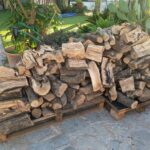
Encina, olive or almond? Falling night-time temperatures mean many expats are lighting their fireplaces again, but choosing the right firewood can make a real difference to heating costs.

As temperatures start dropping after sunset, households across Spain are preparing to light their fireplaces and wood-burning stoves again. For expats who are used to buying logs at home, however, choosing firewood in Spain can be a little confusing.

Spanish suppliers sell several different varieties, often using the local names rather than English descriptions. Prices and burning characteristics also vary, meaning that buying the cheapest wood does not necessarily mean getting the best value.

Knowing the difference between encina, olivo, almendro and other commonly available woods can help homeowners get more heat from their money this winter.

Which Spanish firewood gives the best heat?

Some varieties burn considerably longer than others. Hardwoods are generally the better choice for maintaining a fire, while lighter woods are useful for getting it started.

Here are some of the main varieties available from Spanish firewood suppliers:

Spanish name English name Burning characteristics
Encina Holm oak Dense, burns slowly and produces lasting embers
Olivo Olive High heat output and long-lasting embers
Almendro Almond Good heat and relatively long burning time
Roble Oak Good for maintaining a steady fire
Fresno Ash Good flames and useful general-purpose firewood
Pino Pine Lights easily but burns quickly
Eucalipto Eucalyptus Produces plenty of heat when properly dried

Encina is often considered one of the best all-round choices for domestic fireplaces. Olive and almond are particularly popular in southern Spain, where they are readily available in many areas.

According to the Spanish Association of Manufacturers of Stoves, Fireplaces and Solid Fuel Cookers (AEFECC), hardwoods such as encina, olive and almond generally offer better heat output and longer burning times than softer varieties.

Your fireplace type matters when choosing logs

Not every fireplace works in the same way, so the type of appliance in your home should influence your purchase.

  • Open fireplaces (chimeneas abiertas): Encina and olive are good choices because they produce lasting embers. Use smaller, easily ignited pieces to start the fire.

  • Glass-fronted fireplaces (chimeneas insertables or cassettes): Encina, oak and olive are suitable choices for steady heating.

  • Freestanding wood-burning stoves (estufas de leña): Dense hardwoods such as encina, almond and oak are excellent for maintaining warmth.

  • Wood-burning cookers (cocinas de leña): Choose logs cut to the size specified by the manufacturer, with almond and encina among the options worth considering.

Always check the appliance manufacturer’s instructions before buying, particularly if you have a specialist stove or a water-heating fireplace.

Dry firewood is more important than expensive firewood

Regardless of the variety, moisture content is one of the biggest factors affecting how well logs burn. Spanish government guidance recommends a moisture content of between 10 and 20 per cent for traditional firewood. Wet logs are harder to light, produce less useful heat and create more smoke and deposits inside chimneys and flues. A cheap moisture meter can help buyers check their purchase. Split a log and test the newly exposed inner surface rather than the outside.

Other signs of properly dried wood include:

  • Cracks appearing at the ends of the logs.

  • A lighter weight than recently cut timber.

  • A hollow sound when two logs are knocked together.

  • No obvious dampness or musty smell.

Homeowners can read the Spanish government’s guide to good firewood-burning practices for further advice.

Should you buy firewood by weight or volume?

Another question worth asking before ordering is how the supplier measures the wood. AEFECC generally recommends buying by volume rather than weight because moisture can make logs considerably heavier without providing any extra heating value. However, buyers should clarify whether the quoted cubic metre is stacked or loose, as the amount of actual wood can differ.

Its guide to choosing and buying firewood in Spain explains the differences between varieties, prices and purchasing methods.

One final reminder: Have chimneys and flues checked and cleaned as recommended, never burn painted or chemically treated timber, and always follow the manufacturer’s instructions for your particular fireplace.

With the right logs and properly dried firewood, homeowners can enjoy a warmer winter without wasting money on fuel that produces more smoke than heat.

For readers looking at other ways to heat their properties, Euro Weekly News has also published guides to keeping a Spanish house warm during winter and why Spanish homes can feel colder indoors than outside.

Continue Reading

%

Moved To Spain? Expats Reveal What They Wish They Had Known Before Relocating

Published

on

moved-to-spain?-expats-reveal-what-they-wish-they-had-known-before-relocating

The climate was not everyone’s idea of paradise. Photo credit: NewJadsada/Shutterstock

Moving to Spain can mean leaving behind family, friends and familiar surroundings for sunshine and a fresh start. But once the excitement wears off and everyday life takes over, do you ever wonder whether you would do anything differently? We asked readers who have made Spain their home about their biggest regret. Others shared personal losses and unexpected challenges.

Wishing they had moved sooner

For several, the regret was not moving earlier. Mark from Fuengirola said he wished he had moved to Spain when he was younger, while James wished he had done it 35 years sooner. Anne, who left Ireland, summed up the difference between her old and new lives: “In Ireland we were existing. In Spain we are living.”

Peter from San José, spent a year in a small Spanish fishing town, described how his priorities had changed since arriving. He appreciates café visits, walking rather than relying on a car and the local culture. Looking out at the sunrise each morning, he still finds it hard to believe he lives there.

The language and employment reality

Several wished they had learned Spanish before moving. One regretted not being fluent, while David urged newcomers not to be put off. He learned by working alongside Spanish people and believes newcomers can pick up the language after arrival.

Cathy, who has lived in Spain for 26 years, learned by visiting Spanish cafés and bars and talking to locals. Finding work is harder. Peter warned that anyone relying on Spanish wages should think carefully before relocating. Helen, who has lived in Spain for 20 years and works full-time, complained about low wages and high taxes. Despite speaking Spanish, she said she still felt like an outsider.

What they left behind

For some, the biggest regret is family. Sarah from Mallorca shared that her parents and mother-in-law died shortly before her family moved to Spain. She wishes she could have shared Spain with them. Diane also said she misses her children and grandchildren.

Practical concerns also emerged. Steven advised newcomers to check that their private health insurance is accepted by medical centres in their area before needing treatment. Brexit’s 90-day rule was another frustration for readers wanting to spend longer in Spain. Property also featured. One reader regretted buying a house in Spain 25 years ago, saying the money would have been better invested in a property in the UK.

Would they make the same decision again?

Despite the difficulties, many had none. Robert, who has spent 21 years between Lorca and Águilas, called it his best decision. Julia, now living in Lanzarote, said she was a proud and happy immigrant and had never regretted leaving Vienna. The climate was not everyone’s idea of paradise. One reader joked that he would rather be back in the rain in Glasgow, while another admitted he had underestimated how cold Spanish winters could feel.

Gary, who moved back to New Zealand, said only after leaving did he realise he had left his heart in Spain. Another reader said the noise in their small village, particularly frequent fireworks, had become a daily frustration. Moving abroad does not leave every problem behind. Employment, bureaucracy, retirement, healthcare and family separation can all affect the experience, and Spain is not right for everyone. But many readers have found something they value more than the comforts they left behind. For them, the biggest regret is not what Spain has failed to offer, but how long they waited to make it home.

Continue Reading

Trending

Copyright © 2017 Spanish Property & News