
gender toilet use
Which toilet can I use? What the legal gap between the UK and Spain means for your bathroom break

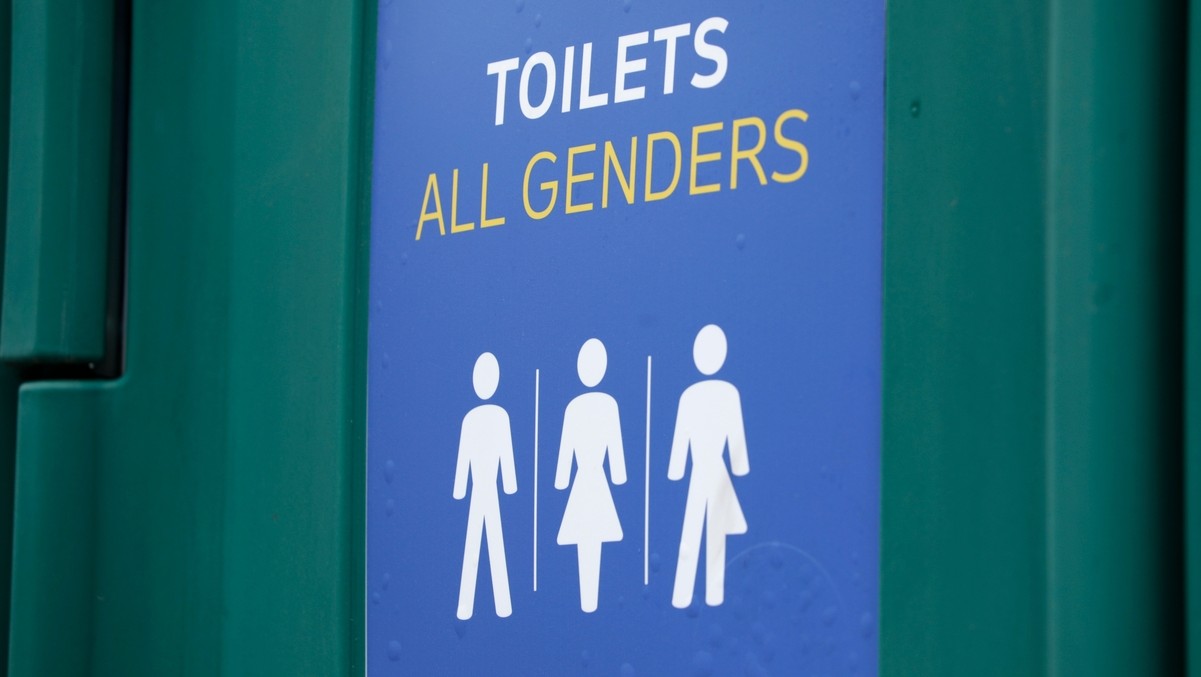
Imagine you step off your flight, walk into an airport terminal, and suddenly find yourself under a completely different set of rules for something as basic as using the bathroom. For hundreds of thousands of travellers, this is no longer a hypothetical scenario, but a practical consequence of the UK and Spain having very different legal approaches to toilet use.
The UK’s parliamentary review period for the updated Equality and Human Rights Commission (EHRC), Statutory Code of Practice for Services, Public Functions and Associations recently concluded but is not yet in force. Following the UK Supreme Court’s ruling that “sex” in the Equality Act 2010 refers to biological sex, the UK is moving towards stricter rules around single-sex spaces based on biological sex. Meanwhile, Spain remains committed to a legal framework centred on gender self-determination.
Rules in the UK
Once fully in force, the new UK Code provides guidance on how service providers can organise single-sex and separate-sex facilities based primarily on biological sex. Under this framework, providers may lawfully restrict trans people from accessing facilities designated for the opposite biological sex.
However, this is not a blanket ban. To restrict access lawfully, a venue must show its decision is a proportionate means of achieving a legitimate aim, such as protecting privacy, dignity or safety. Where it is practical and reasonable, the guidance also encourages providers to offer alternative facilities, such as individual gender-neutral cubicles.
The changes are expected to have a major practical impact. Government estimates suggest that around 12,900 toilets and more than 5,500 changing rooms across Britain could require changes to comply with the new guidance, with tens of millions of pounds likely to be spent on physical alterations, with additional wider costs for staff training, updated policies and administration.
Different rules for Spain
If you are in Spain, UK regulations have no legal standing, as the national framework is governed by Ley 4/2023, which is based on the principle of gender self-determination. Under Spanish law, people aged 16 and over can update their legal sex marker and name through the civil registry without medical or psychological reports.
In practice, this means trans people are generally entitled to use public facilities, including toilets and changing rooms, that correspond with their legally recognised gender. Denying access because a person is trans may amount to unlawful discrimination, and public or private organisations that breach the law can face administrative penalties under Título IV, with fines of up to €150,000 for the most serious infringements.
Which facility can you use?
If you identify as a woman but were born biologically male – In the UK, a provider may lawfully restrict your access to women’s facilities or suggest a gender-neutral alternative, provided it can justify the decision under the proportionality test. In Spain, you would generally be entitled to use the women’s facility if your legal gender is registered as female.
If you identify as a man but were born biologically female – In the UK, a provider may lawfully restrict your access to men’s facilities or suggest an alternative, subject to the same proportionality assessment. In Spain, you would generally be entitled to use the men’s facility if your legal gender is registered as male.
If someone attempts to deny you access – In the UK, the venue must justify its decision as a proportionate means of achieving a legitimate aim. In Spain, denying access because someone is trans may amount to unlawful discrimination and could result in administrative penalties, with fines reaching up to €150,000 in the most serious cases.
What do business owners need to know
If you run a business in Spain, you should not deny customers or employees access to the bathroom that corresponds with their legally recognised gender. Doing so without a lawful justification may amount to unlawful discrimination and can result in significant administrative penalties.
If your company has 50 or more employees, you are also required to have formal LGTBI equality measures and an anti-harassment protocol in place. While installing individual, unisex cubicles is a practical way to provide additional options, they should not be used to require or routinely separate trans people from communal facilities.
Questions and answers
I am a UK tourist visiting Spain. Does Spanish law still protect me?
Yes. Spain’s anti-discrimination protections apply to anyone on Spanish territory, regardless of whether they are a resident or visiting the country.
Do regional laws in places like Madrid or Andalucia conflict with this national bathroom rule?
No. Spain’s national law establishes the minimum legal protections across the country. Regional governments can introduce additional protections, but they cannot reduce the rights established under Ley 4/2023.
What if the correct toilet is occupied and no other facility is free?
In the UK, you are legally required to wait for your biological-sex or Universal toilet to clear, in Spain, you simply queue for the next available private, all-gender cabin without any biological gatekeeping.







Estepona wildfire near Selwo Aventura brings health and possible evacuation warnings
Fewer Spaniards are drinking, and it’s costing the Treasury millions
Copenhagen named world’s most liveable city again as 2026 rankings revealed

F1 Qualifying Results: 2026 Austrian Grand Prix times and grid positions
Mallorca solar eclipse 2026: Best viewing areas and what to know
Spain’s traffic warning for summer 2026: These are the weekends the DGT says you should avoid


-
 Uncategorized2 weeks ago
F1 Qualifying Results: 2026 Austrian Grand Prix times and grid positions
-
best places to view the solar eclipse in mallorca2 weeks ago
Mallorca solar eclipse 2026: Best viewing areas and what to know
-
DGT2 weeks ago
Spain’s traffic warning for summer 2026: These are the weekends the DGT says you should avoid
-

 %2 weeks ago
Spain’s Heat Reaches Highest Level In 76 Years
-

 %2 weeks ago
Terminal Patients In Poland Ask For The Right To Say Goodbye To Their Pets
-
Latest2 weeks ago
Spain’s Former PM Requests His Corruption Probe Be Nullified
-
Latest2 weeks ago
EU Worries Jet Fuel Supply Situation To Worsen
-

 Uncategorized2 weeks ago
Red Bull have