International health authorities are on alert over a possible case of plague that may not even exist. The death of a laboratory worker at a plague research facility in Russia’s Irkutsk region on October 2 sparked concerns, and the World Health Organization (WHO) on Wednesday offered technical assistance to the Russian government while requesting additional information needed to assess any potential risk.
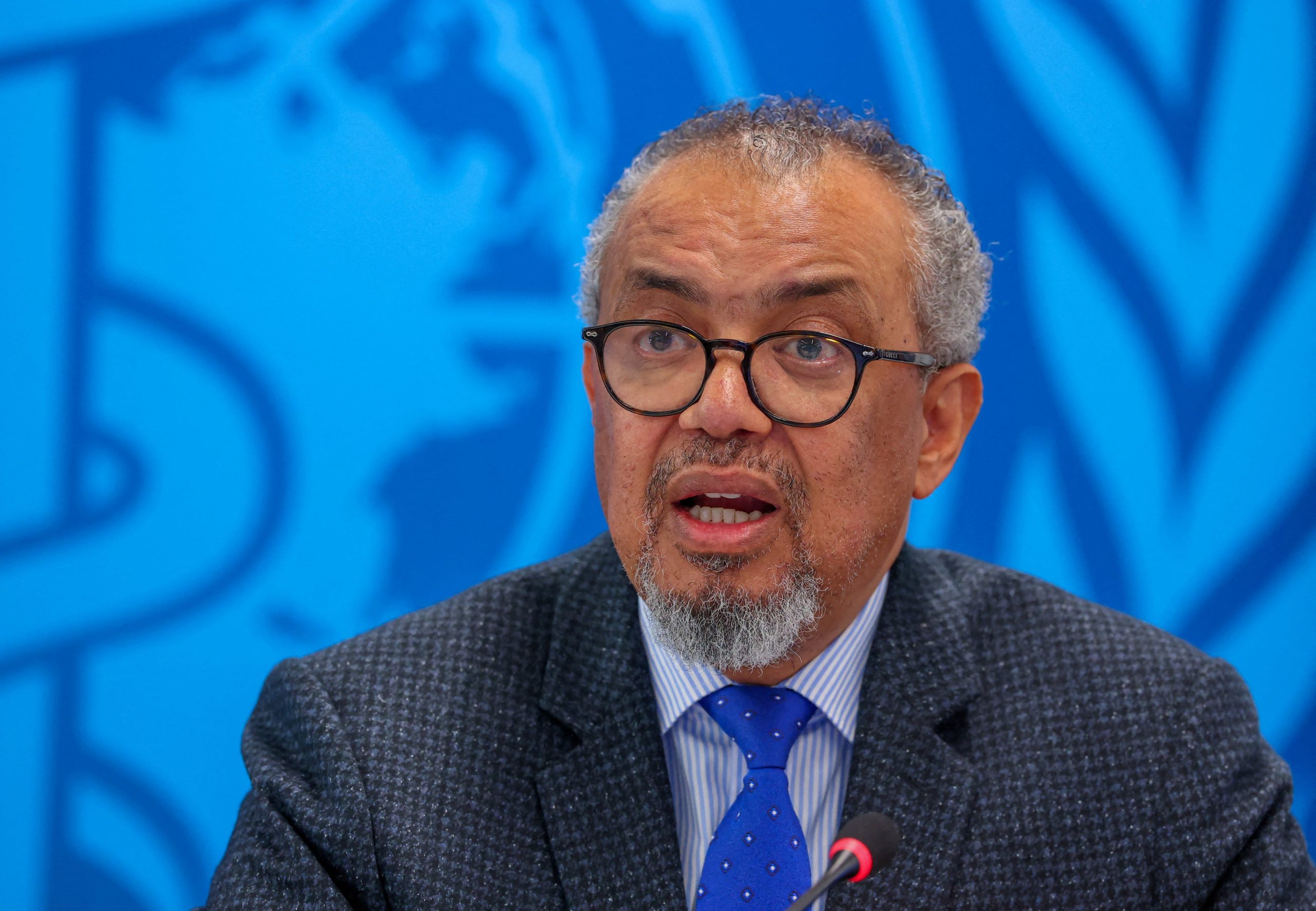
At this point, however, very little is known, and Russia has yet to answer many of the WHO’s questions. The organization’s director-general, Tedros Adhanom Ghebreyesus, said at a press conference that when the WHO sought information, Russian authorities responded that no recent plague cases had been reported in the Irkutsk region and that around 200 people who had been in contact with the deceased worker had been placed under quarantine.
“However, WHO has requested further information on the laboratory tests conducted on the individual who died and the contacts, more detail on what prompted the public health measures, and details about the health status of the contacts,” said Tedros. “We have also sought verification of media reports of a second employee with pneumonia of undetermined cause.”
Tedros added that WHO had offered technical support related to plague as well as laboratory biosafety and biosecurity. “As we don’t yet have the full picture of this event, we are not able to conduct a full risk assessment,” he said.
Russia has attributed the death to pneumonia of unknown origin, but the lack of transparency surrounding the case has fueled speculation that the infection may have originated in the laboratory. One possibility, raised by local outlet Liudi Baikala, is that the victim contracted pneumonic plague, one of the most severe forms of the disease. Although highly lethal, it can be treated with antibiotics if diagnosed early. Another concern is that the infection could involve a drug-resistant strain, which would render conventional treatments ineffective.
Maria Van Kerkhove, WHO’s director of epidemic and pandemic preparedness and prevention, has repeatedly stressed that the organization still does not have “the full picture” of what is happening in Siberia. “We don’t know exactly how this person died,” she said. “They haven’t found the causative agent, that we know, and so this is why we need more information.”
Among the unanswered questions are what tests were performed on the deceased researcher, which Russia says came back negative; how her symptoms progressed before she died of pneumonia; what kind of contacts she had; what quarantine measures those contacts are following; and whether any of them have developed signs of illness.
The WHO cannot send inspectors unless the affected country requests assistance, something Russia has not done so far. But Van Kerkhove also stressed the organization’s willingness to deploy experts in epidemiology, biotechnology and plague itself to help investigate the case.
This is not the first health scare in Russia this year in which a lack of transparency by the authorities has fueled public concern. During the spring and summer, officials carried out a series of mass cullings of pigs in several Russian regions, providing farmers with little explanation beyond the detection of a dangerous infectious disease. The measures were concentrated mainly in two Siberian regions, Novosibirsk in March and Tyumen in August. According to Russian media reports, the unofficial reason was the emergence of several outbreaks of African swine fever.
Several countries monitoring the case
Among the many theories circulating in local media about the suspected case of pneumonic plague is the possibility that the researcher had traveled to Thailand and returned infected. Thai authorities, however, have not confirmed that the deceased woman had visited the country.
In a statement, Thailand’s Department of Disease Control (DDC) said it was, like a number of other countries, verifying and monitoring reports about the case in coordination with the WHO.
Sources in Thailand’s Health and Foreign Affairs ministries told the Spanish news agency EFE on Wednesday that they still have no information indicating that the deceased researcher had traveled through the country, a destination visited each year by thousands of Russian tourists, and said they would provide updates if new information emerges. Following a preliminary assessment, Thailand concluded that “the risk of the disease reaching Thailand is low because the incident is confined to a local area in Russia, and there have been no reports of an outbreak in the community,” according to a statement issued this week by the DDC.
From Washington, U.S. Secretary of State Marco Rubio said Tuesday: “I think it’s incumbent upon Russia to obviously share more information with the world […] We’re watching it very closely, hour by hour.”
For his part, U.S. President Donald Trump told reporters at the White House on Tuesday that he would talk with Russian President Vladimir Putin “very soon” to discuss the situation, adding that he would provide an update on Thursday.
On Monday, the U.S. Embassy in Moscow issued an alert to U.S. citizens in Russia regarding the health situation in Irkutsk. “The U.S. Embassy is aware of press reports from the Irkutsk region of suspected pneumonic plague resulting in the death of an individual and of associated quarantine measures in, and closures of, hospitals in Irkutsk,” the advisory said.
The Chinese government also confirmed that it is in “close communication” with Russia regarding the case and “the prevention and control of infectious diseases, including plague,” Foreign Ministry spokesperson Guo Jiakun said in response to questions at a regular press briefing.
Meanwhile, authorities in Mongolia have ordered the implementation of “health surveillance measures” along the border with Russia. The Interior Ministry said that, “although the current risk is low,” it had instructed relevant government agencies to take the necessary precautionary measures to maintain monitoring and vigilance against potential threats.
“Border crossings in Selenge Province continue to operate normally, with health surveillance and monitoring measures being implemented at the border,” the ministry added, according to reports carried by Mongolian broadcaster Live TV and cited by Europa Press.
Sign up for our weekly newsletter to get more English-language news coverage from EL PAÍS USA Edition




















 Uncategorized2 weeks ago
 Housing access / crisis / affordability1 week ago
 Foreign demand2 weeks ago
 Uncategorized1 week ago
 Uncategorized2 weeks ago