
eurovision
2027 Eurovision dilemma for Spain after Ireland boycotts. Should the competition be scrapped altogether?

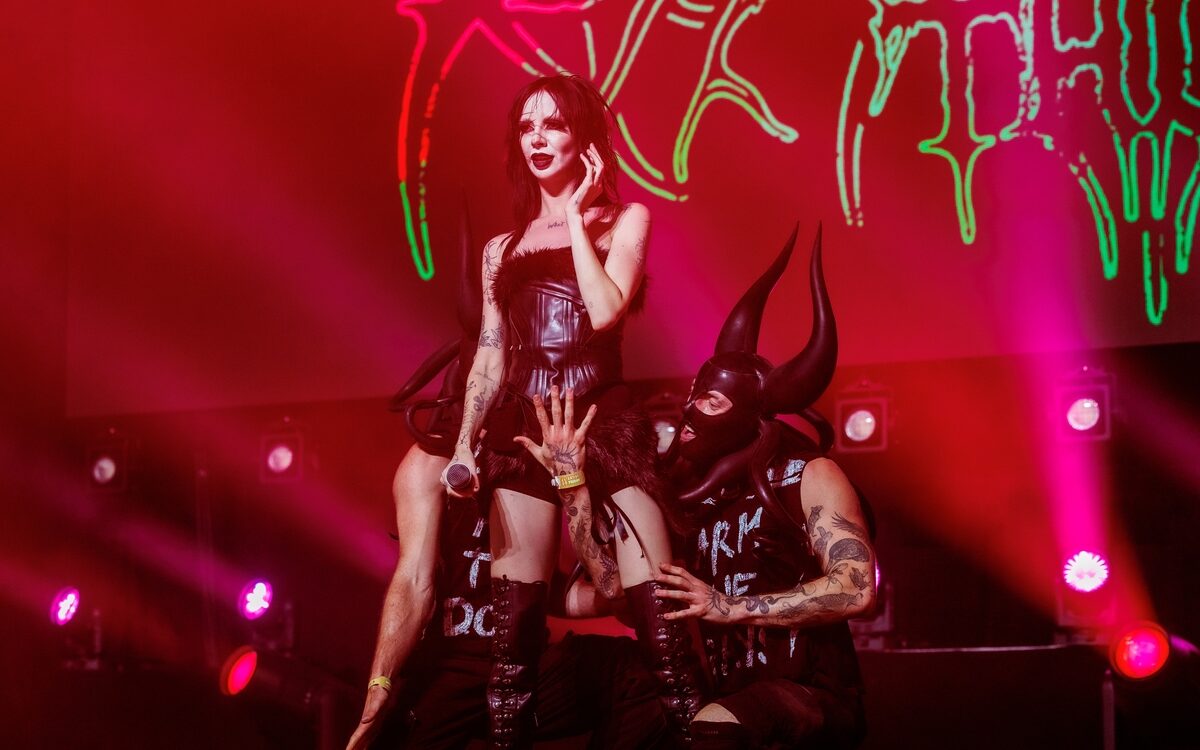
Will Spain face another Eurovision dilemma after Ireland confirmed it will miss the contest for a second consecutive year, raising wider questions about the future of the competition?
Should Eurovision even continue in its current form if more countries follow? And should the competition just be scrapped altogether?
Ireland’s public broadcaster RTÉ announced on Thursday, September 17, that it will neither participate in nor broadcast Eurovision 2027. It cited the continuing crisis in Gaza, as well as concerns over access for international journalists.
The decision follows the Netherlands, whose broadcaster AVROTROS has also withdrawn from next year’s contest. Both countries were among five that did not take part in Eurovision 2026, together with Spain, Iceland and Slovenia, raining on the parade of many who love the occasion, especially in locations and at events like Benidorm Fest.
Spain is now facing its own decision over whether to return.
RTVE’s board was expected to discuss participation this week but postponed the decision, with the Spanish broadcaster requesting more time from the European Broadcasting Union (EBU). They had decided to withdraw from Eurovision if Israel was allowed to compete, but now seem unsure.
That leaves Spain in an unusual position. RTVE decided in September 2025 that Spain would withdraw if Israel was allowed to compete. When the EBU subsequently confirmed Israel could take part in Eurovision 2026, Spain followed through and pulled out.
A second Spanish withdrawal would mean the country had missed two consecutive contests, while Ireland and the Netherlands would also be absent for a second year.
Spain is particularly important to Eurovision because it is one of the Big Five countries, together with the UK, France, Germany and Italy, which qualify automatically for the grand final.
The EBU has continued to defend the Eurovision format while respecting broadcasters’ decisions over participation. Ireland’s latest withdrawal, however, shows that the dispute over Israel’s involvement has not gone away.
Has the song contest become too political?
With Eurovision 2027 due to take place in Burgas, Bulgaria, next May, attention will now turn to Spain, Iceland and Slovenia to see whether they return. For an event which used to celebrate the harmonious coexistence of countries that were once at war, political differences seem to be tearing it apart once more.
For Eurovision, the question is becoming bigger than who will sing for which country: how many countries can pull out before the competition itself has to change?





Spain’s wildfire toll revealed as almost 300,000 hectares go up in flames
Spain plan for public supermarkets expands to community kitchens and food hubs

Lewis Hamilton releases statement after Ferrari F1 replacement claims

One Critically Injured And Nine Others Hurt After Carbon Monoxide Leak Aboard Ship Docked In Barcelona Port

Max Verstappen works with new race engineer at Italian Grand Prix

EXPLAINER: Inside The Row Over The Right-Wing Mayor Of Madrid’s €6m Penthouse – And Why It Could Offer A Lifeline To Pedro Sanchez


-
 Barcelona2 weeks ago
One Critically Injured And Nine Others Hurt After Carbon Monoxide Leak Aboard Ship Docked In Barcelona Port
-
 Uncategorized2 weeks ago
Max Verstappen works with new race engineer at Italian Grand Prix
-
 Chamberi2 weeks ago
EXPLAINER: Inside The Row Over The Right-Wing Mayor Of Madrid’s €6m Penthouse – And Why It Could Offer A Lifeline To Pedro Sanchez
-
bravery2 weeks ago
10-year-old jumps from burning French farmhouse, saves two dogs and teddy
-
Central European Time2 weeks ago
Spain’s 2026 plan to end clock changes has failed, and the next change is already locked in
-

 Uncategorized2 weeks ago
Max Verstappen hails
-

 New Developments2 weeks ago
Luxury Villas For Sale, Estepona – ProjectL1
-
Holiday rentals1 week ago
Ibiza council hits illegal tourist rental with €793,000 fine – but will the owner pay that much?