




Connect with us

Gibraltar

S

Published

on

s

We’re checking if you’re a real person and not an automated bad bot. Usually, the captcha below will complete itself. If it doesn’t, simply click the checkbox in the captcha to verify. Once verified, you’ll be taken to the page you wanted to visit.

Human verification is in progress ✨

If for some reason after verifying the captcha above, you are constantly being redirected to this exact same page to re-verify the captcha again, then please click on the button below to get in touch with the support team.

Contact Support

Please mention the “Ray ID: 9f8c207bd80c227b” and “Client IP: 195.250.23.30” to your ticket.

Andalucia

S

Published

on

s

We’re checking if you’re a real person and not an automated bad bot. Usually, the captcha below will complete itself. If it doesn’t, simply click the checkbox in the captcha to verify. Once verified, you’ll be taken to the page you wanted to visit.

Human verification is in progress ✨

If for some reason after verifying the captcha above, you are constantly being redirected to this exact same page to re-verify the captcha again, then please click on the button below to get in touch with the support team.

Contact Support

Please mention the “Ray ID: 9f8cd06a8b85d1fe” and “Client IP: 195.250.23.30” to your ticket.

Continue Reading

%

Sewage Scandal: Gibraltar Continues To Pour Raw Sewage Into Mediterranean

Published

on

sewage-scandal:-gibraltar-continues-to-pour-raw-sewage-into-mediterranean

Gibraltar has historically operated without a full sewage treatment facility. Photo credit: Sopotnicki/Shutterstock

Gibraltar has come under renewed scrutiny following reports that the territory continues to discharge untreated sewage directly into the Mediterranean Sea due to the absence of a wastewater treatment plant. The issue is longstanding. Gibraltar has historically operated without a full sewage treatment facility, meaning wastewater from homes and businesses is released into the sea through established outfalls, including one located at Europa Point. This system reflects infrastructure limitations that have persisted for decades rather than a temporary failure.

Concern has been raised by environmental organisations and nearby Spanish communities, particularly in the Campo de Gibraltar region, where the proximity of coastal waters has led to questions about potential environmental impact beyond the territory’s borders. The issue has periodically surfaced in local reporting, especially following visible debris incidents along nearby coastlines.

Legal rulings and regulatory background

The matter has previously been addressed at European level. In 2017, the European Court of Justice ruled that the United Kingdom had failed to comply with EU wastewater treatment requirements in relation to Gibraltar, citing the lack of adequate infrastructure. At the time, Gibraltar fell under EU environmental legislation through the UK’s membership. Following Brexit, enforcement mechanisms linked to EU law no longer apply in the same way, altering how compliance is assessed.

However, the ruling remains a reference point in ongoing discussions about environmental standards. The case formed part of broader EU efforts to ensure that urban wastewater is properly treated before discharge. Gibraltar’s situation stood out due to the complete absence of a treatment facility, rather than partial compliance or system failures.

Environmental and public health concerns

Current estimates indicate that the sewage being discharged is equivalent to the waste produced by around 40,000 people, taking into account residents, cross-border workers, tourism and commercial activity. This effectively represents the output of a small urban population entering coastal waters without treatment.

Environmental organisations have identified several risks linked to untreated sewage discharge. These include the introduction of pollutants and microorganisms into marine waters, as well as visible waste such as sanitary products appearing along parts of the coastline. There are also concerns about the effect on marine ecosystems. Untreated wastewater can influence oxygen levels and water quality, potentially affecting fish and other marine life.

While authorities have previously stated that natural dispersion reduces concentration levels in open water, critics argue that this does not remove environmental risk. Public health considerations have also been raised. Untreated sewage can contain bacteria and contaminants that may affect bathing conditions, particularly in areas close to discharge points. Monitoring of water quality continues in surrounding coastal zones, including parts of southern Spain, where authorities track compliance with bathing standards during peak seasons.

Infrastructure plans under development

Efforts to address the issue are now underway. In 2025, the Government of Gibraltar confirmed that a long-term contract had been awarded for the construction of the territory’s first wastewater treatment plant. The project forms part of a wider effort to modernise Gibraltar’s sewerage system, which currently operates using a saltwater-based network.

This type of system has been cited as one of the technical challenges involved in introducing conventional wastewater treatment processes. Officials have indicated that the new facility is intended to bring Gibraltar into line with contemporary environmental standards once it becomes operational. As of 2026, the project remains at an early stage, meaning untreated discharges continue while development progresses.

Regional implications and outlook

The situation has implications for neighbouring coastal areas, particularly along the Cádiz coastline in southern Spain. Communities in this region have periodically reported waste appearing on beaches, although the extent and frequency of such incidents vary. Spanish authorities and environmental groups continue to assess water quality in affected areas, with a focus on maintaining bathing standards and protecting marine environments. The proximity of Gibraltar to these areas has made the issue a recurring point of concern in cross-border discussions.

For Gibraltar, resolving the issue depends on the completion of its planned treatment infrastructure. Until then, the territory will continue to rely on its existing system of direct discharge into the sea. The development of a wastewater treatment plant represents a significant shift in approach. The timeline for completion will determine how quickly Gibraltar can move towards compliance with modern wastewater standards while addressing long-standing environmental concerns.

Continue Reading

Gibraltar

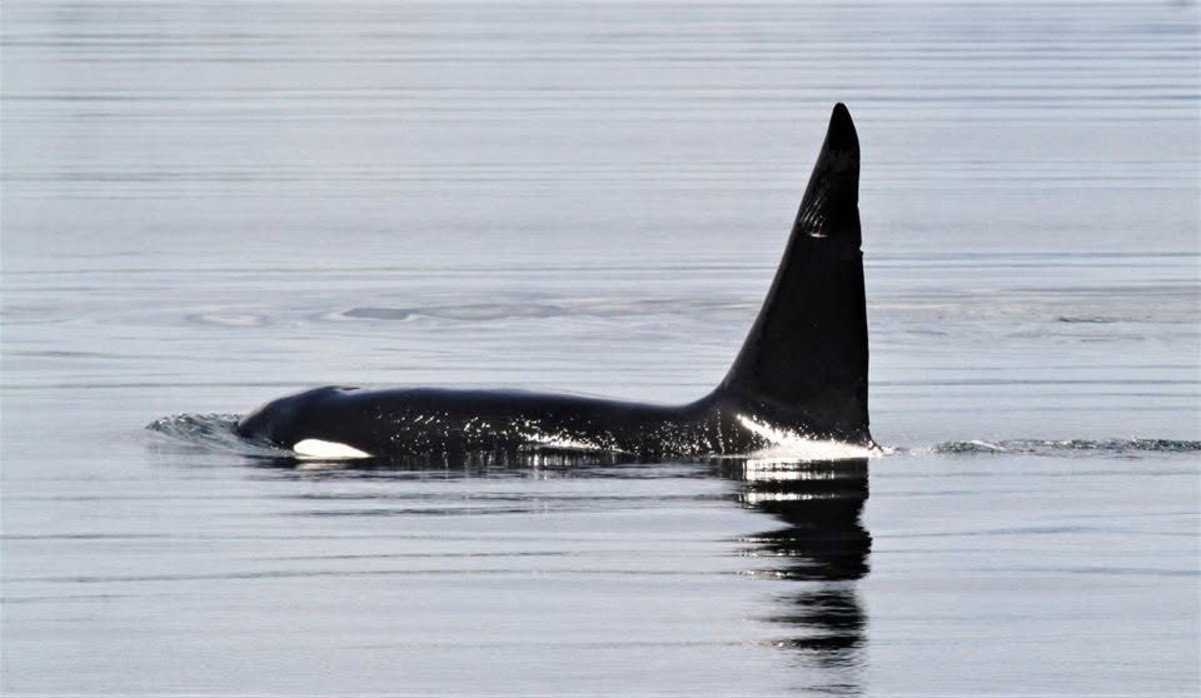
Killer whale boat attacks are back. Recent Spain rescue raises fresh safety concerns. 

Published

on

By

The juvenile orcas are being blamed for the damage
Credit: whaletales/Janine Harles

Four people were rescued off Cabo de Palos, in the Region of Murcia, after their sailboat sank following what authorities believe had been contact with Killer whales, raising fresh safety concerns for sailors in Spain. 

All crew members survived after abandoning the vessel and drifting in a life raft until a rescue helicopter reached them. Damage to the rudder and a resulting water leak forced the crew to leave the yacht, which they had been sailing travelling from Sicily to Ceuta. Investigators have not confirmed the exact cause, but the pattern of damage is familiar and consistent with previous orca–boat interactions. Eyebrows have been raised again due to the location of the incident, as most confirmed encounters have historically taken place in Atlantic waters near the Strait of Gibraltar rather than the Mediterranean.

Is it the younger whales attacking the boats?

Scientists have been tracking this unusual behaviour since 2020, with more than 500 recorded interactions involving Iberian orcas. Research points towards just a small number of individual whales being responsible, often approaching vessels and targeting specific parts of the boat rather than humans on board.

A few theories recently reported are suggesting younger orcas may be driving many of these encounters. Experts believe reduced prey availability in past years may have left juveniles without guidance, leading to curious and playful behaviour directed at boats with the primary focus being the rudders. 

Experts express the boat is the target and not the humans

Evidence consistently shows that orcas involved in these incidents focus on the vessel itself rather than the crew, as no confirmed fatal attacks by wild orcas on humans have ever been recorded. Injuries are also extremely rare, even in cases where boats have been disabled or sunk. Accounts and feedback from sailors often describe the contact with the rudder or hull, reinforcing the view that the behaviour is not predatory towards people

Should people in Spain be worried?

People can relax as risk to the general public remains extremely low. Beachgoers, swimmers and visitors to the coast are not affected by these interactions.

Concern is mainly relevant for sailors travelling through the known orca zones. Even in these areas, most encounters do not lead to injury, and rescue responses have been effective when vessels are damaged.

Current evidence shows a rare behavioural pattern involving a small number of animals and not a widespread threat or danger. Awareness and adherence to maritime guidance should be the guidence followed. 

Continue Reading
Advertisement
Advertisement

Spanish Real Estate Agents

Tags

Trending

Copyright © 2017 Spanish Property & News