Connect with us

%

Allergic To Dogs? These Genetically Modified Beagles Could Change Everything

Published

on

allergic-to-dogs?-these-genetically-modified-beagles-could-change-everything

Bailey and Alfie are not ordinary Beagles. Photo credit: Gelpi/Shutterstock

For people who love dogs but start sneezing, wheezing or itching whenever one comes near them, owning a pet can seem impossible. Now, two Beagles could offer a glimpse of a future in which a dog allergy no longer automatically means living without a canine companion. Bailey and Alfie are no ordinary Beagle pups, scientists have used gene-editing technology to remove the gene responsible for producing Can f 1, a protein that causes most allergic reactions to dogs.

The two female puppies were born in September 2024 after researchers edited dog cells in a laboratory and used them to create embryos. The embryos were then implanted into a surrogate Beagle. The result is two healthy dogs that do not appear to produce detectable Can f 1 in their saliva or fur. For people with serious dog allergies, that could eventually open up a possibility they have never had: living with a dog without suffering the usual reaction.

Two puppies at the centre of the experiment

The work was carried out by researchers at biotechnology company Kindred Companion Sciences, founded by geneticist Matt Walker. Walker has a personal reason for wanting to find a solution. He has a severe allergy to dogs, yet has been able to live with Bailey for around 18 months without experiencing his normal reaction.

Researchers tested samples from the genetically modified dogs alongside samples from other dogs. Walker reacted to samples from a poodle and a Goldendoodle during skin-prick testing, but did not react to samples from Bailey or Alfie. Laboratory testing also found no detectable Can f 1 protein in samples taken from the puppies. The research was published in The CRISPR Journal this month.

What makes these Beagles different?

Can f 1 is one of the main proteins responsible for dog allergies. It is produced in a dog’s skin and saliva and can spread through the animal’s fur, bedding and the surrounding environment. The researchers used CRISPR gene-editing technology to alter the DNA responsible for producing the protein. That does not mean Bailey and Alfie are completely incapable of causing an allergic reaction. 

Dogs produce several different allergens, so removing Can f 1 does not remove every substance that could trigger symptoms. The researchers also need to test the approach in more dogs and with a larger number of people who have different levels of allergy. For now, Bailey and Alfie are therefore better described as dogs without the major Can f 1 allergen, rather than dogs guaranteed to be safe for every allergy sufferer.

Could allergy-free dogs become available?

That is the possibility the researchers are now exploring, if further testing shows that the gene-editing technique is safe and consistently reduces allergic reactions, it could eventually be used to develop dogs specifically for people who cannot tolerate the allergens produced by conventional breeds. The potential market would not be limited to families looking for a pet.

The researchers have also discussed the possibility of genetically modified dogs being used as service animals. But there are still major questions to answer before such dogs could become commercially available. Scientists need to establish whether removing Can f 1 has any effects on the animals’ health and whether the genetic change remains stable throughout their lives and in future generations. There is also the question of whether creating dogs specifically for allergy sufferers is ethically acceptable.

Would you want one?

For someone whose allergy has prevented them from owning a dog, the idea could be life-changing. A child who has always wanted a puppy but cannot safely live with one could potentially have a different choice, adults who have given up on owning a dog because of severe allergies could also find themselves able to consider it.

But genetic modification also changes the way we think about choosing companion animals. Bioethicist Arthur Caplan of New York University’s Grossman School of Medicine has raised concerns that commercially produced allergy-free dogs could make people less likely to consider animals from shelters, where dogs would not have been genetically modified to remove allergens.

There is also a more fundamental question.

If science eventually makes it possible to design dogs around particular human needs, how far should we go? For allergy sufferers, the appeal is obvious. A dog could finally become a realistic part of their lives rather than an animal they have to admire from a distance.

Bailey and Alfie are still part of an early experiment, not the beginning of a new breed available in pet shops. But they have already demonstrated something that was previously impossible: dogs can be genetically edited so they no longer produce one of the main proteins responsible for human dog allergies.

And that leaves a question for anyone who has ever wanted a dog but could not have one: If you could buy a genetically modified dog that was designed not to trigger your allergy, would you?

%

More Than 400 Customers Hit By Travel Scam As Families Lose Up To €9,000

Published

on

more-than-400-customers-hit-by-travel-scam-as-families-lose-up-to-e9,000

Victims want to know whether their money can be recovered. Photo credit: neme_jimenez/shutterstock

Some Spanish families are currently living a nightmare after realising they have been scammed out of their holiday and are now facing the possibility of telling their children that their dream Disneyland trip is not happening after paying thousands of euros for holidays they say were never properly booked.

More than 400 customers have now joined together after claiming they were left without their trips and without the money they had paid to a travel agency in L’Escala, Girona. Some families say they handed over more than €9,000 for their holidays, others had been saving for months, even years or had bought trips as Christmas or Three Kings presents for their children, only to discover that the flights, hotels or attraction tickets they believed they had paid for were never made and were nonexistent.

Families arrive at departure date without bookings

Several customers say they only realised something was wrong when their travel dates approached, one of the most painful parts of the situation has been the effect on children who had been promised a special family holiday. For some parents, the Disneyland Paris trip was intended as a Christmas present. Their children were expecting to visit the theme park, stay away from home and enjoy a holiday that their parents had carefully planned and paid for.

Instead, families were left trying to establish whether their reservations actually existed. One customer contacted the airline directly to check her booking and was reportedly told that she was not the airline’s customer, the travel agency was. That left her with a simple question: if she had paid the agency for the trip, where were her tickets?

Some families paid more than €9,000

The amounts involved vary between customers, but some families say they paid several thousand euros for their holidays. One family had paid around €3,070 for a Disneyland Paris trip, others say they paid more than €9,000.

For most families paying these amounts, replacing a cancelled holiday at short notice may be impossible, particularly during school holidays when flights and hotels can cost considerably more. The money may also represent months of savings, parents who had organised trips around their children’s birthdays or Christmas presents are now having to deal with a situation they never expected when they made the booking.

More than 400 customers join forces

As complaints mounted, more than 400 people affected by the situation connected through social media. The groups have allowed customers to compare what happened with their own bookings and discuss how much they paid. Some say they received explanations or assurances before eventually discovering that their travel arrangements were not in place.

The customers are also trying to establish how many bookings were affected and how much money was handed over in total. The number of people involved means the dispute extends far beyond one family’s cancelled holiday.

Customers paid before receiving their travel documents

According to customers affected by the case, they were expected to pay the full cost of their holidays to the agency. Tickets and other travel documents were then supposed to arrive shortly before departure, with some customers expecting to receive them around a week before they were due to travel. That meant some people had already paid thousands of euros before discovering a problem.

By the time they began contacting airlines, hotels or other companies directly, their departure dates could be only days away. For a family travelling abroad, that leaves very little time to arrange a replacement holiday. One customer who contacted her airline directly was told that she was not its customer because the booking had been made by the travel agency. The discovery left her having to find out whether the reservation she believed she had paid for actually existed.

Disneyland dreams become a financial problem

Disneyland Paris is among the trips booked by affected families. For children, a Disneyland holiday can be one of the most anticipated presents they receive, for parents, it can involve a substantial financial commitment. One family had planned its trip as a Christmas present for the children.

Instead of preparing for the journey, the family was left trying to establish what had happened to the holiday and the money paid for it. For the affected customers, the immediate concern is no longer simply whether they will get to Disneyland or take their planned holiday. They want to know whether their money can be recovered.

Investigation into suspected fraud

The situation is being investigated as a suspected fraud, while affected customers are seeking answers and trying to recover the money they paid. The full financial value of the bookings has not yet been established. More than 400 people have now connected over the case, with individual losses ranging from thousands of euros to more than €9,000 for some families.

For parents who had promised their children a few days at Disneyland Paris, the disappointment is heartbreaking, for those who handed over thousands of euros that they had spent years saving, there is another concern that is harder to put aside: whether the holiday money they gave for will ever come back.

Continue Reading

%

Balearics Ban Energy Drink Sales To Under 18s

Published

on

balearics-ban-energy-drink-sales-to-under-18s

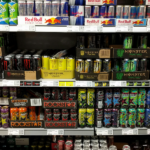
The Balearic Islands have approved new public health measures aimed at protecting young people by restricting the sale of energy drinks to under-18s and tightening controls on recreational use of nitrous oxide, commonly known as laughing gas.

The regional government says the measures are designed to address growing concerns about the impact of certain substances on children and teenagers. The new rules, approved on Friday August 7, form part of a wider effort to prevent risky consumption habits and improve protection for minors.

Energy drink sales to minors banned

Under the new regulations, shops and retailers in the Balearic Islands will no longer be allowed to sell energy drinks to people under the age of 18. The government has highlighted concerns over the high caffeine content found in many of these products and their increasing popularity among teenagers.

Health officials have warned that frequent consumption can be associated with problems including sleep disruption, anxiety, increased heart rate and raised blood pressure. Authorities have also raised concerns about young people mixing energy drinks with alcohol, which can affect perceptions of intoxication.

The measures distinguish energy drinks from sports or isotonic beverages, which serve different purposes and are not included in the same restrictions.

Crackdown on recreational nitrous oxide use

The new decree also introduces restrictions on the sale of nitrous oxide for recreational purposes. While the gas will continue to be permitted for legitimate medical, dental, food and industrial uses, authorities are targeting its use as an intoxicating substance.

Officials say the substance can appear harmless because of its short-term effects, but repeated or excessive use can lead to serious health consequences, including neurological problems linked to vitamin B12 deficiency.

Fines for breaking the new rules

Businesses that ignore the restrictions could face significant penalties, with fines ranging from thousands of euros to as much as €60,000 depending on the offence.

The government argues that stronger controls are needed because young people may underestimate the risks associated with both energy drinks and recreational nitrous oxide use.

Health protection placed at the centre of policy

The Balearic Islands’ decision reflects a growing debate across Spain and Europe about how authorities should respond to products that are widely available but may pose risks to younger consumers.

Officials say the priority is prevention, with the aim of reducing exposure among teenagers and encouraging healthier choices. The measures will now move through the required legislative process as part of the region’s public health strategy.

Continue Reading

%

Why Mijas Road Markings Wear Out So Quickly

Published

on

why-mijas-road-markings-wear-out-so-quickly

Drivers and walkers across Mijas Pueblo and Mijas Costa keep noticing the same thing: white lines, zebra crossings and parking bay markings fade, flake or vanish far sooner than expected. Fresh paint appears, only for tyres, weather and cleaning crews to take their toll again within months. It’s a frequent complaint among local residents. Local operational services are now rolling out a fresh round of on-street signage upgrades to keep traffic and pedestrians safer.

Work has already transformed the parking layout at El Bombo beach on Avenida de El Descubrimiento. New markings are also reorganising existing spaces, freeing up extra bays and the smooth the flow of cars heading to the sand. Similar jobs have refreshed pedestrian crossings in La Ponderosa and Polarsol, while Calahonda has gained clearer motorcycle parking, vehicle entrances and spaces reserved for people with reduced mobility. Crews will next turn their attention to areas around schools ahead of the new term, then move into important spots in Mijas Pueblo near Plaza Virgen de la Peña. A specialist contractor will soon join the in-house teams so the programme can cover more ground.

Steep slopes put constant stress on the paint

Mijas Pueblo, clinging to a steep mountainside, means that cars accelerate hard uphill and brake sharply on the way down. Those repeated horizontal forces scrape paint off the surface much faster than on flat coastal roads. Narrow lanes full of tourist buses, delivery vans and everyday traffic only speed up the grinding process.

Smooth stones and tiles refuse to hold the coating

Many streets still use polished stone, traditional cobbles or tiles instead of open-textured asphalt. Paint sits on top rather than keying into the surface. Once tyres roll over it day after day the film lifts, cracks and peels away. Rough asphalt grips better; the older materials in the pueblo simply do not.

High-pressure cleaning keeps the village white but strips the lines

Mijas takes pride in its pueblo blanco look. Regular street washing with powerful jets, degreasers and industrial cleaners is part of that effort. The same pressure that shifts dirt also blasts road paint off the ground. Clean streets come at a cost to the markings.

Southern sun and heat finish the job

Intense ultraviolet light and high summer temperatures break down the polymer binders in both standard and thermoplastic paints. The coating turns brittle, loses colour and starts to crack. Research into pavement markings shows UV exposure and heat accelerate yellowing and loss of visibility, especially on lighter-coloured lines that need to stay bright for safety.

Traffic density across the municipality adds the final pressure. Narrow lanes see a constant mix of private cars, heavy vehicles and foot traffic that grinds the surface further.

Ongoing work and bigger plans for safer streets

The current programme forms part of routine maintenance carried out with local resources and coordinated with traffic and public-way teams. A new contract for specialised signage work is due shortly, allowing faster coverage of more neighbourhoods and urbanisations. Similar safety improvements have featured in earlier municipal efforts, including earlier road-safety packages and larger infrastructure packages that tackle parking shortages and street repairs across Mijas.

Drivers can expect clearer lines around school zones first, then improved visibility in the historic centre. Pedestrians will benefit from better-marked crossings and reserved bays. While the combination of slopes, surface materials, cleaning routines, strong sun and modern paint rules means the markings will never last forever, regular repainting remains the practical answer. Residents and visitors alike should find the roads easier to navigate as the teams continue their rounds through the rest of the summer and into the school year.

Continue Reading
Advertisement
Advertisement

Spanish Real Estate Agents

Tags

Trending

Copyright © 2017 Spanish Property & News