
ElPais
Europe’s Major Rivers Are Drying Up, Threatening Energy Security And Trade


This past summer has been, for Europe, “the summer of truth,” as Ursula von der Leyen said a couple of weeks ago in her State of the Union debate speech. The president of the European Commission was warning about the consequences of global warming, which has again struck the continent hard. And the Copernicus Climate Change Service quantifies this sweltering summer in its seasonal assessment, published on October 2. The season in Europe was marked by heatwaves that were unusually intense and early (the first arrived in May). Across the continent this was the third-warmest summer on record. But focusing on western Europe, the summer of 2026 was the worst on record. It surpassed 2003, which shocked many EU countries with tens of thousands of deaths linked to extreme heat.
Pending a detailed accounting of heat-related deaths in Europe, Copernicus experts highlight the situation in the continent’s major rivers, which had serious consequences for power supplies and trade. “Prolonged and severe drought conditions across Europe set the stage for the summer with the lowest river flows on the continent since records began at the European Flood Awareness System in 1992,” they note. They also point out that many of Europe’s main rivers — including the Rhine, Danube, Po, Loire, Rhône and Seine — recorded simultaneous record low flow levels during July and August.
The Copernicus report focuses on 12 of the continent’s major rivers. Many of them play a key role in, for example, freight transport or cooling nuclear plants, such as the Danube or the Rhine. Experts analyzed mean discharge at the rivers’ mouths for June, July and August since 1992 and conclude that this summer’s levels were the lowest on record.
“Since the mid-2010s we have seen summer river flows well below average across Europe, especially in eastern Europe,” said Samantha Burgess of the European Centre for Medium-Range Weather Forecasts, which oversees Copernicus. “And we also know,” she added, “that southeastern Europe is warming faster than the European average.” Burgess thus points to climate change as a key driver of this trend, although she cautions that their dataset starts in 1992, making it harder to firmly establish the relationship. “It is a short-term dataset for truly analyzing long-term trends,” she admits.
Regarding the direct influence of climate change, Burgess said Copernicus has not yet carried out an attribution study for the summer of 2026. For that reason they cannot “directly quantify the role of climate change.” But it is well established that the high temperatures associated with this crisis increase “evaporation and soil moisture loss,” which exacerbates droughts. In addition, climate projections have for years pointed to “a reduction in river flows in summer across many parts of Europe,” as is already happening.
Beyond impacts on biodiversity, the drop in river flows caused “major disruptions” in many industrial sectors, including “cargo transport, which affected supply chains,” Copernicus noted, and it also listed the “cooling” problems experienced by several nuclear reactors, the fall in hydropower generation and restrictions on drinking water in multiple cities. “This highlights the close link between climate change and geopolitical challenges such as energy security,” the European service added.
Freight transport
The drop in flow of major rivers had significant impacts in western European Union states, where inland waterway freight traffic is intense. In August, for example, vessels departing Rotterdam (the Netherlands) or Antwerp (Belgium) could navigate the Rhine with only 15% of their normal loads to avoid running aground. “Similarly, on the Danube, barge-carrying capacity was reduced to around 30% of its usual level,” notes another recent report by the International Transport Forum (ITF) at the OECD. “As a result, inland waterway freight rates have risen,” the analysis center explains, “at times doubling transport prices.”
In 2018, during a similar Rhine low-flow episode, GDP in Germany dropped by up to 0.4%, according to a scientific study on the impacts of that drought. “Similar economic effects could be expected with the current low water levels,” the ITF adds.
The organization’s experts warn that “as droughts become more frequent and severe in many parts of the world, navigation on rivers that carry vital goods becomes increasingly difficult.” Among the consequences of lower water levels are “supply chain disruptions” and higher “logistics costs.” Spain, although it also suffers recurring drought problems, is less exposed in this case because inland waterway freight transport is practically nonexistent. But in countries such as Belgium, the Netherlands, and Romania, inland waterways account for between 15% and 45% of total freight traffic, the ITF summarizes.
Nuclear power
Another collateral impact of low river levels in Europe has been on energy, specifically nuclear plants that rely on river water for cooling. In some cases, such as in France, plants were affected this summer by water temperatures that were too high to be used at certain facilities, which had to shut down under national environmental regulations.
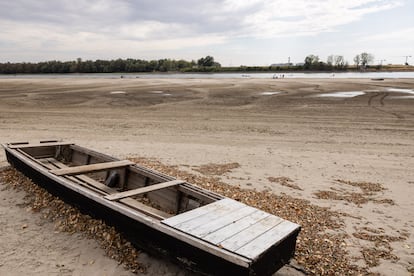
In other cases, the problem was falling water levels. Hungary’s Paks nuclear plant, on the banks of the Danube and which produces over 40% of the country’s electricity, had to scale back operations because the river could not provide enough cooling water. Hydropower production in the Alps was similarly affected: Austria generated only 51% of its usual output and Switzerland 26%.
“These are not isolated incidents but early warning signs of a systemic challenge to how billions of people access energy,” said another study by the Organization for Security and Co-operation in Europe (OSCE). “Industrial activity slowed as power supplies became less stable, and wholesale prices surged amid rising demand,” the study on this summer’s impacts notes. “It was necessary to activate emergency protocols across energy infrastructure, revealing pressure on national security,” it warns as a caution about what could happen in coming years.
Sign up for our weekly newsletter to get more English-language news coverage from EL PAÍS USA Edition





17 fotos
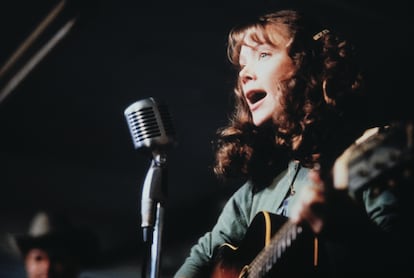
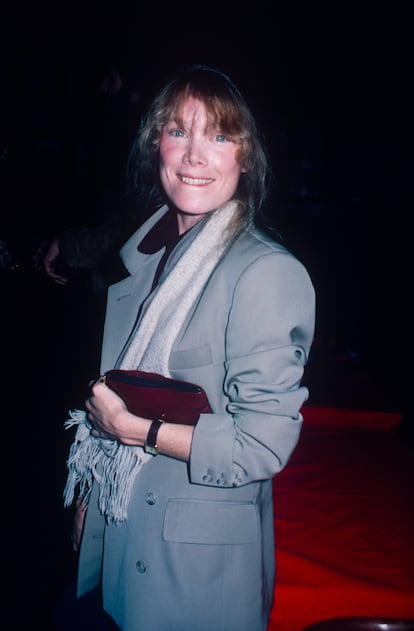
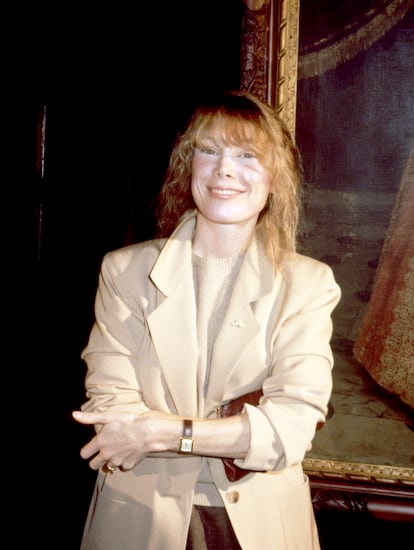
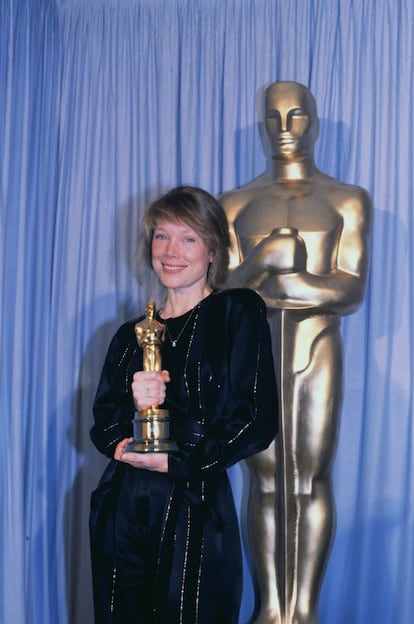
The new series based on the Stephen King book brings back the character that defined the 76-year-old actress’s career. Yet beyond the troubled teen is a life marked by Oscar success, an enduring marriage and dreams of a music career


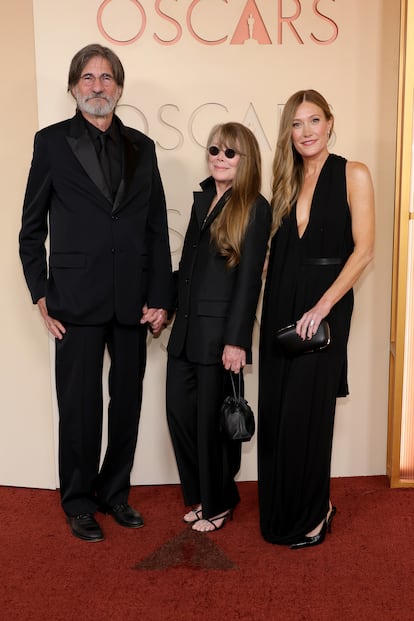
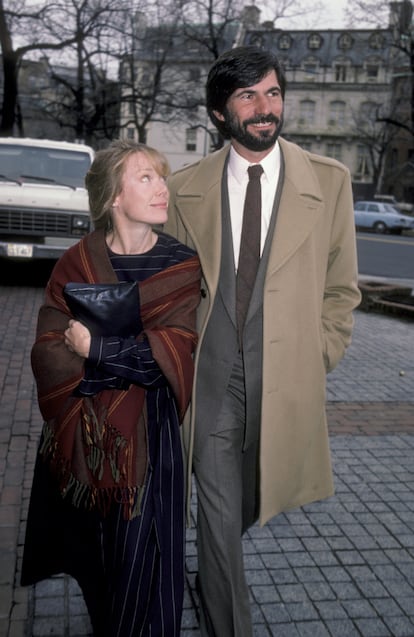
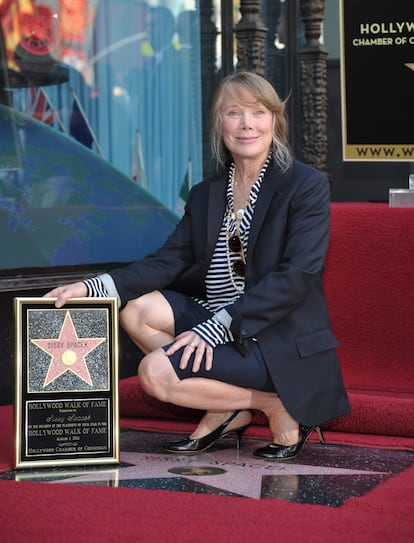
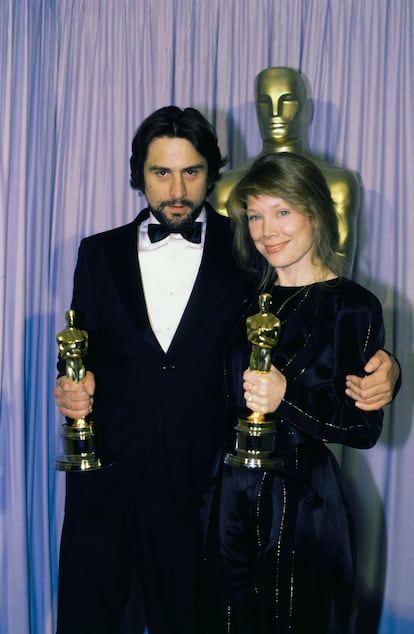


Barcelona
Joel Abadal, Brad Pitt’s Stunt Double: ‘I’m Very Professional, But I Was Freaking Out. Mr Pitt Right In Front Of Me!’

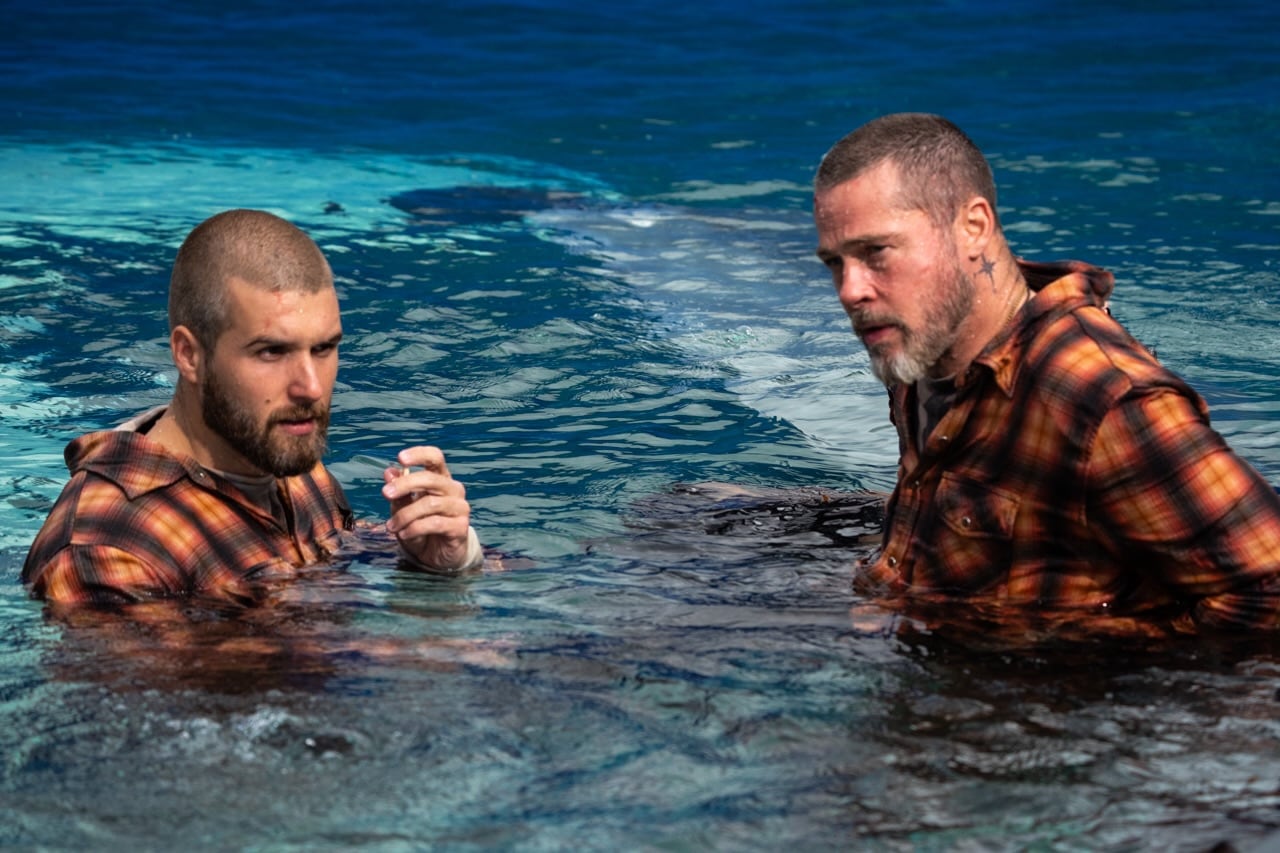
Brad Pitt’s recent visit to Spain revealed his affinity for the local culture. The actor greeted crowds outside the Hotel María Cristina in San Sebastián; he viewed the abstract works sculpted by Eduardo Chillida; he denied knowing or having had an affair with Makoke Giaever, a Spanish TV personality; and he made a surprise appearance at a christening in Madrid’s Santa Bárbara Church to meet the family of his girlfriend, Inés de Ramón.
But there was one detail that went unnoticed during the presentation of his new film, Heart of the Beast, at the San Sebastián Film Festival, one that also shows his connection to Spain. In the middle of the press conference, and without any journalist prompting him, Pitt leaned into the microphone. After a discussion about the arduous shoot that seemed to be winding down, he added: “By the way, I want to give a shout-out to my stuntman. He’s one of your fellow countrymen: Joel Abadal. He was just amazing… he’s an amazing talent. He did the tough stuff for me.”
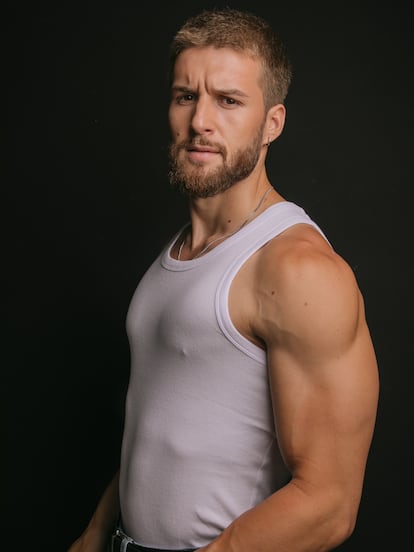
Who is Joel Abadal? At 30 years old – having dedicated himself to a career in the performing arts since he was a teenager – the native of Castelldefels, in the Catalan region, is still in shock after hearing Brad Pitt praise his work behind the scenes from when they worked on Heart of the Beast, which premiered on September 25. “It’s not often that a Hollywood star as famous as Brad Pitt – a total icon – mentions his stunt performer by name. For me, it was really special; I’m impressed, because he didn’t have to do it,” Joel Abadal tells EL PAÍS. He appreciates Pitt’s words not only as a personal endorsement, but also as a tribute to a profession that’s often overlooked. “It’s a recognition of the entire industry, of all my colleagues who risk their physical well-being every day for the sake of film.”
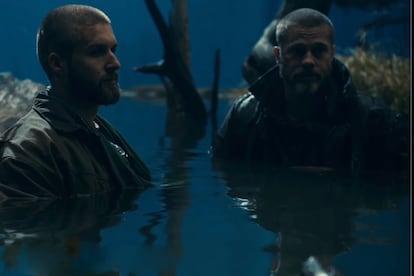
It just so happens that Brad Pitt won his first Oscar playing a stunt double in Once Upon a Time in Hollywood (2019), a role he will soon reprise in The Further Mis-Adventures of Cliff Booth (2026), in theaters come November 25.
Beneath the sun-drenched veneer of a Californian epic, Tarantino’s 2019 love letter to cinephiles was, at its core, an ode to the male friendship between a fading actor and his stunt double. Did any of that fraternal melancholy seep into Pitt’s recent tribute to his Barcelona doppelganger?
“Absolutely,” Abadal affirms. “Aside from the fact that Brad Pitt has made so many films and knows what it means to have a stunt double, the fact that he has actually played a stuntman influenced his treatment of me. I sensed that he had absolute trust in the stunt department. Whatever we said was gospel. [The production team] asked me for a lot of advice on how to perform certain stunts, and he basically only listened to me.”
The work of stunt performers like Joel is far more sophisticated than the image we often have of actors (with a slight physical resemblance to the stars) doing stunts. Filming for Heart of the Beast lasted two and a half months, but before Abadal and Pitt shared any time in front of the camera, the stunt team had previously dedicated six weeks to preparing the action sequences. They designed the exquisite choreography of the violent moments, so that, firstly, they would look good on camera… and secondly, so that nobody would get killed or injured while doing them. “During that preparation, we went to all the locations, did all the necessary tests and designed the fight scenes,” Joel explains.
In David Ayer’s film, there’s a particularly delicate scene between Pitt’s character and some wolves. Long before officially starting filming, the film’s second unit crew had already shot that same scene with Joel in the lead role (following the guidelines set by the script and by Ayer) to later present it as a proposal. “We show this to the director and producers to see if it aligns with their vision. Then, once that’s done, we show it to Brad Pitt, so he can give his opinion on whether he likes it or not,” Joel explains.
“Just 10 seconds of action in a film represent weeks of work for us stunt performers. The goal is that, when Brad Pitt arrives on set, he already knows what he’s going to do.”
The person in charge of presenting the proposal to the director and actors is the stunt coordinator. For Heart of the Beast, it was Alan Poppleton. “And, once we’re set,” Joel details, “I’m the one who physically shows Brad Pitt what we’re going to do. I replicate what I’ve already done in rehearsal and what he’s already seen in the footage. I’m working closely with him, explaining the best way to perform the action [scenes].”
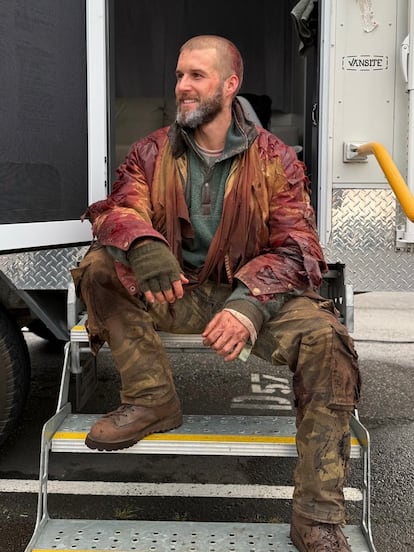
That intimacy – amidst the harsh weather conditions of New Zealand, where the film was shot – forged a bond between Joel and Brad (whom Joel insists on referring to as “Mr. Pitt”.) There was also a serendipitous twist that made this job special for Joel: Brad Pitt was his childhood idol. “When I saw Troy (2004), I grew my hair out and dedicated myself to sword fighting. When I saw Fight Club (1999), I shaved my head and had the same goatee. For me, he was the ultimate male role model.”
Joel had just finished working with stunt coordinator Alan Poppleton on the series Spartacus: House of Ashur, where – in addition to being a stunt double – he had a supporting role. That’s when his boss told him he had a project in the works for the immediate future. At that initial stage, however, Poppleton didn’t mention that it was to be Brad Pitt’s stunt double. “Since he’s a very private person, he doesn’t reveal anything until things are 100% confirmed. So, I went to Thailand with my partner to wait for more news. While waiting for the call, I stayed in shape by training in Muay Thai for two months. Alan would ask me for information – like my measurements – or to send him different photos, but he didn’t reveal anything. And, when he called to tell me that the job was to be Brad Pitt’s stunt double, I couldn’t believe it. The possibility of doubling for Brad Pitt never crossed my mind. I’m still speechless.”
On the first day of filming, he tried to act normal. “I’m super professional and I know my place at all times… but inside, I was freaking out. Mr. Pitt was right in front of me! He has a very special aura, an impressive energy: you can really feel [his presence].”
Little by little, the relationship between them began to grow. And the stuntman was able to break the ice. “At first, I really respected his space, because his character is constantly going through a rollercoaster of emotions during the film. I didn’t want to disrupt his process. He only comes up to you when he needs something; I never tried to socialize with him. But, as we spent more time together and filmed scenes in the water, we talked about movies, about life… we [eventually] developed that intimacy. He’s a very proper person; he’s very professional and humble. He listens and likes to chat.”
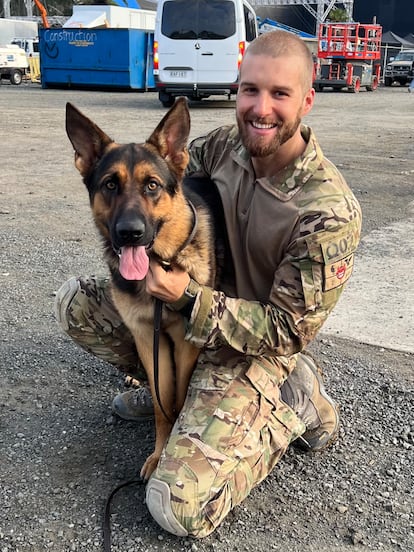
Actors like Jonah Hill have described Brad Pitt as a master of practical jokes. Joel confirms that he himself was the target of that same sense of humor. “Mr. Pitt always joked that I make difficult things look easy, like riding a horse, doing a handstand or a backflip – but he also said I make the easy things look difficult. Several times during filming, I tripped over something while walking… and he found that hilarious. He’d laugh and say, ‘You can do everything perfectly, but you can’t walk! I beat you at that.’”
Despite his youth, Joel is a veteran of show business. “When I was little, my mother took me to the circus. And I wanted to be part of that world. I enrolled in a circus school at the Ateneo Popular de Nou Barris, [a cultural center] in Barcelona. I soon realized that I needed more acrobatic skills to reach the level I aspired to, so I signed up for artistic gymnastics.” Joel began performing in musical theater and honed his athletic skills through martial arts, specifically Muay Thai and taekwondo.
At age 13, his first opportunity arrived. His acrobatic abilities at the Ateneo Popular de Nou Barris caught the attention of Luis Riviera, founder of In Extremis, a company specializing in stunt coordination. He got his first role in Spanish horror director Paco Plaza’s film, Rec 3: Genesis (2012).
Joel went on to attend the École Nationale de Cirque – the National Circus School, in Montreal, Canada – and trained to be a horse master (a stunt performer specializing in scenes with horses). He participated in several musicals such as Flashdance, and his acting career began to take off, alongside his stunt work.
He has spent 10 years racking up small roles in series and films. And he longs for more. “My dream is to be the Spanish Tom Cruise. I want to become a dramatic actor specializing in action films and do my own stunts.”
“I would be willing to leave the world of stunts to be an actor,” he notes, “but the problem is that I keep getting calls to work as a stuntman.”
One of his last projects was the third installment of Avatar. And while Joel may be used to risking his life with flips where an inch too far to the left or right could result in a spinal cord injury, he never felt as much tension as while filming under James Cameron’s direction. “The surgical precision required to work with Cameron is impressive, because he demands absolute perfection. You have to be able to work under that kind of pressure.”
His immediate projects include the highly anticipated adaptation of a video game – The Legend of Zelda, scheduled for 2027– and a series of four biographical films based on the Beatles, which the English filmmaker Sam Mendes is shooting simultaneously.
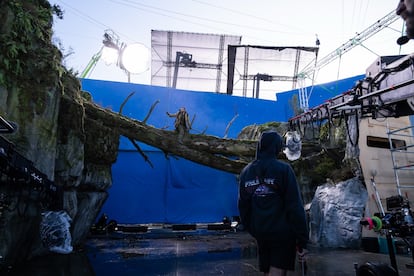
Given his close relationship with Brad Pitt, the question has to be asked: did the star give him any advice? “No,” Joel replies. “I wanted to respect [his space] and I never tried to get anything out of him. It’s true that, at the end of filming, we had a very intimate moment in which I thanked him for his work. We hugged and we had a great connection… but at no point did I ask him for advice.”
Perhaps they’ll cross paths again in the future. Who knows? For now, they’ll go their separate ways, with Joel Abadal trying to become an action hero in his own right, in the Spanish cinema of tomorrow.
Sign up for our weekly newsletter to get more English-language news coverage from EL PAÍS USA Edition

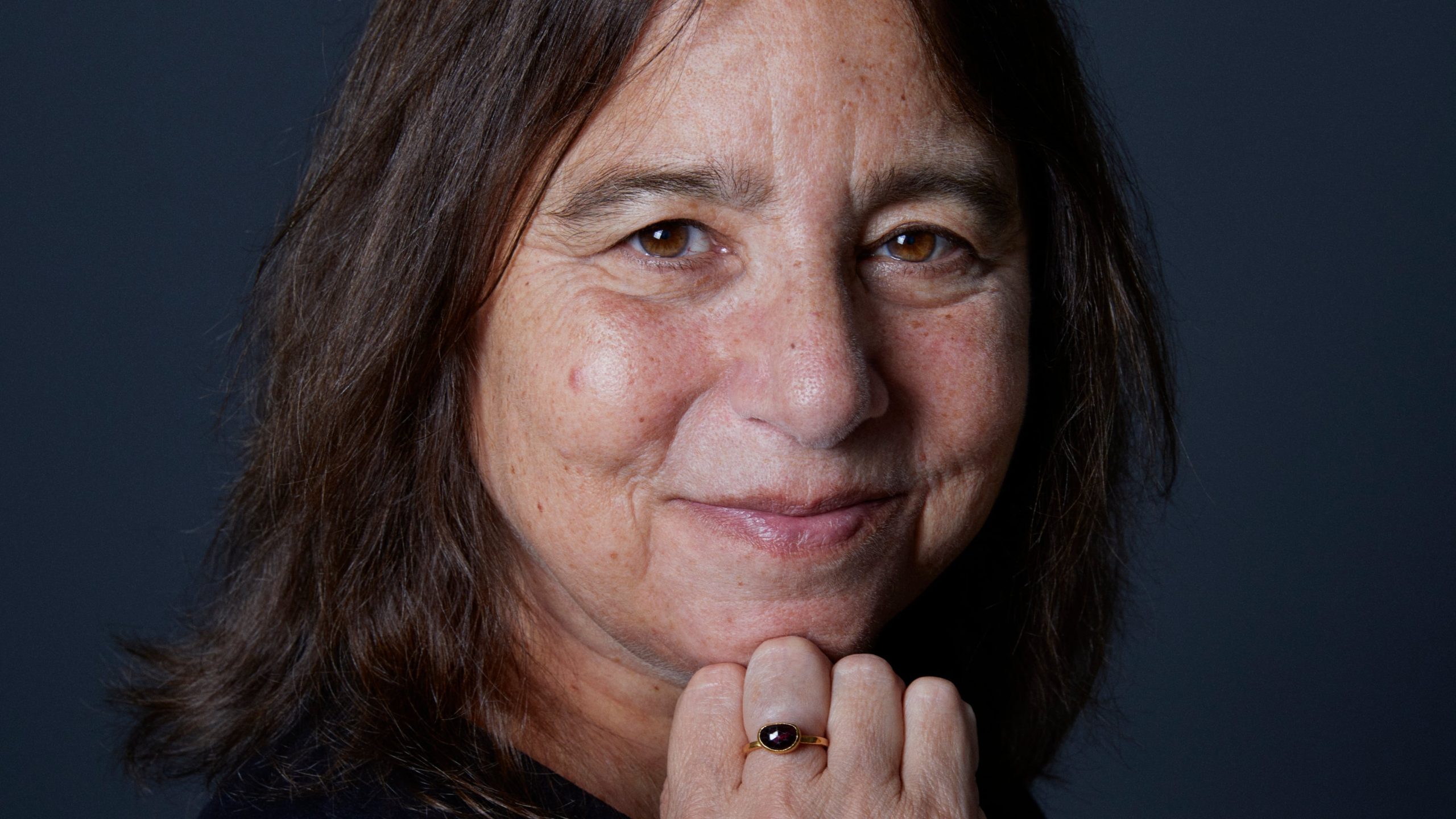
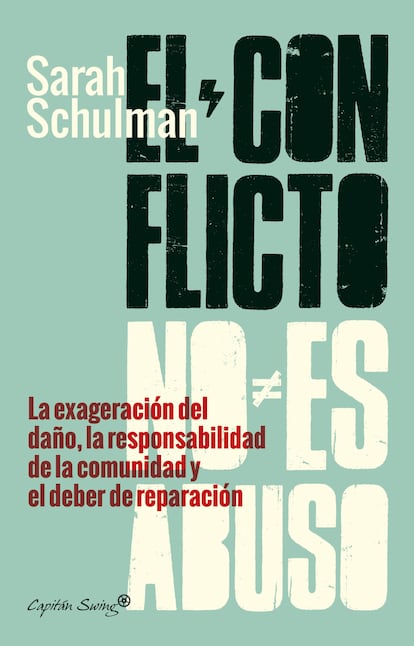
Victimhood, its exploitation and its political use to justify cruelty have been among the topics most extensively researched by Sarah Schulman. A decade has passed since the writer, LGBTQ+ activist and AIDS historian published Conflict Is Not Abuse: Overstating Harm, Community Responsibility, and the Duty of Repair, which is now being released in Spanish. “Sadly, it turns out the book was prophetic,” the 68-year-old author explains to EL PAÍS via video conference. “It came out before Trump was elected, and he’s proven all the arguments presented to be true. All of his rhetoric revolves around him being a victim. We see the same thing with Netanyahu. This idea of the perpetrator presenting themselves as the victim is now the global norm, unfortunately.”
Question. This line of reasoning can be applied to the far-right party Vox in Spain, or Milei in Argentina, or Le Pen in France. It’s the playbook of the so-called “reactionary international.” What’s behind this?
Answer. In the U.S., we have this rhetoric about how white men are so oppressed by everything. And how, if any woman or person of color has any job, they only have it because of DEI. The reality is that this dominant group feels repressed simply because they’re asked to be self-critical. This phenomenon already existed, but it has become more extreme.
Q. Why?
A. Because of the inability to recognize mistakes. People raised to dominate are told – and taught – that they should never feel uncomfortable. If you ask them to question themselves or reflect on how they relate to others, it’s as if you’re attacking them, mistreating them. On the other hand, there are also traumatized people… so much so that they have difficulty staying afloat and feel like they’re being attacked in every situation.
Both privileged and traumatized people feel deeply threatened by difference – by the expression and visibility of that difference. And the only way to go through life without ever feeling uncomfortable is for everyone around you to be repressed. Feeling uncomfortable is a sign of a healthy society; it’s something I think we should all want to experience.
Q. In the book, you highlight a complex nuance: that feeling like a victim doesn’t necessarily mean being right.
A. Unfortunately, now, in order to be eligible for compassion, you have to be a pure, flawless victim. And, if you say, “you know, maybe I participated in the problem, maybe I contributed,” everyone goes, “well then, you deserve whatever you get.” Acknowledging being part of a problem doesn’t diminish the value of having been a victim.
We’ve confused punishing others with repairing the harm done to us. We only feel relief from our suffering if someone is punished for it. But what would happen if we separated the two? What if we were listened to when we needed help? Punishment doesn’t work: it only creates more pain.
Q. Yet society has become more punitive, more punishing.
A. Every day, there’s more and more punishment. I live in a country where about 2,000 people each day are detained [by ICE] without having committed any crime… and they’re being deported to countries that they didn’t even come from. Right now, the level of cruelty in the United States is unbelievable. We have a government that doesn’t listen to the law. The country’s ruling class relies on blame and punishment… especially against immigrants. In the U.S., immigrants are the hardest-working people, but [the government] says that they’re stealing the nation’s wealth. It’s absurd. Right now, everything is topsy-turvy.
Q. In addition to anti-immigrant sentiment, there are also attacks on the LGBTQ+ community.
A. Especially against trans people. The government is repressing trans people and making an example out of them. They’ve always operated this way: they choose a very small minority that lacks power – a group that the majority of the population is unfamiliar with – and make them the object of all fears. It’s a historical pattern.
With gay people, it’s different. There’s a group of openly gay and lesbian men and women who are fascists: [the techno-oligarch] Peter Thiel; Bari Weiss, who runs CBS News and is also a Zionist; Alice Weidel, leader of the German far-right [AFD]… we can also talk about Caitlin Jenner, a trans woman and Trump supporter.
There have always been LGBTQ+ people in the elite who feel immune to everything. The only thing that matters to them is their money and their racial supremacy. This shows that identity may carry weight in our convictions, but what’s really important are the values you live by.
Q. One of the chapters in your book focuses on the 2014 Gaza War. Reading it is like watching the news… only now, it’s much more brutal.
A. Millions of people have taken to the streets for Palestine around the world. But many governments – like the American one – continue to send money to Israel. As an American Jew, I feel it’s my job to stop my government from continuing to fund Israel. This position is becoming increasingly popular. As soon as the United States stopped funding the killings, the Israeli government would collapse.
Q. American support for Israel has come from both Republicans and Democrats.
A. U.S. investments in Israel are also based on an imperial, racist and colonial past. Moreover, we have Christian Zionism – not just Jewish Zionism. In fact, there are more members in Christian Zionist organizations than Jews worldwide. There are alternatives to this. Spain has proved that: it has been inspiring. So has Ireland. Europe must lead the opposition to Trump. Canada, for its part, is now standing up to him. Many Americans are thinking, “Please, somebody say ‘no’ to Trump.”
Q. You’ve done a lot of research on LGBTQ+ activism and the worst period of the HIV/AIDS pandemic. Can that experience be of use today?
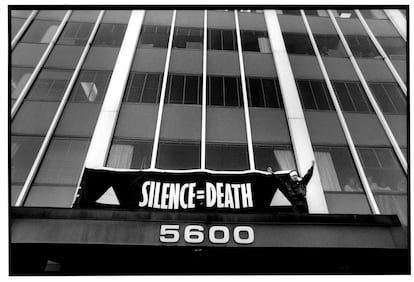
A. We have a lot to learn from it. I was part of ACT UP (the AIDS Coalition to Unleash Power, a leading organization that advocates for the rights of people living with HIV and AIDS) and a journalist specializing in covering AIDS. I even wrote a book – Let the Record Show: A Political History of ACT UP New York, 1987–1993 (2021) – about the organization’s history.
ACT UP achieved so many victories because it had a structure where you could disagree. They had a bottom line: direct action to end the AIDS crisis. A single sentence, not a 50-page manifesto. Within that framework, each person could do what they believed was useful. That structure of radical democracy – in which many different responses could coexist – is what made it so successful.
All movements that try to impose a single analysis or a single strategy fail in the end. We live in a situation where every community in the world is under attack from an oligarchy and threatened by the climate crisis. To ask all these different communities to have just one analysis is absurd. It’s never going to happen. So, we need a politics of strategic alliances, where we work with people [when] we agree with them and move forward.
Let me give you an example. The Catholic Church has been my enemy for my entire life, right? But now we have Pope Leo, and he supports migrants. When priests are arrested for confronting ICE, for the first time in my life, I’m on the same side as the priests. I still disagree with the Church on other issues, [but we can be] flexible and mature in our approach to politics. We have to get through this hell to reach a new future.
Q. That reflection could be taken into consideration by the left in many countries, including the United States.
A. For the first time, we have a left wing of the Democratic Party that’s getting some power. That’s something new here. It’s very exciting… and it’s happening all over the country. What happened in New York City (with the election of Zohran Mamdani, who hails from that faction) is a miracle. I’ve lived here all my life and I’ve never seen New Yorkers so proud of their city.
Q. Faced with the success of this leftist faction, Trump has responded by stirring up panic about what’s supposedly a communist “threat.”
A. Historically, the term “communist” has been used in the U.S. to silence people: the government even executed people for being communists, like the Rosenbergs [in 1953]. If you look at people with AIDS, Palestinians, or trans people, there’s a common pattern: they’re people who are in danger. They’re vulnerable, [yet they’re] falsely portrayed as dangerous, when the real threat comes from others, like tech oligarchs.
Q. You’ve written about how desire can become something that you get punished for. Is that still happening today?
A. At the highest levels of power [and] in everyday life, we’re still seeing so much of sexual violence. Right now, we’re in the midst of [learning about] terrible rape charges on university campuses (the “Cornell Seven” case). In recent years, women have changed enormously, but men haven’t changed at all.
On one hand, there’s an overreaction when somebody expresses desire for you. That’s not a crime. You should be able to simply say, “Thanks, I’m not interested.” And that should be the end of it. On the other hand, there’s a real threat: many straight men are still dangerous. People may overreact to that danger, and that has consequences, such as turning mere desire into something punitive. But it’s understandable.
Translated by Avik Jain Chatlani.
Sign up for our weekly newsletter to get more English-language news coverage from EL PAÍS USA Edition
Spain’s new TIE appointment system could end a major headache for expats
Amelia Earhart’s lost plane could be on the verge of being discovered
Rain ruins your holiday in Spain? Airbnb’s new insurance could pay you up to €1,000 a day


-

 Uncategorized2 weeks ago
F1 Bahrain Grand Prix will be live and FREE on TV this weekend
-
Latest1 week ago
Spain’s Government Dealt Huge Blow As MPs Reject Housing Crisis Laws
-
Latest2 weeks ago
Why You Can’t Donate Blood In Spain If You Don’t Speak Spanish
-

 Foreign demand2 weeks ago
Market Snapshot: German Market In Q2 2026
-

 Uncategorized2 weeks ago
Lewis Hamilton F1 wish could come true as stunning plans for new track revealed
-
British tourists arrested in Magaluf1 week ago
British tourists arrested after taxi driver left bloodied in Magaluf
-
Blackout preparedness1 week ago
Brussels takes action against Spain over failure to update blackout plan
-

 Housing access / crisis / affordability1 week ago
Radical Housing Decrees Defeated As Snap Election Talk Grows