
gardens
Five Ways To Make Your Garden More Appealing To Property Buyers

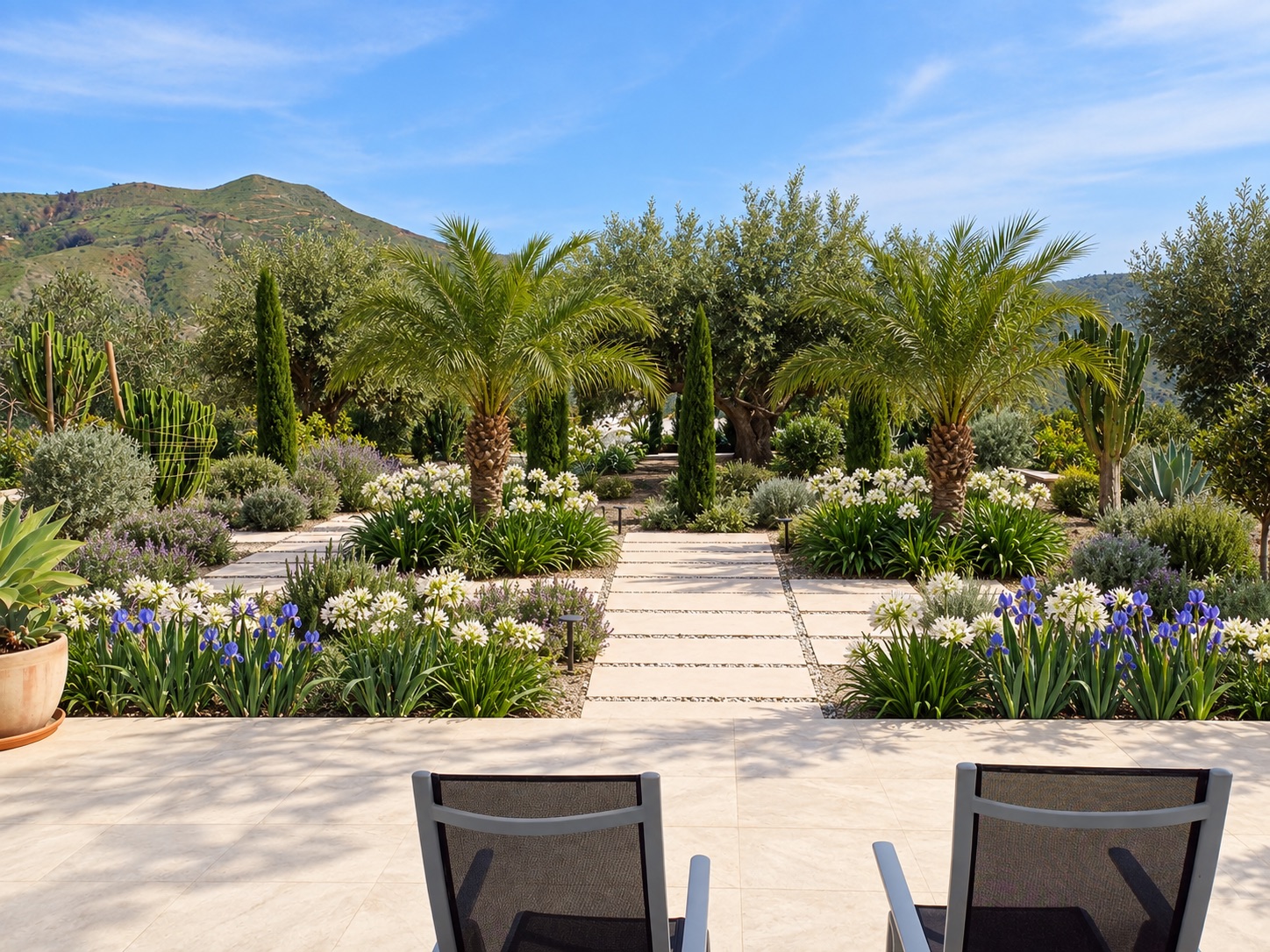
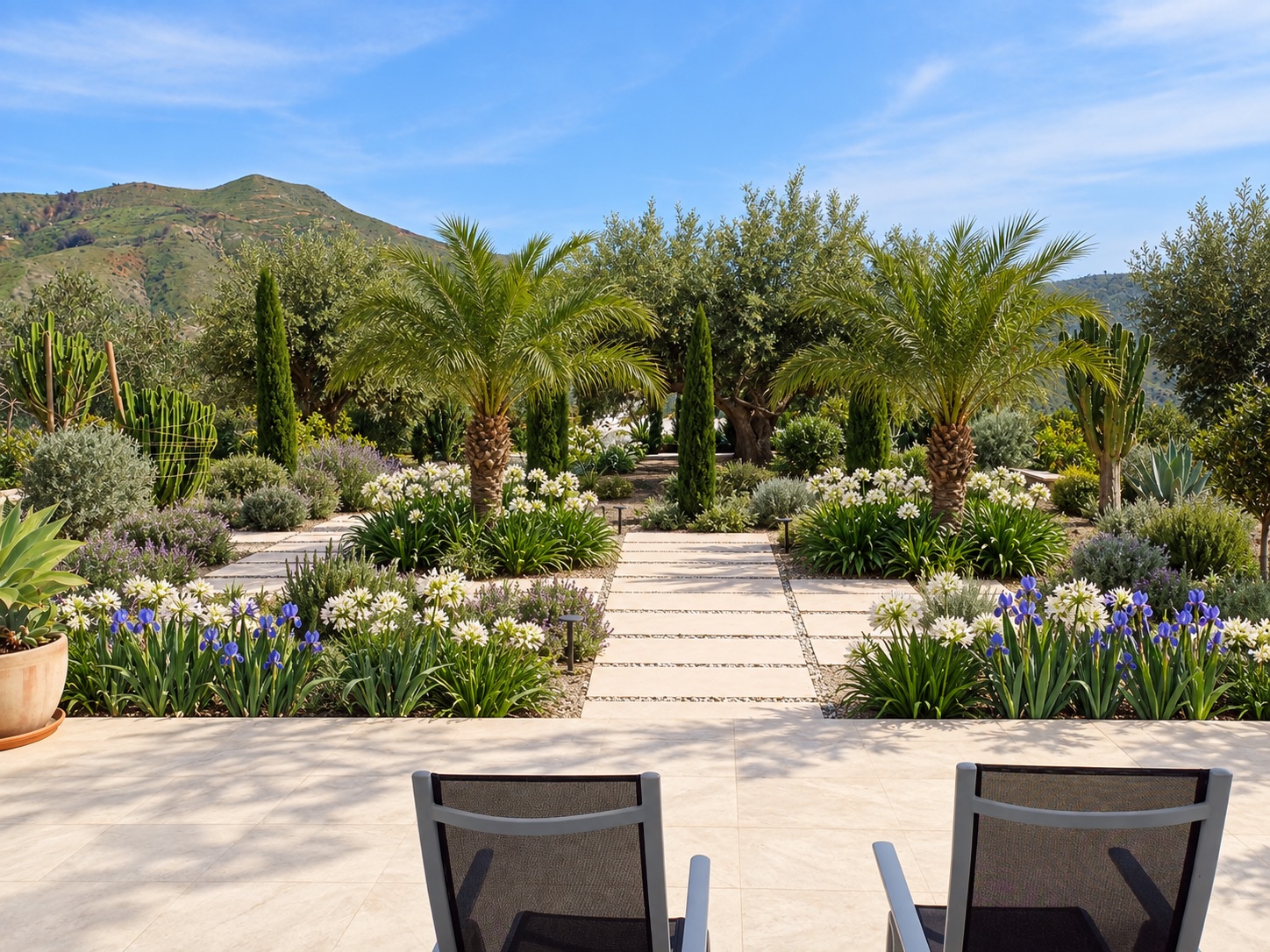
A beautiful garden is part of the Mediterranean dream. But a neglected or high-maintenance garden can quickly turn that dream into a costly chore, making your property harder to sell.
When selling a home in Spain, owners naturally concentrate on the house itself. Yet the garden can be just as important in creating a good first impression, particularly in coastal areas such as the Costa del Sol, where outdoor living is a major part of the attraction.
A well-designed and maintained garden doesn’t just make a property look better. It helps buyers imagine the lifestyle they are buying into, whilst reassuring them they won’t inherit an expensive maintenance headache.
According to Katrin Schlenzka, a garden designer and founder of New Growth Garden Design in Málaga, preparing a garden for sale doesn’t necessarily require a big investment. Often, the smartest improvements are relatively simple.
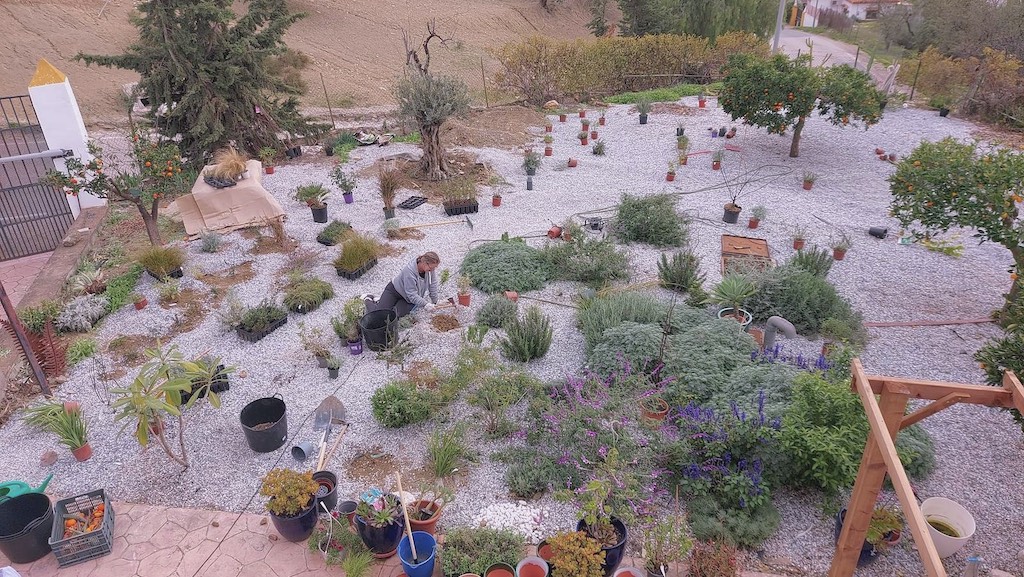
Five ways to make your garden more attractive to buyers
- Make a good first impression. Clear paths, prune overgrown plants, remove weeds and deal with obvious signs of neglect. Buyers should see a well-cared-for property, not a list of jobs awaiting them.
- Sell the outdoor lifestyle. Present terraces and shaded seating areas as extensions of the house. An inviting outdoor dining area helps buyers imagine long Mediterranean evenings entertaining friends and family.
- Refresh the planting. Replace dead or struggling plants and fill obvious gaps. A coherent planting scheme using a few well-chosen varieties usually looks better than a random collection of plants.
- Clear the clutter. Remove tired pots, miscellaneous ornaments and unnecessary furniture. A few large containers with architectural plants can create more impact than dozens of small pots competing for attention.
- Make maintenance look manageable. Check irrigation systems, address drainage problems and consider reducing water-hungry lawns. This is particularly important for foreign buyers purchasing second homes they won’t occupy all year.
Design for the Mediterranean climate
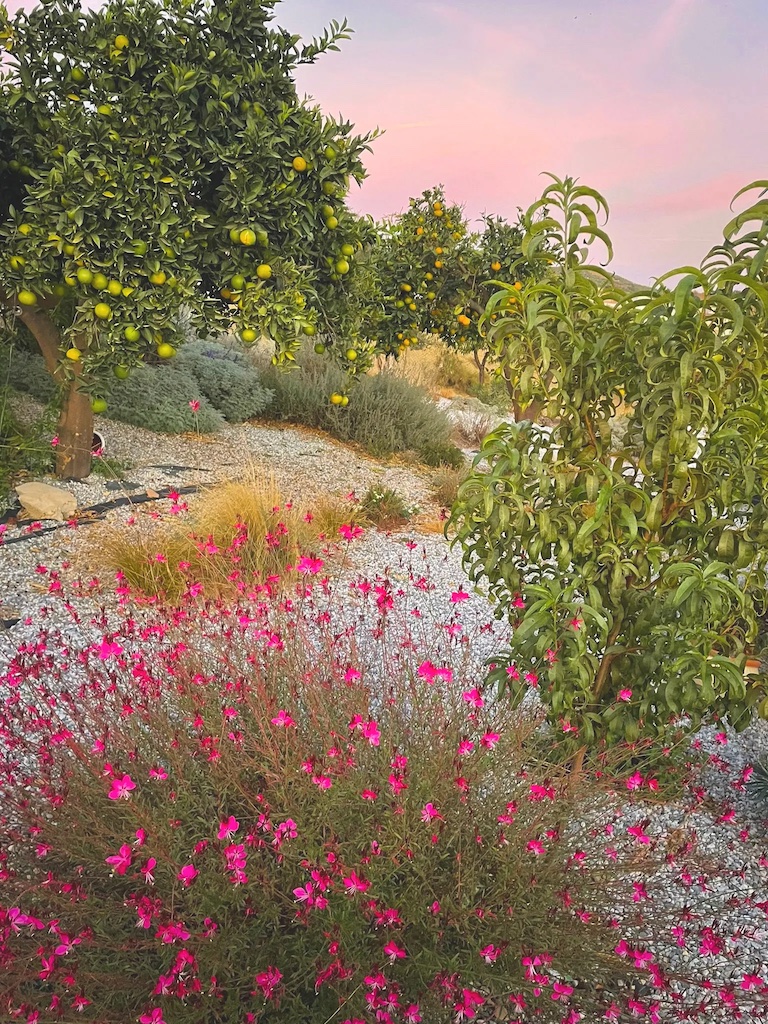
Good garden design is about more than preparing a property for sale. It can improve the enjoyment, running costs and long-term appeal of a home.
Katrin sees growing interest in climate-appropriate planting, efficient irrigation and gardens that combine contemporary design with traditional Mediterranean character.
Olive and citrus trees, lavender, rosemary, bougainvillea, myrtle and jasmine can evoke the Mediterranean lifestyle with colour, fragrance and structure. Terracotta, natural stone, gravel and shaded seating areas complete the picture.
The trend is towards fewer, stronger design elements, more wildlife-friendly planting and less dependence on thirsty lawns. Designers are even looking towards North Africa for inspiration as southern Spain adapts to hotter, drier conditions.
However, choosing the right plants for the soil, exposure and local conditions is essential. Poor drainage, unsuitable planting and badly maintained irrigation can turn an attractive garden into an expensive problem.
Can a good garden increase your property’s value?
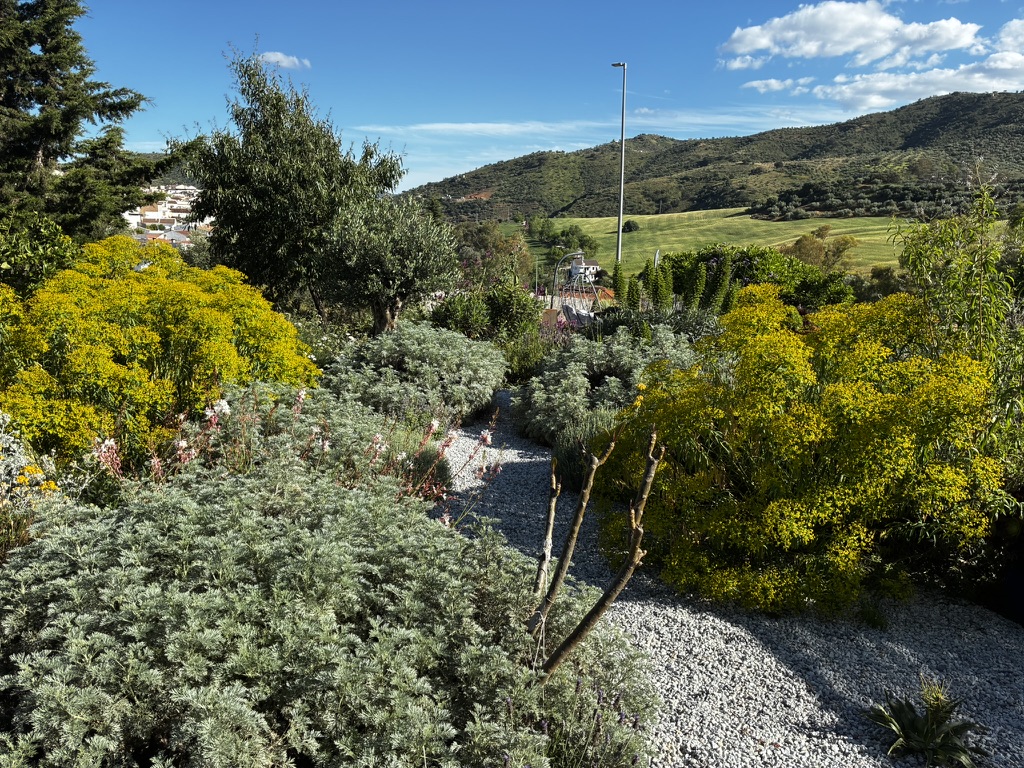
A recent El País article suggested that good landscaping could increase property values by as much as 30%. Such figures should be treated cautiously, particularly when applied to individual resale properties.
The more convincing argument is that an attractive, manageable garden can increase buyer appeal, remove objections and potentially reduce time on the market. And as I argue in a recent article ‘How much value does a garden add to a property?‘, a good rule of thumb is 10% to 20%.
For sellers, the goal shouldn’t be to spend a fortune creating a show garden. It’s to present the outdoor space at its best, without spending more than you’re likely to recover.
Ultimately, a good garden should make buyers think about enjoying their new home in Spain, not how much work they’ll have to do when they move in.
Are you thinking of selling your property in Spain?
Whether you are thinking of selling or simply want to understand the market around one of your most valuable assets, an SPI personalised market report gives you unique, expert insight into your local market segment and what it means for you, so you can make informed decisions. Fill in this form to find out more.












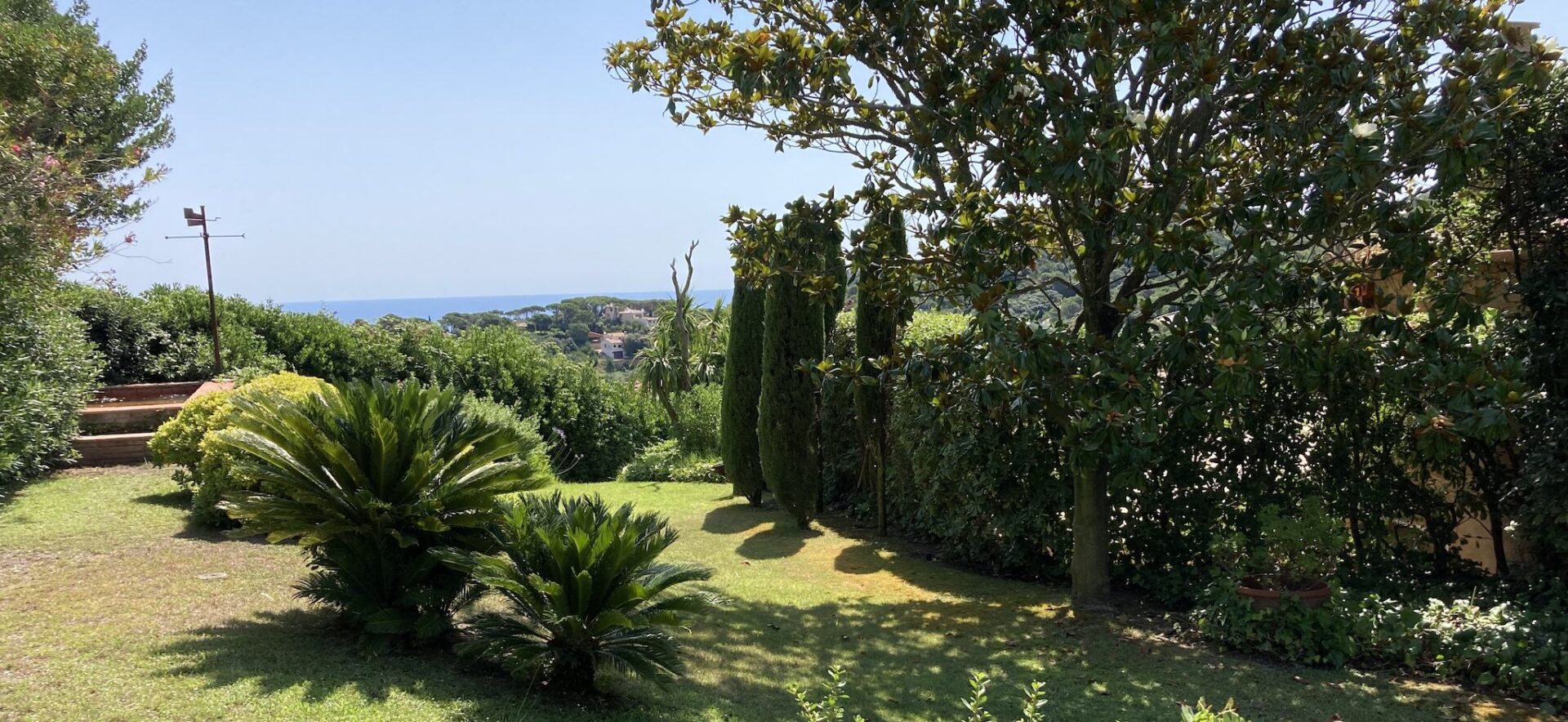
A garden can add considerable value to a home in Spain, but how much depends on where the property is, how big the garden is, and how useful it is. Bigger is not always better, and the first few square metres can sometimes be worth much more than the last few hundred.
As a rough rule of thumb, a good garden might add between 10% and 20% to the value of a property in an area where gardens are valued. On a €500,000 home, that could mean an extra €50,000 to €100,000.
But there’s no universal formula. A garden in a densely built urban neighbourhood, where private outdoor space is scarce, might command a substantial premium. In a rural area surrounded by open countryside, the premium could be smaller.
Other factors matter too: privacy, sunshine, views, accessibility, landscaping, and maintenance requirements. A sunny, private garden directly accessible from the living room is likely to be worth more than an awkward patch of land down a steep flight of steps.
Why garden size matters
Size is obviously important, but its relationship with value is not straightforward.
A garden that’s too small to be useful adds relatively little value. Once it becomes large enough for a table, chairs, some plants and perhaps a barbecue, it starts to make a meaningful difference to how people can enjoy the property.
Additional space might allow for a lawn, a swimming pool, or somewhere for children to play. Each improvement can appeal to more potential buyers and increase the property’s value.
Eventually, however, you reach a point of diminishing returns. Once the garden is large enough to satisfy most buyers’ requirements, additional land adds progressively less value.
Indeed, a garden that’s disproportionately large compared to the house might appeal to a relatively small audience. Someone with several large dogs might love it, but others will just see more work and maintenance costs.
Here’s a thought experiment.
Imagine you own a house without a garden, but you have the opportunity to buy some land from a neighbouring property and turn it into one.
If you buy just 1 sqm, it probably adds almost nothing to the value of your home. There’s not much you can do with it.
At 10 sqm, however, you might be able to create a small patio garden, giving the property something it previously lacked: usable private outdoor space.
At 30 sqm, you might have room for outdoor dining and a sitting area. At 75 sqm, there might be room for a lawn and a play area. At 150 sqm, you might have everything most potential buyers could reasonably want.
Beyond that point, the marginal value of each additional square metre generally starts to decline.
The relationship is unlikely to be a smooth curve. Value might increase in steps as the garden becomes large enough to accommodate particular uses, with relatively flat stretches in between.
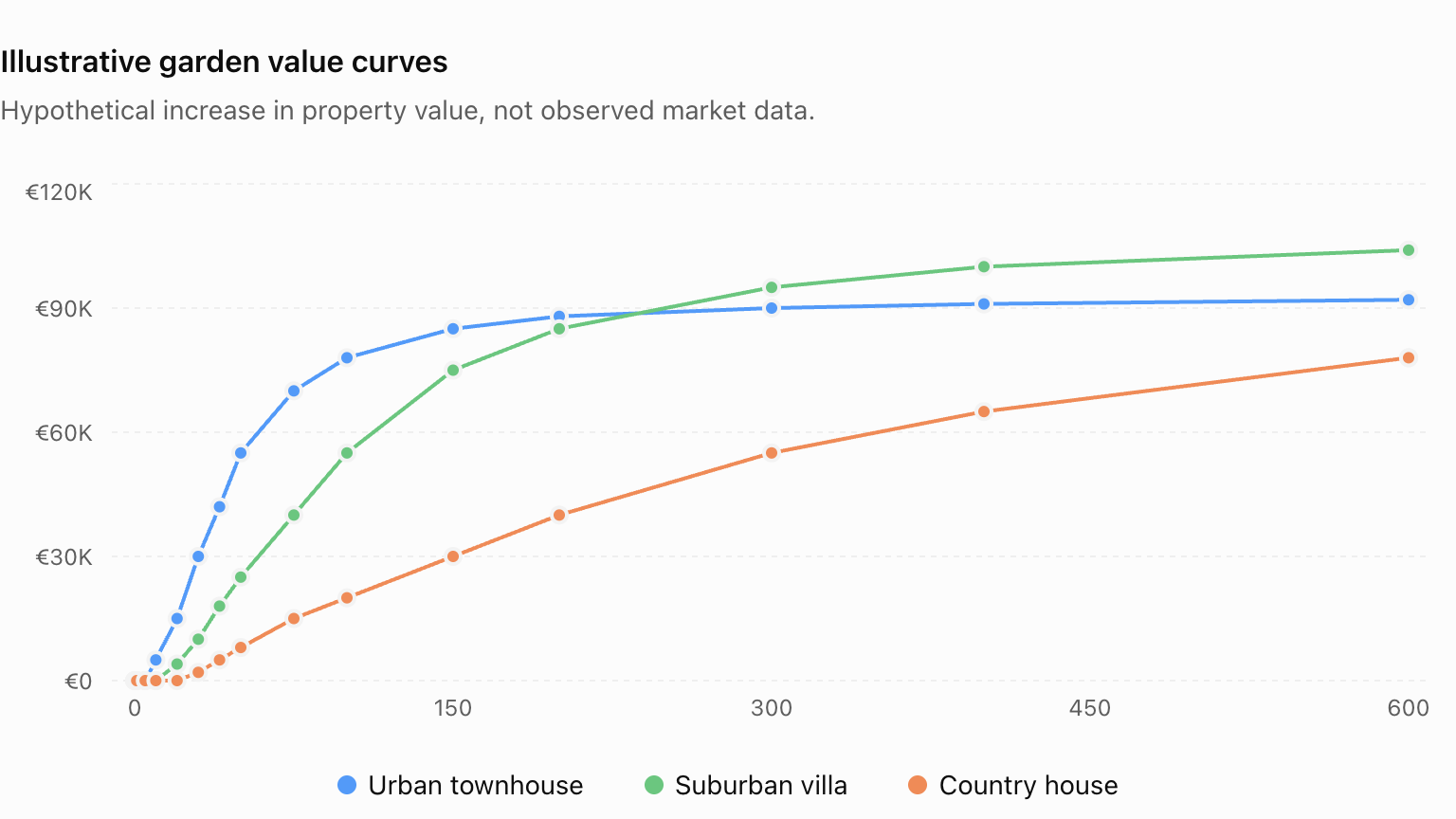
The important distinction is between the total value of the garden and the marginal value of each additional square metre. Total value might keep rising with size, even while the extra value contributed by each new square metre falls.
What does this mean for buyers and sellers?
When valuing a property, it’s a mistake to assume that every square metre of garden carries the same price.
A 200 sqm garden is not necessarily worth twice as much as a 100 sqm garden, and a small but perfectly usable garden might add more value than a much larger, less practical one.
For sellers, the lesson is that presentation and usability can matter as much as size. For buyers, particularly those considering purchasing adjoining land, the question is not simply how much land they’re getting, but how much additional utility and market value it creates.
Ultimately, gardens are worth what buyers will pay for them. And buyers tend to pay most for the space that makes a real difference to their enjoyment of a property.
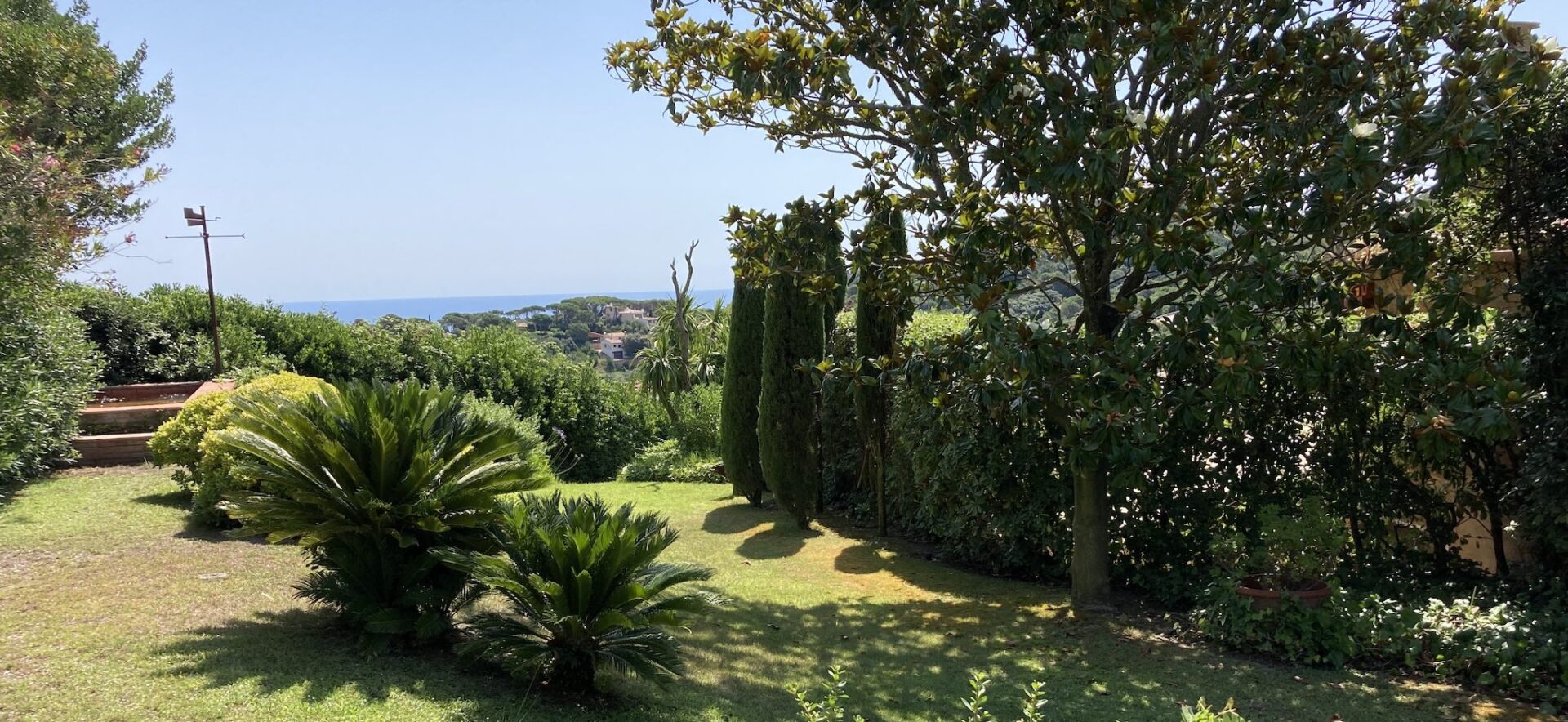
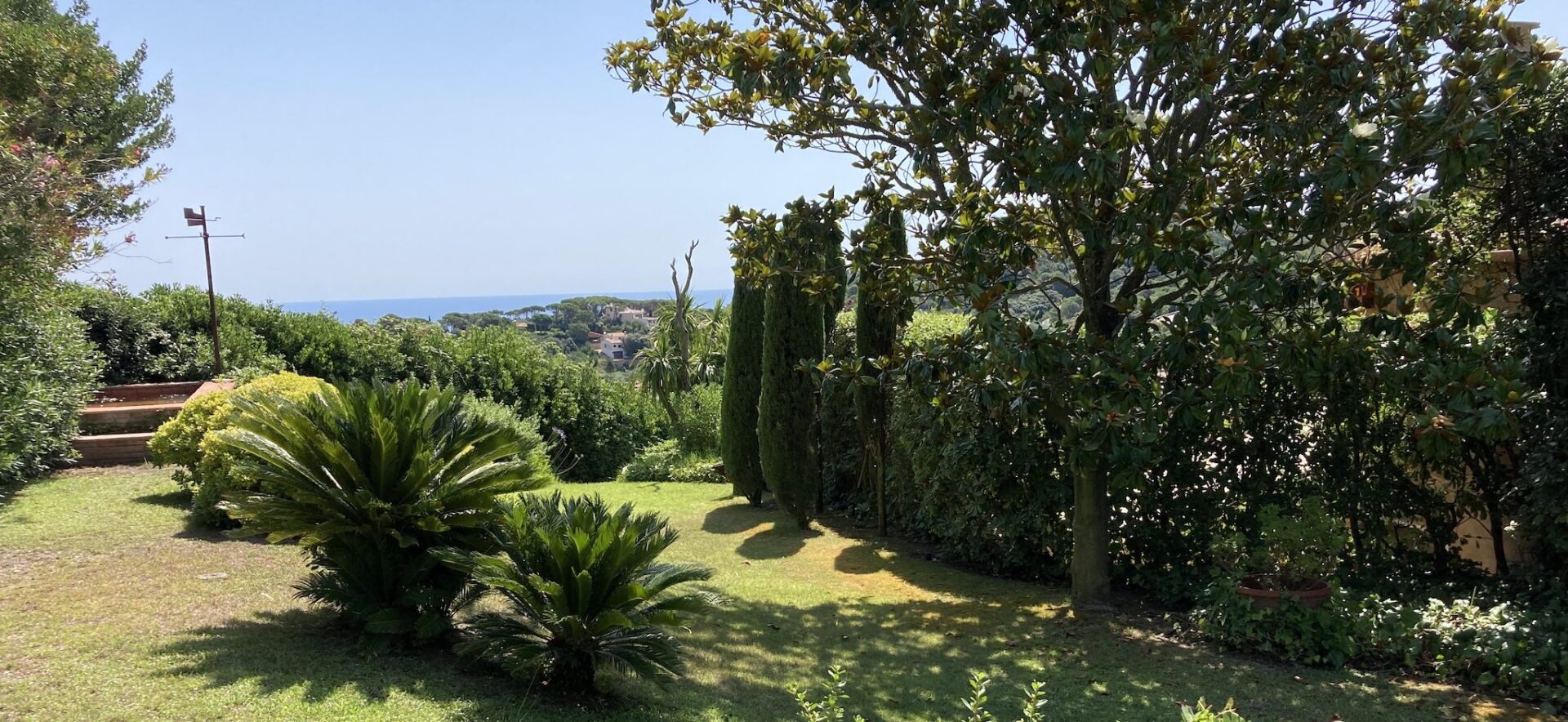
A garden can add considerable value to a home in Spain, but how much depends on where the property is, how big the garden is, and how useful it is. Bigger is not always better, and the first few square metres can sometimes be worth much more than the last few hundred.
As a rough rule of thumb, a good garden might add between 10% and 20% to the value of a property in an area where gardens are valued. On a €500,000 home, that could mean an extra €50,000 to €100,000.
But there’s no universal formula. A garden in a densely built urban neighbourhood, where private outdoor space is scarce, might command a substantial premium. In a rural area surrounded by open countryside, the premium could be smaller.
Other factors matter too: privacy, sunshine, views, accessibility, landscaping, and maintenance requirements. A sunny, private garden directly accessible from the living room is likely to be worth more than an awkward patch of land down a steep flight of steps.
Why garden size matters
Size is obviously important, but its relationship with value is not straightforward.
A garden that’s too small to be useful adds relatively little value. Once it becomes large enough for a table, chairs, some plants and perhaps a barbecue, it starts to make a meaningful difference to how people can enjoy the property.
Additional space might allow for a lawn, a swimming pool, or somewhere for children to play. Each improvement can appeal to more potential buyers and increase the property’s value.
Eventually, however, you reach a point of diminishing returns. Once the garden is large enough to satisfy most buyers’ requirements, additional land adds progressively less value.
Indeed, a garden that’s disproportionately large compared to the house might appeal to a relatively small audience. Someone with several large dogs might love it, but others will just see more work and maintenance costs.
Here’s a thought experiment.
Imagine you own a house without a garden, but you have the opportunity to buy some land from a neighbouring property and turn it into one.
If you buy just 1 sqm, it probably adds almost nothing to the value of your home. There’s not much you can do with it.
At 10 sqm, however, you might be able to create a small patio garden, giving the property something it previously lacked: usable private outdoor space.
At 30 sqm, you might have room for outdoor dining and a sitting area. At 75 sqm, there might be room for a lawn and a play area. At 150 sqm, you might have everything most potential buyers could reasonably want.
Beyond that point, the marginal value of each additional square metre generally starts to decline.
The relationship is unlikely to be a smooth curve. Value might increase in steps as the garden becomes large enough to accommodate particular uses, with relatively flat stretches in between.
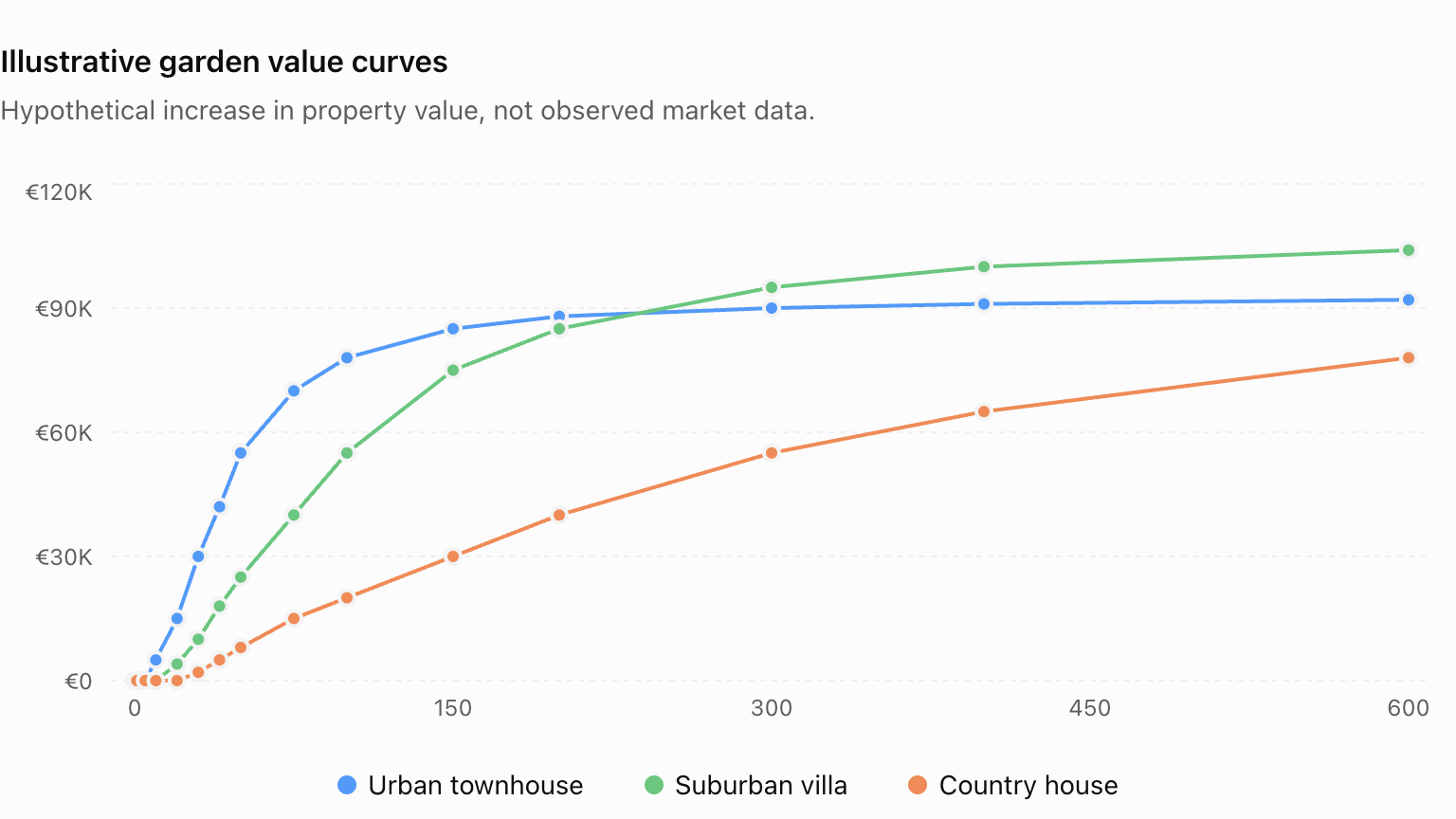
The important distinction is between the total value of the garden and the marginal value of each additional square metre. Total value might keep rising with size, even while the extra value contributed by each new square metre falls.
What does this mean for buyers and sellers?
When valuing a property, it’s a mistake to assume that every square metre of garden carries the same price.
A 200 sqm garden is not necessarily worth twice as much as a 100 sqm garden, and a small but perfectly usable garden might add more value than a much larger, less practical one.
For sellers, the lesson is that presentation and usability can matter as much as size. For buyers, particularly those considering purchasing adjoining land, the question is not simply how much land they’re getting, but how much additional utility and market value it creates.
Ultimately, gardens are worth what buyers will pay for them. And buyers tend to pay most for the space that makes a real difference to their enjoyment of a property.

DIA Frozen Seafood Warning With Undeclared Egg
EU And Canada To Bring Ties To ‘highest’ Possible Level At Summit

Accidente De Trenes En Toledo: última Hora Y Reacciones En Directo | Asciende A 69 El Número De Fallecidos En El Accidente Ferroviario De Urda


-

 New Developments4 weeks ago
Luxury Villas For Sale, Estepona – ProjectL1
-
Blackout preparedness4 weeks ago
Brussels takes action against Spain over failure to update blackout plan
-
EU4 weeks ago
EU nicotine crackdown sparks warning that ex-smokers could be driven back to cigarettes
-

 Housing access / crisis / affordability4 weeks ago
Radical Housing Decrees Defeated As Snap Election Talk Grows
-
Catalonia3 weeks ago
Why the rain opened a hole in front of Granollers’ courts
-
British tourists arrested in Magaluf4 weeks ago
British tourists arrested after taxi driver left bloodied in Magaluf
-
DGT2 weeks ago
Viral video in Spain sparks fury over drivers who ‘have no idea how to drive’
-

 %3 weeks ago
Spain Payslip Change Coming In January 2027