
Costa del Sol
Body found on Malaga beach as search for missing foreign man ends

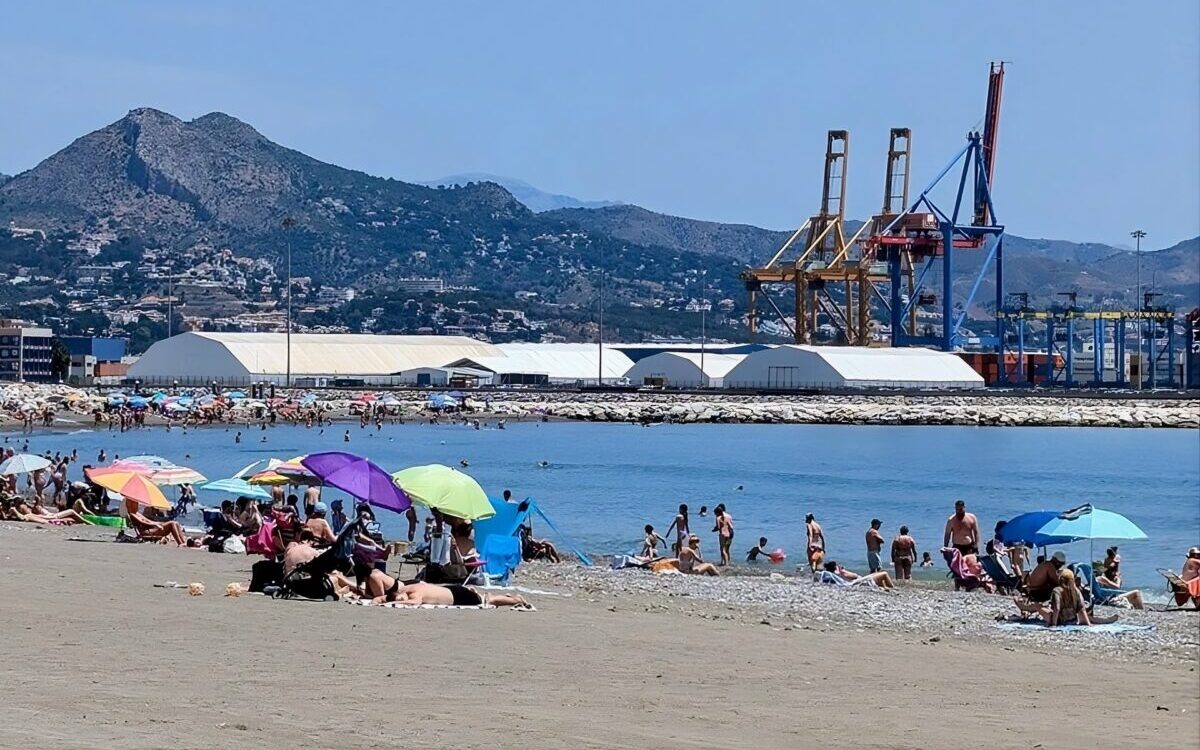
Malaga emergency services have confirmed the discovery of a man’s body early on Saturday morning on Huelin beach in Malaga. The grim find occurred in the same coastal stretch where authorities had spent three days conducting an intensive air, land, and sea search for a missing person. While official identification remains pending, the discovery has led to the immediate suspension of all active rescue operations in the area.
Discovery near Huelin beach bar
Witnesses contacted the 112 Andalucia emergency line at approximately 8.15am to report an unresponsive individual, described as a young foreign man, lying on the sand. Callers had spotted the man situated outside the water, positioned close to a local beach bar. Local police, the Guardia Civil, and medical professionals rushed to the scene following these multiple alerts, but paramedics could only certify the man’s death upon arrival.
National Police officers have now taken control of the scene to lead a full investigation. Forensic teams must complete a formal identification process before authorities can verify if this individual is the same man who disappeared nearby earlier this week.
Connection to missing person search
Rescue teams had been scouring the coastline since the night of April 29 after a swimmer entered the sea at the neighbouring Misericordia beach and failed to return. Maritime Rescue spokespeople confirmed that three vessels from the Red Cross and Civil Guard were prepared to resume the search on Saturday morning. Those plans changed instantly when news of the body in Huelin reached the coordinating centre.
Coastal currents often move objects between these two adjoining beaches, making a connection between the cases highly probable. Investigators are currently waiting for post mortem test results to determine the exact cause of the tragic death and provide closure to a search that has gripped the local community for several days.






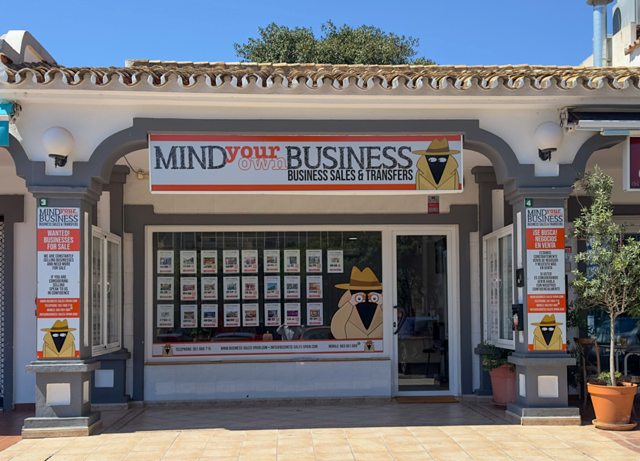
At Mind Your Own Business, we guide your entrepreneurial journey. Credit: Mind Your Own Business
Thinking of running a business on the Costa del Sol? Whether a café, garage or retail shop, understanding the legal and administrative steps is key.
For non-EU nationals, the first consideration is visa. Operating a business requires a residence visa with work authorisation. Some entrepreneurs initially enter via other routes – family member residency or investor visas – depending on personal circumstances.
Alongside visa, an NIE (Número de Identidad de Extranjero) is essential. This is required for all financial and legal transactions, including buying a business, opening accounts, and signing contracts.
A Spanish bank account is essential to manage daily operations, pay taxes, receive payments and establish financial credibility. Banks generally request NIE, proof of address, and valid identification.
When structuring a business, many choose a Sociedad Limitada (S.L.), – limited liability company – over self-employment (autónomo) as it offers protection by separating personal from business assets. Setting up an S.L. involves reserving a company name, a minimum capital of €3,000, signing at notary and registering with the Commercial Registry.
Finally, registration with the tax authorities and Social Security if employing staff. Operating licences may be required and can be transferred or applied anew, depending on business activity.
At Mind Your Own Business, besides handling business transfers, we offer a network of qualified lawyers, accountants and gestorias to guide your entrepreneurial journey.
Calle Mérida de Jarales, Local 4, 29649 Calahonda, Málaga
M: +34 663 061 669 | O: +34 951 666 715 | E: infor@business-sales-spain.com
Condé Nast Traveler
Conde Nast Traveller recognition puts Marbella’s iconic Don Carlos back in the global luxury spotlight
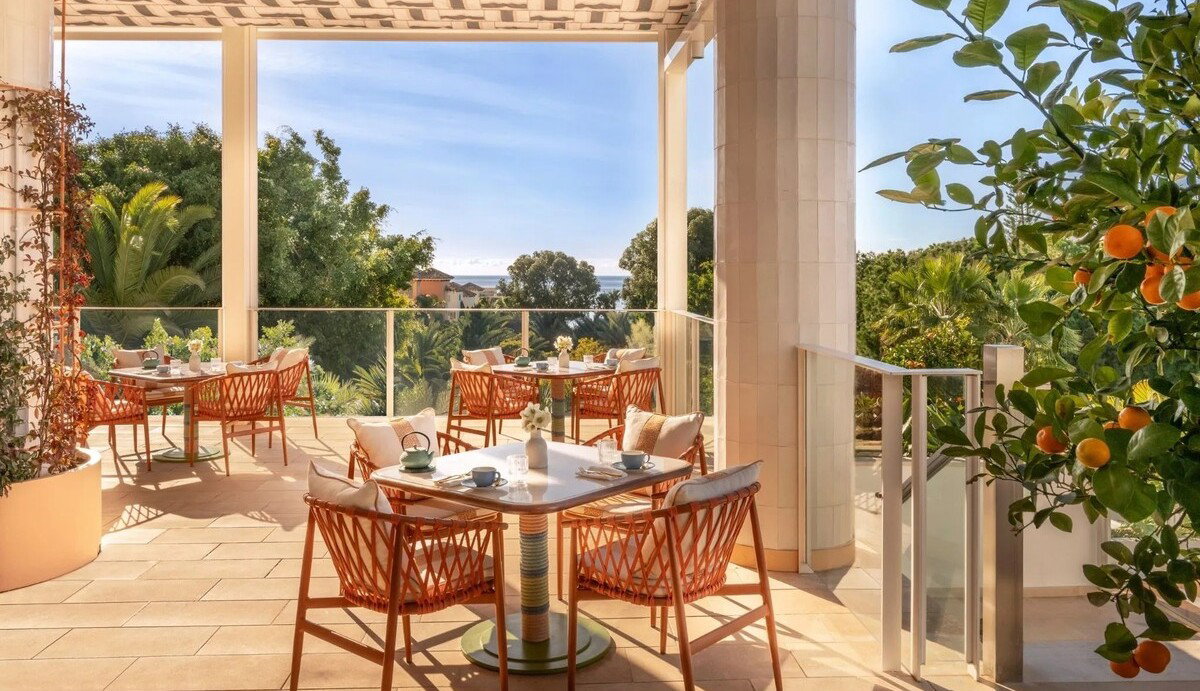
Don Carlos Marbella has earnt Conde Nast Traveller recognition after its €45M transformation putting the luxury icon back in the spotlight.
The long standing Don Carlos Marbella has re-emerged as one of Spain’s most discussed luxury resorts following a €45 million refurbishment and relaunch. In 2026, the hotel was named in the prestigious Conde Nast Traveller “Hot List,” that notes the top hotel openings and reinventions worldwide. One of only 5 in the whole of Spain.
A special moment in global luxury travel
Inclusion in the Hot List is one of the highest industry endorsements. Meticulously compiled annually by international editors, the chosen properties are ones that stand out for design, guest experience, and originality within their market.
For Don Carlos Marbella, this recognition has placed it among a select group of hotels defining contemporary luxury travel. It also backs Marbella’s already high status as a destination choice within Europe’s high-end hospitality scene.
The Don Carlos reinvention from 1963 to 2006
Since its debut in 1969, Don Carlos Marbella has been a major player of the Costa del Sol’s hospitality world. Its recent redevelopment was one of the region’s biggest hotel investments in years, a fully reimagined vision of what the property can be.
The transformation has centred on a Mediterranean vibe that runs throughout newly shaped spaces, pieced together with a fresh selection of exquisite dining venues, beach clubs, and top of the range wellness facilities. Each addition deepens and intensifies the resort’s appeal. The cherry on the cake The Rafa Nadal Tennis Centre, a reputable sporting option for the ever growing appetite for active sporting holiday experiences.
It has reemerged as a resort that still honors its old school heritage but meets the new expectations of contemporary, modern luxury travel.
Leading the future of the hotel
The General Manager appointed to steer the ship in the right direction was Jorge Manzur. His incredible background in Marbella’s luxury hotel arena provides credibility and market insight.
A major career point that contributed to his reputation sky rocketing, was his time at the stunning Anantara Villa Padierna Palace Hotel, where he worked surrounded by classic luxury, had meticulous service standards, and served an international clientele.
Combined with roles at the famous Puente Romano and within InterContinental Hotels Group, Manzur has balance between heritage hospitality and modern lifestyle positioning.
Editorial selections such as those by Conde Nast Traveller also consider the vision behind a property, not just its physical upgrades.
An experience at Don Carlos in the current day
The hotel sits on one of the finest stretches of gold beach on the coast in Elviria. It has beachfront access, high end leisure facilities, various dining options, and sports coaching, its appeal is to multiple audiences. Families can enjoy the kids clubs and pools, couples, the romantic dining sports and sundowners and groups, the beautiful gardens and beach clubs. This flexibility is vitally important in a market where guests now expect quality and variety all within one destination.
The recognition from Conde Nast Traveller by being placed on the hot list celebrates the renovation and future of the hotel and with Jorge Manzur at the wheel, it can only mean more success is to come.
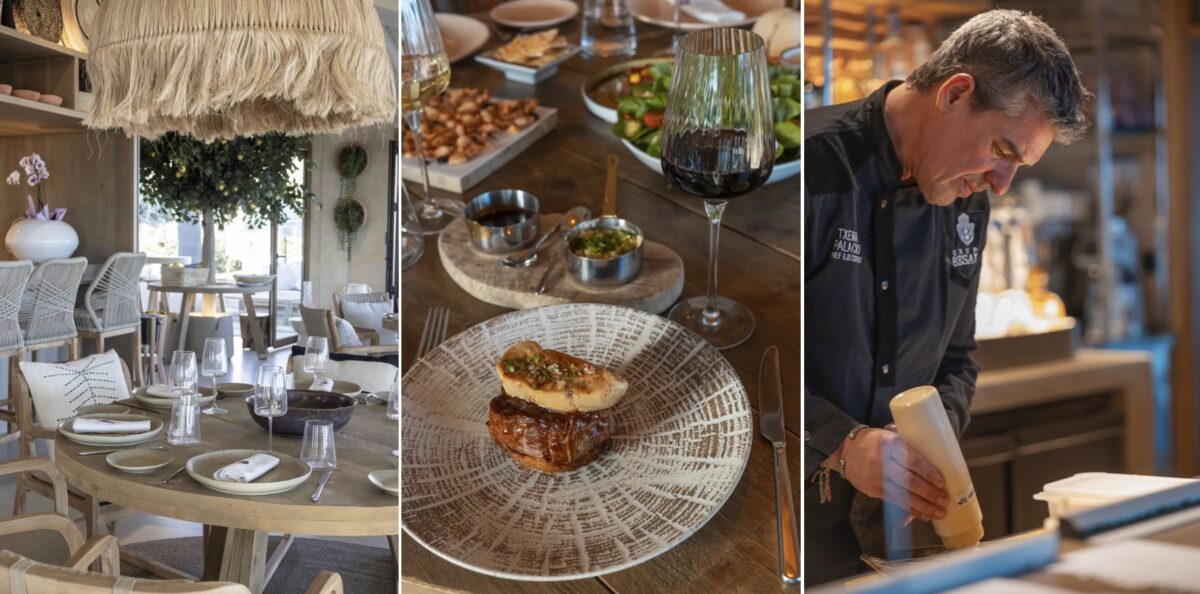
Fresh Mediterranean flavours meet Basque tradition at La Rada beach, as Chef Txema Palacio introduces a refined gastronomic experience to the Costa del Sol.
Estepona has welcomed a sophisticated addition to its shoreline with the reopening of Malva Beach by Txema Palacio. Situated directly on the sands of La Rada beach on entering Estepona, the restaurant goes further than the typical “chiringuito” concept and offers a meticulously curated environment where the Mediterranean Sea dictates the tempo of the kitchen. Harmony defines the space, which features warm timber furnishings and a relaxed hammock area designed for slow, coastal enjoyment.
Basque heritage meets Andalucian light
Chef Txema Palacio brings a distinctive identity to the table, rooted in his Bilbao upbringing. His culinary philosophy relies on impeccable product traceability and technical precision, avoiding unnecessary gimmicks. This approach creates a bridge between two Spanish territories: the rigorous techniques and rich sauces of the north and the fresh produce, olive oils, and brilliant light of the south.
Flavour serves as the fundamental starting point for each creation. Palacio focuses heavily on the balance of juices and stocks, making sure each plate carries a clear sense of purpose. Traditional methods evolve into contemporary expressions, resulting in honest dishes that invite guests to stay a little longer and soak up the calming atmosphere like an escape from the bustle.
Fire and the art of the grill
Open flames play an essential role in the Malva Beach kitchen. Grilling over hot coals adds character and depth to noble fish, shellfish, and spectacular meats. This direct, honest cooking style brings out nuances that are often lost in more complex preparations. Guests can explore this range through a specially designed six-course tasting menu, which serves as a chronological journey through the chef’s career, from his early days in Basque “casas de comidas” to his current mastery of Andalusian ingredients.
Curated wines and coastal cocktails
Exceptional beverages complete the dining experience. The cellar boasts an extensive selection of Spanish labels, with a particular emphasis on fortified wines from Andalucia and prestigious Champagnes. For those seeking a creative alternative, the cocktail menu features original signature recipes such as the Matcha Martini and the Santorini Spritz. These drinks are crafted to extend the beachside experience, providing a refreshing accompaniment to the rhythmic sound of the waves.
Malva Beach by Txema Palacio represents a commitment to quality and consistency. It is a destination where every detail, from the provenance of the vegetables to the temperature of the grill, is managed with professional care. Estepona’s gastronomic scene gains a soulful, elegant venue where the sea remains the ultimate protagonist.
Find Malva Beach on Avenida España, 2, Estepona, at the beginning of the promenade. Call 744 750 186 to book or visit malvabeach.es.
Pay-as-you-go: Drivers in Spain may have to pay extra and foot the bill for road repairs
Spain’s 6 drink rule remains in 2026, tourists face tougher crackdowns and fines up to €3,000
The essential steps to Minding Your Own Business on the Costa del Sol
Brussels warns Spain that migrants regularised under controversial scheme will be deported back to Spain if they try to move to other EU countries
Murcia unveils monument marking 175th anniversary of Burial of the Sardine
Easter on the Costa del Sol: a time of renewal


-
eu response to spain migration policy3 weeks ago
Brussels warns Spain that migrants regularised under controversial scheme will be deported back to Spain if they try to move to other EU countries
-
Costa Calida3 weeks ago
Murcia unveils monument marking 175th anniversary of Burial of the Sardine
-
Costa del Sol3 weeks ago
Easter on the Costa del Sol: a time of renewal
-

 Caso Koldo3 weeks ago
Dinero En Efectivo Guardado En Casa Y La Devolución De Los Gastos Del PSOE: La Expareja De Koldo Protagoniza La Cuarta Jornada Por El ‘caso Mascarillas’
-
400 years of Space travel4 weeks ago
Project Hyperion plans 58‑km spacecraft to carry 1,000 humans on 400-year interstellar journey
-

 Ataque contra Irán3 weeks ago
Última Hora De La Guerra De Estados Unidos E Israel Contra Irán, En Directo | EE UU Asegura Que Dos De Sus Buques Militares Han Cruzado Ormuz Para Desminar El Estrecho E Irán Lo Niega
-
Fish Counters Being Removed4 weeks ago
Mercadona removes fish counters: T9 format brings shift to pre-packaged seafood
-

 New Developments3 weeks ago
Inside The Most LUXURIOUS Apartment Building In Spain!