
Costa Blanca North
Costa Blanca town reveals major TRAM station upgrade plans

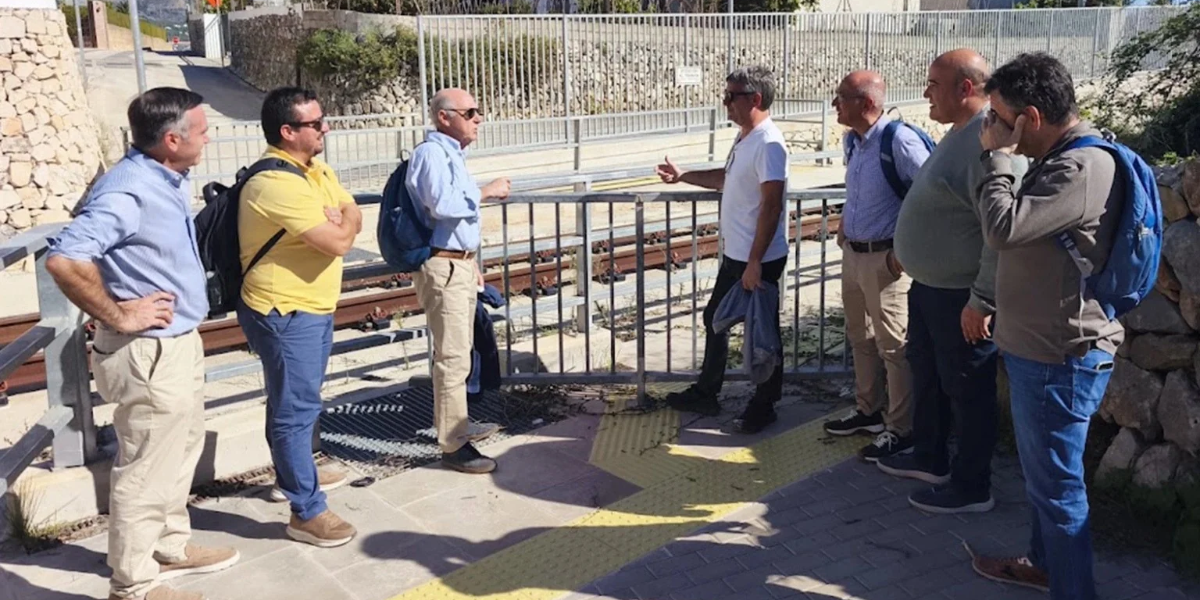
Gata de Gorgos is set for a major railway upgrade, with plans to renovate its historic station and reopen two level crossings as part of efforts to improve safety and transport links through the Costa Blanca town.
The local council and Ferrocarrils de la Generalitat Valenciana (FGV), the regional railway operator, have agreed on a timetable for the improvements, with the first works expected to begin taking shape in 2027.
The plans aim to make the TRAM railway line safer for pedestrians and motorists while improving its integration into the town centre.
Railway crossings set to reopen
The project to adapt the railway line to a more urban tram-style system will be carried out in two phases.
The first phase is expected to be completed in 2027 and will focus on reopening two level crossings that are currently closed.
The crossing at Miralbons will be reopened exclusively for pedestrians, while the crossing on Calle Jesús Pobre will be accessible to both pedestrians and vehicles.
Traffic lights will be installed at both locations to improve safety where road users and pedestrians cross the railway.
The changes are intended to improve movement around Gata de Gorgos while allowing the railway to operate more safely alongside everyday traffic.
The second phase will cover the remaining urban stretch, from Calle Jesús Pobre to the point where the railway leaves the town.
However, this stage will take longer because it requires further administrative procedures and a new technical project incorporating the planned improvements along the route.
Historic station renovation planned for 2027
Alongside the crossing improvements, FGV is preparing to move forward with the comprehensive renovation of Gata de Gorgos railway station.
The original project is currently being revised, with the regional operator expecting both the tendering process and the start of construction to take place during 2027.
The station forms part of the TRAM d’Alacant network, which connects destinations across the province of Alicante, including Dénia and Benidorm.
The latest agreement follows a meeting between Gata de Gorgos councillor for urban planning and management Josep Signes Costa, municipal technicians and an FGV delegation led by managing director Alfonso Novo.
The discussions were held to coordinate the next steps for both projects and establish a timetable for their delivery.
While the station renovation and railway changes will progress separately, both form part of a wider effort to modernise local transport infrastructure and improve the relationship between the railway and the surrounding urban environment.







A British couple living in Benidorm have formally challenged proposed mobility scooter restrictions, warning that they could lose an important part of their independence if the new rules do not account for people with disabilities.
A & A, who have lived in Spain for 20 years, have written to Mayor Toni Perez and town councillors after Benidorm approved an amendment to its Municipal Mobility Ordinance that would prohibit mobility scooters and powered chairs designed to carry more than one person.
Their objection comes as the council prepares to open a further 30-working-day public consultation before the proposed changes can receive final approval and enter into force.
British couple fear losing access to essential services
A & A have lived in Benidorm for seven years. Their circumstances changed dramatically this year following serious health problems that left both struggling to walk. They can now walk only with the help of a rollator. One suffered acute pancreatitis, which also substantially reduced their mobility.
The couple say they spent almost €4,000 on a two-seat electric mobility scooter, which now allows them to travel to local shops and the pharmacy. Steep inclines around their neighbourhood make getting around on foot particularly difficult. Without their scooter, they fear that even everyday errands could become much harder.
Why Benidorm wants to restrict tandem scooters
Benidorm Council approved the initial amendment to its mobility rules unanimously on October 26. Officials say the changes are intended to improve pedestrian safety and prevent multi-seat mobility vehicles from being used as recreational transport in busy public areas. The proposal follows earlier efforts to tackle misuse, including the police crackdown on holidaymakers using mobility scooters reported earlier this year, and goes together with broader national updates under Royal Decree 518/2026 on the protection of vulnerable road users.
Mobility Councillor Francis Muñoz has stressed that the measure is not intended to restrict people who genuinely need mobility assistance. However, the proposed wording prohibiting vehicles designed to carry more than one person has raised questions about how residents with legitimate needs will be treated. Euro Weekly News reported on the initial approval of the tandem scooter restrictions last week.
A & A argue that the council should distinguish between tourists hiring tandem scooters for leisure and people who depend on these vehicles because of health problems.
Their objection suggests that restricting rental businesses, rather than prohibiting every multi-seat model, could be one way to address complaints about misuse without affecting disabled residents.
Could Benidorm introduce exemptions?
The couple have asked councillors to consider a permit or identification system for residents who can demonstrate genuine mobility difficulties. Such an arrangement could, in principle, help the local police distinguish between people using a scooter as a necessary mobility aid and those using it for convenience or entertainment.
However, no specific exemption for tandem scooters used by disabled residents has been confirmed in the council’s published announcement. Benidorm has previously been recognised for accessibility efforts, including being named Spain’s most accessible city and expanding beach access for people with reduced mobility.
Whether such an arrangement would be legally or practically possible is therefore a question for the council to address during the consultation.
A & A have also raised the possibility of seeking compensation if they are forced to give up their scooter. This is a concern they have expressed, rather than an established entitlement to compensation.
What is likely to happen next?
The proposed amendment must pass through a further 30-working-day public consultation before the council can proceed to final approval and entry into force. That period gives affected residents an opportunity to raise concerns and ask councillors to consider their circumstances before the rules are finalised.
Key questions include whether exemptions could be introduced for people with demonstrable mobility needs, whether a permit system could work and whether restrictions on rental businesses could tackle irresponsible use without penalising disabled residents.
For A & A, the issue is about much more than a €4,000 purchase. Their scooter helps them reach essential services despite serious health difficulties.
Their case puts a practical question before Benidorm’s councillors: how can the town improve pedestrian safety without taking away a means of independence from residents who genuinely need it?
Costa Blanca North
Denia ecstatic dance event celebrates six years with music and immersive dance session
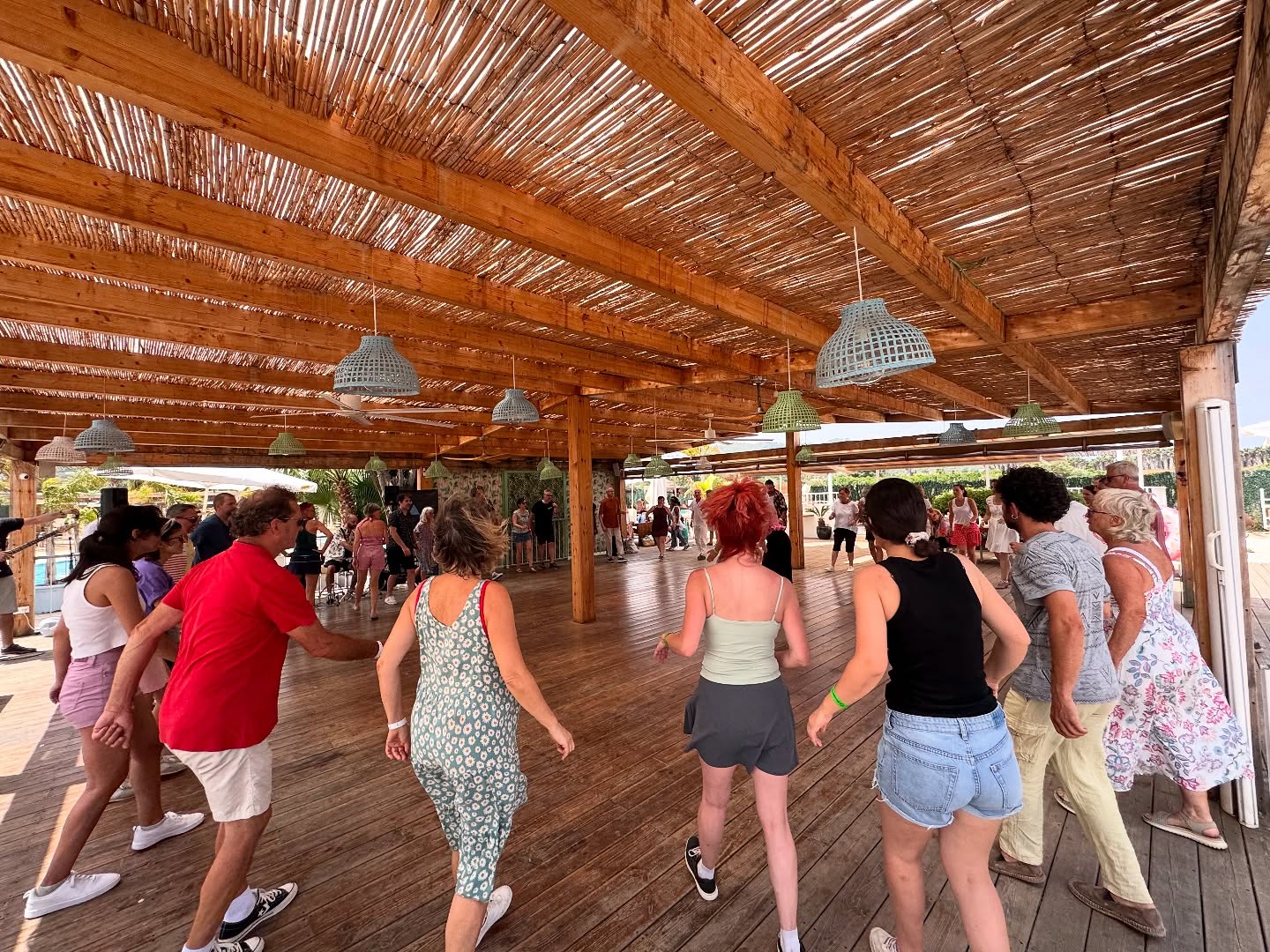
Denia celebrates six years of ecstatic dance with music and movement.
Photo Credit: La Marina Lindy Hop / Facebook
An ecstatic dance event celebrating six years of movement, music and community in the Marina Alta will take place in Denia on Saturday, November 14, inviting participants to mark the anniversary with an immersive evening of dance and music.
Celebrating six years of ecstatic music and dance in the Marina Alta: Immersive movement with Nykkyo Energy DJ
Organised by Ecstatic Dance Experience in Denia and Marina Alta, the event will be held at La Marina Lindy Hop, with doors opening at 6:00pm and the session beginning at 6:30pm. The experience will feature local talent Nykkyo Energy DJ, combining music, dance, and live entertainment.
The anniversary session will feature a concept called Ecstatic Dreams, a musical journey inspired by the flow of life’s experiences. The session will use a selection of gentle, contemporary and shamanic music to create an atmosphere for introspection, daydreaming and personal expression through dance.
DNA Activation session adds another dimension
The event will also incorporate a session called DNA Activation, led by Eduard, the DJ behind the Nykkyo Energy DJ project. According to the organisers, this element will combine music with specialised techniques intended to encourage emotional calm and a sense of freedom.
Eduard’s work also includes developing Divine Tools, an energy-based approach, and providing training and group sessions. The anniversary event brings these elements together with music and dance in a shared community experience.
How, when, and where to book the anniversary dance experience
Participation costs €21 for reservations made by the end of Thursday, November 12. After that deadline, the price rises to €24 for those paying at the door. Places are limited, and advance reservations are required. To reserve a place, interested participants can contact Irina by WhatsApp or Telegram via T. 722 27 99 80. Messages only are requested.
New talents welcome to reach out
Ecstatic Dance Experience also welcomes proposals from people interested in contributing singing, music, workshops or other art forms to future community events. Those who are interested in contributing their talents can follow Ecstatic Dance Experience on Facebook at @ecstaticdanceexperience or Instagram at @ecstatic_dance_experience. Further details about the DJ’s work are available at nykkyoenergy.dj.
During this special anniversary gathering, local residents and visitors will have the perfect opportunity to celebrate the group’s six-year milestone through music, movement and shared creative expression in a close-knit community.
Costa Blanca North
Javea Christmas Gift Fayres return with 120 stalls, Santa and family entertainment

Christmas gift fayres offer festive shopping, family fun and charitable fundraising.
Photo Credit: Salones Carrasco Christmas Fayre 2026 / Facebook
Christmas shoppers will have two opportunities to find festive gifts and support a local children’s charity this November, as the Grand Christmas Gift Fayres return to Salones Carrasco in Javea. The events will take place on two special dates, Sunday, November 8, and Sunday, November 22, bringing together more than 120 stallholders across both dates. Organised in benefit of The Friends of the Children of EMAUS, these vibrant Christmas fayres will offer a wide range of seasonal gifts, crafts, food and entertainment, with proceeds supporting children in care across the region.
More than 120 stalls offer festive gifts and crafts
Visitors will be able to browse stalls selling Christmas cards, decorations, ornaments, handmade crafts, jewellery, accessories, boutique clothing, toys and games. There will also be seasonal food and drink, including jams, honey and pickles, alongside products from local artists and independent sellers.
The fayres provide an opportunity to get ahead with Christmas shopping while supporting small businesses and contributing to a charitable cause. Food and hot drinks will be available from the venue, with a pop-up bar on the terrace offering cold drinks and wine. Visitors can also stroll among the outdoor stalls and enjoy the community entertainment throughout the day.
Children can enjoy treasure hunts and meet Santa
A major highlight of the event will be the children’s treasure hunt, with a €1 entry fee that includes a pottery Christmas ornament. Santa Claus will also be visiting the fayre, where children can meet him for €2 and receive a special gift. Other activities include an “Everyone’s a Winner” tombola, with prizes provided by Ale Hop, and a “Name the Bear” competition offering the chance to win a teddy bear donated by The Bear Shop in Norwich.
Live entertainment will feature on both dates, with performances from local musicians, choirs and dancers. The programme includes the Montgó Chorale and Caprice Ladies Choirs, as well as Pam Small and her dancers.
Supporting children in the area through Christmas fundraising
Entry costs just €1 for adults, while children under 16 can attend for free. The doors will open to terrace stalls at 10:30am, followed by the opening of the indoor stalls at 11:00am. The event will run until 5:00pm. All proceeds from the fayres will go to The Friends of the Children of EMAUS, a charity supporting children in need in the area.
Those looking to enjoy a festive Christmas fayre full of surprises, entertainment, and special gifts should not hesitate to participate in the Grand Christmas Gift Fayres in Javea, and not only have fun, but contribute to a worthy cause close to the community’s heart.
Residential cruise ship passengers given eight hours to leave after sudden shutdown

La Jefa De Información De EL PAÍS Chile, Rocío Montes, Gana El Premio Lenka Franulic
EU plans €11.8 billion border force with 30,000 officers across Europe


-

 New Developments4 weeks ago
Luxury Villas For Sale, Estepona – ProjectL1
-
EU4 weeks ago
EU nicotine crackdown sparks warning that ex-smokers could be driven back to cigarettes
-
Catalonia4 weeks ago
Why the rain opened a hole in front of Granollers’ courts
-
British tourists arrested in Magaluf4 weeks ago
British tourists arrested after taxi driver left bloodied in Magaluf
-

 %3 weeks ago
Spain Payslip Change Coming In January 2027
-
DGT2 weeks ago
Viral video in Spain sparks fury over drivers who ‘have no idea how to drive’
-

 Arabia Saudí3 weeks ago
Un Ataque De Los Hutíes Contra El Aeropuerto De Riad Causa Al Menos 12 Muertos Y Más De 300 Heridos
-

 New Developments4 weeks ago
Stylish 3-Bedroom Apartment With Panoramic Sea Views – Benalmádena