
Brasil
‘Desire Hooks More Than Falsehoods’: How Shirtless Youths Helped Secure Lula’s Victory In Brazil









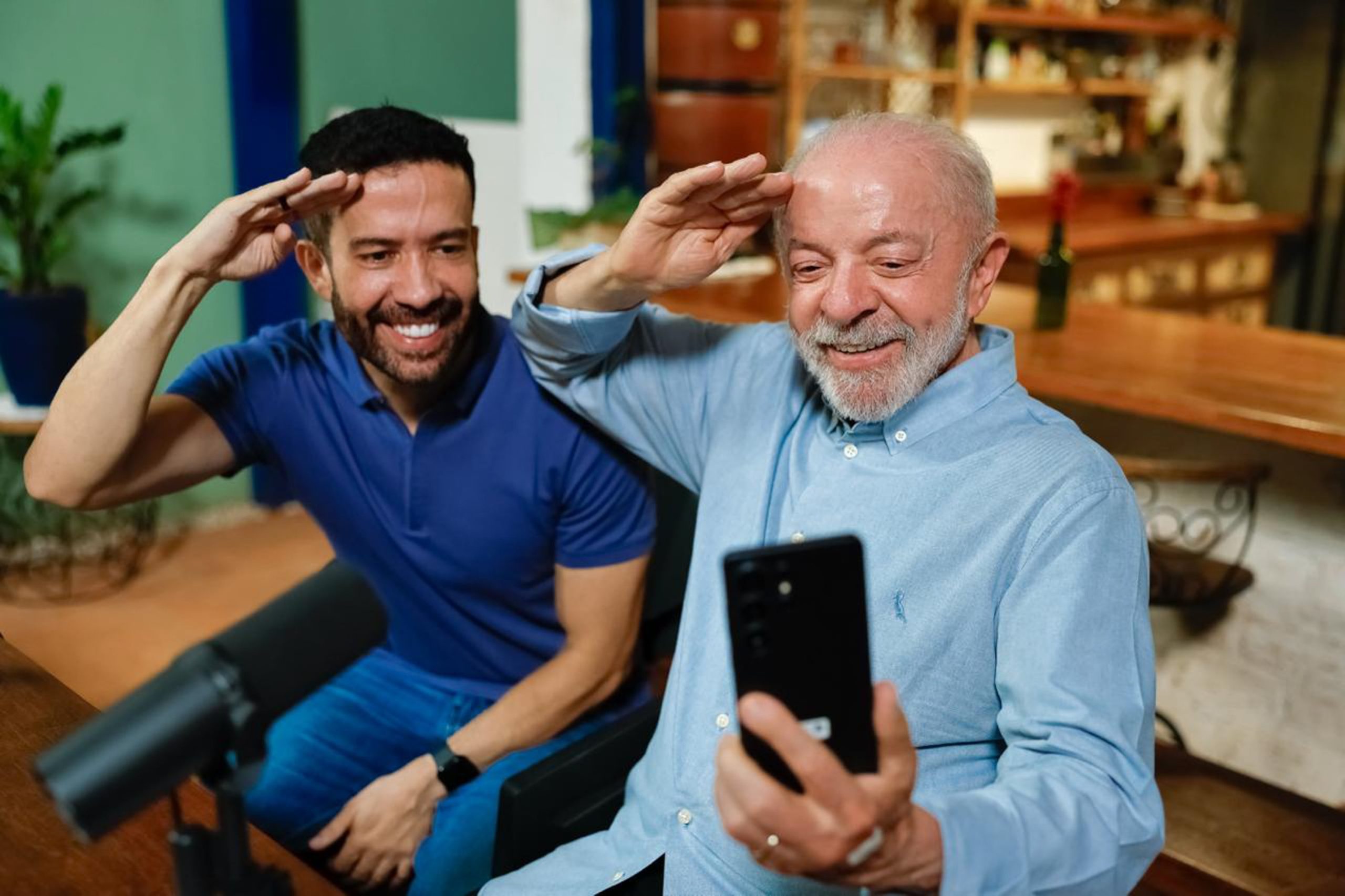
The night Luiz Inácio Lula da Silva won his fourth term, among veteran ministers and old and new allies of the Workers’ Party, there was a man who never left the president’s side and whom almost no one outside Brazil would recognize. He stood out for his big white smile and for being the only one wearing the national team’s yellow jersey. He was André Janones, a lawmaker turned general of a digital army without which Sunday’s historic comeback cannot be understood. A former bus fare collector who had spent three weeks issuing orders via WhatsApp to nearly 11 million Brazilians to tame the algorithm and help the left’s digital communications make, in a few days, a leap they had not achieved in years. “I want to call up the new figure of this campaign, our General Janones,” Lula said from the stage on Avenida Paulista as he celebrated his unexpected victory. “A hug, general.” The crowd replied in chorus: “Janones, warrior of the Brazilian people!”
Lula won with 51.7% of valid votes to 48.2%, more than 4.4 million votes ahead of Flávio Bolsonaro, and that was just three weeks after losing the first round by 2.2 million votes. No candidate had pulled off that feat before in Brazil. The president thanked Janones for having raised “the morale of our troops morning, noon and night” and asked him not to demobilize them: “The army cannot disperse.” Euphoric, Lula rallied his supporters: “I doubt that Russia, China or the United States have a victorious army like this country’s army of democracy.”
The left’s campaign made some mistakes before the victory. Among them were its digital strategy and its disconnect with younger voters. Something similar happened with the left’s candidacy in Colombia, except that Iván Cepeda was not able to reverse it in time. In Lula’s case, it also emerged that big tech companies such as Meta were suppressing their posts, allegedly for technical problems.
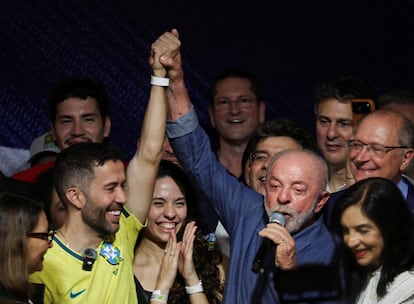
“In this runoff I learned the biggest lesson of my life: when a ruler doesn’t know what to do, he asks his people,” Lula said, who has just started using his first mobile phone. “I’m already learning to speak with the general,” he added in reference to Janones. “Now get ready, because I’m not going to speak to you through the media’s interpretation. I’m going to speak to you through Janones’s Army.” The deputy announced: “Now the old man will be here with the phone in his hand, giving direct orders.”
Janones’s success lies, among other things, in having reappropriated Bolsonaro supporters’ symbols. From the national team jersey, which for a decade has become the right’s uniform, to the rhetoric. The deputy speaks plainly, even roughly and imperatively, and in martial terms (soldiers, troops, army, missions). He talks like the Bolsonaros, but in service of Lula. His battle cry in the channel was always the same: “People, urgent! Explode!”
It is the drumbeat that has accompanied Alexandre Conceição every day for three weeks. He is a government employee and one of those nearly 11 million soldiers who helped boost Lula. He decided to join the WhatsApp channel one day after the first-round debacle, almost as a headlong escape to avoid falling into defeatism. “I only used Instagram to watch recipe videos, and in two days I started to understand how algorithms work. When I realized it, I was awake at dawn doing the homework Janones assigned,” he jokes.
The operation is relatively simple: flood the networks with pro-Lula content to the point of bursting the left’s bubble so the content reaches people with a different profile — in this case the most sought-after groups in this election: the undecided and the non-voters. Most “missions” focused on Instagram and X (formerly Twitter). The soldiers were tasked with posting hashtags in support of Lula, sharing videos, giving likes, ensuring record views on YouTube, and so on. There were also clear rules about what not to do: do not interact with Bolsonarista accounts, not even to defend Lula, so as not to give them more visibility.
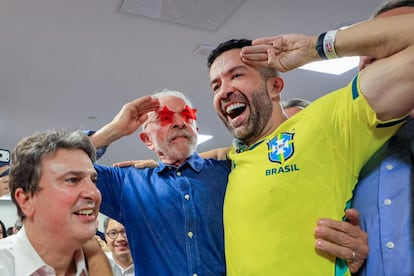
At certain moments in the campaign they carried out coordinated actions, such as a pot-banging protest that swept the country when Bolsonaro gave a television interview, or when millions of Brazilians appeared at nine o’clock on a Saturday morning on Instagram wearing the national team jersey and making Lula’s ‘L’ with their hands. “Not a minute earlier, not a minute later!” Janones warned with his usual vehemence the day before. The goal of the perfect synchronization? For the algorithm to detect that something extraordinary was happening and boost it harder.
“The ways people fight for democracy are crazy. In my parents’ time they took to the streets to stand in front of the military. Today everyone is stultified, having to make posts on the internet, but it has been great, it worked,” Alexandre says. He now wants to take a couple of days of digital detox, but he knows Janones will soon call him back.
Janones, 42, was born in Ituiutaba, an inland city in Minas Gerais. The son of a domestic worker, he paid for his law studies working as a bus fare collector. He is evangelical and, before entering politics, became known online as a pro bono lawyer for public health patients suing the state to obtain treatments. He was active in the PT for a decade and rose to national fame in 2018, during the truckers’ strike, when he went from 70,000 to one million followers overnight.
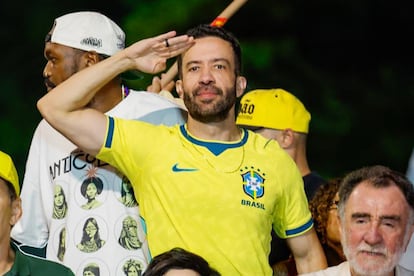
His “army” was born at the start of the runoff campaign, when Lula’s team was looking for a response to the October 4 defeat. In three weeks he gathered nearly 11 million followers in a WhatsApp channel from which Janones distributed, or rather ordered, daily tasks: sharing videos, creating memes, responding to Bolsonaristas or ignoring posts so as not to give them reach in the algorithm. The Superior Electoral Court suspended the channel twice at Flávio Bolsonaro’s request and it resumed twice.
At first, Lula’s own team distrusted him and asked that he not be considered an official part of the campaign. In the end, President Lula was doing live broadcasts with him at dawn. “We are going to win the war. And you will be promoted,” he promised on Saturday during a streaming after the final debate. Janones had been announcing for days that the president would be reelected. “The left hadn’t found its own style and he invented it,” says someone close to the president. “He doesn’t opine much: he passes on information, he doesn’t make theoretical elaborations. His power comes from simplicity.” A verification by fact-checking agency Lupa of 721 messages from the channel found no misinformation about Flávio. In the rival channel, the Tropa do Flávio, which has about two million followers, fact-checkers counted 17 false or distorted posts.
The paradox is that the general who mobilized millions barely wins votes for himself. Elected federal deputy in 2018 with 178,660 votes and in 2022 with almost 239,000, on October 4 he renewed his seat with 78,780 votes, 67% fewer. He is not free of controversy either: in 2025 he reached a deal with the Prosecutor’s Office to avoid a trial for keeping part of his aides’ salaries, a practice in Brazil known as rachadinha and of which Flávio Bolsonaro has also been accused. Lula does not seem to mind. He already has a mobile phone, and he already knows whom to text first — the secondary figure who turned a digital army into votes.
Sign up for our weekly newsletter to get more English-language news coverage from EL PAÍS USA Edition
Brasil
La Receta De Lula Para Remontar Las Elecciones En Brasil: “En 21 Días Ha Conseguido 11 Millones De Votos”


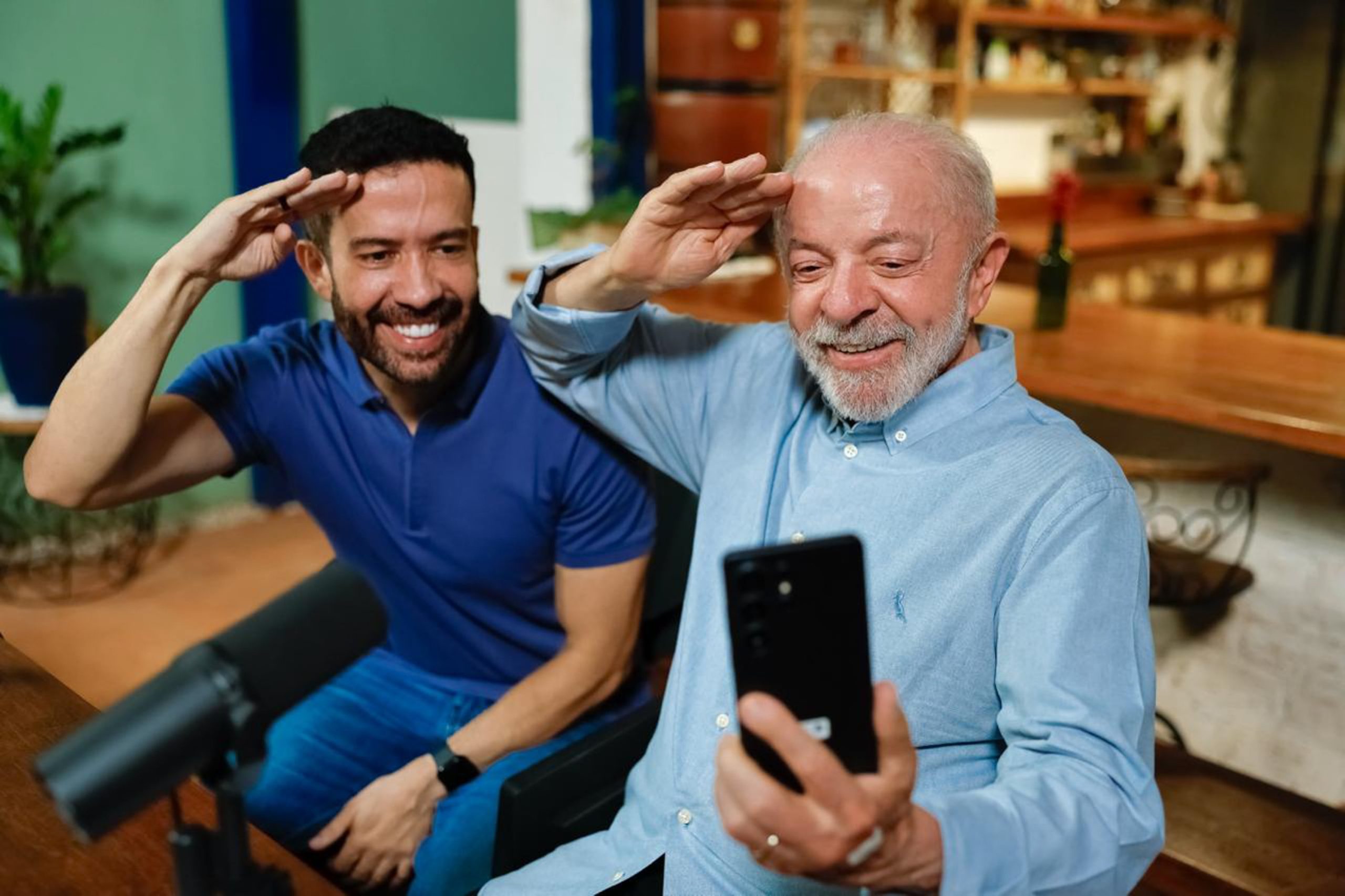
La noche en que Luiz Inácio Lula da Silva ganó su cuarto mandato, entre ministros veteranos y viejos y nuevos aliados del Partido de los Trabajadores, había un hombre que no se despegaba del presidente y que casi nadie fuera de Brasil sabría reconocer. Llamaba la atención por su sonrisa grande y blanca y por ser el único vestido con la camiseta amarilla de la selección. Era André Janones, un diputado convertido en general de un ejército digital sin el que no se entiende la remontada histórica del domingo. Un antiguo cobrador de autobús que llevaba tres semanas dando órdenes por WhatsApp a casi 11 millones de brasileños para domar el algoritmo y que la comunicación digital de la izquierda diera, en unos días, el salto que no había dado en años. “Quiero llamar al nuevo personaje de esta campaña, nuestro general Janones”, dijo Lula desde el escenario de la avenida Paulista al celebrar su inesperada victoria. “Un abrazo, general”. La multitud respondió en coro: “¡Janones, guerrero del pueblo brasileño!”.
Lula ganó con el 51,7% de los votos válidos frente a 48,2%, más de 4,4 millones por delante de Flávio Bolsonaro, tres semanas después de perder la primera vuelta por 2,2 millones de votos. Ningún candidato había conseguido esa gesta antes en Brasil. El presidente le agradeció a Janones haber levantado “por la mañana, por la tarde y por la noche la moral de nuestra tropa” y le pidió que no la desmovilizara: “El ejército no puede dispersarse”. Eufórico, Lula arengó a los suyos: “Dudo que Rusia, China o Estados Unidos tengan un ejército victorioso como el ejército de la democracia de este país”.
La campaña de la izquierda cometió algunos errores antes de la victoria. Entre ellos, su estrategia digital y su desconexión con los más jóvenes. Algo parecido pasó en la candidatura de la izquierda en Colombia, con la diferencia de que Iván Cepeda no fue capaz de revertirlo a tiempo. En el caso de Lula, además, se demostró que las grandes tecnológicas como Meta perjudicaban sus publicaciones, según ellas por problemas técnicos.
“En esta segunda vuelta aprendí la gran lección de mi vida: cuando un gobernante no sabe qué hacer, le pregunta a su pueblo”, dijo Lula, que acaba de estrenar su primer teléfono móvil. “Ya estoy aprendiendo a hablar con el general”, dijo en alusión a Janones. “Ahora prepárense, porque no voy a hablar con ustedes a través de la interpretación de la prensa. Voy a hablar con ustedes a través del Ejército de Janones”. El diputado anunció: “Ahora el viejito va a estar aquí con el móvil en la mano, dando órdenes directas”.
El éxito de Janones reside, entre otras cosas, en que le ha disputado al bolsonarismo sus símbolos. Desde la camiseta de la selección, convertida desde hace una década, en el uniforme de la derecha, hasta el lenguaje. El diputado habla claro, incluso tosco e impositivo, y en clave bélica (soldados, tropa, ejército, misiones). Habla como los Bolsonaro, pero al servicio de Lula. Su grito de guerra en el canal era siempre el mismo: “¡Gente, urgente! ¡Explota!”.
Es la matraca que acompaña cada día, desde hace tres semanas a Alexandre Conceição, funcionario público, uno de esos casi 11 millones de soldados. Decidió entrar en el canal de WhatsApp un día después de la debacle de la primera vuelta, casi como una huida hacia adelante para no caer en el derrotismo. “Yo sólo usaba Instagram para ver videos de recetas, y en dos días empecé a entender cómo funcionan los algoritmos. Cuando me di cuenta estaba despierto de madrugada haciendo los deberes que mandaba Janones”, bromea.
El funcionamiento es relativamente simple, se trata de inundar las redes de contenido pro Lula hasta el punto de reventar la burbuja de la izquierda y que el contenido llegue a los móviles de personas con otro perfil, en este caso los más buscados en estas elecciones: indecisos y abstencionistas. La mayoría de “misiones” estaba en Instagram y en X (antes Twitter). Los soldados se encargaban de subir hashtags (etiquetas) en apoyo a Lula, difundir videos, dar likes, garantizar visualizaciones récord en YouTube, etc. También había directrices claras sobre lo que no hay que hacer: nada de interactuar con perfiles bolsonaristas, ni siquiera para defender a Lula, para no darles más visibilidad.
En algunos momentos de la campaña se hicieron acciones coordinadas, como una cacerolada que recorrió el país cuando Bolsonaro daba una entrevista en televisión o cuando millones de brasileños aparecieron a las nueve en punto de la mañana de un sábado en Instagram vestidos con la camiseta de la selección y haciendo la ‘L’ de Lula con la mano. “¡Ni un minuto antes ni un minuto después!”, advirtió Janones con su habitual vehemencia el día anterior. ¿El objetivo de la sincronización perfecta? que el algoritmo detectara que algo extraordinario estaba pasando y lo impulsara con más fuerza.
“Es muy loco lo de las formas en que se lucha por la democracia. En la época de mis padres salían a la calle delante de los militares. Hoy en día está todo el mundo idiotizado teniendo que hacer posts en internet, pero ha sido genial, ha funcionado”, dice Alexandre. Ahora quiere hacer un par de días de detox digital, pero sabe que en breve Janones le reclamará de vuelta.
Janones, de 42 años, nació en Ituiutaba, una ciudad del interior de Minas Gerais. Es hijo de una empleada doméstica y pagó sus estudios de Derecho como cobrador de autobús. Es evangélico y, antes de meterse en política, se hizo conocido en las redes como abogado gratuito de pacientes de la sanidad pública que demandaban al Estado para conseguir tratamientos. Militó en el PT durante una década y saltó a la fama nacional en 2018, durante la huelga de camioneros, cuando pasó de 70.000 a un millón de seguidores en una noche.
Su ejército nació al comienzo de la segunda vuelta, cuando la campaña de Lula buscaba cómo reaccionar a la derrota del 4 de octubre. En tres semanas reunió a casi 11 millones de seguidores en un canal de WhatsApp desde el que Janones repartía, o mejor dicho, ordenaba, tareas diarias: compartir vídeos, fabricar memes, responder a los bolsonaristas o ignorar publicaciones para no darles alcance en el algoritmo. El Tribunal Superior Electoral lo suspendió dos veces a petición de Flávio Bolsonaro y dos veces volvió a funcionar.
Al principio, el propio equipo de Lula desconfió y pidió que no se le considerara parte oficial de la campaña. Al final, el presidente Lula hacía directos con él de madrugada. “La guerra la vamos a ganar nosotros. Y tú vas a subir de rango”, le prometió el sábado, en una transmisión tras el último debate electoral. Janones llevaba días anunciando que el presidente lograría ser reelecto. “La izquierda no había encontrado un estilo propio y él lo ha inventado”, dice alguien del entorno del presidente. “No opina mucho: pasa información, no hace elaboraciones teóricas. Su capacidad deriva de la simplicidad”. Una verificación de la agencia Lupa sobre 721 mensajes del canal no encontró desinformación sobre Flávio. En el canal rival, la Tropa do Flávio, de unos dos millones de seguidores, contó 17 publicaciones falsas o distorsionadas.
La paradoja es que el general que movilizó a millones apenas consigue votos para sí mismo. Elegido diputado federal en 2018 con 178.660 votos y en 2022 con casi 239.000, pero el pasado 4 de octubre renovó su escaño con 78.780, un 67% menos. Tampoco llega libre de sombras: en 2025 cerró un acuerdo con la Fiscalía para evitar un juicio por quedarse con parte del sueldo de sus asesores, una práctica que en Brasil se conoce como rachadinha y de la que también fue acusado Flávio Bolsonaro. A Lula no parece importarle. Ya tiene móvil, y ya sabe a quién escribir primero, al personaje secundario que transformó un ejército digital en votos.

Elecciones En Israel 2026, En Directo | Cierran Los Colegios Electorales Tras Una Participación Récord

Moroccans Overtake Brits As Biggest Foreign Home Buyers In Spain – Snapping Up Homes In Murcia And North East

A Double Femicide And A Lynching Force Mexico To Confront Its Cycle Of Violence


-

 New Developments3 weeks ago
Luxury Villas For Sale, Estepona – ProjectL1
-
Blackout preparedness4 weeks ago
Brussels takes action against Spain over failure to update blackout plan
-
EU3 weeks ago
EU nicotine crackdown sparks warning that ex-smokers could be driven back to cigarettes
-

 Uncategorized4 weeks ago
Lewis Hamilton F1 wish could come true as stunning plans for new track revealed
-
 Housing access / crisis / affordability4 weeks ago
Radical Housing Decrees Defeated As Snap Election Talk Grows
-
Catalonia3 weeks ago
Why the rain opened a hole in front of Granollers’ courts
-
British tourists arrested in Magaluf3 weeks ago
British tourists arrested after taxi driver left bloodied in Magaluf
-

 %3 weeks ago
Spain Payslip Change Coming In January 2027