
Driving fines
New app alerts Spain drivers before traffic fines become more expensive

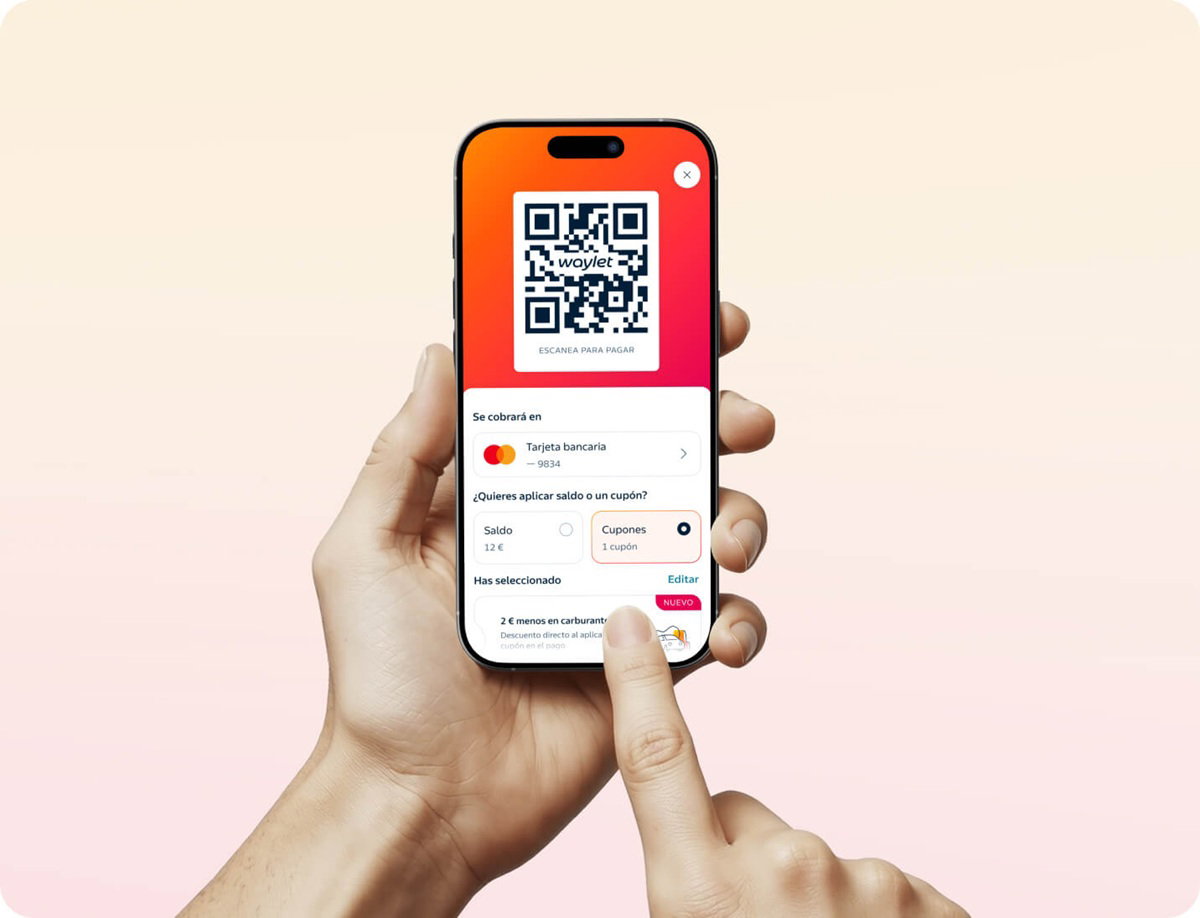
Drivers in Spain can now receive traffic fine alerts directly through Repsol’s Waylet app.
Credit : www.repsol.es/waylet/
Missing a traffic fine in Spain can quickly become expensive. Many drivers only discover penalties weeks later after they have already lost the right to the 50 per cent early payment discount or, worse, when the fine has escalated into surcharges or enforcement action.
Now Repsol wants to change that.
The energy giant has added a new feature to its Waylet app that allows drivers to receive alerts when traffic fines linked to their vehicle appear in Spain’s Official State Gazette, the BOE. The free service is also being integrated into Mi Solred, the company’s platform used by businesses and professional fleet operators.
The move comes as more administrative notifications in Spain shift towards digital systems, leaving many drivers worried about missing important notices that are no longer always delivered directly by post or in person.
According to figures highlighted by Repsol, more than 300,000 traffic fines in Spain end up being published directly in the BOE rather than handed to drivers personally.
That matters because once a fine is published officially, the countdown for payment deadlines and possible appeals continues running whether the driver notices it or not.
How the new Waylet traffic fine alerts work
The new tool, called ‘Multas y Avisos’, is designed to notify drivers almost immediately when new sanctions linked to their vehicle registration appear in the BOE.
Waylet users can activate the service directly inside the app by going to the ‘Explore’ section, selecting ‘Multas y Avisos’ and adding one or several vehicle registration plates. Once activated, users receive notifications both inside the app and by email.
For professional clients using Mi Solred, the service will already be activated automatically.
Companies managing vehicle fleets will see the information through a new section called ‘Centro de Actividad’, which centralises traffic sanctions and administrative notifications linked to company vehicles. Repsol says the alerts themselves will remain completely free.
The company is also offering an optional paid advisory service for drivers wanting help contesting or managing fines. That part of the service is being provided in partnership with Pyramid Consulting, a Spanish traffic law specialist firm that says it has more than 30 years of experience handling appeals.
Why so many drivers in Spain miss traffic fines
One of the biggest frustrations for drivers in Spain is that fines are not always delivered directly to the person involved.
In many cases, if authorities cannot notify the driver personally, the sanction eventually appears in the BOE, Spain’s official state publication used for legal notices and administrative communications. The problem is obvious. Most people do not regularly check the BOE looking for possible traffic penalties.
As a result, some drivers only become aware of sanctions after deadlines have already expired.
That can mean losing the 50 per cent discount available for early payment and, in more serious cases, facing additional penalties, debt collection procedures or even administrative complications linked to unpaid fines.
The issue particularly affects people who move address frequently, company vehicle users and drivers who may not receive postal notifications correctly. For fleet companies managing dozens or even hundreds of vehicles, keeping track of sanctions manually can become especially complicated.
That is why companies increasingly see automatic digital alerts as a practical solution rather than simply another app feature.
Waylet is becoming much more than a fuel payment app
Waylet originally launched as a payment and loyalty app linked mainly to Repsol service stations. But over recent years the platform has expanded aggressively into other services connected to mobility, shopping, energy and digital payments. The app now has around 10 million users according to Repsol.
Since launching in 2017, it has gradually added restaurant payments, electric mobility services, regulated parking payments, online purchases, car wash subscriptions and energy products.
Repsol has clearly been trying to turn Waylet into an everyday digital platform rather than simply a petrol station app. The addition of traffic fine alerts fits directly into that strategy. For drivers, the appeal is fairly simple.
Most people would rather receive an immediate notification on their mobile than discover weeks later that an unnoticed fine has already doubled in cost. And in Spain’s increasingly digital administrative system, missing a notification can sometimes become far more expensive than the original penalty itself.









Barely a day goes past without being reminded by the Spanish traffic authority (DGT) and the Guardia Civil of elements of your displacement on the roads that will draw attention to the authorities, either through roadside checks or from cannily positioned cameras on overhead road signs or drones. There are a certain number of typical red flags that provoke police vehicles to pull over a driver and, on occasion, hand out a €200 fine.
Being aware of them can maintain that money in our wallets, as well as being reminded of the potential dangers, we can become lax about and forget on regular daily journeys and driving large distances.
€200 fines await Spanish drivers treating cars like storage lockers
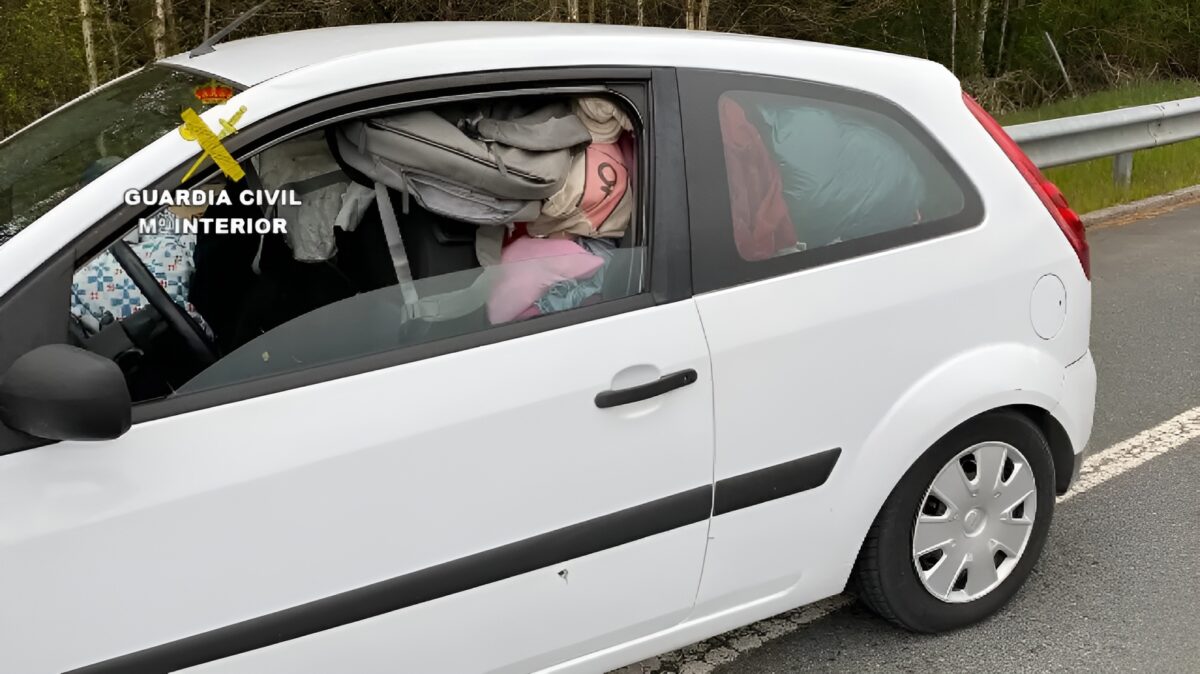
Drivers throughout Spain increasingly encounter traffic officers issuing fines for a routine action many perform without thinking twice. Shopping bags, backpacks or handbags left on seats rather than stowed away properly draw the attention of the Guardia Civil in Spain with fines reaching €200 each time and more.
Spanish traffic regulations classify this behaviour as a “serious offence” since loose items compromise safety in multiple ways by limiting freedom of movement and reducing overall visibility for those at the wheel.
Why loose objects are hazards behind the wheel
Items placed freely inside vehicles reduce driver mobility and block essential views while splitting focus from the task of driving safely during every journey. Typically spotted items by the Guardia Civil and local police include boxes, houseplants, shopping bags, luggage (especially on family holidays) and unrestrained pets.
Sudden stops or collisions send those objects flying forward in what experts term the ‘elephant effect‘. Speed transforms a modest six-kilogram shopping load into something weighing sixty kilograms upon impact with unfortunate occupants or structures inside the car.
Official advice on load management
DGT advice suggests everyone place bags and parcels in the boot whenever possible to keep everything contained safely. Cabin items require firm fastening via seatbelts or dedicated tie-down systems to prevent movement during normal travel or unexpected events. Nothing should occupy the rear shelf area, not even hats, since that placement risks blocking rear vision or launching projectiles in emergencies and causing further complications. It’s only a straw sun hat? €200 fine.
Other fines for loads placed incorrectly
Similar €200 fines apply when loads protrude from boots without adequate covers or safeguards against shifting or falling onto the road surface unexpectedly, or worse – cars travelling behind. Obscured lights, signals, devices or number plates lead to identical financial penalties under the same regulations because such issues create dangers for all road users nearby.
So, it’s €200. Is it worth the risk? The police officer has gone to the bother of pulling over a vehicle, so they will take advantage while they are there to check all other elements. Tyre tread, state of the mirrors, fog lights, documentation, and so on. Overlooking a small element of road safety in Spain can end up costing a driver a lot more than they ever bargained for.
Drivers who value both road safety and their wallets should keep in mind storage habits before setting off on journeys around Spain to avoid unnecessary and unexpected extra expenses. It seems the DGT budget for technology pays dividends in catching these everyday oversights with impressive efficiency and keeps everyone on their toes to long-standing rules that protect all road users from avoidable risks.
The Killer Rockets get ready to rip up Sala Rockefeller
New app alerts Spain drivers before traffic fines become more expensive
Farewell to a true gentleman, Frankie Valentine


-

 New Developments3 weeks ago
How To Get A Tourist Rental Licence In Andalusia (Spain) – Step-By-Step Guide 2025
-

 Uncategorized3 weeks ago
Max Verstappen Nurburgring LIVE: NLS5 Schedule, start times and free live streams
-

 Competiciones2 weeks ago
E
-
cabin crew4 weeks ago
Spain’s Supreme Court rules EasyJet must reveal cabin crew identities
-
Asia4 weeks ago
Al Menos Cuatro Muertos, Tres De Ellos Niños, En Un Tiroteo En Un Colegio Del Sur De Turquía
-

 Uncategorized4 weeks ago
Lando Norris unleashes F1 2026 criticism after Nurburgring test
-
Costa Blanca South4 weeks ago
Fire forces evacuation of six-storey building in Torrevieja
-

 Carles Puigdemont4 weeks ago
El Supremo Autoriza A Los Mossos A Destruir Las Pruebas Del Referéndum Del 1-O, Pero Ordena Conservar Una Muestra De Cada Una