
eiffel tower
Eiffel Tower chief steps down after female staff removed during Hindu visit

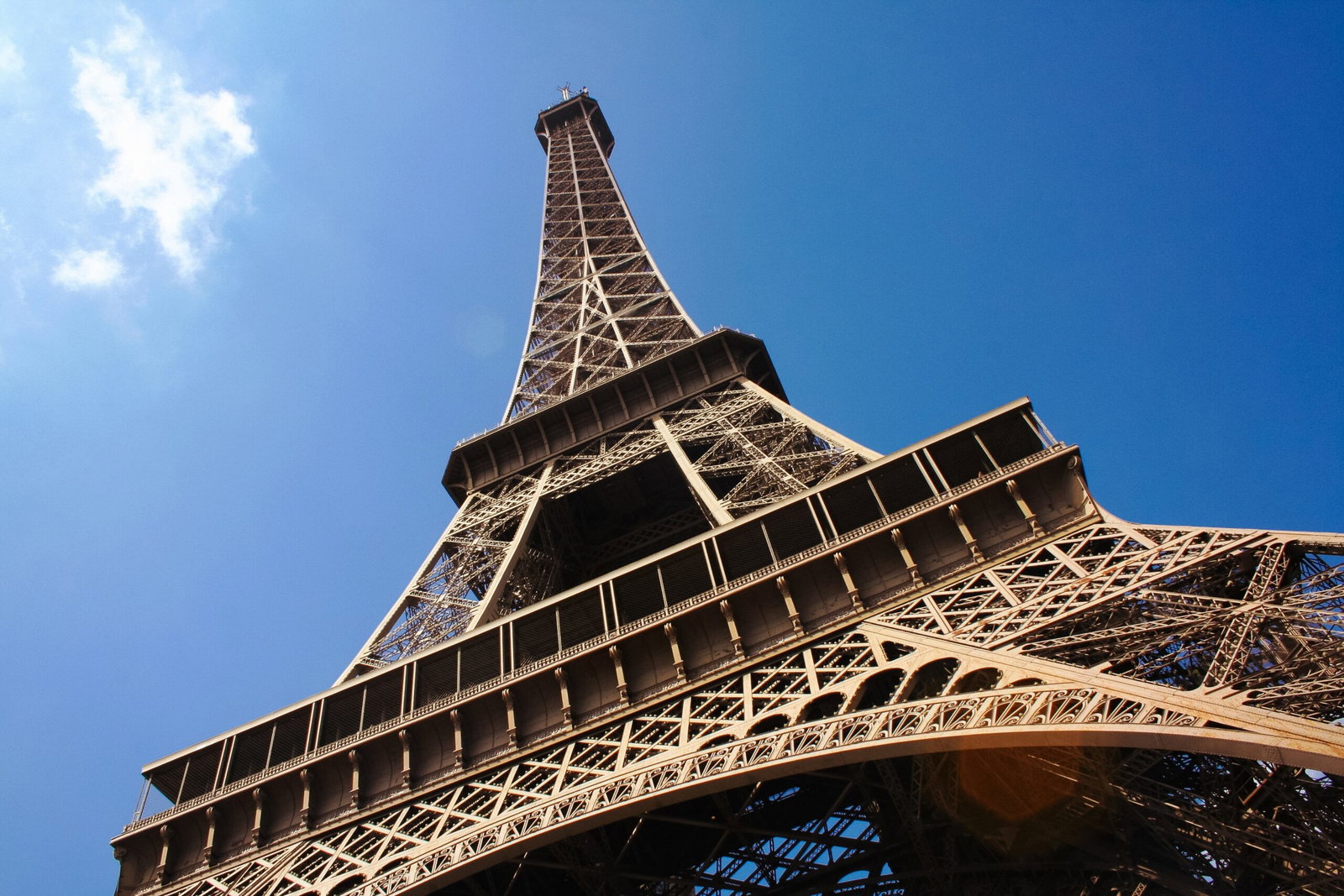
The organisation said its monks’ religious practices had been explained to the management. Photo credit: Tsyb Oleh/shutterstock
If you turned up for work, you would expect to just show up and do your job without having to think about whether you were the right person to be seen in a particular area. You certainly would not expect to be told to move out of sight because a particular group of visitors was arriving.
But that is what female employees say happened during a private visit earlier this month, after they were moved from some of their usual positions and told to avoid certain areas. The fallout has now reached the top of the organisation, with its director general announcing that he will leave his position at the end of the year.
Female staff removed from their positions
The incident took place on September 5, when around 100 people linked to the Bochasanwasi Akshar Purushottam Swaminarayan Sanstha, known as BAPS, visited the Eiffel Tower privately. According to staff representatives, female employees were told to leave their normal workstations as the delegation moved through the tower, with men taking their places in some positions. Other women were instructed not to pass through certain areas while the group was there.
SETE, the company responsible for operating the Eiffel Tower, later acknowledged that arrangements had been made to limit interactions between the delegation and female staff. It said those conditions should never have been accepted. An internal investigation subsequently found failures in the organisation of the visit and described the resulting exclusion of female employees as unacceptable. The dispute was not simply about where employees were positioned during a private event. Staff representatives objected to women being moved or prevented from entering certain areas because of the religious requirements associated with the visiting delegation.
Eiffel Tower closed after staff protest
The dispute quickly moved beyond the workplace. Employees staged a walkout on September 7, forcing the Eiffel Tower to close to visitors for the day. Staff representatives demanded assurances that female employees would not again be removed from their positions or prevented from entering areas of their workplace because of the requirements of a visiting group. The incident also prompted political criticism and further scrutiny of the arrangements made by SETE.
The tower reopened after discussions between employees and management, but the issue continued to develop. Patrick Branco Ruivo, who has served as director general of the Société d’Exploitation de la Tour Eiffel since 2018, has now announced that he will leave his position at the end of 2026. SETE said the decision followed an investigation that identified failures in the organisation of the visit.
Religious group disputes what happened
BAPS has disputed the suggestion that it asked for female employees to be removed or hidden. The organisation said its monks’ religious practices had been explained to Eiffel Tower management in advance and were personal commitments that did not require women to be excluded. It also apologised for any pain or inconvenience caused by the incident. The delegation was visiting France for celebrations connected with the opening of a BAPS Hindu temple near Paris.
Its group included monks who follow religious vows concerning physical contact with women. That distinction matters because the investigation has focused on how the Eiffel Tower’s management responded to the visit. It has not established that BAPS directly ordered female employees to leave their jobs. SETE’s findings instead identified failures in the way the visit was organised which resulted in female staff being excluded.
New rules planned for future visits
SETE chairman Ariel Weil has announced plans for a dedicated protocol department, alongside new measures and training intended to reinforce gender equality. The changes are intended to prevent similar problems during future private or official visits, particularly where visiting groups have specific religious or cultural requirements.
The Eiffel Tower welcomes millions of visitors every year, meaning private delegations and special events are part of its normal operations. The controversy has raised questions about how far an organisation should go to accommodate a visitor’s religious practices when those arrangements affect its own employees.
For the women involved, however, the issue was much more immediate. They arrived at work and found themselves being moved from positions they normally occupied or told to stay away from certain areas because of the people visiting. The incident has since resulted in a staff protest, the temporary closure of one of France’s most recognisable landmarks, an internal investigation and the forthcoming departure of the man who runs the organisation responsible for the Eiffel Tower.


€5.50 full English sparks Benidorm bar row after customer leaves one-star review

La Agencia De Protección Al Consumidor De EE UU Investiga A OpenAI, Anthropic Y Otros Gigantes De La IA
EU unemployment shake-up for foreign workers in Spain as 22-week rule arrives

Detenido Un Hombre Por La Muerte De Una Mujer De 47 Años En El Distrito De Arganzuela De Madrid

F1 Qualifying Today: Azerbaijan Grand Prix schedule, times and TV channel

The Azcatitlan Codex Returns To Mexico From Europe After Nearly Two Centuries


-
 Arganzuela2 weeks ago
Detenido Un Hombre Por La Muerte De Una Mujer De 47 Años En El Distrito De Arganzuela De Madrid
-
 Uncategorized6 days ago
F1 Qualifying Today: Azerbaijan Grand Prix schedule, times and TV channel
-
 Claudia Sheinbaum2 weeks ago
The Azcatitlan Codex Returns To Mexico From Europe After Nearly Two Centuries
-

 basque country2 weeks ago
British Actress Naomi Watts Attacks Ageism In Hollywood As She Picks Up Prestigious Donostia Award At San Sebastian Film Festival
-

 Uncategorized2 weeks ago
Heartbreaking Instagram post reveals death of F1 star
-
Best airlines2 weeks ago
Spanish airline Vueling named Europe’s best low-cost carrier for 2026
-

 %2 weeks ago
Mallorca Property Overrun By Wild Goats
-
2026 wildfires2 weeks ago
Spain’s wildfire toll revealed as almost 300,000 hectares go up in flames