
Costa Blanca North
El Verger examines holiday homes – what does tourism mean for local residents?

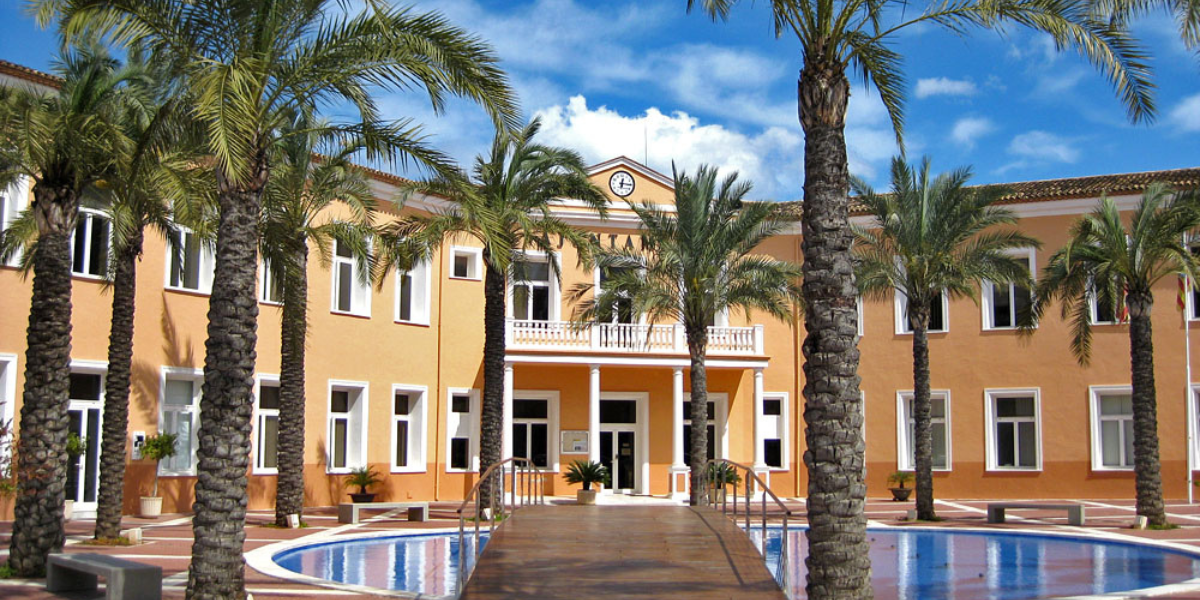
As holiday rentals fuel debate across Spain over tourism and housing for local people, one Costa Blanca town is launching a new study to find out how the sector is affecting its community and what it could mean for the future.
El Verger has commissioned a specialist study to examine the spread of tourist accommodation across the municipality and assess its potential effects on residents, urban development and the local tourism industry.
The project will gather evidence about where holiday homes are concentrated and how their presence could be influencing the town, with residents being invited to contribute their own experiences and opinions.
The findings are expected to help the council make more informed decisions about how tourist accommodation should be managed in the future.
Residents invited to take part in survey
The town hall has appointed Geoinnova SL to carry out the technical and territorial analysis, combining several sources of information to build a clearer picture of the situation.
The work will include examining statistical data, land use and urban planning information, alongside mapping the distribution of tourist properties throughout El Verger.
A public survey will form another important part of the research, allowing people who live in the municipality to share their views on the presence and growth of holiday rentals.
According to the council, the responses will provide an additional source of evidence to help assess the impact of the sector locally.
The survey link is scheduled to appear on the official El Verger town hall website from October 19.
Further opportunities for residents to participate in public consultation sessions will also be announced through the municipality’s official communication channels. The council has not yet published the dates or locations for these meetings.
Study could shape future tourism decisions
Rather than focusing solely on the number of holiday homes, the investigation will look at their geographical distribution and consider how the activity interacts with the wider territory and resident population.
Creating specific maps will help identify areas where tourist accommodation is most prevalent, providing the council with a more detailed understanding of the pattern across the municipality.
The research comes amid wider debate in Spain about how to balance the economic benefits of tourism with the needs of permanent residents and the long-term development of local communities.
Holiday rentals can provide income for property owners and accommodation for visitors, but their expansion has also made the management of tourist housing an increasingly important issue for local authorities.
El Verger’s study is intended to establish a reliable assessment of the municipality’s own circumstances, rather than assume that the same approach will work everywhere.
Once the information has been gathered, the aim is to give the council a stronger evidence base for defining appropriate criteria for managing tourist properties.
The town hall says the process will take into account El Verger’s particular characteristics and needs.
No new restrictions or specific regulatory changes have been announced as part of the initial study. The immediate priority is to understand the current situation and gather information that can guide future decisions.
Residents can follow developments, access the survey when it becomes available and find details of upcoming participation sessions through the municipality’s official website.




Costa Blanca North
Residents reassured that Marina Baja water supply secured after major transformer fire
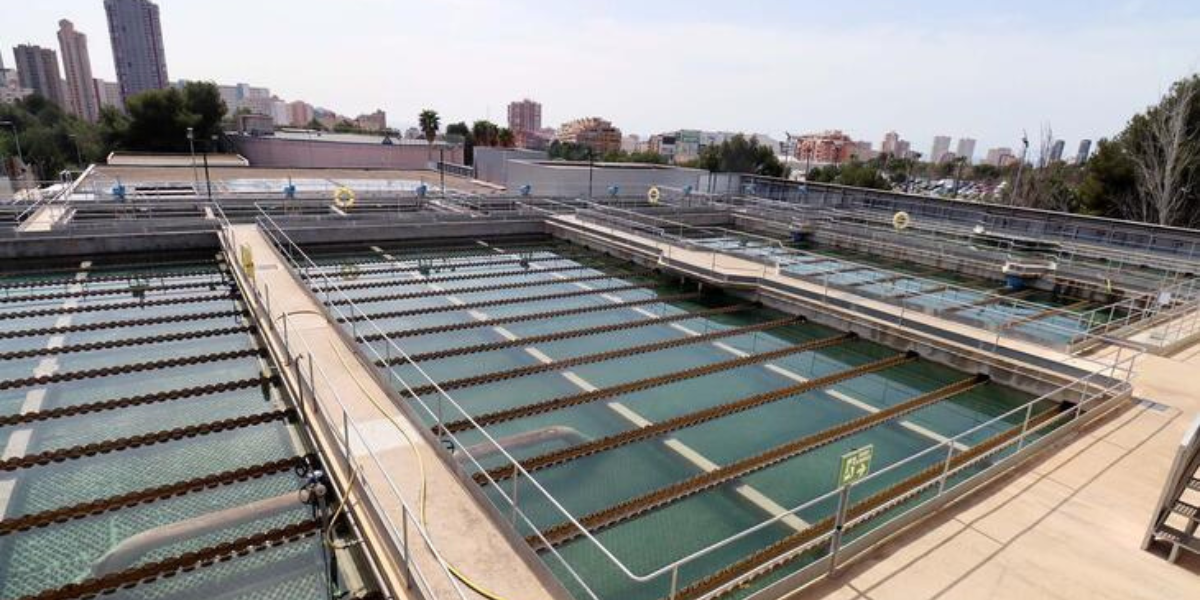
Residents across Spain’s Costa Blanca have been reassured that their drinking water supply is guaranteed after a major fire damaged critical electrical infrastructure serving the Marina Baja, with engineers now working on replacement options.
The incident occurred at around 1.45am on Monday, October 12, at the Algar electrical substation, where a 10-megawatt transformer caught fire. The blaze also damaged nearby installations, leaving authorities assessing the full extent of the material damage and its potential consequences for the region.
The Marina Baixa Water Consortium has confirmed that supplies remain guaranteed despite the incident, offering reassurance to municipalities and residents who depend on the system for their drinking water.
Five-day shutdown considered for replacement
The consortium is exploring several ways to replace the damaged transformer as quickly as possible, with the fastest option involving the installation of an equivalent unit already held in reserve.
However, replacing the equipment will not be straightforward. Engineers must carry out specialist connection work and replace damaged cables and other affected components before the replacement can be brought into operation.
The consortium estimates that this option would require a minimum shutdown period of five days.
The transformer is a substantial piece of equipment, meaning the replacement process requires specialist work rather than a simple swap.
Officials are working to minimise the time needed to restore the damaged infrastructure while maintaining reassurance over the region’s water supply.
Longer repair option also underway
A second option involves repairing or replacing the existing transformer, although this route is expected to take considerably longer.
The consortium estimates that resolving the situation through this alternative would require at least two months. Work on this option is already progressing in parallel, allowing the organisation to pursue different solutions while assessing the best way forward.
The damage is considered significant, and its wider implications for the Marina Baja are still being evaluated.
Residents receive reassurance
Despite the scale of the incident, no personal injuries have been reported.
The consortium has stressed that drinking water supplies to the municipalities connected to the system remain guaranteed, seeking to prevent unnecessary concern among residents following the overnight fire.
The immediate priority is to determine the most effective way to replace the damaged equipment and restore the electrical infrastructure as quickly as possible.
Further work will depend on the technical requirements of the replacement and the extent of the damage identified during inspections.
Costa Blanca North
Pedreguer brings five European countries together to tackle barriers in women’s basketball
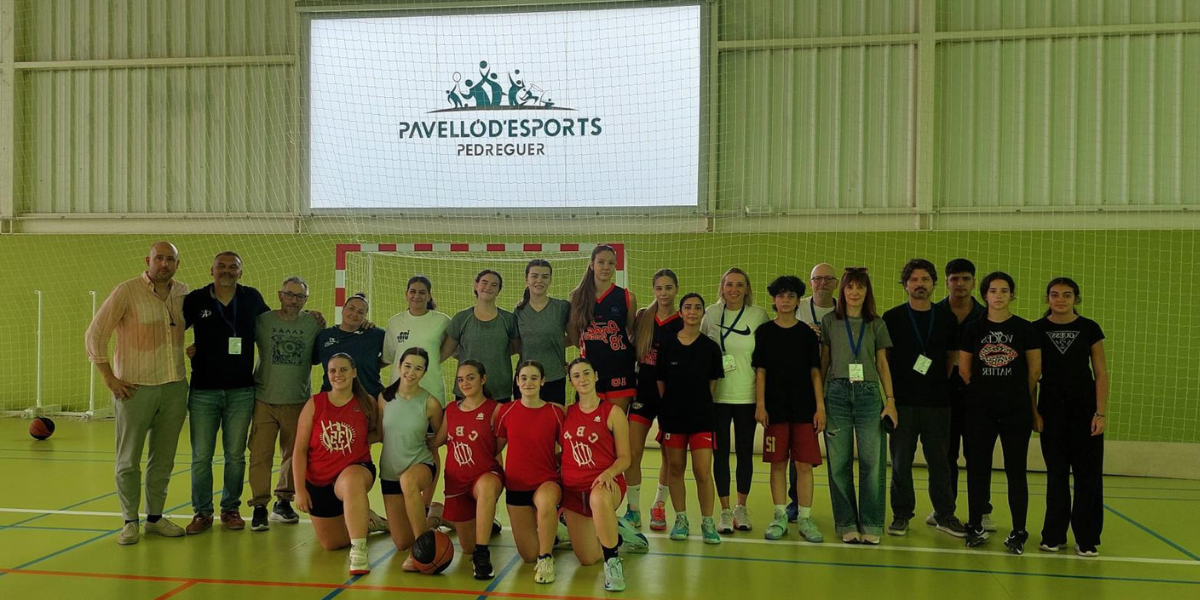
A bid to tackle inequality in sport and stop teenage girls from giving up the game
Credit: AjuntamentdePedreguer
A small town in Spain has brought together female basketball players and sports organisations from five European countries in a bid to tackle inequality in sport and stop teenage girls from giving up the game.
Pedreguer hosted an international meeting from September 28 to 30, bringing together representatives from Spain, Croatia, Cyprus, Portugal and Turkey.
The gathering focused on finding ways to ensure girls have equal opportunities to play, train and take on leadership roles in basketball, as part of a European initiative coordinated by Pedreguer Town Hall.
Tackling the age when girls quit sport
The meeting centred on the EQUAL project, known as Equal Play: Breaking the Basketball Glass Ceiling, which aims to challenge gender inequality and encourage more girls to remain involved in sport as they grow older.
A key part of the initiative is addressing the drop-off in female participation during adolescence, when some girls stop playing sports altogether.
During a seminar at Pedreguer’s Casa de Cultura, participants presented a training programme developed through workshops involving girls aged 14 to 16, coaches and sports organisations across the five partner countries.
The aim is to provide practical methods that clubs and trainers can use to make basketball more inclusive and encourage young female players to continue developing their skills.
The project is funded through the European Union’s Erasmus+ Sport programme.
Pedreguer shares its basketball experience
As the coordinating town, Pedreguer used the event to showcase its own approach to developing women’s basketball.
Municipal sports officer Jordi Pons outlined the history of basketball in the town and how the participation of women and girls has evolved over the years.
Anabel Ahuir, coordinator of the Municipal Basketball School, also explained how the programme operates, including its organisation, training groups and coaching methods.
The presentations allowed visiting delegations to exchange experiences and explore how successful approaches could be adapted in their own communities.
The event was held alongside the iCARE project and coincided with European Week of Sport, the annual campaign promoting physical activity across the continent.
International players take to the court
The three-day programme combined discussions and training with opportunities for participants to experience local culture.
Delegates were welcomed at Plaça dels Pòrxens with traditional dancing and local refreshments before taking part in a guided tour of Pedreguer and watching a demonstration of pilota valenciana, a traditional ball game played in the Valencian Community.
The focus then returned to basketball at the municipal sports pavilion, where players received a motivational talk before joining local basketball school students on court.
Players from Croatia, Portugal and Turkey had the opportunity to play alongside their Spanish counterparts, putting the project’s message of inclusion and international cooperation into practice.
The meeting marked the latest stage of a European partnership involving sports and community organisations from all five countries.
By sharing coaching methods, experiences and opportunities to play together, the project aims to help create a future in which girls can continue playing basketball and progress in sport without gender-based barriers.
For Pedreguer, the gathering also highlighted how a local basketball programme can contribute to a wider European effort to promote equality through sport.
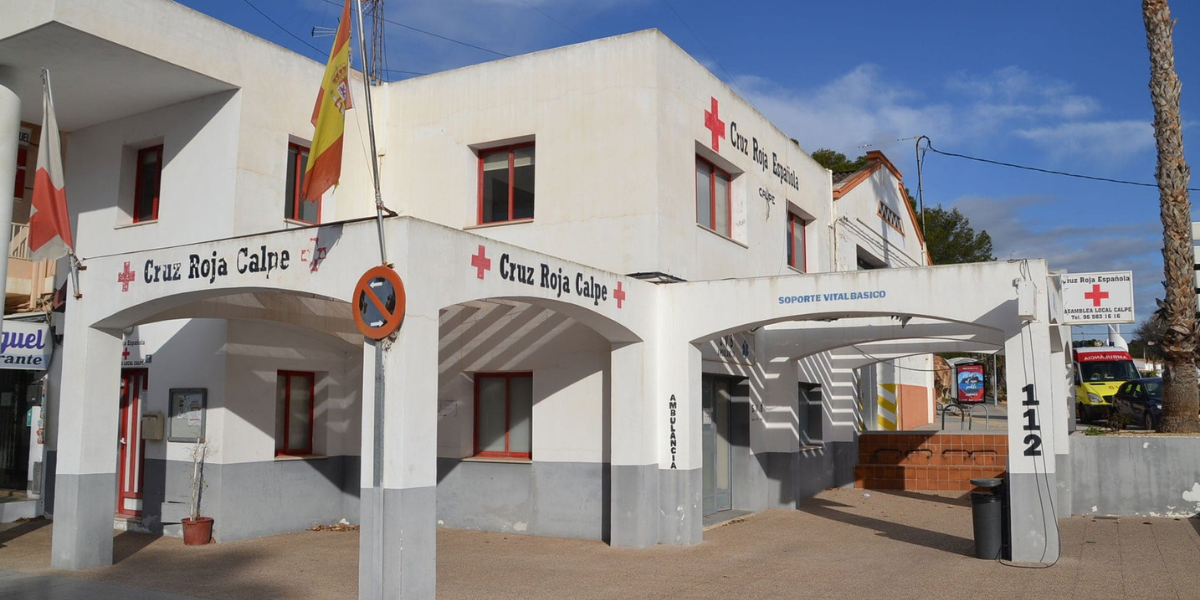
Calpe is offering people living with serious mental health difficulties practical tools to manage stress, improve emotional wellbeing and build greater independence through a new series of therapeutic workshops running until December.
The town council has launched the programme through its municipal Service for the Care and Monitoring of People with Serious Mental Health Problems (SASEM). The initiative is designed to help participants cope with everyday challenges that can trigger stress and potentially worsen existing mental health conditions.
The sessions begin on Wednesday, October 14, and will run until December 16, with activities taking place at the Spanish Red Cross premises in Calpe.
Freeing people from the pressure of everyday stress
The programme, called Control of Stress, aims to equip participants with personal skills they can use to respond more effectively to difficult situations in their daily lives.
Rather than focusing on a single technique, the workshops will explore several aspects of stress management, giving participants a range of approaches to help them recognise and respond to emotional pressure.
The sessions will be led by the psychologist working with Calpe council’s SASEM service and hosted at the Red Cross facilities at Calle María Jorro, number 1.
Five modules covering practical techniques
The programme consists of ten sessions divided into five modules, each addressing a different aspect of stress management.
The first session will introduce the concept of stress, helping participants understand what it is and how it can affect their lives.
Two further sessions will focus on deactivation techniques, intended to help people reduce tension and manage their responses to stressful situations.
The largest section of the programme will consist of four sessions dedicated to cognitive techniques. These will be followed by two sessions exploring assertiveness, which can help people communicate their needs and respond to challenging interactions.
The final session will concentrate on time management, offering another practical approach to reducing the pressures associated with everyday responsibilities.
Together, the five modules are intended to strengthen participants’ personal resources while supporting their autonomy and social inclusion.
When and where will the workshops take place?
All ten sessions are scheduled for Wednesdays between October 14 and December 16, running from 10.30am to 11.30am.
The workshops will be held at the Red Cross premises on Calle María Jorro, number 1, in Calpe.
The programme forms part of the town council’s wider support for people experiencing serious mental health difficulties, combining therapeutic guidance with practical skills that can be applied outside the sessions.
By focusing on stress management, cognitive strategies, assertiveness and time organisation, the initiative aims to help participants navigate everyday challenges with greater confidence and support their emotional wellbeing.
One Spanish airport has beaten the world’s biggest hubs to take first place
Gibraltar to introduce a parking fee that depends on your number plate
Hundreds evacuated as huge fire erupts on Spain high-speed train route


-

 Uncategorized2 weeks ago
F1 Bahrain Grand Prix will be live and FREE on TV this weekend
-
Latest1 week ago
Spain’s Government Dealt Huge Blow As MPs Reject Housing Crisis Laws
-
Latest2 weeks ago
Why You Can’t Donate Blood In Spain If You Don’t Speak Spanish
-

 Foreign demand2 weeks ago
Market Snapshot: German Market In Q2 2026
-
British tourists arrested in Magaluf1 week ago
British tourists arrested after taxi driver left bloodied in Magaluf
-

 Housing access / crisis / affordability1 week ago
Radical Housing Decrees Defeated As Snap Election Talk Grows
-

 Uncategorized2 weeks ago
Lewis Hamilton F1 wish could come true as stunning plans for new track revealed
-
Blackout preparedness2 weeks ago
Brussels takes action against Spain over failure to update blackout plan