
Costa Blanca South
Elche Arab Baths restoration moves ahead as Central Market redevelopment continues

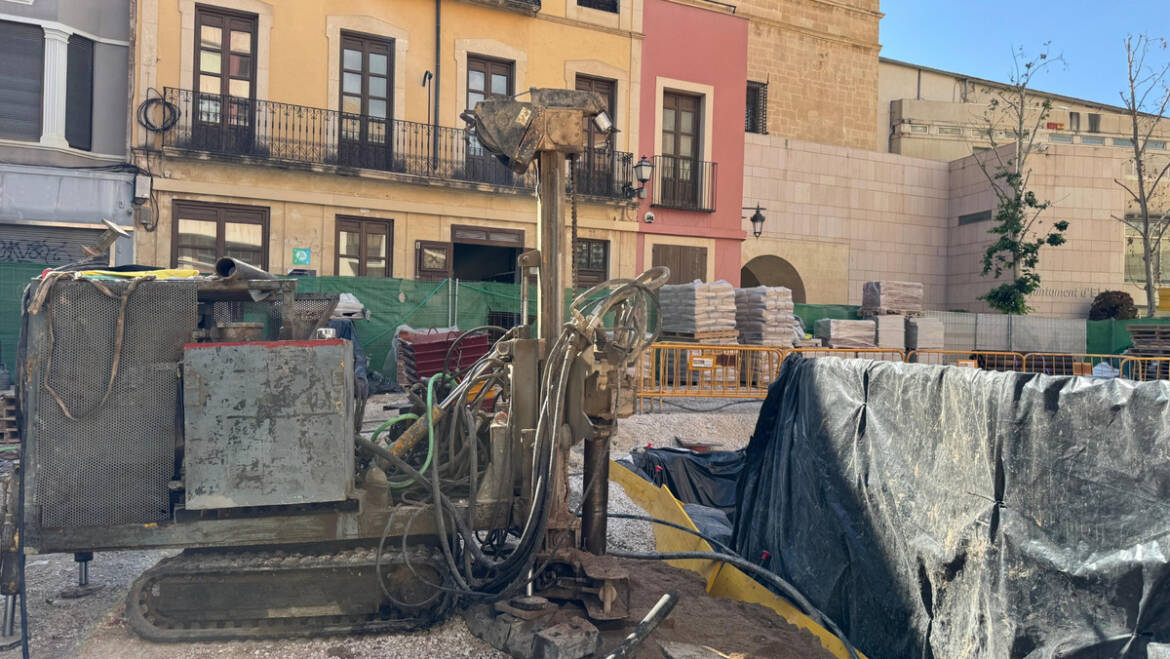
Elche continues with restoration work of the Arab Baths. Credit: Ayuntamiento de Elche.
Elche is moving forward with plans to protect and showcase the historic Arab Baths at Plaza Menendez Pelayo, with construction reaching an important new stage. Specialist foundation work is now beginning around the archaeological remains, while progress is also being made on the neighbouring Central Market redevelopment, where new roof panels are being installed.
Foundation work begins around Arab Baths
Elche is moving ahead with the restoration and future museum development of the Arab Baths at Plaza Menendez Pelayo, as work continues on the wider Central Market redevelopment.
Construction has now reached the foundation stage for the structure that will eventually protect and display the archaeological remains.
Over the next three weeks, machinery will carry out excavations before installing micropiles measuring 200 millimetres in diameter. These will extend between nine and 11 metres underground until reaching stable ground identified by geological studies.
Micropiles will protect archaeological remains
The method has been chosen because it allows foundations to be created with minimal impact on the archaeological remains.
Once this stage is completed, work will move on to constructing the walls and installing the roof.
The finished building will recreate architectural features associated with historic Arab baths. The hot, warm and cold rooms will have vaulted ceilings designed to resemble those of the original period, while other areas will feature flat roofs with a central skylight.
Historic baths will become museum space
The project follows archaeological work carried out during recent months and will eventually allow the remains to become part of a museum space incorporated into the Central Market redevelopment.
The new structure is intended to protect the archaeological remains while allowing them to be displayed as part of the wider development of the area.
Central Market redevelopment also moves forward
Work is also progressing on the market building itself, where installation of glass panels on the roof has begun as the renovation continues.
The work on both the market and Arab Baths will eventually bring the archaeological remains into the redeveloped Central Market area, combining the restoration of an important part of Elche’s history with the wider transformation of the site.






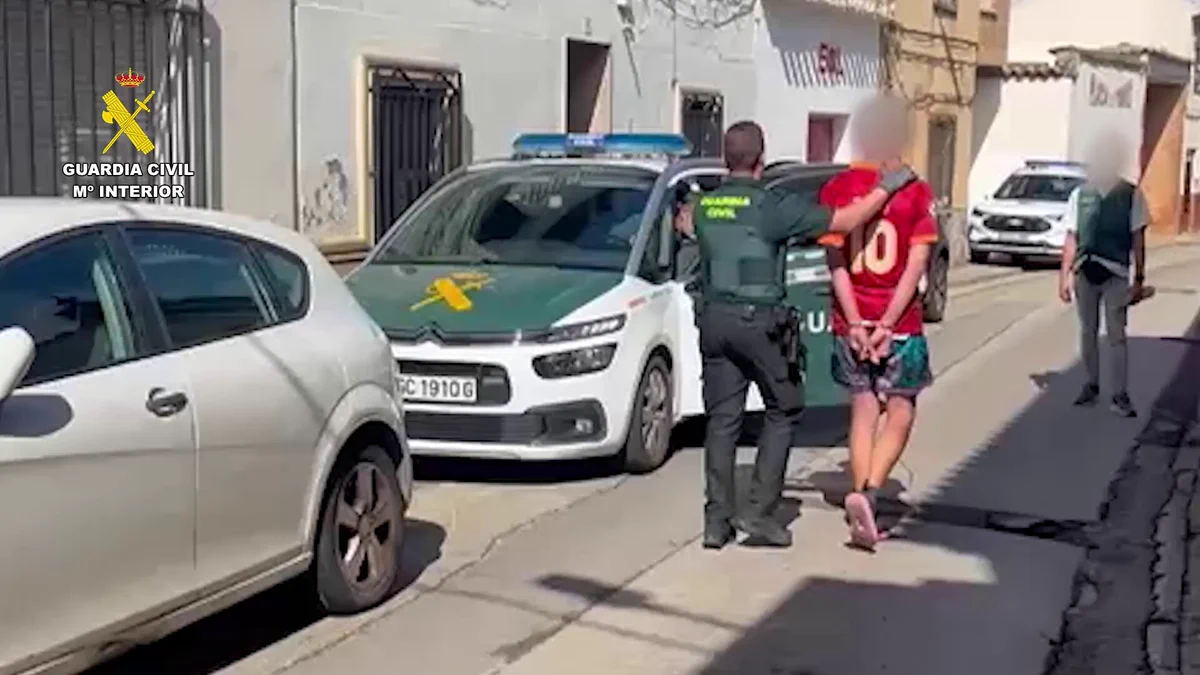
Three arrested after rental fraud leaves vulnerable families homeless in Torrevieja.
Photo Credit: Guardia Civil
The Guardia Civil has arrested a woman and her two children for scamming dozens of people looking for accommodation in a major Costa Blanca town. The woman, 53, and her two children, a 24-year-old woman and a 25-year-old man, tricked their victims, many of whom were low-income, into paying either a security deposit or first month’s rent on a property in Torrevieja, Alicante, after which they never heard back from them again.
Victims ‘ghosted’ after viewing a property and paying the first months’ rent
The investigation began after Guardia Civil officers detected an increase in property fraud reports, all following an identical pattern. All the victims of the scam had made contact with the woman via social media. The woman was offering a property to rent in Torrevieja, and after showing them around the home, she would collect an upfront payment, either the first month of rent or the security deposit. Once she received the money, she would disappear, ceasing all communication with the victims.
According to investigators, the woman would introduce herself to the ‘tenants’ using a stolen identity card from a woman who looked like her. During a search of the suspects’ residence, investigators found a large number of forged documents.
Many of the victims were left devastated by the scam, as a large portion of them were low-income families who were stripped of their savings and left homeless.
Three suspects face charges of fraud, identity theft, and more
The three detainees have been brought before the courts and face eight charges relating to fraud, identity theft, document forgery, and membership of a criminal organisation.
“Do not trust advance payments without a signed contract,” stated the Guardia Civil in a post on X about the arrests.
How to protect yourself against rental scams in Spain
With rental fraud continuing to pose a risk to people searching for affordable accommodation, anyone looking for a property should take careful steps to verify that the listing is genuine before transferring any money to the landlord. This includes viewing the property in person, checking that the person offering it has the right to rent it out, and asking to see identification and documentation proving their connection to the property.
Tenants should also be wary of landlords who apply pressure to secure a deposit quickly, offer unusually cheap rents or insist on receiving money before allowing a viewing. Scammers may use stolen photographs, copied property listings or fake identity documents to make fraudulent offers appear legitimate.
Where possible, payments should be made through traceable methods, with receipts kept for all transactions. Tenants should avoid sending money to accounts belonging to unrelated third parties and should ensure that the rental agreement clearly identifies the landlord, the property, the agreed rent and any deposit required.
What to do if you suspect you have been scammed
Anyone who suspects they have been targeted by a rental scam should keep copies of messages, advertisements, contracts, bank transfers and other evidence. They should contact their bank as soon as possible to ask whether the payment can be stopped or recovered, and report the suspected fraud to the Guardia Civil or the Spanish National Police.
Finally, people who have already lost money should report the incident even if they believe there is little chance of recovering it. Their complaint could help investigators identify links between cases and prevent further victims from falling into the same trap.

Santa Pola Museo Del Mar

Max Verstappen wants to take on five-time IndyCar champion:

El Ayuntamiento De Limoges, Devorado Por Las Llamas En La Jornada De Protestas En Francia


-

 Uncategorized3 weeks ago
F1 Bahrain Grand Prix will be live and FREE on TV this weekend
-
EU2 weeks ago
EU nicotine crackdown sparks warning that ex-smokers could be driven back to cigarettes
-
Blackout preparedness2 weeks ago
Brussels takes action against Spain over failure to update blackout plan
-

 Uncategorized2 weeks ago
Lewis Hamilton F1 wish could come true as stunning plans for new track revealed
-
 Foreign demand3 weeks ago
Market Snapshot: German Market In Q2 2026
-

 New Developments3 weeks ago
How To Get A Tourist Rental Licence In Andalusia (Spain) – Step-By-Step Guide 2025
-
 Housing access / crisis / affordability2 weeks ago
Radical Housing Decrees Defeated As Snap Election Talk Grows
-
Latest1 week ago
The Changes To Spain’s IRNR Non-Resident Property Tax In 2027