
cybersecurity
Japan banking crisis hits 128 banks. Could Europe be next?

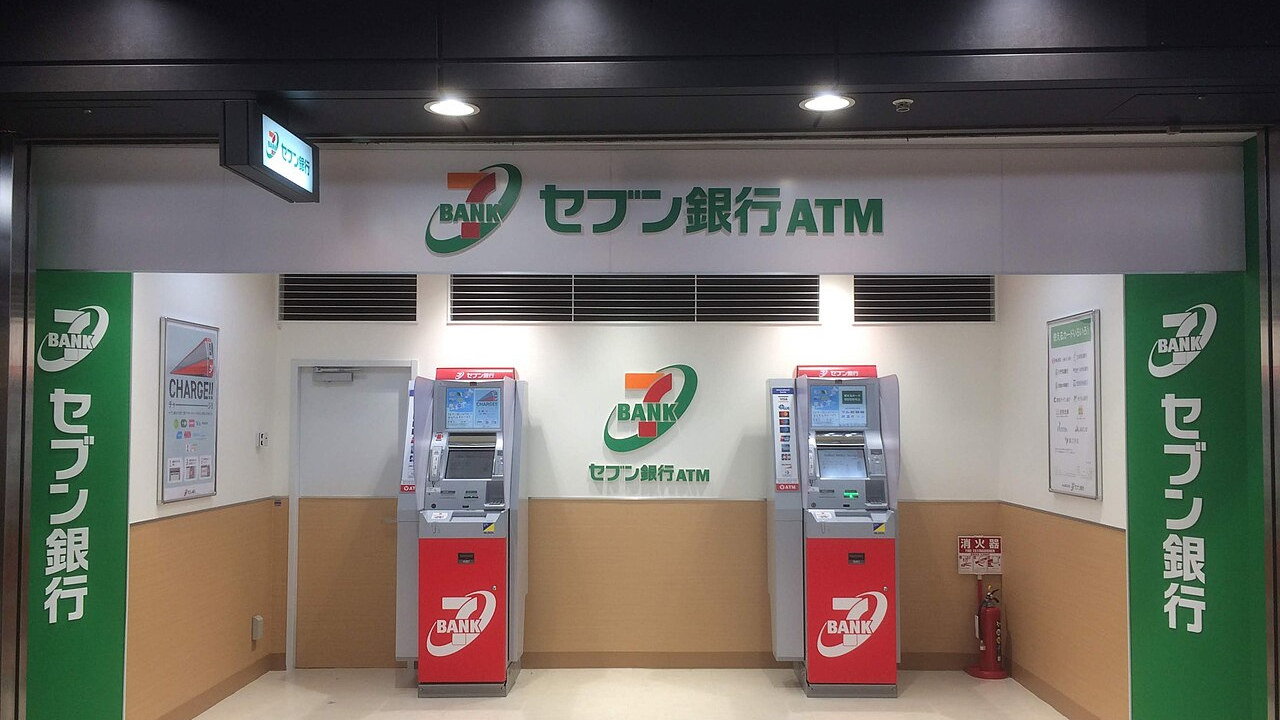
Cash machines at a Seven Bank ATM location in Osaka, Japan. A technical failure disrupted services at 128 Japanese banks on November 6. Photo: Rebirth10 / Wikimedia Commons / CC BY SA 4.0.
Customers across Japan were left struggling to access their money on Friday, November 6, after a major system failure disrupted 128 banks. The breakdown came just as a separate cyberattack put the personal details of more than 320,000 people at risk, leaving Japan’s financial sector facing two very different problems in the same week. With banks across Europe relying heavily on digital technology, the incidents raise an uncomfortable question for customers in Spain and Britain: could it happen here?
Hackers gain access to personal details of 320,000 bank customers
The scale of the cyberattack is worrying, but the type of information involved makes it particularly serious. Japan’s SMBC Consumer Finance confirmed on November 5 that hackers had accessed its loan guarantee system, potentially exposing the details of 320,118 customers across 15 financial institutions. Names, home addresses, telephone numbers, driving licence details, employment records and annual salaries may have been compromised, giving fraudsters information they could exploit for identity theft or convincing financial scams. One affected institution, Docomo SMTB Net Bank, said up to 122,635 of its customers were involved, although no further financial harm had been confirmed at the time. The breach comes as Japan confronts a wider wave of cyber threats, with the government announcing a €55 million security package to strengthen national defences, as reported by Associated Press.
128 Japanese banks hit by major system failure
Friday’s banking disruption was a separate problem, but one that exposed another weakness in the financial system. An equipment malfunction at a shared network centre affected 128 Shinkin banks, which serve local communities and smaller businesses across Japan. The failure began around 1.30pm, interrupting cash withdrawals, transfers and branch transactions before services were restored shortly after 7pm. Authorities confirmed that it was not a cyberattack, and there is no evidence linking the breakdown to the SMBC breach. Nevertheless, the incident demonstrated how problems in shared technology can quickly spread across numerous banks.
Could Europe’s banks face the same disruption?
Japan’s experience has particular relevance for customers in Spain and Britain, where banking increasingly depends on digital networks and outside technology providers. A major failure affecting one of these systems could disrupt everyday transactions across multiple institutions, even without hackers being involved. The European Central Bank’s work on cyber resilience reflects growing recognition that protecting banking infrastructure is as important as safeguarding the money and personal information it handles.
The developments also come amid wider concerns about threats to essential infrastructure in Europe, explored in Euro Weekly News’ investigation into hybrid warfare and cyberattacks. There is no evidence connecting Japan’s banking problems to those European incidents, but the events offer a reminder of how vulnerable everyday services can become when the technology supporting them fails. For millions of people who rarely carry cash and rely on their bank accounts for almost everything, even a few hours without access to their money could cause serious disruption.






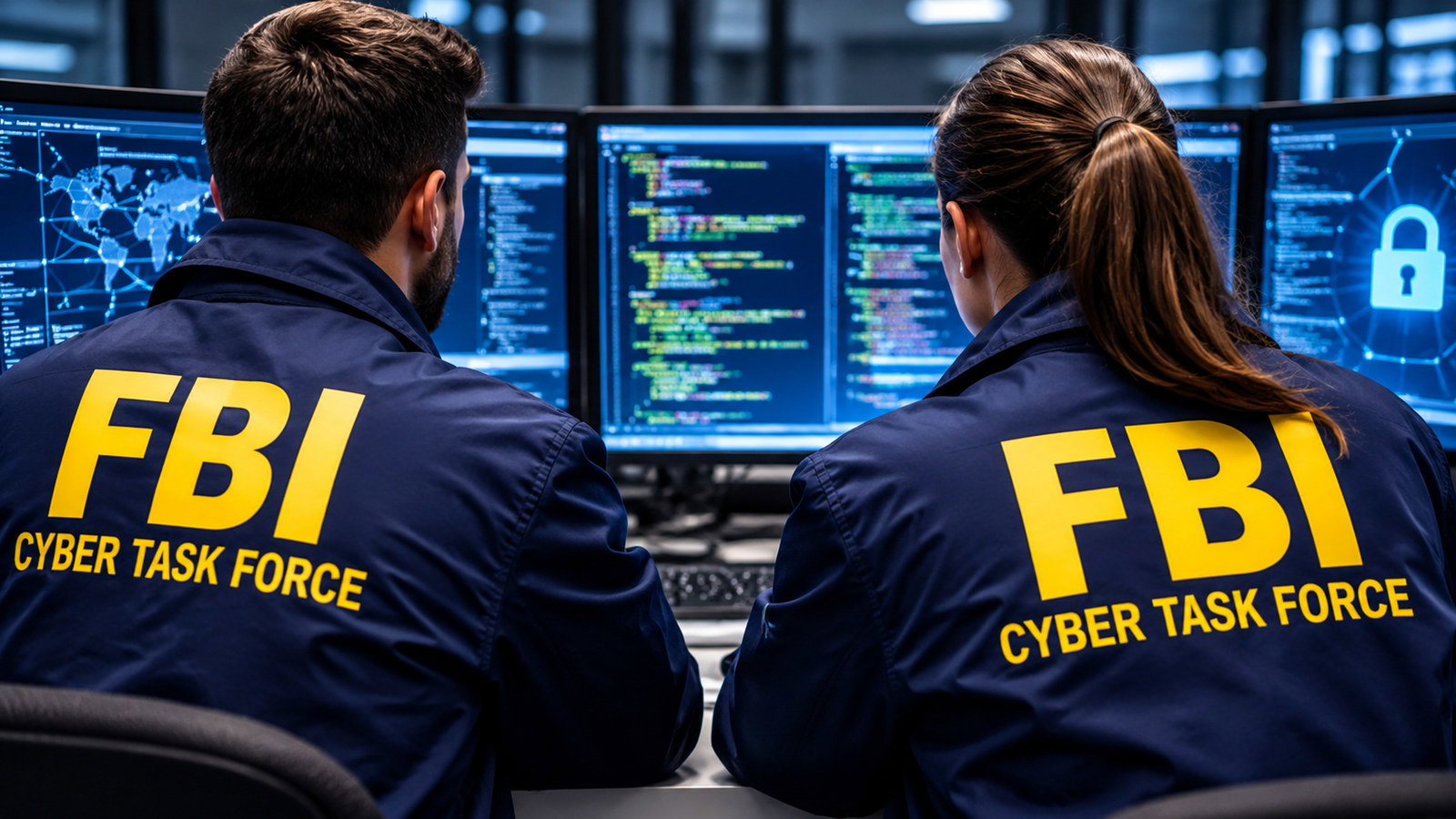
FBI cyber investigators as the agency warns of threats to essential services across Europe. Credit: AI generated illustration.
American investigators warn of growing cyber threats to essential services as bomb alerts reach British broadcasters and Spain’s Foreign Minister raises concerns about psychological warfare across Europe.
Passengers have faced flight diversions, television staff have been evacuated and businesses across Europe are being warned that hackers could interfere with equipment protecting food and medical supplies. Now the FBI has issued an international cybersecurity warning, while Spain’s Foreign Minister, José Manuel Albares, has suggested that the wave of disruption could be part of a wider campaign of hybrid aggression and psychological warfare. With Britain’s Sky among the broadcasters receiving threats on Friday, November 6, the concerns extend well beyond airports and computer networks.
FBI warns hackers could disrupt essential services
In an official warning issued on November 5, FBI Cyber Division chief Brett Leatherman urged businesses to strengthen security around industrial refrigeration and temperature monitoring systems used to protect food, medicine and other essential supplies. Investigators highlighted outdated equipment, exposed internet connections and unchanged factory passwords as weaknesses that could allow attackers to manipulate temperatures remotely, potentially destroying valuable stock and disrupting vital services.
The warning follows attacks already affecting European businesses and medical facilities, including the incident involving three French blood service sites previously covered in Euro Weekly News’ investigation into the blood bank cyberattack. Rather than focusing on that incident again, the FBI’s latest message is about prevention, urging organisations to restrict remote access, update vulnerable equipment and ensure temperature alarms can alert staff before serious damage occurs.
Bomb threats spread to British and European broadcasters
The cybersecurity warning comes as European authorities investigate a separate wave of bomb threats that has disrupted passenger flights and reached television stations. On Friday, Ireland’s RTÉ, Britain’s Sky and Bulgaria’s Nova TV received threats, prompting evacuations and security investigations. According to Reuters, RTÉ temporarily suspended normal programming, while the alerts followed several days of aviation disruption involving flight diversions and emergency security checks. No explosives were discovered in the reported incidents, and investigators have not established who was responsible.
Spain’s Foreign Minister raises fears of psychological warfare
Spain’s Foreign Minister José Manuel Albares has raised the possibility that the bomb threats are part of something more deliberate. Speaking to Spanish broadcaster RTVE on November 6, he described the aviation alerts as a possible form of hybrid aggression and psychological warfare, suggesting that spreading fear and disrupting everyday life could be among the objectives. His remarks, reported by Reuters, come as European authorities investigate whether the incidents share a common origin.
The developments add urgency to concerns previously examined in Euro Weekly News’ report on hybrid warfare and security threats across Europe. However, the FBI has not established any connection between the refrigeration attacks and the bomb alerts, and investigators have not identified a government or organisation responsible for the wider incidents.
For people living in Britain, Spain and elsewhere in Europe, the immediate concern is how quickly everyday services can be disrupted, whether through hackers exploiting vulnerable technology or security threats that force authorities to take precautionary action. The FBI’s warning is a reminder that protecting essential infrastructure is no longer just a concern for governments and major corporations, but also for the businesses and services millions of people depend on every day.

El Presidente De Paraguay, Santiago Peña, Destituido Y Detenido Por Presunta Corrupción
Meghan Markle’s estranged father arrested after child abuse material investigation

Meghan Markle’s Estranged Father Arrested After Child Abuse Material Investigation


-
DGT3 weeks ago
Viral video in Spain sparks fury over drivers who ‘have no idea how to drive’
-

 Arabia Saudí4 weeks ago
Un Ataque De Los Hutíes Contra El Aeropuerto De Riad Causa Al Menos 12 Muertos Y Más De 300 Heridos
-

 America4 weeks ago
Un Tirador Mata A Ocho Personas En Una Vivienda En Pensilvania
-

 Uncategorized4 weeks ago
Williams F1 driver caught up in four-car pit lane pileup
-
Automated supermarket3 weeks ago
Spain’s 24-hour shop with no tills expands to Barcelona Airport
-

 %4 weeks ago
Concrete Balcony Slabs Collapse Onto Marbella Street
-
News from Spain4 weeks ago
Spain police warn parents over WhatsApp scam that uses their children’s real accounts
-
News4 weeks ago
Hundreds evacuated as huge fire erupts on Spain high-speed train route