
Donald Trump
Joseph Stiglitz, Nobel Prize Winner In Economics: ‘The Ideology Of Billionaires Currently Has A Mind-Boggling Degree Of Selfishness’


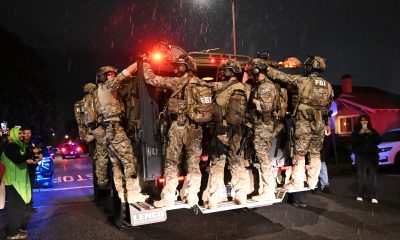

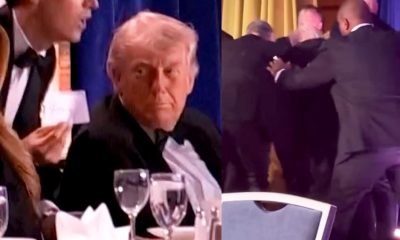

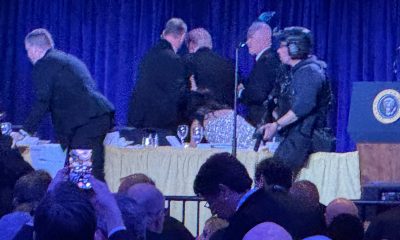

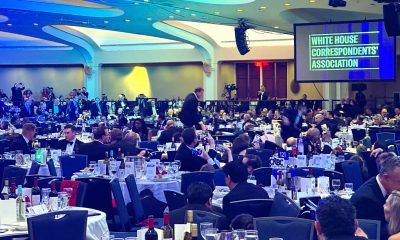

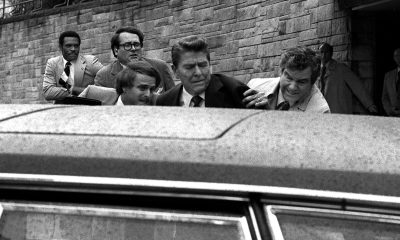

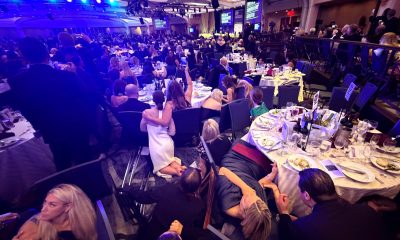

Atentados con pistola
Última Hora Del Intento De Atentado Contra Trump, En Directo | Trump Afirma Que El Autor Del Tiroteo En Washington Actuó Movido Por El “odio” A Los Cristianos


El País
Extracto del manifiesto escrito por el atacante: “Poner la otra mejilla cuando es otro quien sufre la opresión no es un comportamiento cristiano”
El autor del tiroteo, Cole Allen, había dejado escrito un manifiesto “muy crítico con Trump”, según The New York Post, que mandó a su familia antes de abrir fuego.
En el texto, siempre según el Post, Allen escribió: “Poner la otra mejilla es algo que se hace cuando es uno mismo quien sufre la opresión”. A continuación, el supuesto manifiesto enumera ejemplos recientes de las consecuencias de las decisiones de la Administración de Trump. “Yo no soy la persona violada en un centro de detención. No soy el pescador ejecutado sin juicio previo. No soy el escolar que muere en una explosión, ni el niño que muere de hambre, ni la adolescente abusada por los numerosos criminales que integran esta administración. Poner la otra mejilla cuando es otro quien sufre la opresión no es un comportamiento cristiano; es complicidad en los crímenes del opresor”, publica el medio estadounidense.
El País
Trump afirma que el autor del tiroteo en Washington actuó movido por el “odio” a los cristianos
El presidente de Estados Unidos, Donald Trump, ha afirmado que el sospechoso del tiroteo ocurrido anoche en la cena de corresponsales de la Casa Blanca actuó movido por un “odio” profundo hacia los cristianos, basándose en un manifiesto y en información recabada por las autoridades tras el incidente.
En una entrevista telefónica con la cadena Fox News, Trump ha descrito al atacante como un “tipo muy problemático” cuyos motivos, según el mandatario, tenían un trasfondo religioso radical. “Cuando lees su manifiesto, odia a los cristianos. Eso es seguro. Es un odio fuerte, anticristiano”, ha señalado el presidente, quien fue evacuado por el Servicio Secreto el sábado por la noche tras escucharse disparos en el hotel Washington Hilton, fuera de la sala donde se celebraba la cena. (Efe)
El País
Trump dice que el sospechoso del tiroteo no se acercó al salón donde se celebraba la cena
El presidente de Estados Unidos, Donald Trump, ha afirmado en una entrevista en Fox News que el presunto autor del tiroteo en la cena de corresponsales de la Casa Blanca fue detenido por las fuerzas de seguridad y no llegó a acercarse al salón de baile donde se celebraba el evento.
El republicano afirma que resultó difícil asegurar el lugar tras el tiroteo y ha insistido en la necesidad de que haya un salón de baile dentro de la Casa Blanca. (Reuters)
El País
La portavoz de la Casa Blanca, sobre el tiroteo: “Esta violencia política debe terminar”
La portavoz de la Casa Blanca, Karoline Leavitt, se ha pronunciado en su cuenta de X sobre el intento de atentado contra Donald Trump y ha afirmado: “Lo que debía ser una noche divertida en la cena de la Asociación de Corresponsales de la Casa Blanca (…) fue truncado por un individuo perturbado y depravado que intentó asesinar al presidente y matar al mayor número posible de altos cargos de su administración”.
Leavitt ha relatado que estuvo con Trump y Melania entre bastidores cuando fueron “puestos a salvo por el Servicio Secreto”. “El presidente se mostró realmente valiente, pero como dijo anoche, esta violencia política debe terminar”, ha escrito Leavitt, antes de agradecer el trabajo de las fuerzas del orden.
Naiara Galarraga Gortázar
Lula se solidariza con Trump y critica la violencia política
El presidente Lula de Brasil se ha solidarizado con el presidente Donald Trump, la primera dama, Melania y los presentes en la cena. “Brasil condena enérgicamente el ataque de anoche. La violencia política es una afrenta a los valores democráticos que todos debemos proteger”, ha enfatizado el mandatario en un mensaje difundido por redes sociales.
El País
Las desafortunadas declaraciones de la portavoz de la Casa Blanca antes de la cena: “Esta noche habrá disparos”, refiriéndose a que habría un discurso potente de Trump
La portavoz de la Casa Blanca, Karoline Leavitt, realizó unas declaraciones desafortunadas antes de la cena de gala en la que un tiroteo obligó a desalojar al presidente estadounidense, Donald Trump. En una entrevista con la prensa, Leavitt anticipó que el republicano daría un discurso “típico de Donald Trump, gracioso y entretenido”. Y adelantó que habría declaraciones potentes, cargadas de sátira e ironía, como suele ser habitual en los discursos de Trump. Pero utilizó una expresión desafortunada y dijo, entre risas: “Habrá algunos disparos esta noche en esa habitación”. (“There will be some shots tonight in the room”, en inglés).
Más tarde, el Servicio Secreto estadounidense tuvo que evacuar a Trump y a su gabinete después de que se escucharan varios disparos durante la cena con la prensa que se estaba celebrando en el hotel Hilton de Washington.
El País
Trump exige acelerar la construcción de su salón de baile en la Casa Blanca tras el tiroteo en la cena de gala
El presidente de Estados Unidos, Donald Trump, ha exigido la finalización inmediata del polémico salón de baile que ordenó construir en la Casa Blanca, tras haber sido evacuado anoche de la cena de la Asociación de Corresponsales por la irrupción de un hombre armado.
En un mensaje publicado en su red social, Truth Social, el mandatario ha insistido en que el incidente justifica la necesidad de contar con un espacio de alta seguridad dentro del perímetro de la residencia presidencial. “Lo que pasó anoche es exactamente la razón por la que nuestros grandes militares, el Servicio Secreto y las fuerzas del orden han estado exigiendo que se construya un salón de baile grande y seguro en los terrenos de la Casa Blanca”, ha afirmado.
El mandatario ha criticado la batalla legal que mantiene suspendidas las obras del proyecto de 400 millones de dólares, el cual supuso la demolición del Ala Este en octubre de 2025.
“La ridícula demanda contra el salón de baile, interpuesta por una mujer que paseaba a su perro y que no tiene ninguna legitimación, debe ser desestimada de inmediato”, ha añadido, en referencia al proceso judicial que en marzo llevó al juez federal Richard Leon a ordenar la suspensión de las obras por falta de aprobación del Congreso.
Según el presidente, el nuevo salón, de unos 8.000 metros cuadrados, es una estructura “de alto secreto militar” con los niveles más altos de seguridad y sin espacios superiores por donde “personas no autorizadas puedan filtrarse”. (Efe)
El País
El primer ministro británico transmite su alivio a Trump tras el intento de atentado
El primer ministro británico, Keir Starmer, ha hablado con Donald Trump y le ha expresado su alivio por que el presidente de Estados Unidos y la primera dama se encontraran a salvo tras el tiroteo ocurrido en la cena de corresponsales de la Casa Blanca, según ha informado un portavoz de Downing Street.
“Extendió sus mejores deseos al presidente y a la primera dama tras las impactantes escenas de anoche en la cena de corresponsales de la Casa Blanca”, ha declarado el portavoz. (Reuters)
El País
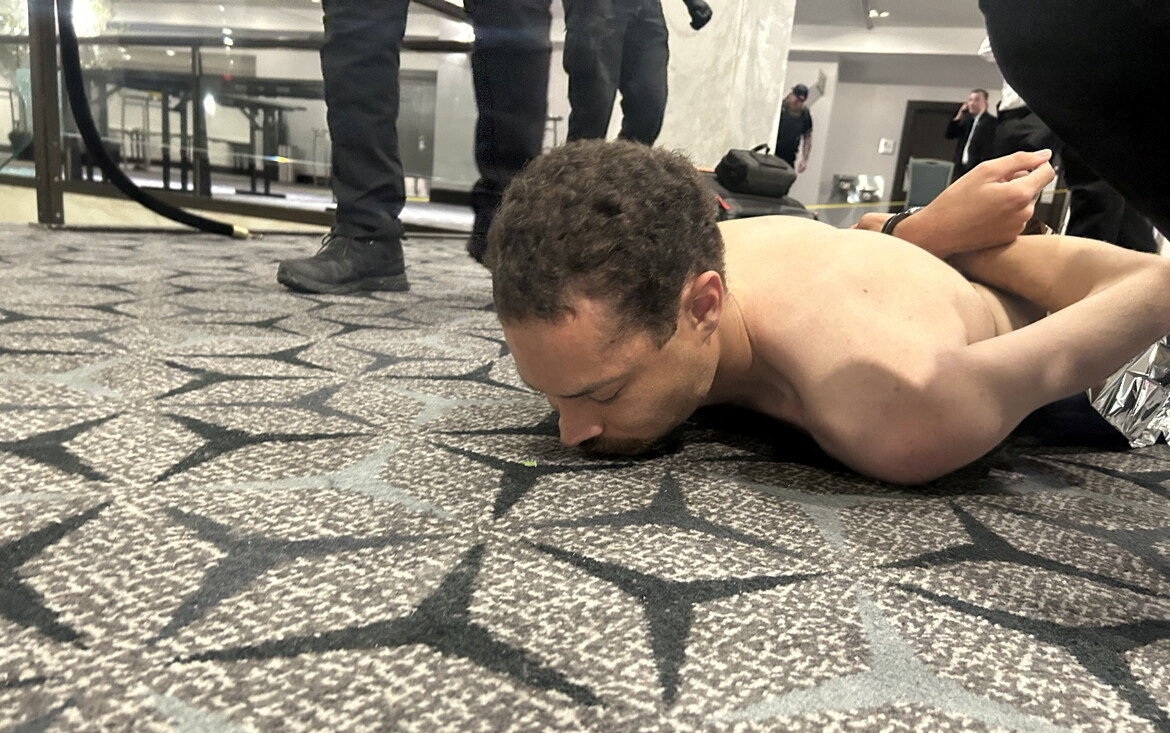
Cole Allen, tras su detención este domingo en Washington. / DONALD J TRUMP via Truth Social / via REUTERS
Los investigadores creen que el atacante buscaba objetivos de la Administración
El atacante que irrumpió en la cena de corresponsales de la Casa Blanca, Cole Allen, tenía como objetivo a personas vinculadas a la Administración estadounidense y probablemente también al presidente Donald Trump, según afirmó el fiscal general interino de Estados Unidos, Todd Blanche, en una entrevista concedida este domingo al programa Meet the Press with Kristen Welker, y recogida por The New York Times.
Blanche ha explicado que los investigadores han logrado recopilar información procedente de los dispositivos electrónicos del sospechoso y también han interrogado a varias personas de su entorno. Con esos primeros avances, las autoridades comienzan a formarse una idea inicial sobre el aparente móvil del ataque, aunque han advertido que esa interpretación podría cambiar según avance la investigación.
El fiscal ha reconstruido los pasos de Allen; tomó un tren desde Los Ángeles hasta Chicago y posteriormente viajó desde allí hasta Washington, donde se alojó en el hotel Washington Hilton uno o dos días antes de que el establecimiento acogiera la cena anual de la Asociación de Corresponsales de la Casa Blanca.
El País
Von der Leyen expresa a Trump su “solidaridad”
La presidenta de la Comisión Europea, Ursula von der Leyen, ha hablado con el presidente estadounidense, Donald Trump, para transmitirle su “solidaridad” tras el “intento de atentado” ocurrido en Washington el sábado.
“Acabo de hablar con Donald Trump para expresarle mi solidaridad a él y a (la primera dama, Melania Trump) tras el intento de atentado”, ha dicho la mandataria europea a través de redes sociales.
“Gracias a los servicios de seguridad, nadie ha resultado gravemente herido y el agente de policía herido se ha estado recuperando. Hemos subrayado que la violencia política no tiene cabida en nuestras democracias”, ha añadido.
El incidente ha ocurrido anoche durante la cena anual de la Asociación de Corresponsales de la Casa Blanca, a la que han asistido Trump y altos miembros del gobierno.
El Servicio Secreto ha evacuado al presidente, a su esposa y a otros miembros del Gobierno estadounidense, como los secretarios de Estado, Marco Rubio, del Tesoro, Scott Bessent, o de Guerra, Pete Hegseth, tras haberse escuchado disparos cuando el atacante ha intentado irrumpir en la sala donde se ha celebrado la gala, en el Hotel Hilton de Washington. (Efe)
El País
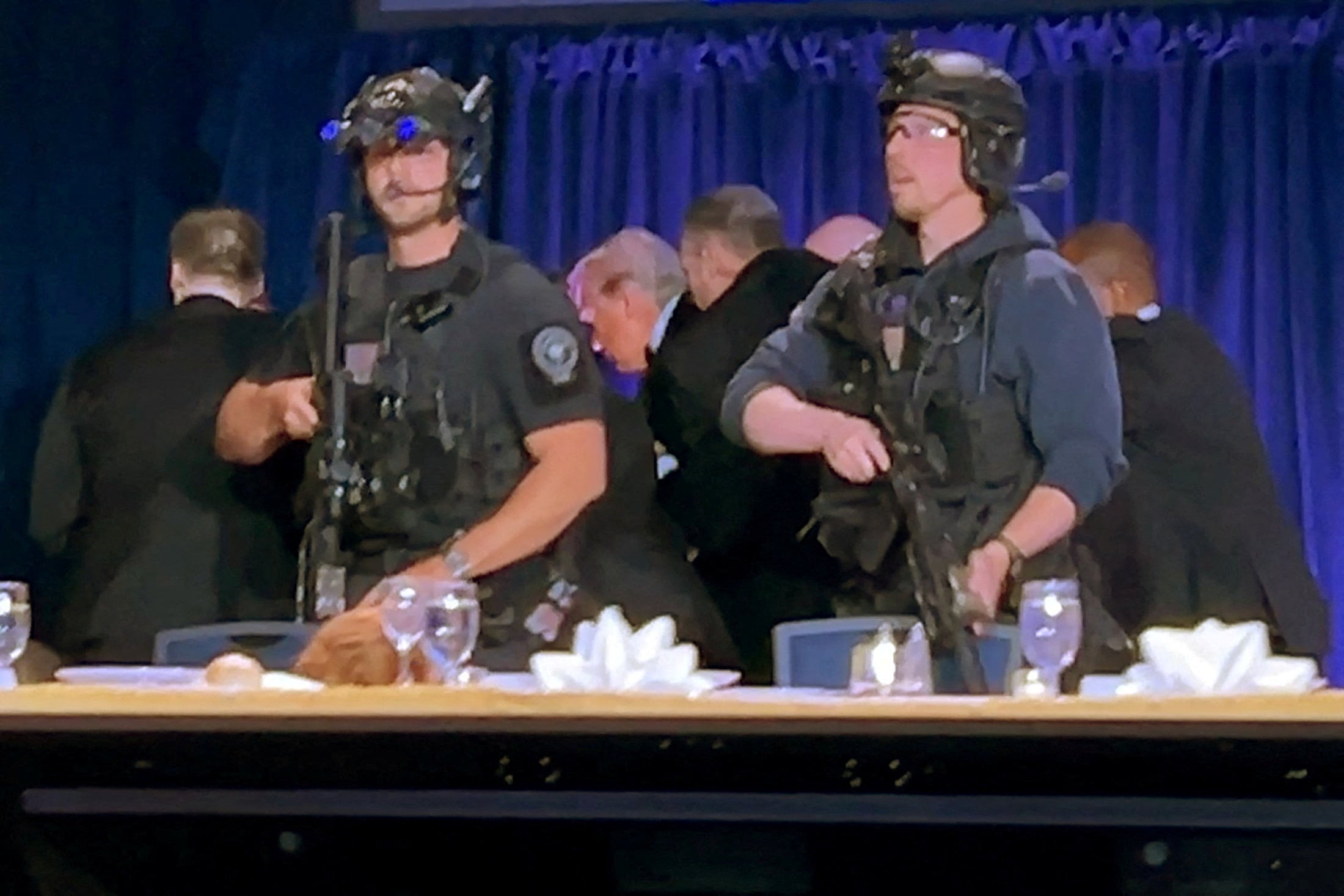
Los repetidos intentos de asesinato del presidente estadoundiense, Donald Trump. merecen una repulsa tajante en una sociedad democrática.
El País
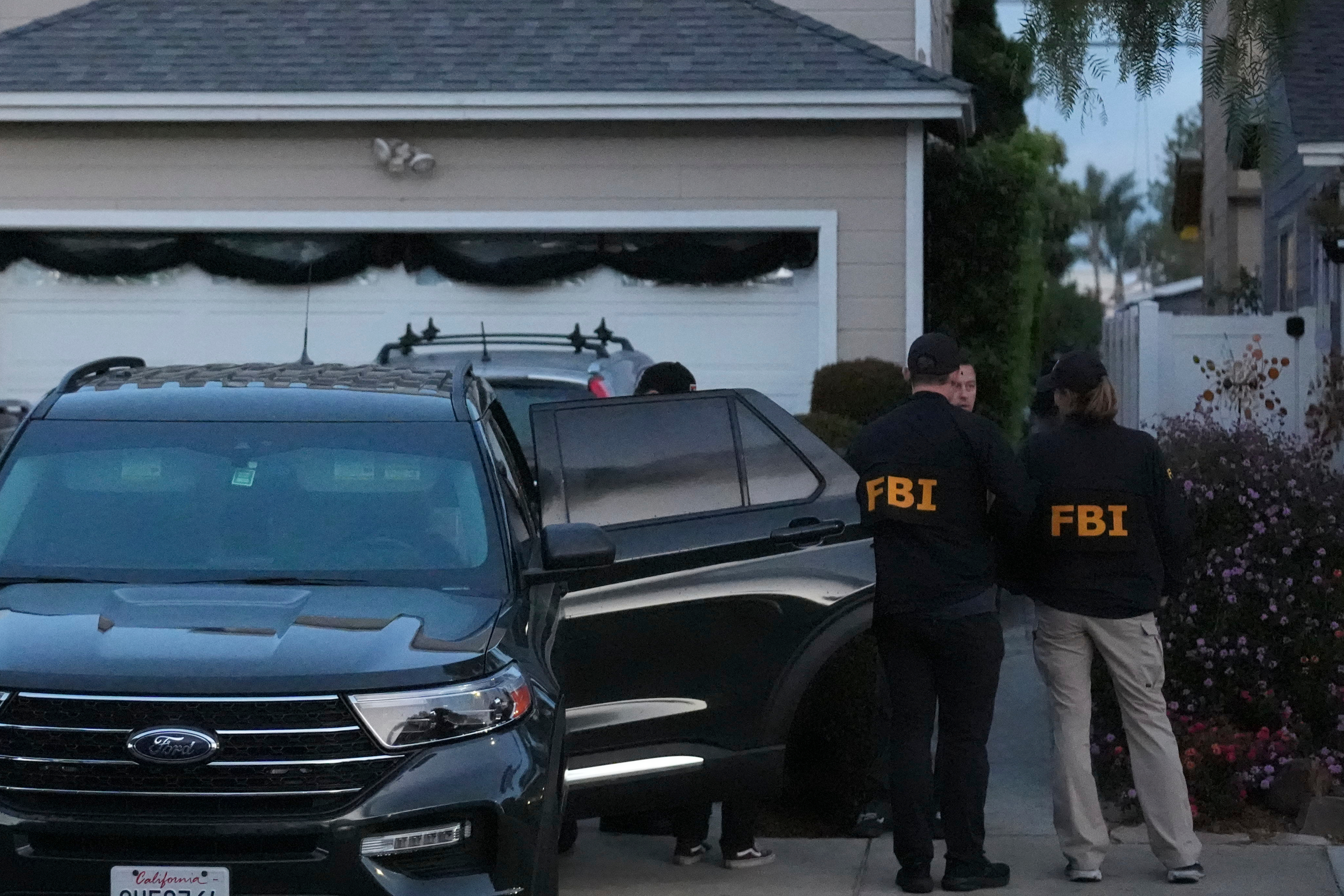
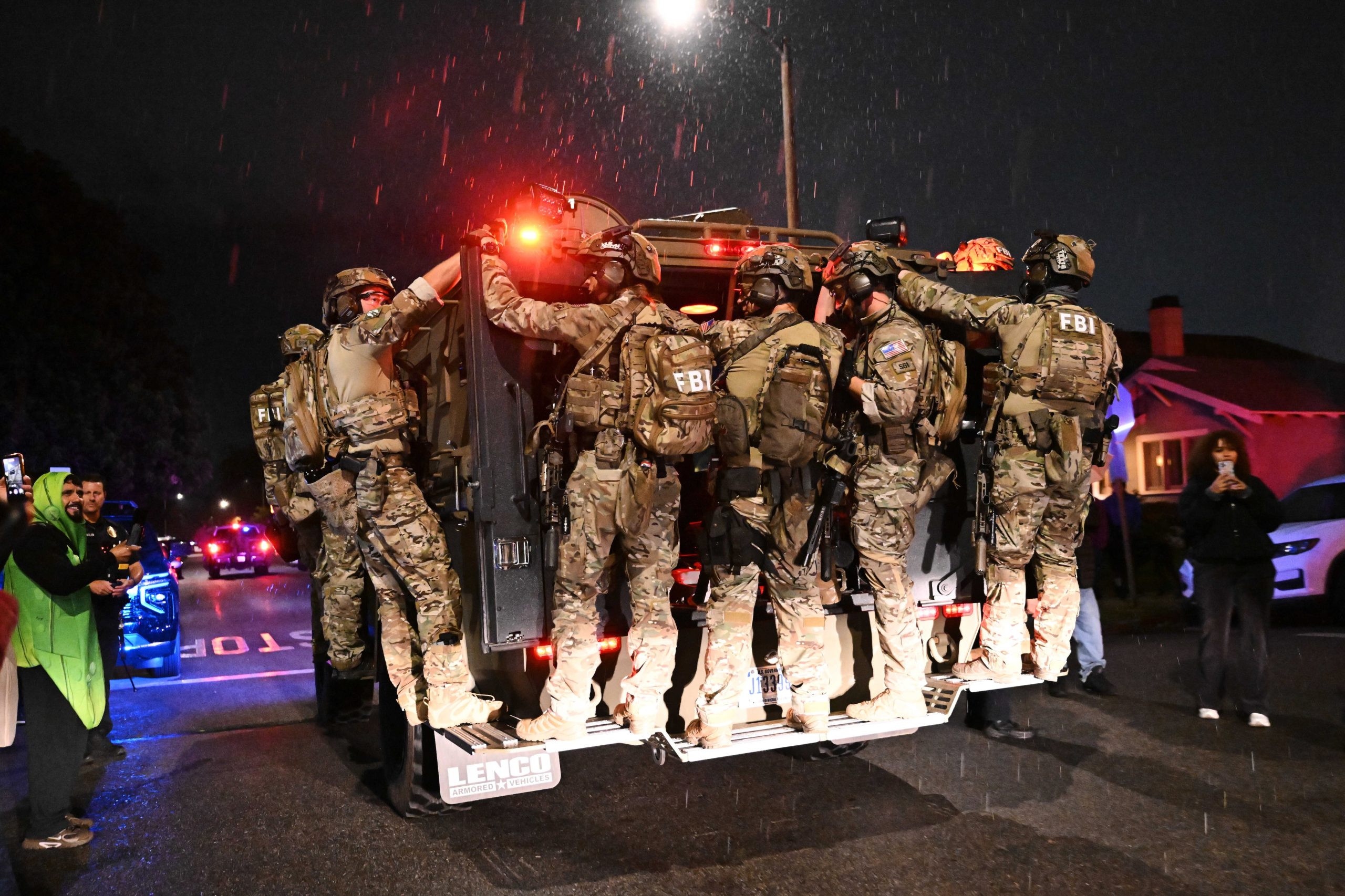
Agentes del FBI trabajan en el exterior de la vivienda de Cole Allen en Torrance, este domingo. / Damian Dovarganes / AP
El FBI acordona la casa del hombre detenido por el ataque
Los agentes del FBI han acordonado la casa de Cole Allen, el hombre detenido por el ataque durante la cena de corresponsales en la Casa Blanca. La vivienda se encuentra en el área de Los Ángeles. Según The New York Times, por el momento se desconoce si los agentes federales han accedido ya a la casa.
El atacante, de nombre Cole Allen, es un hombre de 31 años, natural de California. Vive y ejerce como maestro de escuela en Torrance. Esta localidad, situada al sur de Los Ángeles, cerca del gran puerto de Long Beach, es el corazón del transporte marítimo estadounidense.
El País
Javier Milei condena el “nuevo intento de asesinato” contra Trump
El presidente de Argentina, Javier Milei, ha condenado este sábado lo que ha calificado como un “nuevo intento de asesinato” contra el mandatario de EE.UU., Donald Trump, tras el tiroteo ha sido registrado durante la cena anual de la Asociación de Corresponsales de la Casa Blanca en Washington.
“La Oficina del Presidente ha expresado su más enérgico repudio al nuevo intento de asesinato que ha sufrido el presidente Donald J. Trump, el cuarto desde que ha iniciado su regreso a la Casa Blanca”, ha señalado la Presidencia argentina en un comunicado publicado en sus redes sociales.
El Gobierno de Argentina ha celebrado que Trump, la primera dama Melania Trump y el resto de asistentes al evento hayan resultado ilesos y que el atacante haya sido detenido “antes de que haya podido cometer su atentado y asesinar a alguien”. (Efe)
El País
Israel condena “en los términos más enérgicos” tiroteo que obligó a la evacuación de Trump
El ministro de Asuntos Exteriores israelí, Gideon Saar, ha condenado este domingo “en los términos más enérgicos posibles” el tiroteo que se ha registrado anoche en el hotel donde el presidente de Estados Unidos, Donald Trump, ha participado junto con la primera dama y varios miembros de su Gobierno en la cena anual de la Asociación de Corresponsales de la Casa Blanca (WHCA).
“He condenado el tiroteo ocurrido durante la cena de corresponsales de la Casa Blanca a la que ha asistido el presidente Trump, y he felicitado a las fuerzas de seguridad estadounidenses por su rápida actuación para neutralizar al atacante. Tolerancia cero ante la violencia política”, ha escrito Saar en una publicación en X.
En dicho ‘post’ también ha añadido que “Israel ha apoyado incondicionalmente a Estados Unidos y al presidente Trump”.
El director del FBI, Kash Patel, ha indicado este sábado que el tirador que ha irrumpido en el hotel de Washington donde ha estado cenando Trump y ha obligado a que el mandatario haya sido evacuado, ha portado un arma larga al ser detenido por el Servicio Secreto presidencial. (Efe)
El País
Sheinbaum denuncia que “la violencia no es el camino”
La presidenta de México, Claudia Sheinbaum, ha expresado este sábado su respeto al presidente estadounidense, Donald Trump, y a su esposa, Melania Trump, tras el tiroteo registrado durante la cena anual de corresponsales de la Casa Blanca en Washington, y ha afirmado que “la violencia no debe ser nunca el camino”.
“Qué bueno que el presidente Trump y su esposa se hayan encontrado bien, tras los recientes acontecimientos. Le hemos enviado nuestro respeto. La violencia no debe ser nunca el camino”, ha escrito la mandataria mexicana en su cuenta de X.
El mensaje de Sheinbaum se ha producido después de que Trump y la primera dama hayan sido evacuados del hotel Hilton de Washington, donde se ha celebrado la cena anual de la Asociación de Corresponsales de la Casa Blanca (WHCA), tras haberse escuchado detonaciones de arma fuera del salón de baile.
El Servicio Secreto ha informado de que Trump, Melania Trump y otros altos cargos evacuados se han encontrado bien, y de que ha investigado, junto con la Policía Metropolitana de Washington, un incidente con armas de fuego en uno de los controles de seguridad del hotel.
Trump ha escrito posteriormente en su red Truth Social que “el tirador ha sido detenido” y que ha recomendado que el evento no haya sido suspendido, aunque ha precisado que se guiarían “completamente por las autoridades”. (Efe)
El País
Sánchez, sobre el intento de atentado: “La violencia nunca es el camino”
El presidente del Gobierno, Pedro Sánchez, también se ha sumado a la condena por el intento de atentado contra su homólogo estadounidense, Donald Trump. En un mensaje en la red social X, Sánchez ha asegurado que “la violencia nunca es el camino” y ha recalcado que “la humanidad solo avanzará a través de la democracia, la convivencia y la paz”.
El País
Meloni expresa su “plena solidaridad” con Trump tras el tiroteo en Washington
La primera ministra de Italia, Giorgia Meloni, ha expresado su solidaridad al presidente de Estados Unidos, Donald Trump, tras el intento de atentado sufrido anoche en Washington y ha advertido de que “ningún odio político” debe tener cabida en las democracias.
“Deseo expresar mi plena solidaridad y más sincera cercanía al presidente Trump, a la primera dama Melania Trump, al vicepresidente JD Vance y a todos los presentes por lo ocurrido en la cena de corresponsales de la Casa Blanca de ayer por la noche”, ha afirmado la mandataria italiana en un mensaje en su cuenta de la red social X.
Y ha añadido: “Ningún odio político puede encontrar espacio en nuestras democracias. No permitiremos al fanatismo envenenar los lugares del libre debate y de la información”. Por último, Meloni ha apelado a la defensa de la “civilización del diálogo” como un “dique infranqueable contra cualquier deriva intolerante”. (Efe)
El País
Macron considera “inaceptable” el tiroteo y muestra a Trump todo su apoyo
El presidente francés, Emmanuel Macron, ha considerado “inaceptable” el tiroteo en el acto con la prensa al que ha asistido el sábado por la noche Donald Trump y ha manifestado al presidente estadounidense todo su apoyo.
En un mensaje en su cuenta de X, Macron ha señalado que “el ataque armado de anoche contra el presidente de los Estados Unidos es inaceptable. La violencia no ha tenido nunca cabida en democracia”. El jefe del Estado francés ha concluido ese mensaje enviando a Donald Trump “todo (su) apoyo”.
El tiroteo se ha producido durante la cena anual de la Asociación de Corresponsales de la Casa Blanca, que se ha celebrado en el hotel Hilton del centro de Washington, en la que ha participado Trump, que ha ido acompañado de su esposa, Melania, del vicepresidente, J.D. Vance, y otros miembros del Gobierno estadounidense, y han sido evacuados rápidamente por el Servicio Secreto. (Efe)
El País
Los líderes internacionales condenan el ataque y denuncian clima de violencia política
El ataque de esta madrugada durante la Cena de Corresponsales de la Casa Blanca que obligó a la evacuación del presidente de Estados Unidos, Donald Trump, de la Primera Dama Melania y de todo su Gabinete ha sido condenado al unísono por amigos del mandatario, socios internacionales e incluso sus críticos de la opoisición. Entre las primeras reacciones, como cabía esperar dada su amistad con el mandatario, se encuentran las del presidente de Argentina, Javier Milei, o el primer ministro de Israel, Benjamin Netanyahu, quienes han celebrado que el presidente haya resultado ileso. “Nos alivia saber que el Presidente y la Primera Dama se encuentran bien y a salvo”, ha manifestado Netanyahu en su nombre y en el de su mujer, Sara.
Acompañando a los mensajes de apoyo, los líderes internacionales han aprovechado para condenar un nuevo episodio de violencia política en torno a Trump, como ya ocurrió durante el intento fallido para acabar con su vida en 2024, en un mitin en Pensilvania. La presidenta de la Comisión Europea, Ursula von der Leyen, como su jefa diplomática, Kaja Kallas, han reiterado a este respecto que “la violencia política no tiene cabida en una democracia” y que un evento “destinado a honrar la libertad de prensa jamás debería convertirse en un escenario de miedo”.
El País
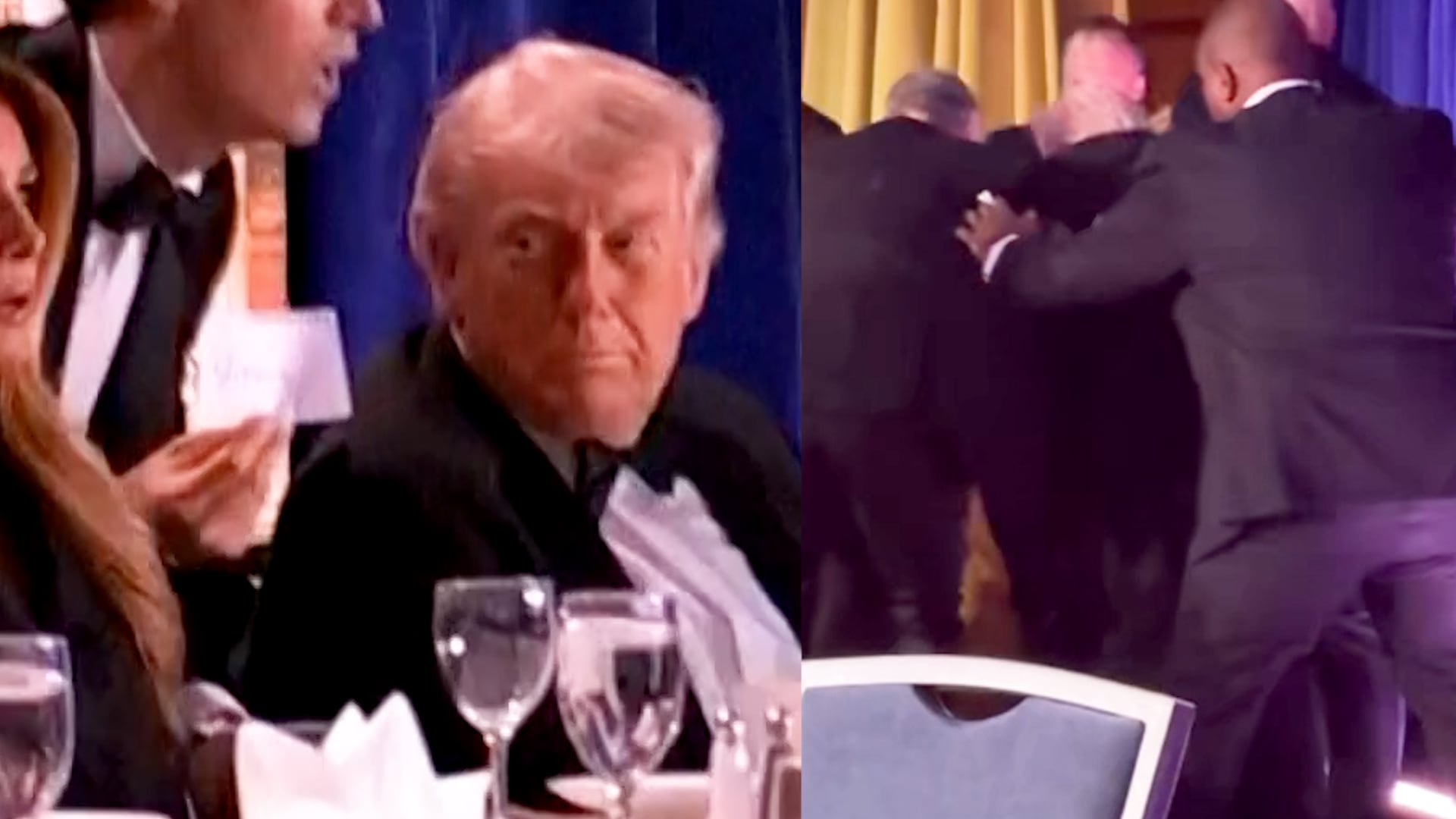
Buenos días. El presidente de Estados Unidos, Donald Trump, junto a la primera dama, Melania Trump, y su Gabinete fueron evacuados este sábado de una cena organizada por la Asociación de Corresponsales de la Casa Blanca a raíz de un intento fallido de asalto con armas de fuego neutralizado por el Servicio Secreto estadounidense. Las autoridades han detenido al sospechoso, un californiano de 31 años, al que el líder republicano ha tachado de “lobo solitario” y “persona con graves problemas” en una rueda de prensa posterior a lo sucedido.
Horas más tarde, el propio Trump ha compartido imágenes a través de sus redes sociales donde se pueden apreciar al sospechoso bajo custodia poco después de ser neutralizado. Según las autoridades, el atacante portaba varias armas y actuó solo. Instantes después de la evacuación, el mandatario ha querido quitar hierro al asunto con una rueda de prensa en la Casa Blanca en la que ha agradecido el “fantástico trabajo” del servicio secreto de su Administración.


03:53
Así ha ocurrido el atentado
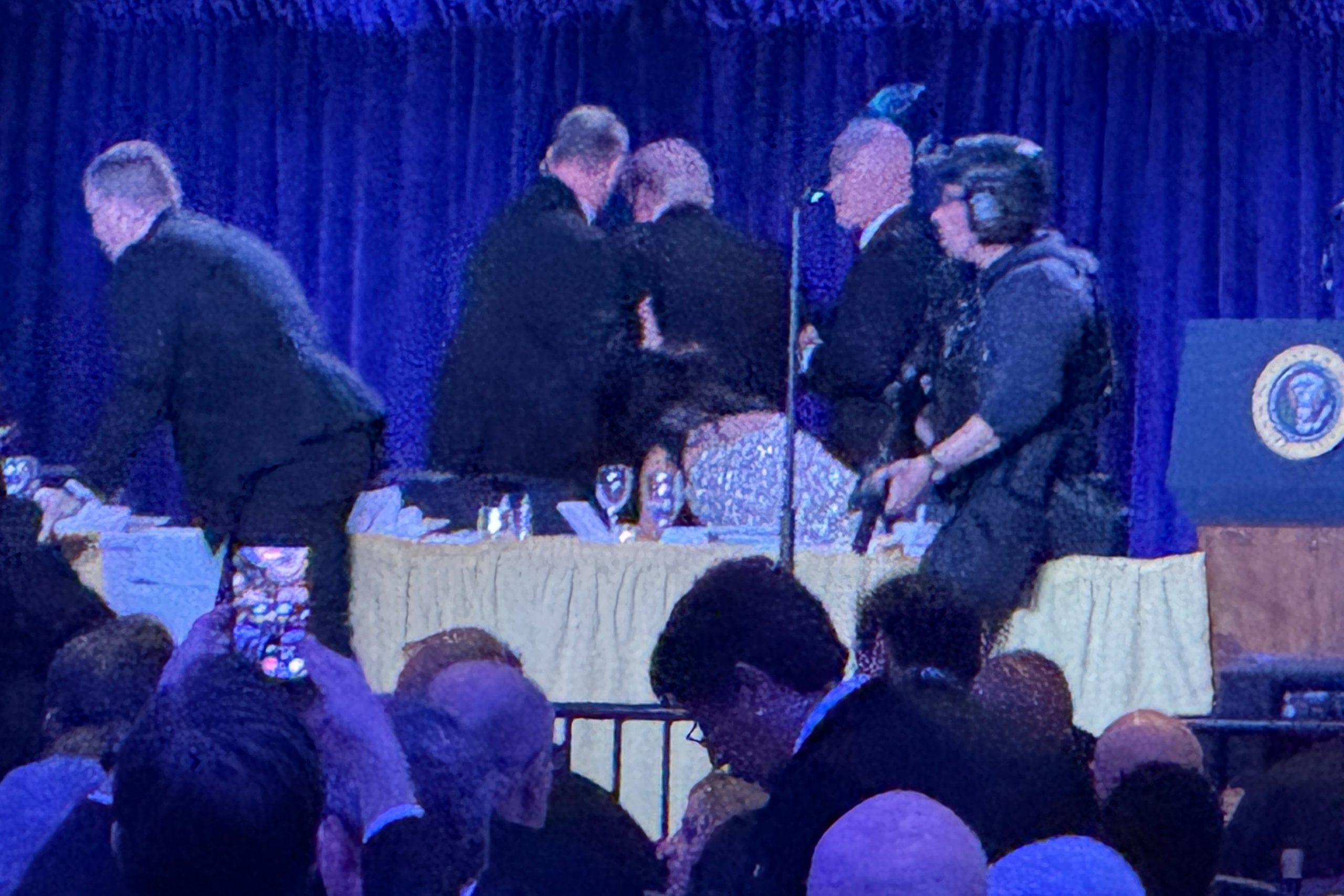
Cinco disparos interrumpieron la velada y, en medio del pánico y el desconcierto, el mandatario y los principales miembros de su gabinete fueron evacuados de inmediato
Rellena tu nombre y apellido para comentarcompletar datos
Archivado En
America
El Servicio Secreto De Trump, De Nuevo En El Punto De Mira Tras El Tiroteo En La Cena De Corresponsales


Bull Breeder Dies After Savage Goring In Spanish Festival

S
Hansik in La Cala De Mijas, a modern Korean feast

Luxury Villas For Sale, Estepona – ProjectL1

Stylish 3-Bedroom Apartment With Panoramic Sea Views – Benalmádena
Brussels warns Spain that migrants regularised under controversial scheme will be deported back to Spain if they try to move to other EU countries


-
 New Developments3 weeks ago
Luxury Villas For Sale, Estepona – ProjectL1
-
 New Developments3 weeks ago
Stylish 3-Bedroom Apartment With Panoramic Sea Views – Benalmádena
-
eu response to spain migration policy3 weeks ago
Brussels warns Spain that migrants regularised under controversial scheme will be deported back to Spain if they try to move to other EU countries
-

 %3 weeks ago
Poland Disconnects Utilities At Russian Consulate That Moscow Refuses To Hand Over
-
Costa Calida3 weeks ago
Murcia unveils monument marking 175th anniversary of Burial of the Sardine
-

 Uncategorized4 weeks ago
How Lewis Hamilton spent break with A-list star
-
Costa del Sol2 weeks ago
Easter on the Costa del Sol: a time of renewal
-

 Uncategorized4 weeks ago
Kelly Piquet