
Cadiz
Marbella’s retired police horses escape auction and find a new home in Cadiz sanctuary


Five retired Marbella police horses have been given a second chance after activists stopped their planned auction and secured a new home for them at a sanctuary in Cadiz.
The horses, which were no longer fit for police duties, will now be donated to Santuario Rancho Edén in Arcos de la Frontera, where they can spend their retirement receiving specialist care.
Marbella police horses saved from auction
Marbella Council cancelled the auction at the end of July following pressure from animal welfare campaigners. Marbella Activa had launched a micro-donation campaign, raising around €1,000 in the hope of buying the animals and finding suitable accommodation for them.
Activist Virginia de Nibiru was among those calling for the auction to be stopped and the horses to be donated instead. Administrative procedures have now been completed, meaning Pajarita, Lucero Picasso, Evaristo II Melendi, Deseado Felipe and Ruidoso XVIII can move to their new home.
Several of the horses have chronic health problems, including tendonitis, degenerative arthritis, skin melanomas, colic and dermatitis. One animal also has training problems.
Sanctuary offers retired horses a new life
Money raised by supporters will now help cover their initial needs at Rancho Edén. Local businesses, the family of Sheikh Mohamed Ashmawi and a Belgian company have also helped, with the latter agreeing to transport the horses to Arcos de la Frontera free of charge.
Rancho Edén specialises in caring for vulnerable horses and animals with difficult histories. Canal Sur recently featured the sanctuary, describing how its founder dedicates her time to feeding, treating and caring for animals in need.
Marbella previously attempted to sell retired police horses in 2023. That auction also failed to find buyers, with some of the same animals later returning to the auction block.
For these five horses, however, the latest chapter has a much happier ending: retirement will now mean sanctuary rather than another sale.



Airbnb
Casas A 10.000 Euros La Noche: El Precio De Los Alojamientos Para El Eclipse De 2027 Se Desmadra En Andalucía



 ONE of the best-known members of Spain’s vulnerable – if notorious – Iberian orca pod has been spotted with several unexplained wounds across her dorsal fin and body. Toñi, one

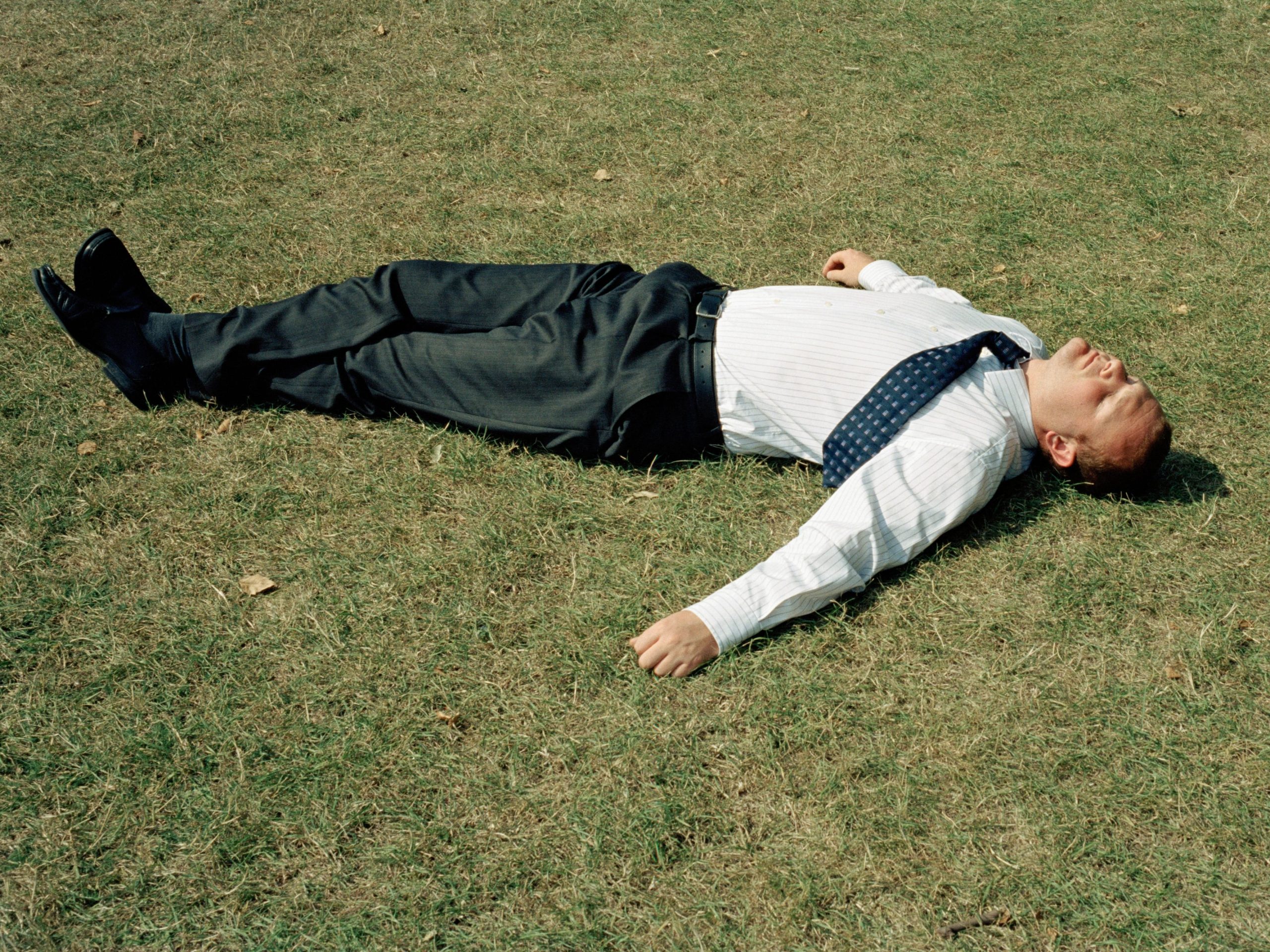
Each season, style magazines publish guides on how to dress for summer in the office and survive the commute, or how not to freeze when the air conditioning is on full blast. For instance, a year ago EL PAÍS journalist Amaia Odriozola advised readers to keep a knitted cardigan in a drawer and also noted that if so many office-set television shows like Mad Men or House of Cards repeat gags about women freezing at work and managers turning the air up to maximum, it’s because “that connects with an almost universal situation in corporate life for women: while it’s scorching outside, the workplace feels like the Arctic.”
Among men, when the heat arrives, the debate about whether wearing shorts to work is acceptable resurfaces, and the answer, like that to so many other big questions, is: it depends. It depends on what others around them are doing and on their individual boldness, because mimicry remains one of the main mechanisms for surviving at work, despite managerial rhetoric encouraging risk-taking.
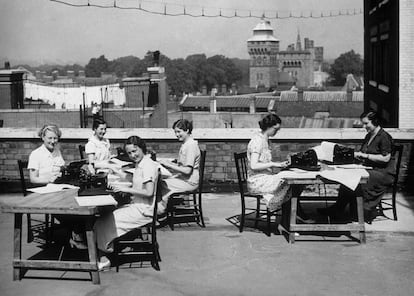
In any case, whether wearing a cardigan, bermuda shorts, or the usual stifling suit, not everyone hates going to the office in July and August, not even when advertising relentlessly reminds you it’s summer and everything seems to push you toward the beaches. In fact, if summer is still a huge collective ritual, part of that seasonal exceptionality spills into many offices (and workshops, newsrooms, and other workplaces) and helps make these the months some salaried employees prefer to be at work. The concrete reasons are multiple: rhythms change and deadlines are extended; bosses disappear because they’re on vacation and fewer meetings are scheduled; split shifts turn into the much more reasonable summer schedule, which frees up the afternoon; traffic drops and, additionally, some fun customs crop up, boosting camaraderie.
It is a growing phenomenon. A recent study published by economists David César Heymann and Eduard Alcobé indicates that the decline in seasonality of tourism spending in recent years is due, among other factors, to greater labor flexibility after the pandemic: “By increasing the possibility of choosing vacation dates with fewer restrictions, the age groups most active in the workforce can take advantage of more competitive prices, less crowding and, in general, a more comfortable tourist experience. Likewise, low birth rates reduce dependence on school calendars and, therefore, could make travel easier during less traditional periods.” If more employees take vacations in the low season, summer euphoria also spreads to offices. How is that change in atmosphere experienced?
Curious customs
According to Herman Melville’s story, Bartleby — the quintessential rebellious office worker — began his one-man revolt during the summer. Perhaps to avoid reaching the point of that famous scribe, journalist Gonzalo Aguirre explains that, in his work, he has always followed an important rule: “Find out which days my boss takes vacation so I don’t have to work when he’s around.” “The boss’s absence, combined with that general laid-back atmosphere where everything seems to be running at half speed, turns summer days at work into little vacations in and of themselves. Yes, you have to get up early, you have to work just as hard, and tasks must get done, but with the offices only half-full, the fact that many other companies you have to deal with are also running at half-speed or are closed altogether, and the fact that it’s hot, all of this creates an atmosphere of relaxation in the office,” he notes.
María Torralba, who works from Madrid for a multinational company, describes a similar situation, although she notes that, since her workflow depends on foreign offices, her workload doesn’t change much: “In Spain, seasonal patterns are generally respected — or at least everyone thinks along the same lines — but when you work with other markets, there’s nothing unusual about working in the summer. Maybe from now on, when the Germans and the French start feeling the heat, things will change.” The young woman explains that, even so, there’s a certain vibe in the air: “You run into a lot of people who are already burned out and need a break. But there are also fewer people in the office, and it’s much easier to build stronger connections or have slightly deeper conversations. That’s really nice: the conversations get better, and some pretty interesting opportunities arise. With the relaxed summer vibe, it’s easier to talk about different ways of approaching everyday life, and you notice that summer fosters certain dreams and hopes. It’s a time for intimacy, for going out to eat, or for sharing a little more.”
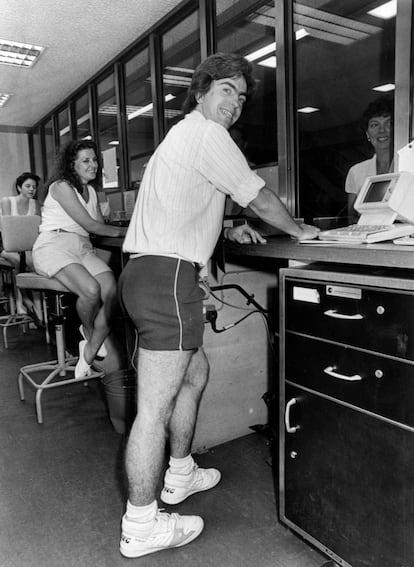
In some places, that relaxed atmosphere gives rise to unusual customs — and, once again, unusual attire: “I have a tradition with my colleagues on the editorial staff: every day, one of us brings a snack to eat mid-morning, since the intensive workday drags on and some of us don’t get home until 4 p.m. for lunch. Many dare to come in shorts — unthinkable the rest of the year — even if the temperatures allow it. You see flip-flops, and you see bags with a bikini strap hanging out or a towel or sunscreen peeking out because they’re heading straight from the office to the pool. At 3 p.m., the same colleague always plays a Georgie Dann song on his computer to remind us it’s time to head out,” Aguirre says.
But it’s not all Hawaiian shirts or beach-bar tunes by the desks. Mar Cabra, CEO of The Self Investigation, a consultancy specializing in mental health and work, says she personally finds it hard to work in summer and thinks talking about “summer euphoria” in these contexts is excessive. “I don’t feel productive when lots of people around me are enjoying themselves, when many are on vacation or social media is full of people sharing beach photos while I’m in Madrid […] That said, what I’ve found works for me is using summer as a period for reflection. In terms of work with The Self Investigation, the foundation I lead where we help companies work more healthily, summer is a slow period, so we’ve turned it into a time for reflection,” something she recommends to any professional.
Why not keep it up in September?
In The Book of Disquiet, Bernardo Soares, an accountant and heteronym of the poet Fernando Pessoa, reflects on his daydreams during “the summer tedium of the utterly quiet office.” Soares likes to watch summer storms arrive while he continues working slowly, though he then sinks into “feelings of desolation without space and the shipwreck of the whole soul” linked both to his work routine and his predisposition to melancholy. But it’s not only poets who feel negative toward repetitive or overly demanding jobs. In his essay Bullshit Jobs, anthropologist David Graeber argues that many contemporary jobs involve performing dozens of useless tasks (or tasks that exist only to justify the position itself) that also overload those who perform them.
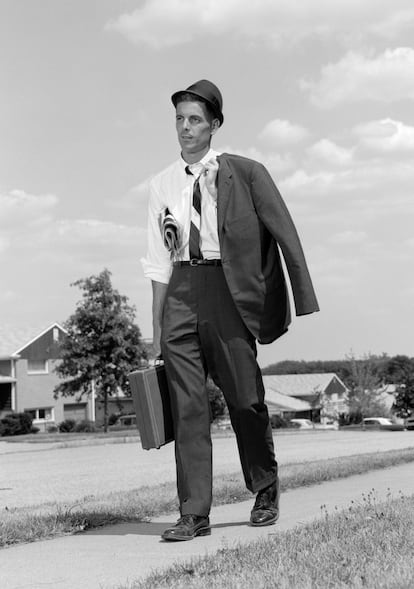
“Most work environments suffer from excessive workloads and we see this throughout the year, but especially during the periods before vacations, both summer and Christmas,” Cabra explains. “I believe conducting regular workload assessments is one of the main improvements that could be made in all organizations, especially during peak work periods, which tend to be the ones I’ve mentioned. An organization should know, without fail, when its peak work moments are.” Thanks to this approach, summer becomes an opportunity to reconsider everything that doesn’t work in an organization, and to look at other ways of working.
In fact, in her essay, Cabra lists the principal ills of the contemporary office: meetingitis, urgentitis and interruptionitis. These common problems are precisely the ones that tend to disappear during summer, as Torralba has observed: “Because there are fewer people, meetings decline, making it clear that we continue to work well without all that micromanagement, that is, without all those control strategies imposed on us the rest of the year. Without any of that the company doesn’t collapse, so it’s proven that such meticulous control isn’t necessary. It turns out that when you have a bit more leeway in managing your own deadlines and projects, without so much paternalism, the result in the end is the same or better.”
In this way, summer allows us to test ways of organizing work that could be applied throughout the rest of the year and not just be a brief exception: “In our team as well — where there are about six of us — we’re much more flexible in the summer. For example, some people have decided to work remotely only in the mornings so they can spend the afternoons with their families in Cádiz. Remote work becomes more widespread in the summer, and if things go well… Why aren’t we more open to remote work throughout the year? Well, unfortunately, in Spain it still has many detractors, whose arguments aren’t backed by any evidence at all. So the big question for me is why, as soon as September rolls around, it seems like the world is a different place,” wonders Torralba.
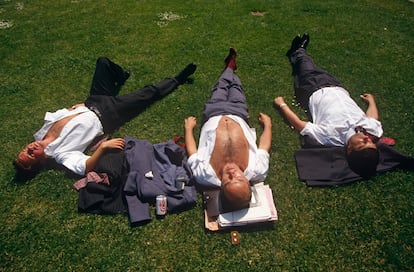
That’s what Aguirre has observed as well: the festive atmosphere in his newsroom not only doesn’t reduce productivity, but actually increases it: “Someone might read this and think: That office is a total mess — doesn’t anyone work there? But they’d be surprised to learn that yes, we get the work done; we work in a relaxed manner, wearing light clothing, and knowing that there will be food and, later, the pool. We work happily — if those two terms can even go together — or at least close to happiness. And we’re very productive that way. Big business leaders should think about it: maybe creating a sort of eternal summer in the office would give productivity a boost,” he concludes.
Sign up for our weekly newsletter to get more English-language news coverage from EL PAÍS USA Edition
Local Mar Menor charity actively seeking new volunteers
More than a tonne of trash removed as Murcia volunteers unite to clean up local nature reserves

Al Menos 11 Muertos En Nuevos Ataques De Israel Contra El Sur De Líbano

Lewis Hamilton hits gold with $10bn jackpot but British star snubs Monaco move: F1 News Recap

Racing star was destined for F1, now he

WATCH: Fire Breaks Out At Entrance To Estepona Near A7 As Drivers Film The Flames And Two Helicopters Battle The Blaze


-
 Uncategorized1 week ago
Lewis Hamilton hits gold with $10bn jackpot but British star snubs Monaco move: F1 News Recap
-
 Uncategorized1 week ago
Racing star was destined for F1, now he
-
 Estepona2 weeks ago
WATCH: Fire Breaks Out At Entrance To Estepona Near A7 As Drivers Film The Flames And Two Helicopters Battle The Blaze
-
airport threat1 week ago
Explosive device on drone sparks major German airport investigation
-
Latest2 weeks ago
Migrant Rush To Spain’s Ceuta: 72,000 Crossed, 2,000 Remain And 77 Died
-

 Uncategorized2 weeks ago
F1 star announces engagement with gorgeous proposal pictures
-
Mallorca1 week ago
Palma mayor fights to keep TUI water bus project afloat
-
 Crime & Law2 weeks ago
Outrage In Granada After Tourist Defaces Historic 16th-Century Building With Bright-Pink Graffiti