
Germany
Mercedes freezes all new spending at German plants and weighs factory closures

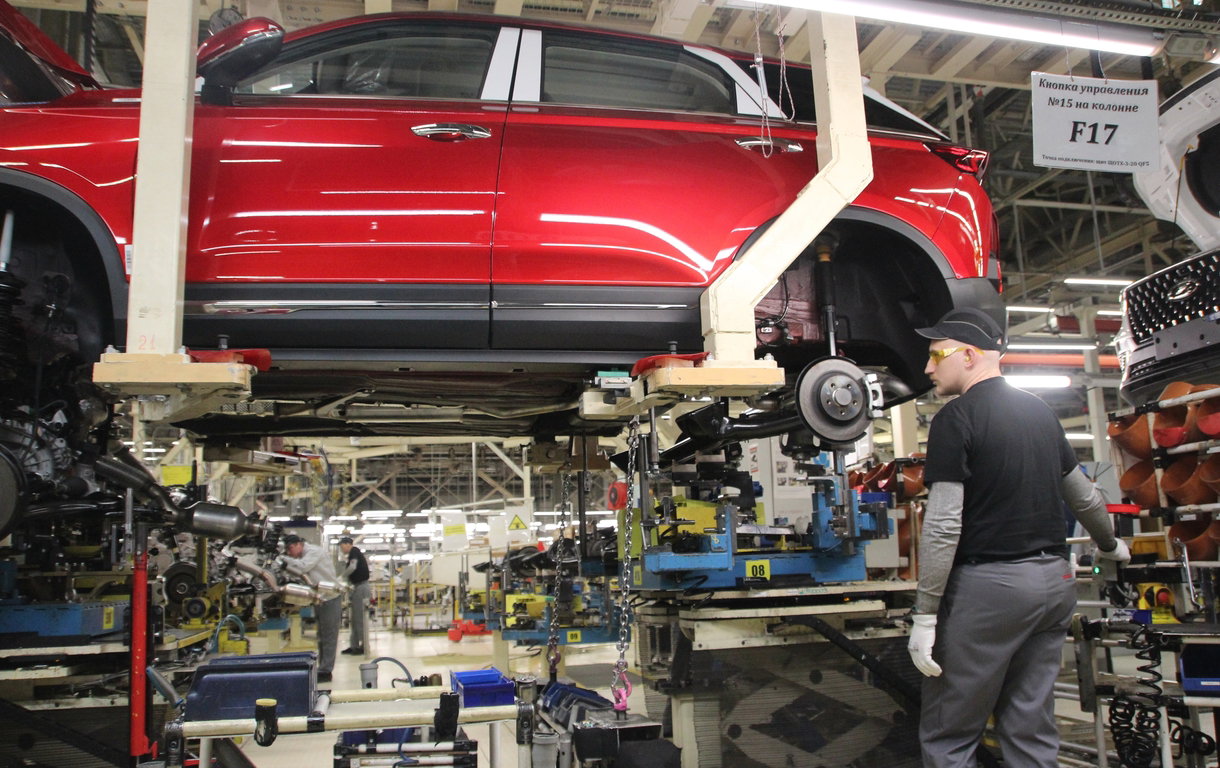
Mercedes freezes all new spending at German plants and weighs factory closures after stalled labour talks, high costs and a sharp drop in China sales.
Mercedes-Benz has stopped every further investment at its German factories and is now checking which sites it can still keep open. Production chief Michael Schiebe told staff in an internal interview that the board had “jointly decided to halt all further investments in our German locations” because current costs make new spending impossible.
Labour director Britta Seeger said a quick deal with the works council and IG Metall looks unlikely. She added that the company must examine “concretely and in detail which locations we can still afford in Germany” and that plant closures would now have to be looked at more seriously, even though management wants to avoid them.
Why the investment freeze has happened now
Talks over cutting labour costs have dragged on for months without progress. Mercedes wants longer working hours without extra pay and other productivity steps so German plants can compete. Schiebe pointed out that an hour of production work in Germany can cost up to five times as much as at Eastern European sites. CEO Ola Källenius has used a simple cost index to show the gap: Germany at 100, the United States around 80, Hungary at 30, Romania at 20 and China between 10 and 20.
Without an agreement, future models could be built only outside Germany. Existing projects already under way will continue for the moment.
China weakness and wider industry pressure
Falling sales in China have made the cost problem harder to ignore. Deliveries there dropped by roughly 30 per cent in recent quarters as luxury demand cooled and local Chinese brands offered cheaper electric cars. Mercedes has already cut its full-year profit guidance for the cars division to 2–3 per cent and launched a wider savings programme.
Tariffs, price pressure and high energy costs in Europe have added to the strain. The German auto industry as a whole has shed tens of thousands of jobs over the past year. Suppliers such as Bosch have also cut hours and pay for thousands of workers, while Volkswagen is locked in its own tough talks over possible plant closures.
European plants outside Germany are not affected
Mercedes plants in other European countries are not covered by the freeze. The company’s expanded factory in Kecskemét, Hungary, and the van plant in Vitoria-Gasteiz, Spain, continue as normal and have received recent investment. Management has made clear that lower-cost European sites remain part of its production plans.
No specific German factory has been named for possible closure yet. Workers at sites including Sindelfingen, Rastatt, Bremen and several powertrain plants now face months of uncertainty while talks continue. IG Metall has rejected the company’s demands and plans further warning strikes.
Mercedes still says it prefers a negotiated solution, but the investment stop shows how far the company is prepared to go if German costs stay high. Readers in Spain who follow the European car industry can track further developments on the Euro Weekly News site, including earlier coverage of German job losses and the latest EU moves on petrol and diesel cars.





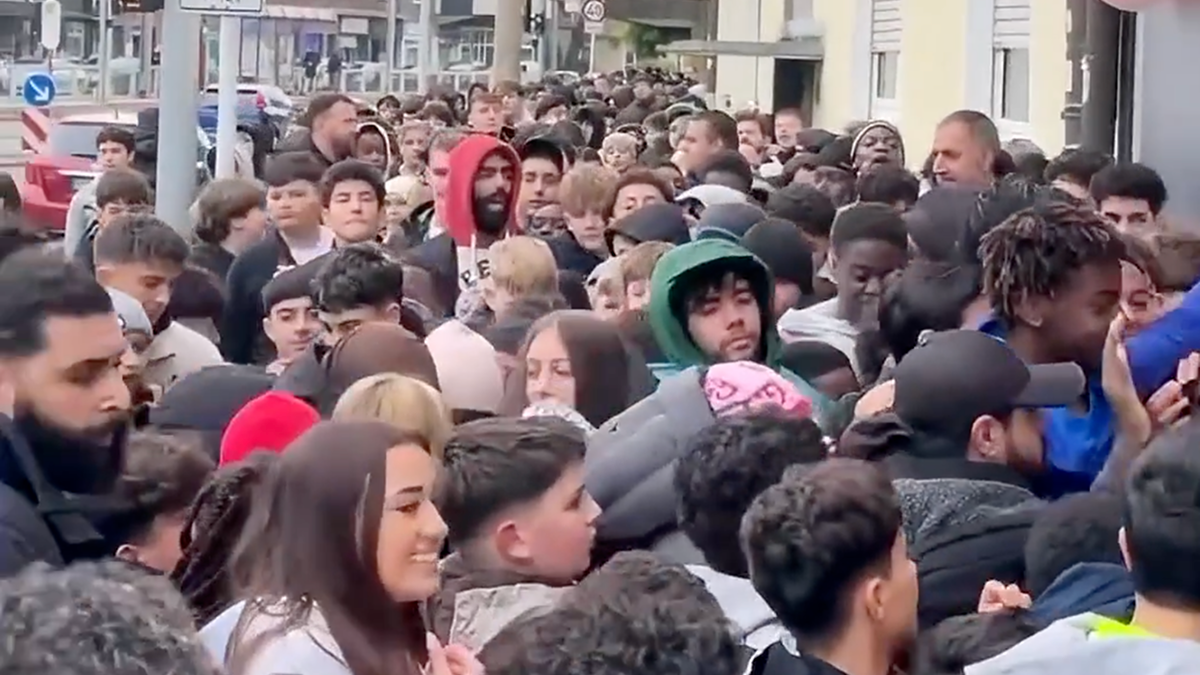
Hundreds queued outside the shop for the €1 opening offer. Credit: foodloveressen / Instagram
Hundreds of youngsters turned up for a €1 kebab at a new shop in Dortmund on Sunday, and before long police officers were dodging stones, fireworks and even an e-scooter. The shop’s now been shut down, and its owner could be handed the bill for the whole police operation.
A grand opening turns into a stand-off with police
Food Lover, a new kebab shop on Körner Hellweg in the east of Dortmund, had spent days hyping its opening on Instagram with the promise of a döner kebab for just €1. By the afternoon of Sunday November 8, up to 300 people had crammed in front of the shop, police said, most of them children and teenagers. The owner himself put the figure at more than 1,000.
The private security team he’d hired was soon completely overwhelmed as arguments and scuffles broke out in the queue, so at around 2.15pm the owner rang 110, Germany’s police emergency number, and called the offer off as officers arrived.
An iPhone and a pilgrimage trip were up for grabs too
The €1 kebab wasn’t the only draw, either. In the run-up to the opening, the shop had also advertised prize draws for an iPhone 18 Pro Max and an Umrah trip, a pilgrimage to Mecca in Saudi Arabia, in January. On the day though, both were scrapped. ‘It’s too much chaos,’ the owner told his followers.
A police spokeswoman said that pushing an opening that hard online, with giveaways on top, was always going to bring a massive crowd.
Police met with stones, fireworks and an e-scooter
Officers used a loudspeaker to order the crowd to leave. However, some of those gathered turned on them. Stones, bottles, nitrous oxide canisters, fireworks, a chair from the outdoor seating and an e-scooter were all thrown at police, with a patrol car damaged by a stone. Some young people even built makeshift barricades out of e-scooters, and trams on the busy road had to be stopped for a while.
Riot police were sent in as back-up and a police helicopter circled overhead, and the situation was brought under control fairly quickly. Remarkably, no one was reported injured.
One person who refused to leave and resisted officers was detained and searched, with police finding a blank-firing pistol on them. The weapon was seized and the person was released once their details and fingerprints had been taken.
Dortmund’s police chief calls them criminals, not just rowdy kids
Dortmund Police President Tim Frommeyer didn’t hold back. ‘Anyone who is out and about in public spaces here in Dortmund has to stick to the rules,’ he said.
He added that anyone using violence, once again against police officers, isn’t an ‘adventure-seeking youngster’ or a ‘troublemaker’ but a criminal.
Investigations are now under way for rioting, resisting officers, criminal damage and insults, and children are reportedly among the suspects. Officers are also going through video footage to identify anyone else involved.
Why a €1 kebab draws such a crowd in Germany
In Germany, the döner kebab is the go-to cheap meal, but it hasn’t been all that cheap for a while. A meat döner cost an average of €7.11 across the country in 2025, according to YouGov figures, and after years of rises Germans have nicknamed the growth ‘Dönerflation’.
So rock-bottom opening deals have become a popular way for new shops to get noticed, and deal-sharing sites currently list similar €1 offers at new openings in Berlin and Munich.
It’s happened right there in Dortmund before too. In September 2022, a one-cent kebab offer at a new Haus des Döners branch drew more than 400 people, and police and council officers had to step in before it got out of hand.
The owner could be handed the police bill
The city’s Ordnungsamt (public order office) shut the shop down on Sunday, and it’s not yet clear when, or whether, it’ll be allowed to reopen.
Police said the owner has been cooperative, but they’re now looking at whether he can be held responsible and made to pay for the operation. He’s said some of the people who turned up ‘unfortunately couldn’t behave at all’ and has promised a full statement on Instagram.
For now, the shop will stay shut while police work through the footage and decide whether its owner will be sent the bill.


100kg Wild Boar Smashes Into French Funeral Parlour

Glasses Under Scrutiny: Congress Backs Tougher Checks On Cheap Spectacles For Driving

More Than 450 Barcelona Restaurants And Bars Slash Their Prices For Foodie Black Week – But Diners Will Have To Be Quick


-

 New Developments3 weeks ago
How To Get A Tourist Rental Licence In Andalusia (Spain) – Step-By-Step Guide 2025
-

 New Developments2 weeks ago
Luxury Villas For Sale, Estepona – ProjectL1
-
Age Concern Marbella - San Pedro3 weeks ago
Halloween lunch sells out as 51 join Marbella get-together
-
Consumer Rights Spain4 weeks ago
EU offers extra year of warranty on phones, but Spain faces delays
-

 %4 weeks ago
Santa Pola Museo Del Mar
-
 %3 weeks ago
Spain Orders Replacement Of Eight Million Gas Meters: New Rules, Costs And Deadlines
-
Barcelona riots3 weeks ago
Looting and street violence hit Barcelona as El Corte Inglés customers are trapped
-
Living in Spain4 weeks ago
Rejected for Spain’s widow’s pension? Unmarried parents could get a second chance