Connect with us

%

Runaway On Runway: Stray Dog Beats Security

Published

on

runaway-on-runway:-stray-dog-beats-security

Stray plays catch on runway. Credit: CA X

Air traffic controllers shared a short video this week that quickly did the rounds. A brown dog spent hours running around the takeoff area at Malaga Costa del Sol Airport on October 30, darting between a aircraft and yellow ground vehicles at dusk. Staff eventually rounded it up, but the clip raised a familiar question on the Costa del Sol: just how many dogs are out there with no one keeping an eye on them? Those in charge of airport security have yet to comment how the stray got through ‘strict’ controls.

Dog on the apron, vehicles on the move

Spanish air traffic controllers posted the footage after it arrived via WhatsApp. They described the animal as interfering in the departure zone for several hours. No official reports have confirmed major delays or diversions from this particular incident, though wildlife on the airfield always forces caution. Similar past cases at Malaga, including an injured flamingo that triggered go-arounds, have briefly held operations while teams clear the area. Airport staff appear to have contained this one without wider disruption reaching the headlines. Controllers regularly flag these events on their official X account.

Recibido por WhatsApp.
Ayer en #Málaga un perrito estuvo varias horas interfiriendo en la zona de despegues 🐕✈️ https://t.co/bXBrddEZSO

— 😉Controladores Aéreos 🇪🇸 (@controladores) October 31, 2026

Almost half a million dogs in one province

Malaga province currently holds the highest number of registered companion animals in Andalucia, according to the Junta’s Registro Central de Animales de Compañía. Latest figures put the total at 575,634 pets, of which 446,933 are dogs. That sits just behind Seville’s dog count and ahead of every other province. Cats add another 124,920, giving Malaga the regional lead on felines as well. Roughly 17,186 of the dogs fall into the potentially dangerous category. Put against the province’s 312,526 residents under 18, the numbers work out at about 1.84 registered pets for every child or teenager.

Those registration totals , reported by Europa Press , are based on the regional register. They capture microchipped animals under Andalucian rules, which help return lost pets and track ownership. They do not include every stray or unregistered animal still moving around the province.

Shelters still dealing with the fallout

Main private shelters have seen abandonments drop over the past decade, yet the animals that arrive often turn up in worse condition. Hunting dogs are still a serious seasonal pressure until after the season ends, and summer holidays still produce spikes. One recent case saw police recover 61 dogs and cats from a single property in Velez-Malaga, some kept in darkness inside kitchen cupboards. Council centres and local protectoras continue to handle high volumes of surrenders, litters and runaways while pushing responsible adoption. Groups such as DOMINO and ACE-SHIN in Mijas regularly list dogs ready for homes.

For expats in the area who might be a little unaccustomed to the local fauna, the practical message is straightforward. Microchip and register dogs under the rules, keep them under control near airports, roads and tourist areas, and check local shelters before buying. Costa del Sol rescue groups regularly list dogs ready for homes, and community fundraisers continue to support the work. A single dog on the runway makes for an eye-catching clip, but it sits against a much larger population of animals across Malaga province.

%

United Nationalities Of Marbella Summit – “We Are Here For You”

Published

on

united-nationalities-of-marbella-summit-–-“we-are-here-for-you”

Nicole King and guests reassure the expat community. Credit: EWN

Marbella’s international residents were given a reassuring message on Tuesday, November 3, when the city’s police and emergency services came together to explain just how much work goes into keeping the community safe.

The United Nationalities of Marbella summit, held at the Hard Rock Hotel, brought together representatives from the Policia Nacional, Policia Local, Guardia Civil, firefighters and Civil Protection, alongside charities, local councils and organisations supporting foreign residents. The event followed an earlier Marbella international safety summit announcement.

The overwhelming message was that Marbella really is a comparatively safe place to live, its international community is wholeheartedly valued, and the authorities want residents to feel confident approaching them whenever they have concerns.

Representatives of the National Police stationed in Marbella particularly stressed that keeping the city safe is a community effort. They want to build relationships with residents, listen to their concerns and work together to prevent problems before they develop.

For British and other international residents who sometimes feel uncertain about dealing with Spanish authorities, the message was particularly encouraging: they are welcome, they are fully part of the community, and help is available.

Planning for emergencies before they happen

One of the most informative presentations came from emergency services representatives explaining Marbella’s preparations for major incidents, including flooding, wildfires and other situations requiring evacuations.

Nicole King, organiser of the summit, helped explain how emergency planning takes account of people who might struggle to look after themselves during a crisis.

Authorities are currently working on identifying vulnerable residents who may be unable to evacuate independently, making sure emergency teams know where assistance will be needed. This includes people with mobility difficulties, older residents and those requiring medical equipment or other support. Schools, nurseries, hospitals and care homes are also identified as priority locations in emergency plans.

Residents may be directed to temporary council-run safe spaces, known as “albergues municipales”. These could include sports centres or community buildings where people can receive information and assistance, including those who do not have internet access, such as was the situation in the recent Benahavis wildfire in which communications towers were left out of action.

Importantly for pet owners, emergency planning also takes account of people who need to evacuate with their animals. Designated facilities are being considered so that residents do not have to choose between their own safety and that of their pets.

Nicole stressed that keeping in contact with emergency services is essential, even if residents decide to stay with relatives rather than use an official shelter. Updates through the 112 Andalucia emergency service will explain which areas are safe and when people can return home.

She also called on anyone living in the countryside or in an area at risk of flooding to understand the dangers and find out what to do before an emergency occurs.

Marbella has already demonstrated its commitment to emergency preparedness, including a major tsunami emergency exercise on El Faro beach.

Help does not stop when the emergency ends

Another reassuring message from emergency services was that their responsibility does not finish once an immediate danger has passed. Representatives explained how teams continue supporting affected communities until normal life is restored.

During previous emergencies, this has included delivering drinking water and providing generators to vulnerable residents whose homes have lost electricity. This can be particularly important for people dependent on oxygen equipment or other electrical medical devices.

The message was simple: emergency services will stay together with affected residents and help them through the recovery process.

Marbella’s Civil Protection and emergency services also explained their important role in preparing for emergencies, supporting evacuations, helping locate missing people and providing practical assistance at public events. Their trained volunteers work with the police, firefighters and other emergency teams throughout the year.

A lifeline for women escaping domestic violence

The summit also gave valuable attention to the work of Soroptimist International Costa del Sol, which is celebrating its 20th anniversary. The organisation, which works to improve the lives of women and girls, used the occasion to explain its Safe House project and raise funds for women escaping domestic violence.

Its current initiative provides emergency assistance during the first three days after a woman leaves an abusive home, whether alone or with children.

Support can include hotel accommodation, food vouchers, clothing, toiletries and other essential personal items. Volunteers can also help with translation and communication, particularly for foreign women who may struggle to navigate the Spanish support system.

The longer-term ambition is to establish a dedicated safe house where women can recover and rebuild their lives. The organisation stressed that domestic violence affects Spanish and international women, with language barriers sometimes making it particularly difficult for foreign victims to seek assistance.

For women who need help, there is also a useful guide to domestic violence support services in Spain, including English-speaking organisations such as Soroptimist International Costa del Sol.

A community coming together

The summit attracted representatives from across Marbella and the wider Costa del Sol, including members of the press, Marbella Council, Mijas Council, Age Concern Marbella-San Pedro, La Cala de Mijas Lions Club, AVOI and numerous other charities and organisations offering assistance to expat residents.

It was also an opportunity for expats to discover ways of getting involved in their local communities, rather than simply finding out where to turn at the moment they need help.

Special recognition is deserved by Georgina Shaw, who tirelessly translated the presentations from Spanish into English throughout the summit, making sure that language was no barrier to understanding the important information being shared.

Organiser Nicole King encouraged attendees to collect emergency contact information, leaflets and fridge magnets displaying essential telephone numbers.

Perhaps the most important number to remember is 112, Spain’s emergency telephone number, available around the clock. It looks an easy number to remember, but in moments of extreme stress, the simplest of numbers can escape one’s recollection.

By bringing residents, authorities and voluntary organisations together, the summit delivered a reassuring reminder that Marbella’s international community is not on its own. Its safety is a shared responsibility, and the people working to protect the city want its residents to know that they are there for them, always.

Continue Reading

%

Marratxí Autumn Fair Returns

Published

on

marratxi-autumn-fair-returns

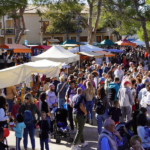
Marratxí is preparing for a weekend of Mallorcan traditions, family entertainment and charitable fundraising as its popular autumn fair returns for its 25th edition.

The Fira de Tardor will take place in Sant Marçal on Saturday, November 7, and Sunday, November 8, bringing together local artisans, sporting organisations and residents for one of the municipality’s best-established annual celebrations.

The two-day event will feature a craft market, live music, children’s entertainment and traditional cultural performances, with a charity running event providing a particularly meaningful start to the festivities.

The fair is free to attend and offers an opportunity for visitors to experience local life beyond Mallorca’s usual tourist hotspots.

Charity run kicks off celebrations

Saturday morning will see the return of the Cursa del Siurell, which is being held for the 13th time.

The sporting event will begin with children’s races at 10am, followed by a 12-kilometre race at 11.15am. A five-kilometre race and a popular walking event will start at 11.20am.

All proceeds from registration fees will go to ASPANOB, the Balearic Islands association supporting children with cancer and their families.

The charity’s work includes providing support to young patients and their relatives during the difficult experience of childhood cancer.

The afternoon will bring a different atmosphere, with a musical tardeo at the La Verònica marquee from 6pm until midnight.

DJ Piter, La Década Prodigiosa, DJ Oscar Romero and DJ Juan Campos are scheduled to perform, giving visitors the chance to enjoy an evening of live entertainment.

172 stalls showcase local craftsmanship

Sunday will be the main day of the autumn fair, with Sant Marçal transformed into a bustling marketplace celebrating the work of artisans from Marratxí and other parts of Mallorca.

The artisan market will open from 10am until 4pm, featuring 172 stalls selling handmade crafts and locally produced goods.

More than 20 local sports organisations will also set up information points between 10am and 2pm, offering demonstrations and opportunities for visitors to learn about activities available in the municipality.

Traditional Mallorcan culture will take centre stage throughout the day, with pottery workshops, a tasting of handmade almond milk and performances celebrating the island’s heritage.

Visitors can watch the Ballada dels Gegants, a traditional dance performance by Engalba and a musical appearance by the municipal music school’s instrumental ensemble.

The programme also includes storytelling sessions, a performance by the Xaranga Quak marching band and a traditional pigeon release.

Families invited to enjoy weekend festivities

Children will have plenty to keep them entertained, with a dedicated programme running from 10.30am until 3pm on Sunday.

Activities will include inflatable castles, face painting and the Món de Colorins children’s play area.

The fair will also host exhibitions showcasing canaries, bonsai trees and historic motorcycles, while associations representing older residents will take part in the celebrations.

The event’s 25th edition reflects its importance to the local community, bringing together generations of residents while providing a platform for local businesses, cultural groups and sporting organisations.

Marratxí mayor Jaume Llompart has highlighted the fair’s place in the municipality’s identity, describing the milestone edition as an opportunity for residents of all ages to come together and celebrate local traditions.

With its combination of artisan shopping, charitable fundraising and family entertainment, the Fira de Tardor promises a lively autumn weekend in Sant Marçal.

Continue Reading

%

This Popular Fish Is Now Being Fed Chicken Meat: What’s Really On Your Plate?

Published

on

this-popular-fish-is-now-being-fed-chicken-meat:-what’s-really-on-your-plate?

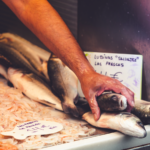
Using animal by-products in feed also raises questions about bacteria and antibiotic resistance. Photo credit: Zenytal/Shutterstock

If you buy salmon because you think you know what goes into it, think again, there is something about the fish on sale in some European supermarkets that may surprise you. Several Norwegian salmon producers are now using ingredients made from chicken by-products in their feed, replacing part of the fishmeal and other proteins traditionally used to raise farmed salmon.

This does not mean throwing raw chicken leftovers into the water. The poultry material is processed into meal and oil before being mixed into formulated fish feed. It can include bones, liver and other parts of chickens that are not normally sold as meat cuts. Producers are turning to it because it offers a cheaper alternative at a time when traditional marine ingredients are becoming more expensive and harder to source.

Why salmon producers are changing the menu

Fishmeal and fish oil have long been important ingredients in farmed salmon diets, providing protein and essential nutrients. However, they rely on catches of wild fish, and supplies have come under pressure. Disruption to Peru’s anchovy fishery, an important source of fishmeal, has added to the problem, while the availability of other marine ingredients has also been affected. Poultry meal is reported to cost less than half as much per tonne as fishmeal, making it an attractive option for companies trying to control production costs.

Lerøy Seafood Group has introduced poultry-derived ingredients at all its offshore salmon farms in Norway. Grieg Seafood began using chicken meal and oil in July, while SalMar started testing poultry-based feed in March. Mowi has also been reported to be preparing similar changes in Norway, although its position varies between markets and operations. The companies argue that using material left over from chicken processing makes better use of existing resources and reduces reliance on wild fish caught for feed. The industry is under pressure to find alternative protein sources as demand for farmed fish continues to grow.

What exactly is being fed to the fish?

Poultry by-product meal is made by processing material left over after chicken meat production. Depending on the source, this can include bones, organs and other parts not sold for human consumption. It is treated before being used in animal feed; it is not simply discarded kitchen waste.

Norwegian research institute Nofima is investigating how chicken residues can be used in salmon feed, including how processing affects protein digestibility and biological quality. Its research project runs until September 2027 and will also examine the effects of longer-term feeding on fish health, growth and the quality of salmon at slaughter.

The nutritional value of poultry meal can vary. Nofima says digestibility has sometimes been low, with heat treatment, freshness and the type of material used all affecting the result. The research is intended to establish how the ingredients should be selected and processed to produce a consistent feed component.

Could it increase the risk of antibiotic-resistant bacteria?

Using animal by-products in feed also raises questions about bacteria and antibiotic resistance. Chicken production, like other livestock industries, can be a source of bacteria carrying resistance to antibiotics. If contaminated material entered the feed chain without effective treatment and controls, there could be a route for bacteria or resistance genes to spread.  That is a potential food-safety concern, not proof that salmon fed poultry meal will contain antibiotic-resistant bacteria. Processing requirements are designed to reduce microbiological risks, and feed ingredients are subject to safety controls.

Norway’s Institute of Marine Research detected Salmonella in one sample of feather meal during its 2025 fish-feed monitoring programme. The report nevertheless described the general microbiological quality of the samples as satisfactory. The finding does not show that salmon fillets were contaminated or that poultry meal is spreading antibiotic resistance, but it demonstrates why sourcing, processing and testing matter. Separate research into salmon and chicken processing environments has identified antibiotic-resistance genes in some processing waste streams. However, it did not demonstrate that feeding poultry by-products to salmon transfers resistant bacteria into the fish or its flesh. 

Does chicken feed affect the quality of salmon?

There is also the question of whether changing the fish’s diet affects the quality of the meat people eventually eat. A commercial-scale study published in 2025 examined 435,000 Atlantic salmon over an 11-month feeding period. Poultry by-product meal replaced 5 or 10 per cent of the crude protein from conventional sources in the test diets. Researchers found no significant differences in growth, mortality, feed conversion, gut condition or fillet quality.

There were also no differences in the colour, firmness, gaping or fatty acid composition of the salmon. The findings do not support claims that moderate amounts of poultry meal automatically make salmon less nutritious or damage the texture of its flesh. However, they do not settle every question about different feed formulas or higher levels of inclusion. Nofima’s wider research is still examining long-term effects, including smell, appearance, taste and texture. 

Shoppers may not know what their salmon has eaten

For consumers, one of the biggest concerns is transparency. Feed ingredients do not generally have to be listed on supermarket salmon packaging, meaning shoppers may not be able to tell whether the fish they buy was raised on a diet containing poultry by-products. A Nofima survey of more than 1,000 consumers in England and France found that many knew relatively little about the ingredients in farmed salmon feed. Chicken-based ingredients were viewed particularly negatively, with respondents often associating them with something unnatural or lower quality. 

The debate is likely to continue as producers look for cheaper alternatives to fishmeal. The available research does not show that salmon fed poultry meal is automatically unsafe or inferior, but questions remain about how ingredients are sourced, processed and tested, how much is used and whether shoppers should be told. For anyone buying salmon, the change raises eyebrows: should consumers have the right to know what the fish on their plate has been fed? I think so.

Continue Reading

Trending

Copyright © 2017 Spanish Property & News