
beaches in spain
Sharks in Spain: The beaches where you are most likely to have an encounter

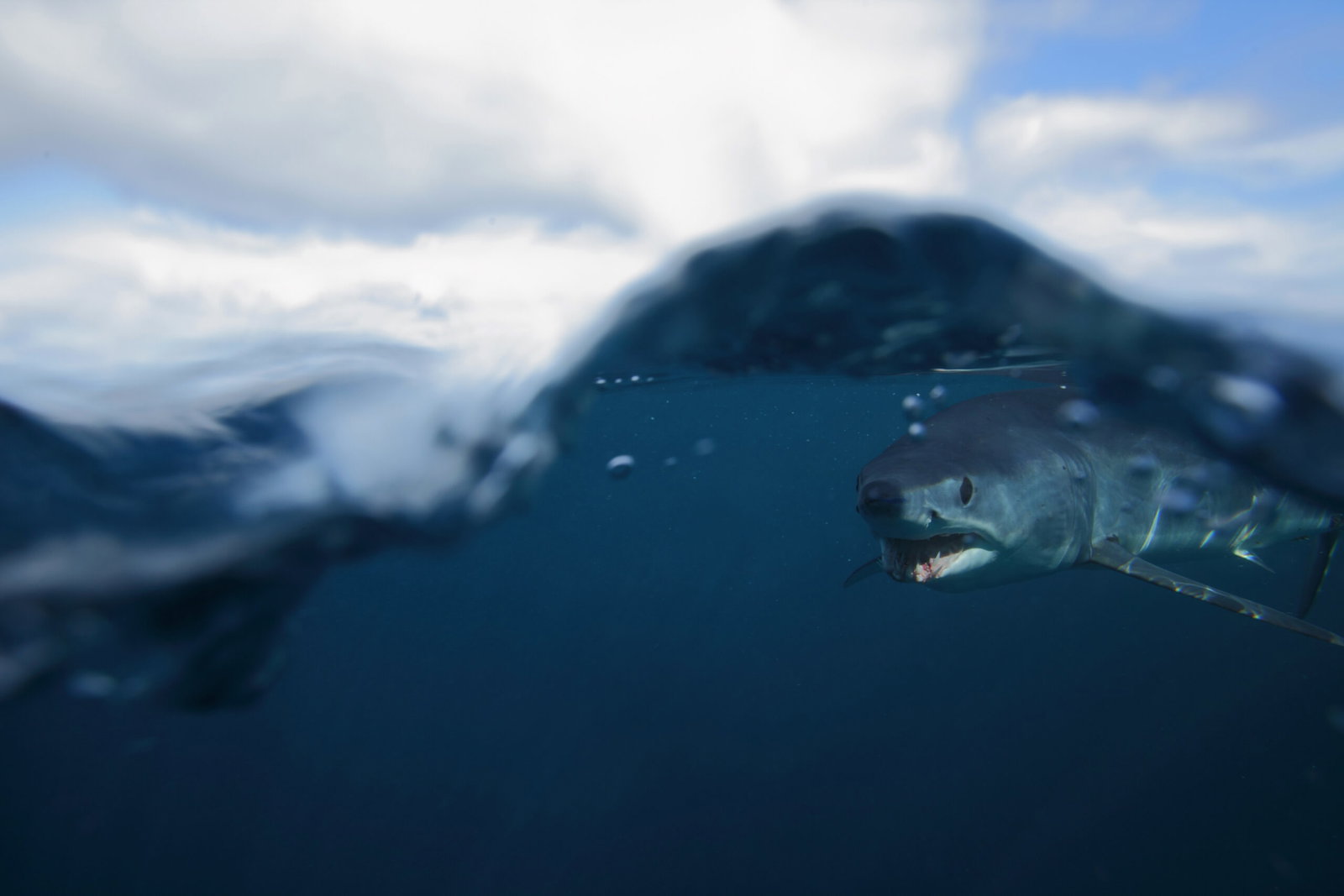
Short fin mako sharks are one of the shark species that have been spotted close to shore. Photo credit: Alessandro De Maddalena/Shutterstock
For anyone visiting Spain’s beaches this summer, you may have plenty of plans lined up, from spending the day on the sand, taking a dip in the sea to trying your hand at water sports, exploring the coastline or simply enjoying a long lunch with a view; however, swimming with sharks is not likely to be one of them. But did you know there are beaches in Spain where you are more likely to have a shark encounter compared to others?
While shark attacks remain extremely rare in Spain, sightings do occur, with different species recorded in waters around the country. Most are normally found well offshore, while others can move into coastal waters, meaning an occasional sighting can bring a shark surprisingly close to areas used by bathers. From the Atlantic coast to the Mediterranean and the islands, Spain has a diverse population of sharks, with some areas providing particularly important habitat for these marine predators. So, where in Spain are you most likely to spot one?
Galicia and the northern coast
Galicia is one of the areas repeatedly associated with shark sightings, with the Ría de Vigo among the locations identified in previous reports. The cooler Atlantic waters off the region provide habitat for a variety of marine species, including sharks that spend much of their time away from the shoreline.
The Cantabrian coast can also see sharks. A recent example came at Bakio in Bizkaia, where a small shark was spotted close to the shore in August. The beach was temporarily closed while officials checked the water. Experts said the available footage was not sufficient to identify the animal with certainty, although a blue shark, smooth-hound or dogfish were among the possibilities.
Mediterranean sightings from Valencia to the Balearics
The Mediterranean is home to a large number of shark species. The most commonly encountered include the blue shark, small-spotted catshark and smooth-hound, while larger and less frequently seen species such as the shortfin mako and great white also occur in Mediterranean waters.
Valencia and Alicante have both recorded sightings, including La Patacona and Las Arenas in Valencia and Arenales del Sol and Tabarca in Alicante. The Gulf of Alicante is also one of three areas identified by researchers from the Institute of Marine Sciences and the National Museum of Natural Sciences as particularly important for sharks and other large marine predators in the western Mediterranean.
Sharks also use the waters around the islands
The Balearic Islands have produced sightings around Mallorca, Ibiza and Menorca. The surrounding waters support a range of marine predators, although a shark being present in the wider area does not mean one is close to a swimming beach.
The Canary Islands have also recorded sightings, including around Tenerife and Gran Canaria. These Atlantic waters support numerous shark species, and sightings can occasionally bring an animal into public view. Previous reports have included sharks appearing close enough to beaches to prompt temporary restrictions on bathing.
Andalucía has produced some close sightings
The southern coastline has also had its share of encounters. Granada has previously recorded shark sightings around Almuñecar, La Mamola and Calahonda, while Cádiz produced a particularly close encounter in June when a blue shark was filmed swimming near the shore at Sanlúcar de Barrameda.
Blue sharks, known in Spanish as tintoreras, are widespread migratory sharks and are among the species regularly found in Spanish waters. Spain’s Ministry of Agriculture describes the tintorera as an important species for the country’s fishing fleet, particularly in Galicia and Andalucía.
Almería is another recorded location
Almería gets an honorary mention on the list, a recent study by Spain’s National Research Council (CSIC) identified the Almería coast as one of the three key areas in the western Mediterranean for sharks and other large predators, alongside the Gulf of Alicante and the submarine canyons off Cataluña. Researchers used tracking and biological sampling to study species including blue sharks and shortfin makos.
There are confirmed records around Almerimar too. Basking sharks have been observed off Almerimar and Guardias Viejas. Despite being capable of growing beyond 10 metres, the basking shark feeds by filtering plankton from the water and is not a predator of swimmers. Blue sharks have also been recorded along the Almería coast.
Tarragona and Cataluña are important too
Tarragona has previously recorded sightings around Martinenca, Maricel and Marjal. The wider Catalan coast is also scientifically significant, with submarine canyons identified as important areas for sharks and other large marine predators.
The CSIC research tracked blue sharks in the western Mediterranean and also examined shortfin makos and bluntnose sixgill sharks. The findings show that these waters are not simply places where sharks occasionally pass through: some areas provide important habitat for feeding, movement and reproduction.
Should swimmers be worried?
Seeing a shark does not automatically mean the animal is dangerous. Species found around Spain range from small bottom-dwelling sharks such as the small-spotted catshark to highly migratory blue sharks, shortfin makos and much larger species such as basking sharks. Their behaviour and habitats are very different. The number of shark species present in Spanish waters also needs to be put into perspective. The existence of dozens of species does not mean dozens of species are routinely approaching beaches. Most sharks spend their time away from heavily populated bathing areas, and confirmed sightings close to shore remain relatively unusual.
If a shark is spotted, swimmers should leave the water and follow instructions from lifeguards or local authorities. That is what happened at Bakio, where bathing was temporarily stopped while the animal was searched for. The beach reopened once it was no longer found. For anyone using Spain’s beaches, the message is therefore not that sharks are suddenly appearing everywhere. They are already part of Spain’s marine environment, from the Atlantic and Cantabrian coasts to the Mediterranean and the islands. What is unusual is seeing one close enough to a busy beach for people to notice. And if you do see that unmistakable fin, the safest response is simple: get out of the water and leave the shark alone.














By Lottie Verrier • Published: 29 Jul 2026 • 17:38 • 3 minutes read
One viral hack is to use a fitted bed sheet to create a sand-free zone
Credit: Pinterest
Google News
Follow Euro Weekly News on Google News
Get breaking news from Spain, travel updates, and expat stories directly on your Google News feed.
Sign up for personalised news
Subscribe to our Euro Weekly News alerts to get the latest stories into your inbox!
By signing up, you will create a Euro Weekly News account if you don’t already have one. Review our Privacy Policy for more information about our privacy practices.

Última Hora De La Entrada De Inmigrantes A Ceuta, En Directo | Las Comunidades Religiosas De Ceuta Se Concentran Para Reclamar Una Respuesta Inmediata A La Crisis Migratoria

FROM THE ARCHIVES: Discover A Part Of Spain That ‘social Media Forgot – Wild, Expansive And Almost Tourist-Free’, According To The Guardian
Marbella jeweller fights back with high-tech €400,000 security system after decades of raids
First EasyJet passenger from UK refused entry to Gibraltar after new treaty
History comes alive as Marina Alta’s iconic human tower honours King Jaume I

US Recalls Over 19 Million Eggs Due To Salmonella Outbreak That Has Caused Illness In Nearly 100 People


-
easyJet1 week ago
First EasyJet passenger from UK refused entry to Gibraltar after new treaty
-
Costa Blanca North2 weeks ago
History comes alive as Marina Alta’s iconic human tower honours King Jaume I
-
 America2 weeks ago
US Recalls Over 19 Million Eggs Due To Salmonella Outbreak That Has Caused Illness In Nearly 100 People
-
Almeria2 weeks ago
Vera Triathlon returns with 300 spots and sprint and Olympic challenges
-
Latest1 week ago
Thousands Of Migrants Swim From Morocco To Spain’s Ceuta Territory
-

 Uncategorized2 weeks ago
Ex-Sky Sports star teases tell-all after shock F1 exit
-
Latest1 week ago
Trump And Far Right Seize On Spanish Migration Crisis
-

 New Developments1 week ago
Inside The Most LUXURIOUS Apartment Building In Spain!