
Eclipses
Solar Eclipse In Spain: A Guide To The Astronomical Event Of The Year








Astrofísica
¿Cómo Y Dónde Conseguir Gratis Las Gafas Homologadas Para Ver El Eclipse Total De Agosto?

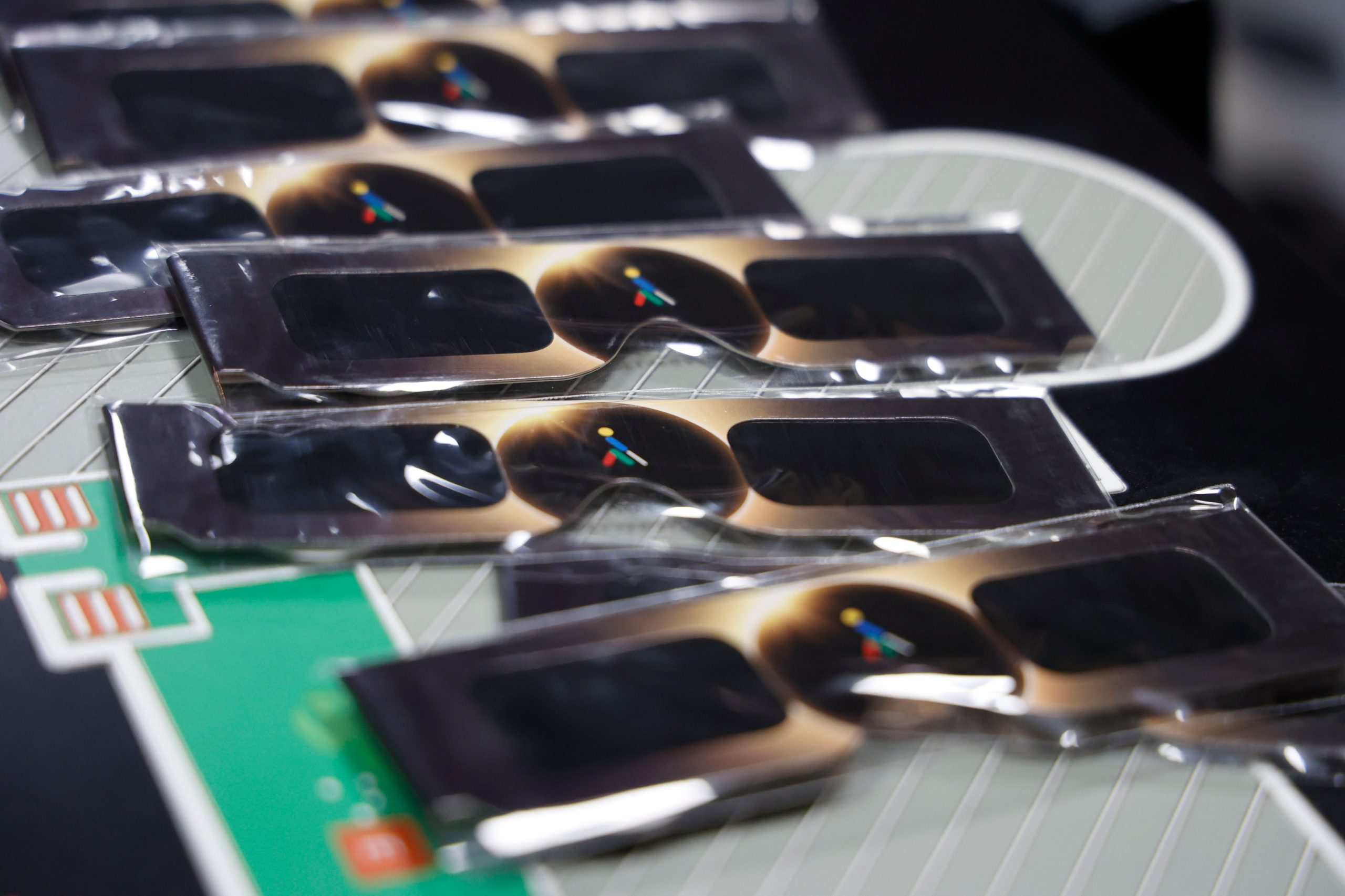
No vale ningún remedio casero. Las gafas homologadas son la única protección segura para poder disfrutar del eclipse del 12 de agosto. También serán necesarias para mirar directamente al Sol en los lugares en los que el eclipse solo será parcial.
Puntos de distribución
Desde este martes, la ONCE entrega 1.700.000 gafas de manera gratuita en más de 23.000 puntos de venta de cupones de toda España. Es el fruto de un convenio firmado con el Ministerio de Ciencia, Innovación y Universidades, que también repartirá 300.000 unidades en su red de museos y centros científicos: la lista de esas instituciones está en esta página de la web oficial del Trío de Eclipses. Desde la Organización Nacional de Ciegos aclaran que “las gafas de eclipse no se compran a cambio de cupones, sino que se regalan, hasta fin de existencias, a los clientes habituales”.
Este material de protección está también a la venta en tiendas especializadas, tanto de astronomía como en ópticas. Aficionados a los eclipses han creado una lista colaborativa de estos establecimientos (tanto tiendas online como físicas), en los que los precios por unidad arrancan en los 3 euros. Comprando lotes de múltiples gafas, el coste se abarata.
¿Cómo comprobar si son buenas?
En los días previos al gran eclipse español, todo tipo de negocios están regalando gafas de eclipse a sus clientes. Y también se venden en tiendas no especializadas. Solo son seguras las gafas que cumplen con el estándar ISO 12312-2. Unas gafas homologadas han de indicar esa certificación y, obligatoriamente, también llevar impresos el distintivo CE de la Unión Europea, la dirección del fabricante, el período de caducidad y las indicaciones de uso en el idioma del país donde se comercializan.
Lo primero que hay que hacer con unas gafas, compradas o regaladas, es probarlas brevemente. A través de ellas solo ha de verse claramente el Sol; otras fuentes de luz muy intensas (focos LED, bombillas incandescentes) pueden intuirse si se está muy cerca. Sus materiales son delicados: hay que comprobar siempre que no están rayadas, ya sean nuevas o de eclipses anteriores. Y también es imprescindible guardarlas bien protegidas (en un sobre, en una funda de gafas normales) hasta el momento de usarlas.
Tanto investigadores en astrofísica como el Ministerio de Consumo, y los departamentos autonómicos correspondientes, están revisando las gafas que hay en el mercado. De momento, no se ha detectado ninguna partida de gafas que no protejan adecuadamente.
Por qué usar gafas de eclipse es la única manera segura de mirar al Sol

Para evitar lesiones oculares graves, las gafas homologadas son la única protección que funciona, frente a las creencias todavía extendidas de que hay métodos caseros que también valen (como radiografías, negativos fotográficos o vidrios ahumados). Los filtros de soldador que protegen no dan la nitidez adecuada para observar bien el eclipse.

F1 insider claims plan to take cars electric aged badly, but there is a fix

El Gran Favorito, Marcell Jacobs, Se Lesiona A Los 40 Metros Y Deja Al Británico Romell Glave La Victoria En Los 100m De Los Europeos De Atletismo

Polish Swimmer Conquers Baltic After 55 Hours Then Doctors Make Strange Request


-
easyJet2 weeks ago
First EasyJet passenger from UK refused entry to Gibraltar after new treaty
-
Latest2 weeks ago
Thousands Of Migrants Swim From Morocco To Spain’s Ceuta Territory
-
Latest2 weeks ago
Trump And Far Right Seize On Spanish Migration Crisis
-

 New Developments2 weeks ago
Inside The Most LUXURIOUS Apartment Building In Spain!
-

 Latest2 weeks ago
Suspect In Murder Of Hungarian Woman In Benahavis Attempts To Slit His Own Throat As Guardia Civil Make Arrest
-

 Uncategorized2 weeks ago
Ex-Sky Sports star teases tell-all after shock F1 exit
-

 Banca2 weeks ago
CaixaBank Gana Un 8,5% Más En El Primer Semestre Y Pulveriza Su Récord De Beneficios
-
Airport Parking2 weeks ago
Gatwick Airport’s UK-first robot parking: How it works and who can use it